AI Typos Send Users to Malware Traps

eSecurity Planet · Medium sophistication
Last updated November 16, 2026

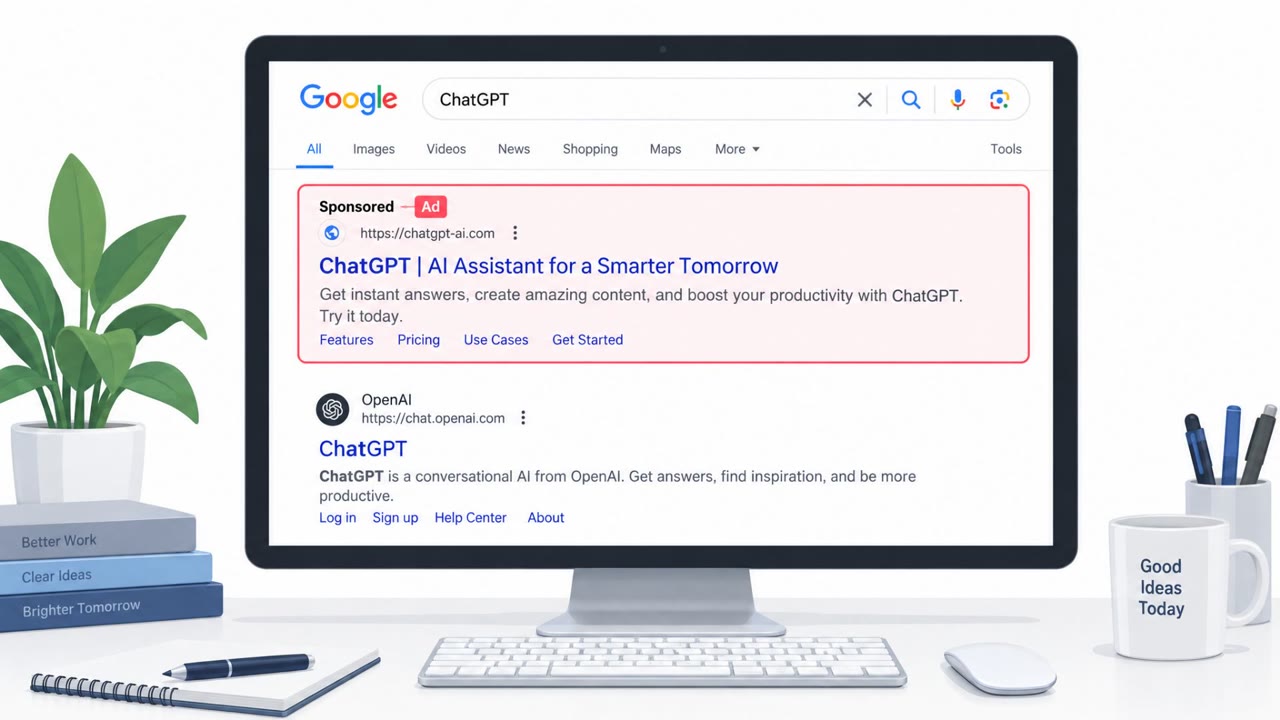
Researchers found 186 typo-squatted websites impersonating popular AI brands such as ChatGPT, Claude, DeepSeek, and Perplexity. Some sites used fake verification checks to persuade Windows users to run malicious commands, while others pushed signed software or browser extensions that could alter searches and browser settings. The research does not confirm how many people were infected, but it documents realistic routes from a simple URL typo to harmful actions.

Key findings

  • Island identified 186 lookalike domains impersonating 27 AI brands, including 25 domains resembling ChatGPT and 18 resembling Claude.
  • One Claude lookalike, cloude[.]ai, redirected visitors through fingerprinting services to a fake Cloudflare verification page.
  • The fake verification page instructed Windows users to open the Run dialog and paste a clipboard-copied command that downloaded and secretly ran a PowerShell script.
  • Eight AI-brand misspellings led to fake security checks promoting Net Guard, a legitimately signed Microsoft Store package that Island found could modify browser settings, install extensions, and run remotely supplied JavaScript.
  • A Perplexity lookalike, preplexity[.]ai, led visitors to a Chrome extension that changed the default search provider to a third-party endpoint.
  • The investigation documented delivery mechanisms but did not establish a confirmed number of infections.

Who’s being targeted

  • Commonly targeted roles: All employees, Windows users, Employees who use AI tools, Knowledge workers, IT support, Security operations, Browser and endpoint administrators.
  • Affected industries: All industries using browser-based AI tools, Professional services, Technology, Finance and insurance, Healthcare, Education, Government.
  • Attack channels: website.
  • Impersonated: Cloudflare verification for a Claude-like AI website, Net Guard security scanner, Perplexity-like AI search service.

Awareness takeaways

  • Do not follow system-level instructions from a website verification page. Close the page and use a known, bookmarked link to the service instead.
  • Treat a request to install software or a browser extension from an AI website as suspicious unless it comes through an approved internal process.
  • Check AI website addresses carefully, and use managed bookmarks or approved links rather than typing addresses from memory.
  • Report unexpected browser changes, new extensions, altered search results, or unrequested software installations promptly.

Red flags to watch for

  • The AI site address is a misspelling, such as cloude[.]ai rather than the legitimate brand.
  • A web verification page asks the user to open Windows Run or Terminal.
  • The verification process requires pasting and executing a command rather than completing a normal browser check.
  • A typo-squatted AI domain unexpectedly promotes security software.
  • A supposed AI website redirects to a request to install an application.
  • A valid software signature is treated as proof that software is safe without verifying its behavior or business need.
  • The site address is a misspelling, such as preplexity[.]ai.
  • An AI website unexpectedly asks for a browser extension installation.
  • The extension changes the default search provider or routes searches through an unfamiliar third party.
Try Mirage

Mirage safely runs attacks like this one against your own team, so you find out what happens before a real adversary does.

Get a demo
Read the video transcript

One typo can turn an AI visit into a malware trap. Researchers found 186 AI-brand lookalike domains. One, cloude.ai, redirected through fingerprinting checks to a fake Cloudflare page: ‘Open Windows Run and paste the copied command.’ That’s the tell: a browser check never needs Windows Run. The copied command fetched a hidden PowerShell script. Other misspelled AI sites pushed Net Guard or a search-changing extension. If an AI site asks you to run a command or install something, close it and reopen the service from your approved bookmark.

Similar attacks

AI Typos Send Users to ClickFix Traps

AI Typos Send Users to ClickFix Traps

Researchers found 186 fake AI-tool domains that exploit typing mistakes to redirect visitors to malicious verification pages, browser-hijacking software, or unwanted search extensions. The sites imitate familiar services such as ChatGPT, Claude, Gemini, Copilot, and Perplexity, turning a simple…

November 12, 2026
Fake CAPTCHA ‘ClickFix’ Drops Cruciferra Malware

Fake CAPTCHA ‘ClickFix’ Drops Cruciferra Malware

A real malware campaign used compromised websites to show fake CAPTCHA/verification pages that tricked people into copying and running a PowerShell command themselves. That manual “copy/paste” step helped the attackers bypass normal download defenses and install the Cruciferra loader, which then…

August 25, 2026
Fake Claude Max Promo Steals Google Logins

Fake Claude Max Promo Steals Google Logins

Researchers found a real phishing campaign offering a “free” Claude Max upgrade to trick people into signing in with Google. The site uses a fake, draggable Google login pop-up (“browser-in-the-browser”) that looks legitimate and captures credentials. A stolen Google account can expose email and…

September 23, 2026
Fake Claude & Perplexity Lures Push Malware

Fake Claude & Perplexity Lures Push Malware

Sophos reports real incidents where attackers impersonated well-known AI brands (especially Claude) to trick people into installing malware. The lures included polished fake installer pages that instruct victims to copy/paste commands, and browser extensions that look legitimate via high ratings…

August 21, 2026
Fake ChatGPT ‘Outage’ Lures Users Into Malware

Fake ChatGPT ‘Outage’ Lures Users Into Malware

Attackers are using sponsored Google ads to route people to a malicious “custom GPT” that looks like ChatGPT, even while the user is logged in on the real ChatGPT domain. The fake GPT displays a convincing “service availability” message and pushes a link to a “backup domain” that ultimately…

October 2, 2026
Fake reCAPTCHA “Fix” Spreads MaaS Malware

Fake reCAPTCHA “Fix” Spreads MaaS Malware

Researchers observed real campaigns using compromised WordPress sites to show fake verification/BSOD-style prompts that trick users into running a copied PowerShell command. The technique (ClickFix) was paired with MaaS tools (ErrTraffic and Cruciferra) to deliver malware while attempting to kill…

August 19, 2026