US prosecutors charged three people accused of using AI-generated voices and images to pose as CEOs and lawyers in a $129 million fraud scheme. The group allegedly pressured accounts-payable employees to handle confidential transactions, then used fake lawyer calls to make large wire transfers appear legitimate and discourage internal discussion.
How the Attack Worked
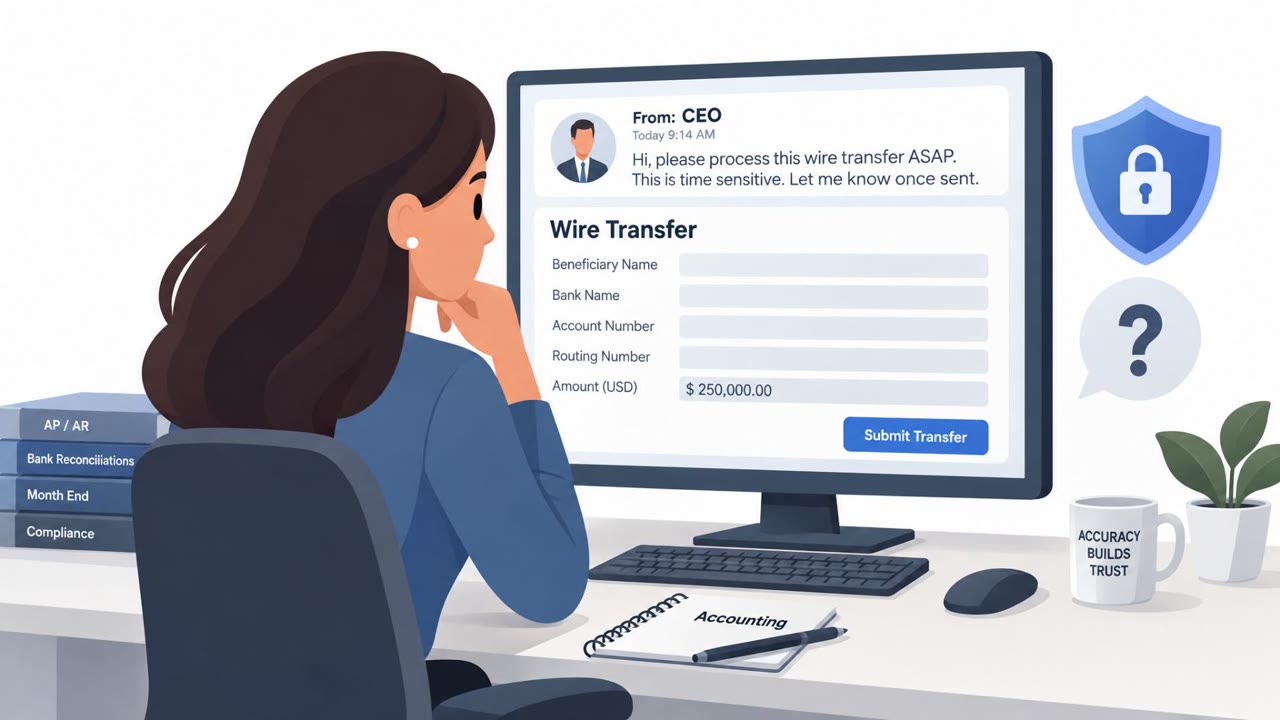
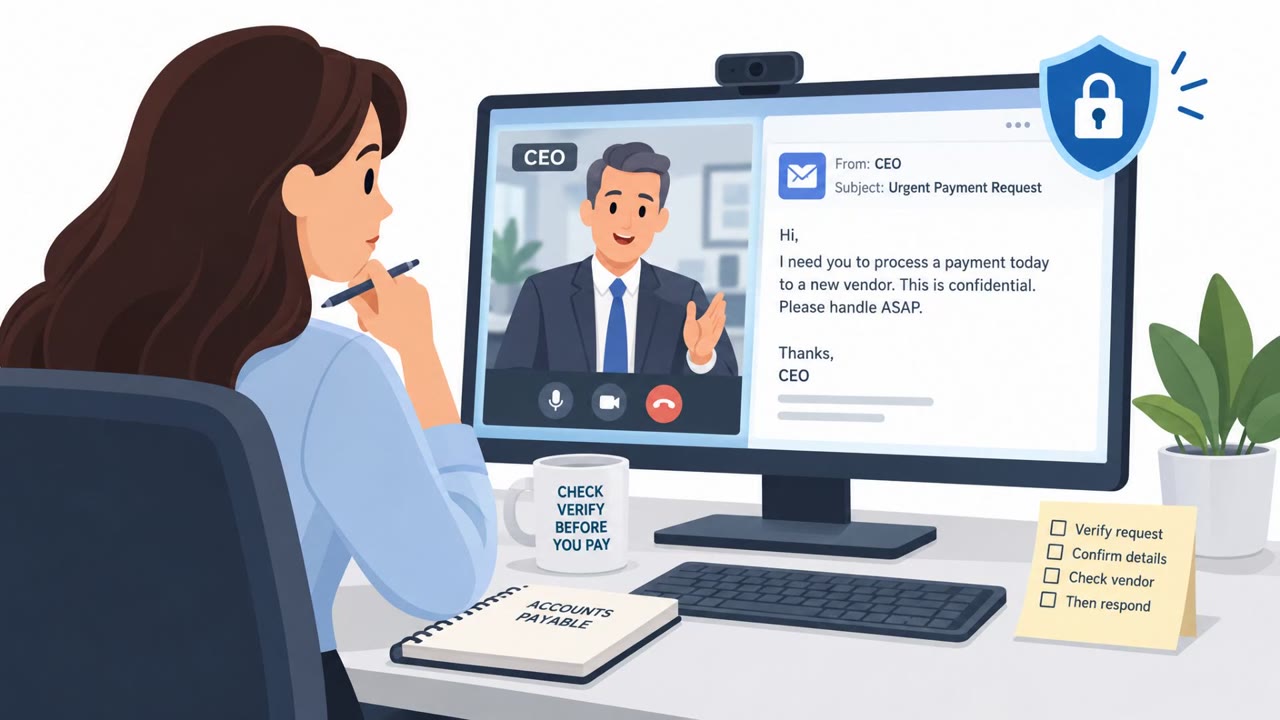
Prosecutors allege that three individuals ran a layered impersonation scheme that used AI-generated voices and images to pose as corporate executives and attorneys. The scheme began with a call or message in which the attacker claimed to be a CEO who needed help with a confidential financial transaction. These calls primarily targeted accounts payable, finance, and treasury staff, roles with direct access to wire transfer authority.
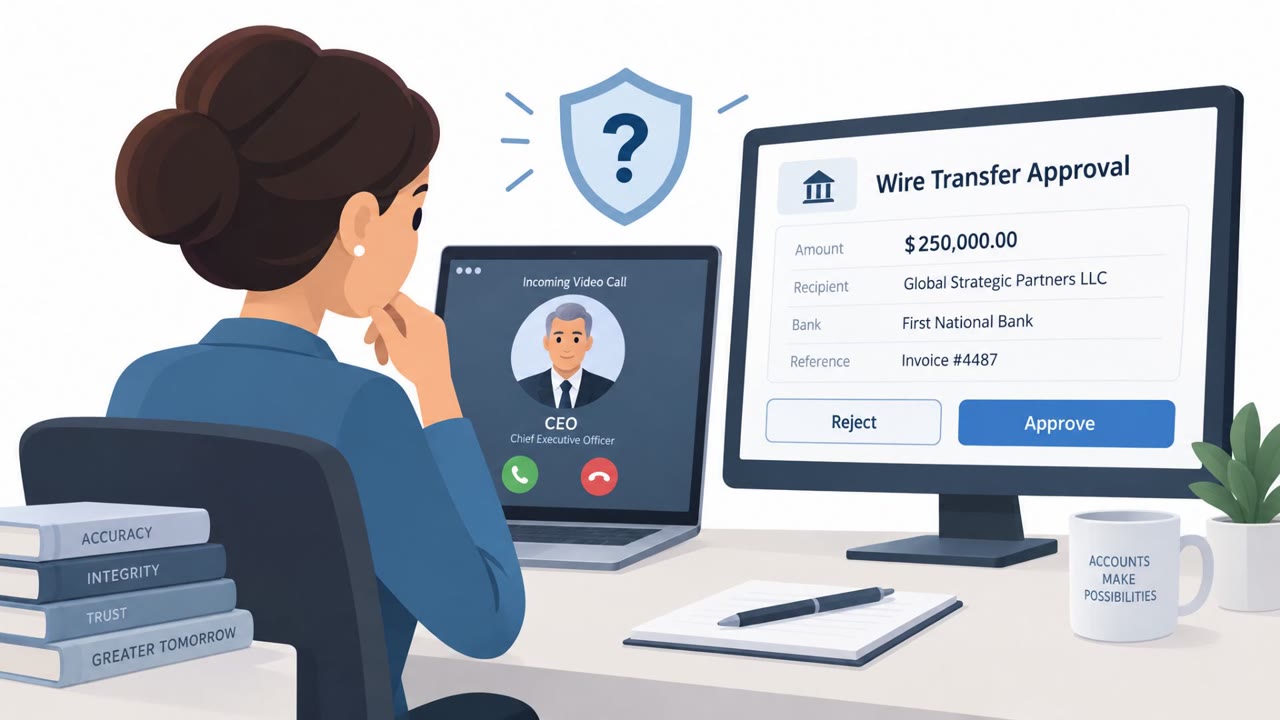
Once an employee was engaged, the scheme added a second stage. Employees were told to get in touch with supposed lawyers at major international law firms, who were also impersonated using AI-generated voice or image. One of the accused allegedly kept a handwritten script titled Lawyer Call, designed to convince victims not to discuss the communications with coworkers. That second layer gave the fraud an appearance of legal legitimacy and discouraged the kind of internal check that might have caught it.
Why It Succeeded
The scheme combined urgency, authority, and secrecy, three pressure points that work against normal verification habits. An employee hearing what sounded like their CEO, followed by a lawyer confirming the same confidential transaction, had two seemingly independent sources pointing the same direction. The explicit instruction not to discuss the matter with colleagues removed the most natural safeguard: asking someone else in the organization.
The use of AI-generated voices and images made the impersonation more convincing than a text-based lure, since the targeted employees were reportedly hearing or seeing what appeared to be familiar executives and outside counsel.
What to Watch For
- An executive or attorney requesting secrecy around a high-value payment
- Instructions to bypass normal approval or payment-verification procedures
- Pressure to act quickly without providing independently verifiable details
- New or unusual wire instructions tied to a large transaction
- Any request to avoid discussing a financial matter with colleagues
Building Resistance
Organizations can reduce exposure to this pattern by treating any request for a confidential, high-value payment as an automatic trigger for independent verification through a known contact method, not a number or address supplied by the caller. Wire instruction changes should always require out-of-band confirmation before funds move. Staff should be encouraged, and explicitly permitted, to escalate or discuss unusual requests internally even when told not to, since that instruction is itself a red flag. Verifying the identity of both the purported executive and any referenced attorney through independently known contact channels remains one of the most effective defenses against this type of layered impersonation.
Key findings
- Jacob Soall, Sharon Hazan, and Guy Sheetrit were charged over an alleged $129 million deepfake-enabled fraud scheme.
- The alleged attackers impersonated corporate executives and attorneys using AI-generated voices and/or images.
- They began by posing as a CEO seeking help with a confidential financial transaction and primarily targeted accounts department staff.
- The scheme added a second layer of credibility by directing employees to supposed lawyers at international law firms, who were also impersonated.
- A handwritten script titled “Lawyer Call” was allegedly used to persuade victims not to discuss the communications with colleagues.
- Victims included hospital systems, a bank, a financial technology company, a mutual fund company, and a pet-food company.
Who’s being targeted
- Commonly targeted roles: Accounts payable, Finance, Treasury, Financial controllers, Executive assistants, Senior executives, Legal department, Procurement.
- Affected industries: Healthcare, Banking and financial services, Financial technology, Investment management, Food manufacturing.
- Attack channels: vishing.
- Impersonated: Chief Executive Officer, Attorney at a major international law firm.
Red flags to watch for
- An executive requests secrecy around a high-value payment.
- The request bypasses normal approval and payment-verification procedures.
- The caller creates urgency or confidentiality without providing independently verifiable details.
- The purported lawyer tells the employee not to discuss the matter internally.
- The caller provides new or unusual wire instructions for a large payment.
- The lawyer's identity and contact details are not verified using independently known law-firm contact information.
Frequently asked questions
How did the deepfake CEO scam work?
Attackers allegedly used AI-generated voices and images to pose first as a CEO requesting help with a confidential transaction, then as an outside lawyer who instructed accounts payable staff to wire large sums while staying silent about the request.
Who was targeted in this fraud scheme?
The scheme primarily targeted accounts payable, finance, and treasury staff at organizations including hospital systems, a bank, a fintech company, a mutual fund company, and a pet-food company.
What made this deepfake fraud scheme convincing?
The fraudsters added a second layer of credibility by directing employees to supposed lawyers at international law firms, using a handwritten script to discourage victims from discussing the communications with colleagues.
How can organizations defend against this type of attack?
Treat requests for secret, high-value payments as a trigger for independent verification, confirm wire instructions out of band, and escalate any request to bypass normal approval processes.
Read the video transcript
“I need your assistance on a confidential financial transaction.” Sounds like your CEO. In an alleged $129 million scam, AI-generated voices and images posed as executives. The “CEO” sent accounts staff to an outside “lawyer” to arrange a large wire. Here’s the tell: that “lawyer” says don’t discuss it with colleagues. A handwritten “Lawyer Call” script allegedly pushed that secrecy, while supplying new wire instructions. A familiar voice isn’t proof. Before any wire, verify the request through your established payment-approval process.