Deepfake CEOs Stole $129M From Businesses

Help Net Security · High sophistication
Last updated November 9, 2026

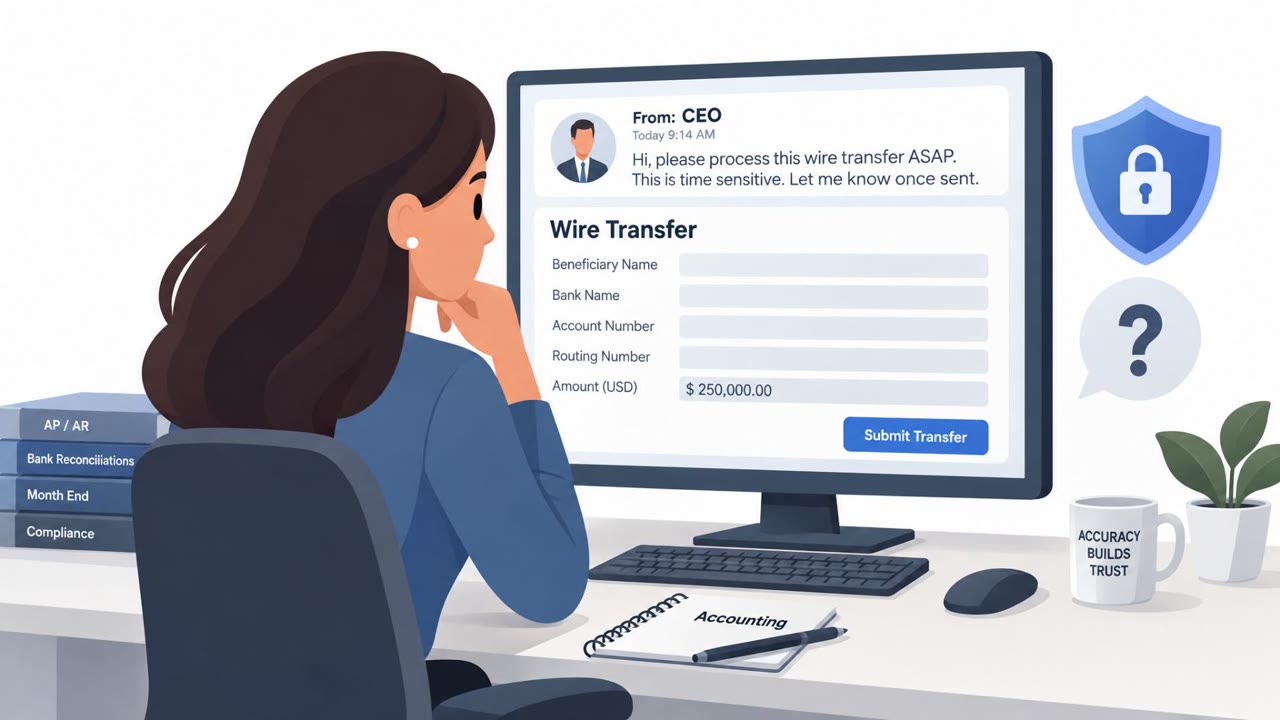
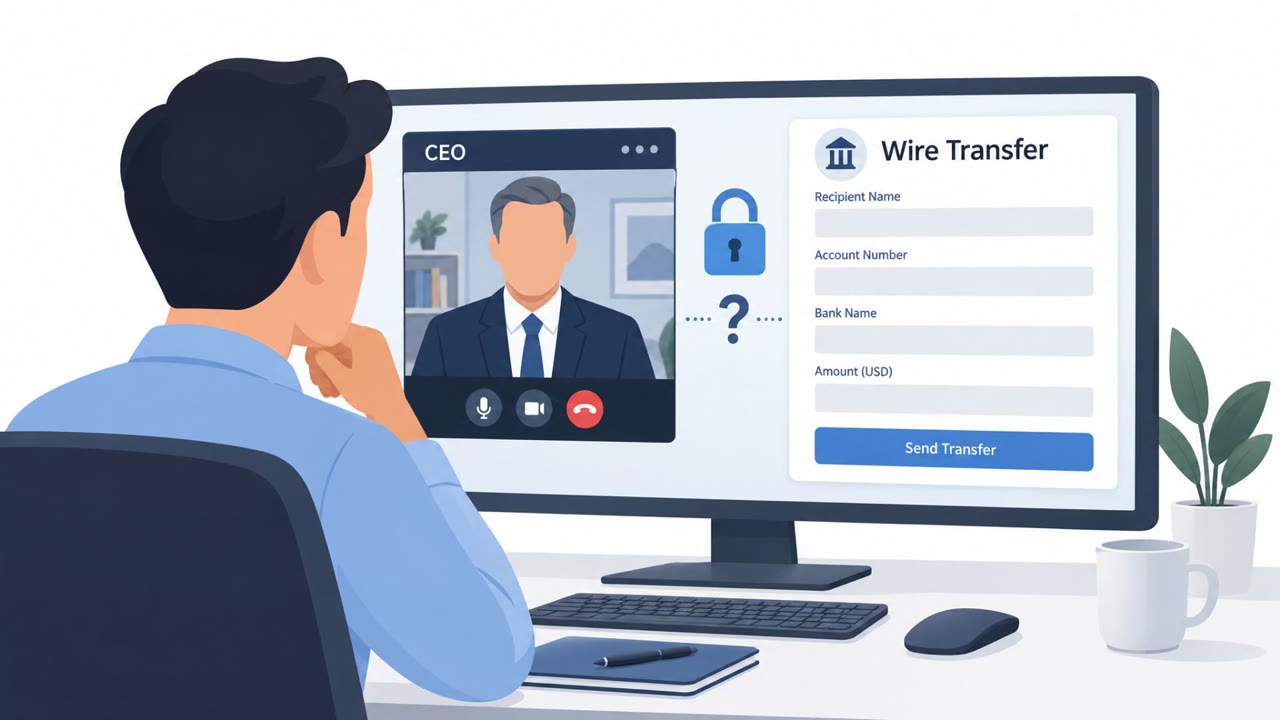
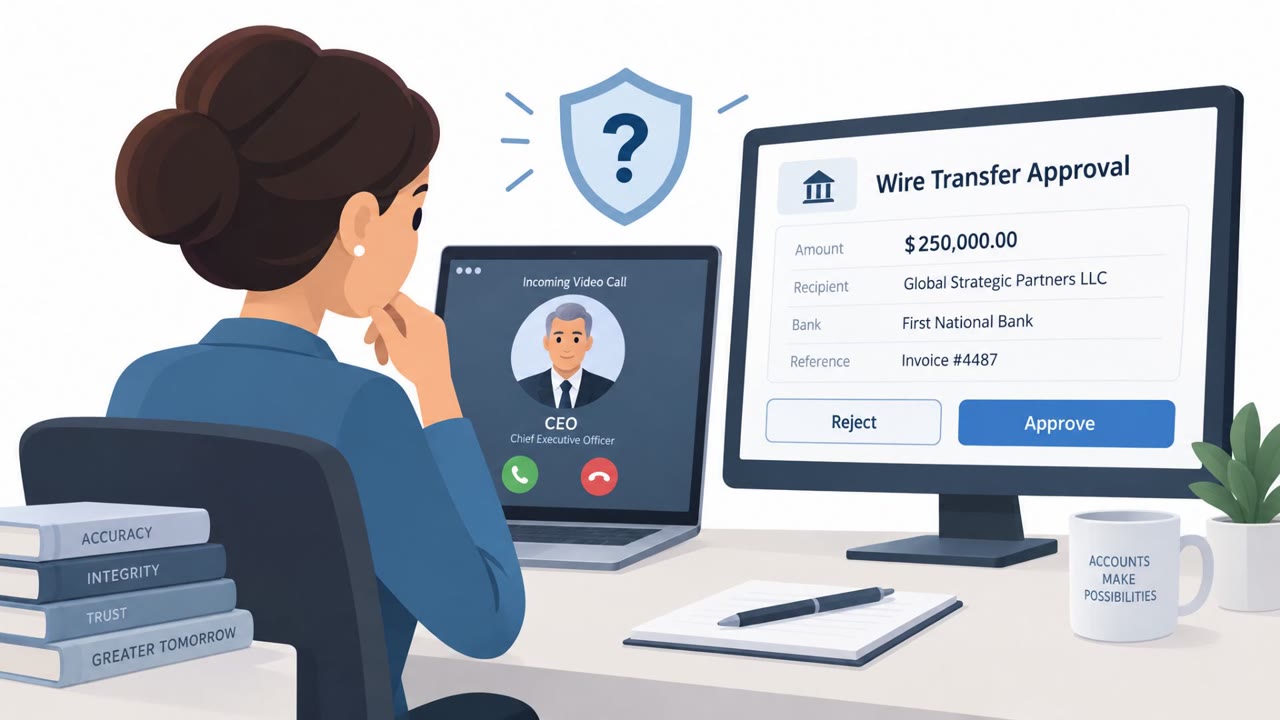
US prosecutors allege that three men used AI-generated CEO voices or images to persuade employees that high-value financial transactions were legitimate. The scammers then impersonated lawyers from major international law firms and directed employees to wire money to accounts they controlled. The alleged scheme targeted organizations in healthcare, banking, financial technology, and consumer goods.

Key findings

  • Three defendants were accused of using deepfake CEO voices or images and impersonated law-firm attorneys to steal more than $129 million.
  • The fraud typically began with a call in which an attacker posed as the victim organization’s CEO and described a sham financial transaction.
  • Victims were told to contact supposed attorneys at large international law firms; the conspirators then impersonated those attorneys and instructed employees to send large wire transfers.
  • One alleged participant kept a handwritten "Lawyer Call" script, including language intended to discourage victims from discussing the calls with colleagues.
  • Named victims included US hospital systems, a Rhode Island bank, a UK financial technology company, and a Florida pet-food company.
  • The alleged group converted received funds into cryptocurrency and distributed them among conspirators.

Who’s being targeted

  • Commonly targeted roles: Finance, Treasury, Accounts Payable, Financial Controllers, CFO organization, Executive Assistants, Legal, Procurement, Senior Executives.
  • Affected industries: Healthcare, Banking, Financial technology, Pet food manufacturing.
  • Attack channels: vishing.
  • Impersonated: The victim company's chief executive, followed by attorneys at a large international law firm., A UK attorney at a large international law firm..

Awareness takeaways

  • Treat an unexpected executive request for a high-value payment as unverified, even if the caller looks or sounds exactly like a senior leader. Confirm the request through a known, independently sourced contact method and follow established approval procedures.
  • Independently verify outside lawyers and bank details using trusted contact information, not phone numbers, email addresses, or accounts provided during an unexpected request.
  • Never let secrecy or urgency bypass payment controls. Escalate requests that tell you not to consult colleagues, managers, finance leadership, or legal teams.
  • Require out-of-band confirmation and multiple authorized approvals before releasing large or unusual wire transfers, especially those involving new beneficiaries or international accounts.

Red flags to watch for

  • An urgent, high-value transaction is introduced by a voice or image that may appear to be the CEO.
  • The CEO directs the employee to unfamiliar outside counsel rather than established internal approval channels.
  • The requested payment account is supplied by the purported lawyers and is not independently verified.
  • The caller pressures the employee to keep a financial request secret from colleagues.
  • A supposed attorney relies on an unexpected call rather than known legal contacts or documented engagement details.
  • The caller requests a large wire transfer without normal internal review and verification.
Try Mirage

Mirage safely runs attacks like this one against your own team, so you find out what happens before a real adversary does.

Get a demo
Read the video transcript

Your CEO sounds like your CEO. That’s not proof anymore. In an alleged $129 million scheme, a deepfake CEO introduced a confidential deal and said, ‘Get in touch with lawyers.’ Then someone posing as counsel supplied wire instructions. Here’s the tell: the supposed lawyer says keep it from colleagues. One alleged participant even kept a handwritten ‘Lawyer Call’ script for that line. Before any wire moves, call your CEO using the number in your company directory, not the one from the call.

MITRE ATT&CK techniques

T1656 - Impersonation

Similar attacks

Deepfake CEO Scam Stole $129M

Deepfake CEO Scam Stole $129M

US prosecutors charged three people accused of using AI-generated voices and images to pose as CEOs and lawyers in a $129 million fraud scheme. The group allegedly pressured accounts-payable employees to handle confidential transactions, then used fake lawyer calls to make large wire transfers…

November 6, 2026
AI Deepfakes Drive $129M CEO Fraud Scheme

AI Deepfakes Drive $129M CEO Fraud Scheme

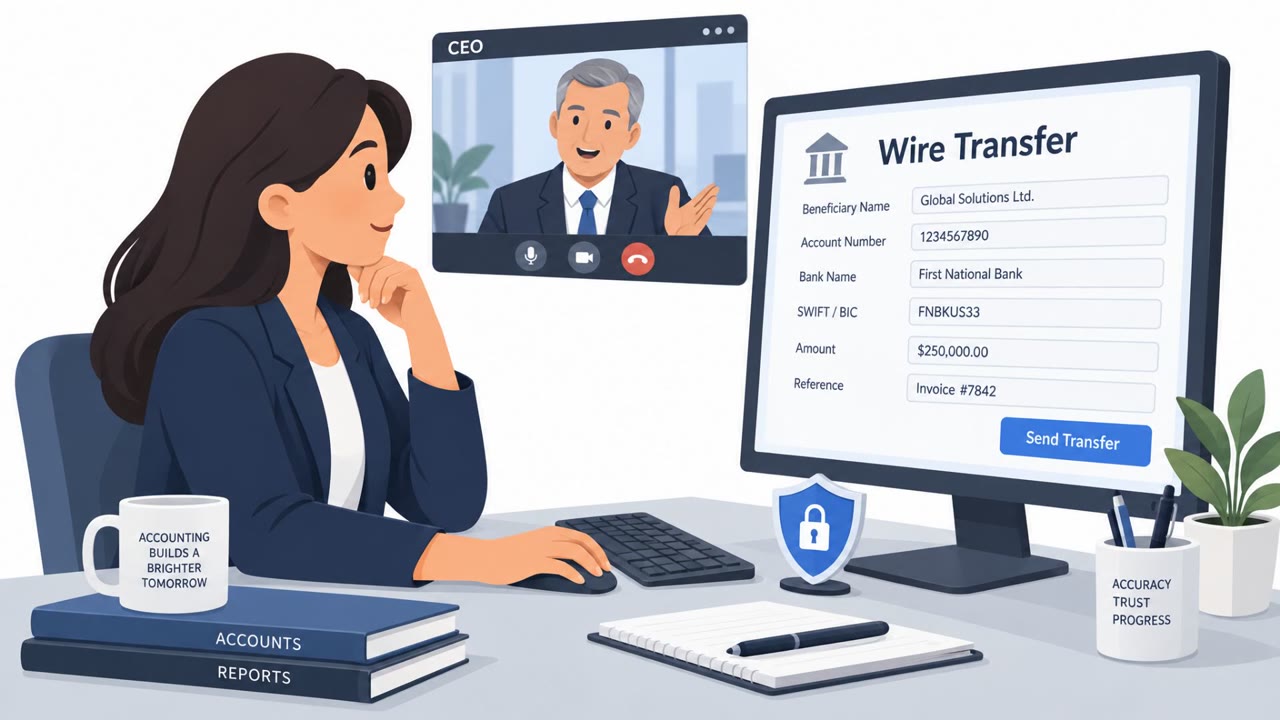
Three men were indicted for allegedly using AI-generated video and voice impersonations of CEOs and law-firm attorneys to steal $129 million. They targeted employees authorized to make wire transfers, framed payments as confidential acquisitions, and pressured staff to keep the transactions secret.…

November 9, 2026
Deepfake CEO Scam Steals $129M

Deepfake CEO Scam Steals $129M

U.S. authorities allege that three men used AI-generated CEO and lawyer impersonations to steal at least $129 million from businesses. The scheme targeted accounting staff with a confidential-transaction storyline, used an e-signature message to obtain an NDA, and then used a fake attorney to make…

November 6, 2026
Deepfake CEOs Drive $129M Wire Scam

Deepfake CEOs Drive $129M Wire Scam

US prosecutors charged three men over a two-year fraud scheme that allegedly used AI-generated CEO deepfakes and fake lawyers to persuade employees to send company money to attacker-controlled accounts. The scheme reportedly targeted organizations in healthcare, banking, consumer products, and…

November 9, 2026
Deepfake CEOs Drive $129M Transfer Fraud

Deepfake CEOs Drive $129M Transfer Fraud

Federal prosecutors allege that a fraud ring used AI-generated CEO voices and video, along with stolen lawyer identities, to convince employees to approve fraudulent wire transfers. The attackers used familiar business workflows, confidential acquisitions, NDAs, executive calls, and outside…

November 9, 2026
AI CEO Deepfakes Drove $129M Fraud Scheme

AI CEO Deepfakes Drove $129M Fraud Scheme

U.S. prosecutors charged three people with allegedly using AI-generated CEO and attorney impersonations to steal about $129 million from companies worldwide. The group reportedly emailed accounting teams about confidential transactions, used AI voice and video calls to reinforce the request, and…

November 6, 2026