Fake AI Jobs Helped Fuel Binance Theft

About DFIR · High sophistication
Last updated November 4, 2026

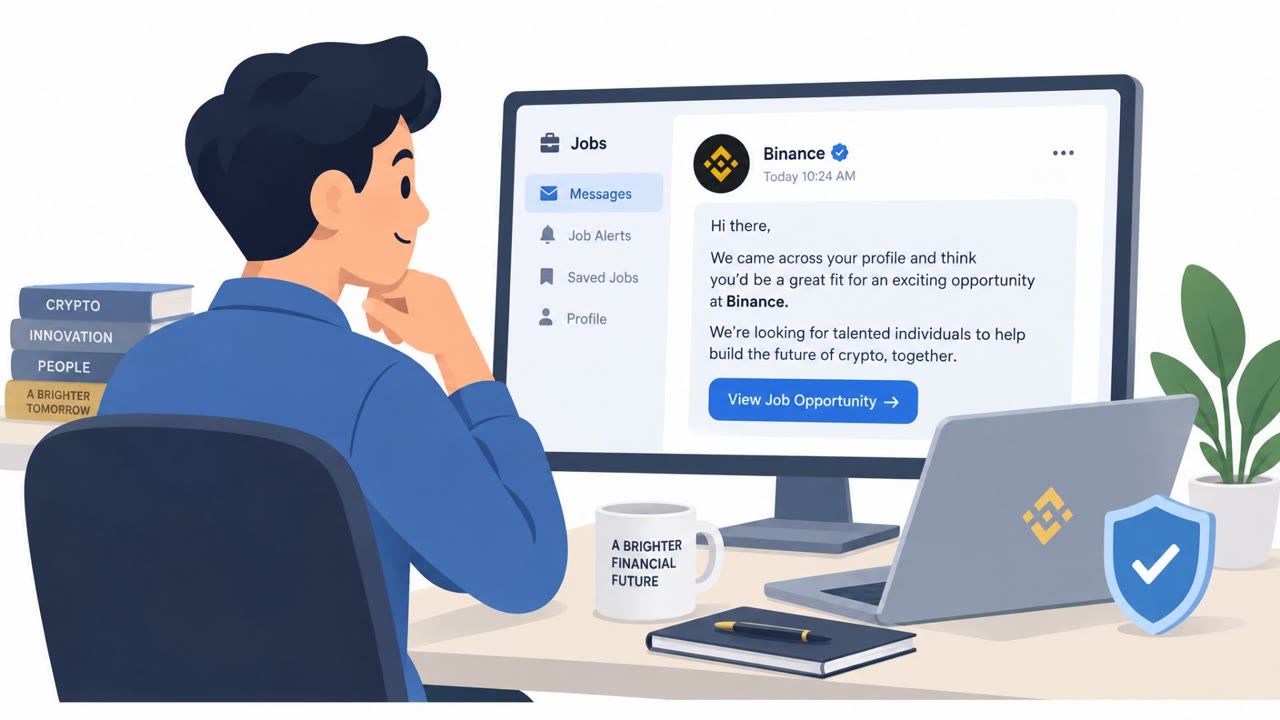
Binance says attackers used fake job-related downloads and a trojanized installer for a popular AI tool to compromise members of its wallet infrastructure team. The campaign ultimately gave the attackers access to an internal wallet-signing service and enabled a $6.43 billion theft outside the normal withdrawal process.

Key findings

  • Attackers began the campaign by getting a Wallet DevOps engineer to download a trojanized Homebrew installer while searching for a popular AI tool.
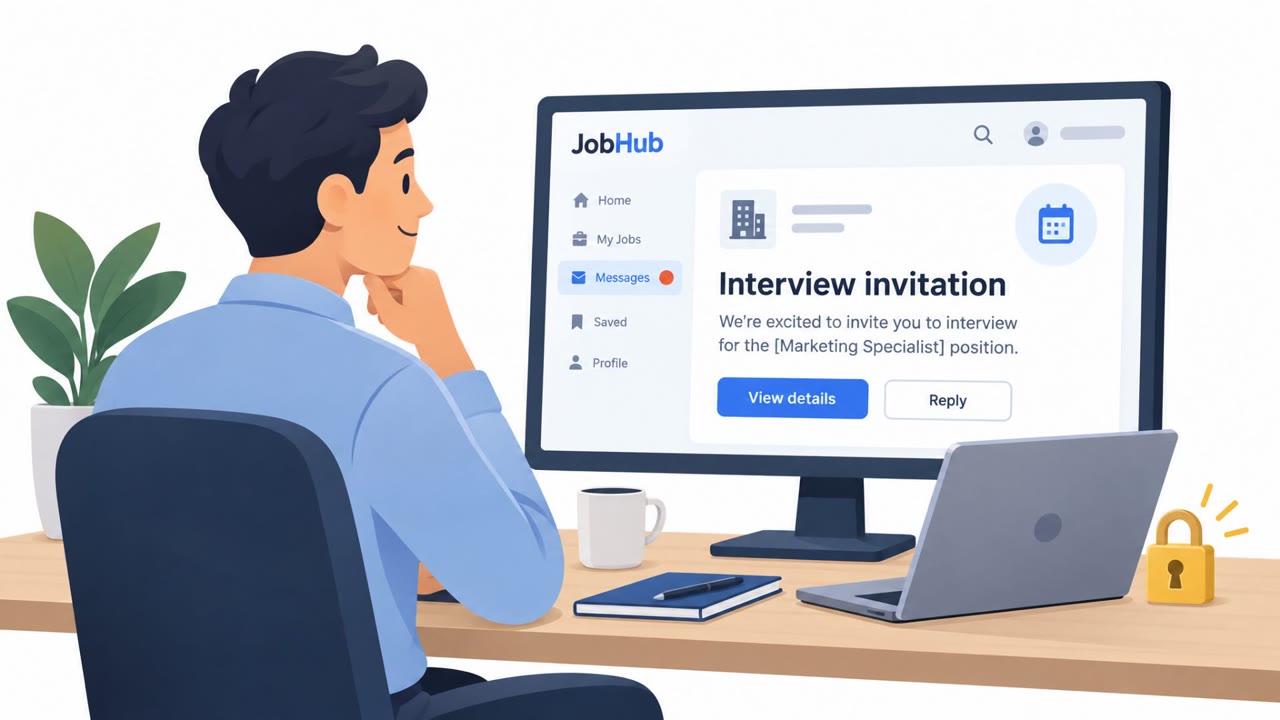
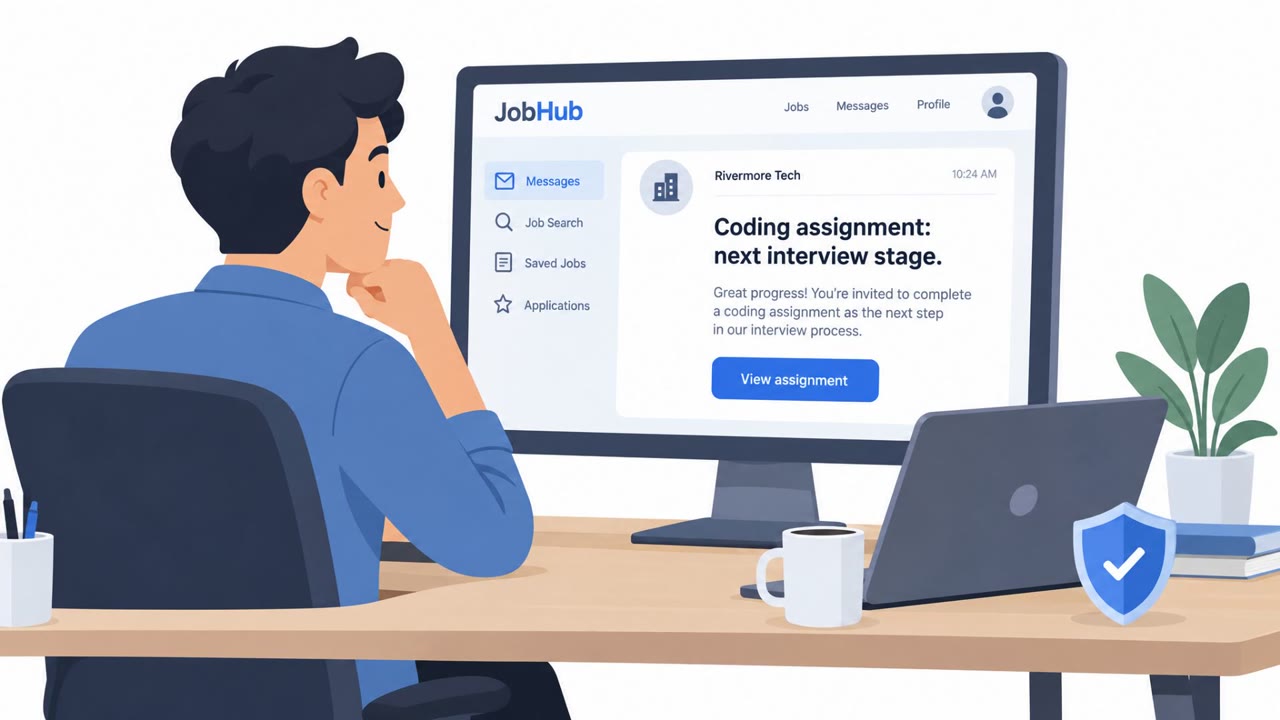
  • A second engineer was drawn into a fake recruitment process and instructed to download a coding assignment that executed malicious code during setup.
  • The attackers later abused an internal AI tool, stole a container deployment token, and used it to access an internal wallet-signing service.
  • Chainalysis linked the activity to smaller North Korea-linked fake interview schemes.

Who’s being targeted

  • Commonly targeted roles: DevOps, Software engineering, Cloud engineering, Wallet infrastructure teams, Security engineering, IT administrators, Employees considering external job opportunities.
  • Affected industries: Cryptocurrency exchange, Financial services, Technology.
  • Impersonated: Recruiter for a prospective employer, Provider of a popular AI tool.

Awareness takeaways

  • Treat job-interview coding tasks as untrusted software. Verify the recruiter and employer independently before downloading or running any assignment.
  • Only install developer and AI tools from approved, verified sources, especially on devices used to access sensitive systems.
  • Limit the access and lifespan of deployment tokens so one compromised employee device cannot lead directly to critical production services.
  • Require extra review for changes involving wallet-signing, payment, or transaction systems, even when the request appears to come from internal tools.

Red flags to watch for

  • An unsolicited recruitment process asks the candidate to run software rather than review source code safely.
  • The assignment requires installation or setup steps that execute code on the employee device.
  • The recruiter or job opportunity cannot be independently verified through known company channels.
  • The installer is not obtained from the AI tool vendor's verified distribution channel.
  • A package installer requests unexpected permissions or behaves unusually after installation.
  • New tools are installed on systems with access to sensitive infrastructure without security review.
Try Mirage

Mirage safely runs attacks like this one against your own team, so you find out what happens before a real adversary does.

Get a demo
Read the video transcript

A fake job interview helped open the door to Binance’s wallet systems. One engineer found a trojanized Homebrew installer while searching for an AI tool. Another got a recruiter’s coding assignment. Its setup ran malicious code. Here’s the trap: setup wasn’t a skills test. The compromise led to a stolen deployment token, wallet-signing access, and transactions outside normal withdrawals. Before running any interview assignment or AI-tool installer, verify its source through a trusted company channel.

Similar attacks

Fake Recruiters Helped Trigger Binance Heist

Fake Recruiters Helped Trigger Binance Heist

Attackers linked to North Korea used a fake recruiting process to trick a Binance engineer into downloading a coding assignment onto a work computer. The malicious assignment gave the attackers a foothold, which they expanded through an internal AI tool and privileged engineering access to carry…

November 5, 2026
Fake Interview Opens Door to Binance Heist

Fake Interview Opens Door to Binance Heist

Attackers linked to North Korea reportedly used a fake recruiting process to trick a Binance software engineer into downloading and running a malicious code repository during a supposed job assessment. The compromise ultimately helped the attackers access Binance’s wallet systems and steal about…

November 4, 2026
Fake Job Interview Opens Door to Binance Heist

Fake Job Interview Opens Door to Binance Heist

North Korean attackers reportedly used a convincing fake recruiting process to persuade a Binance software engineer to download a malware-laced coding assignment onto a work computer. The compromise later gave the attackers access to wallet infrastructure and was used in the reported $6.3 billion…

November 3, 2026
Fake Job Interview Led to Binance Theft

Fake Job Interview Led to Binance Theft

Attackers reportedly used a fake job opportunity to trick a Binance software engineer into running a coding assignment on a work computer. The assignment installed malicious software, helping the attackers move through Binance systems and ultimately steal about $6.3 billion in cryptocurrency. The…

November 5, 2026
Fake Job Interview Leads to Binance Heist

Fake Job Interview Leads to Binance Heist

Attackers reportedly used a fake recruiting process to target Binance software engineers over several months. They built trust through a legitimate job platform and a fake HR interview, then persuaded an engineer to download a malicious coding assignment onto a work computer. That access was later…

November 4, 2026
Fake Job Interview Opens Binance to $6.43B Theft

Fake Job Interview Opens Binance to $6.43B Theft

Binance says attackers used a fake recruitment process to trick an engineer into downloading a malicious coding assignment onto a work computer. The attackers also used a tampered developer-tool installer and later abused internal access to carry out unauthorized wallet transactions, resulting in…

November 3, 2026