Fake Job Interview Led to Binance Theft

Hacker Noon Cybersecurity · High sophistication
Last updated November 5, 2026

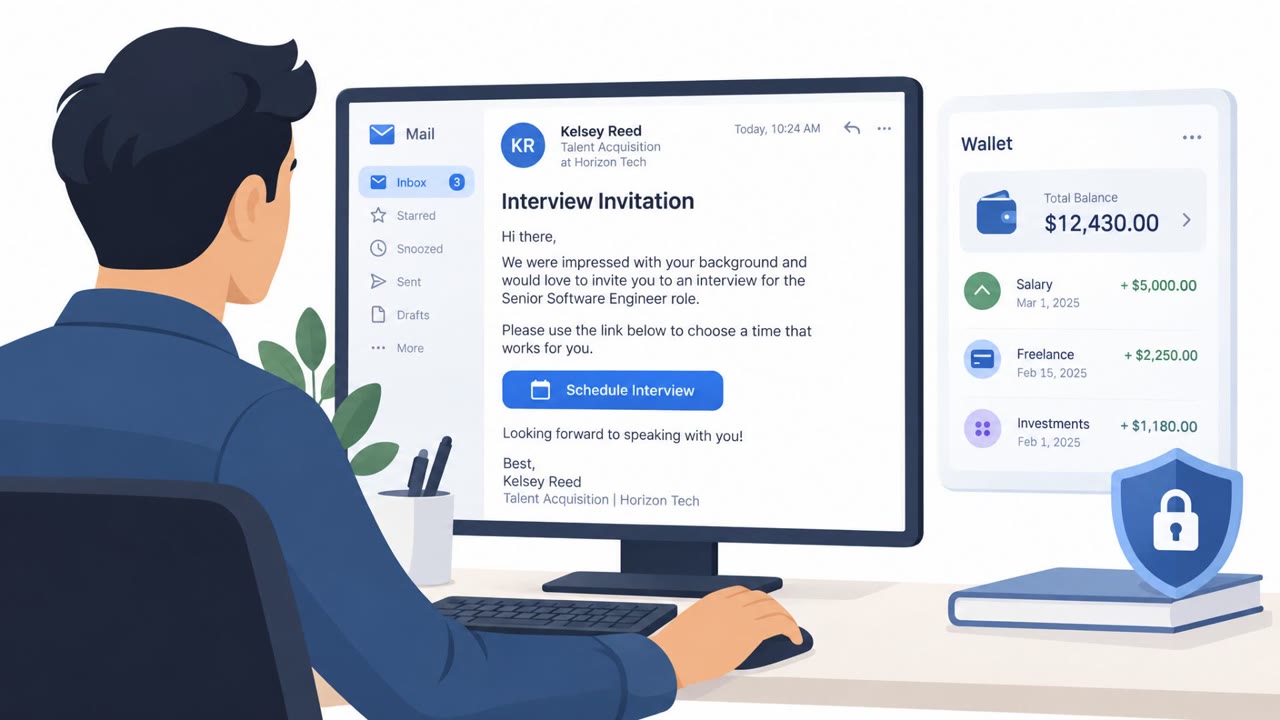
Attackers reportedly used a fake job opportunity to trick a Binance software engineer into running a coding assignment on a work computer. The assignment installed malicious software, helping the attackers move through Binance systems and ultimately steal about $6.3 billion in cryptocurrency. The case shows that realistic recruiting approaches can be a route into highly sensitive production environments.

Key findings

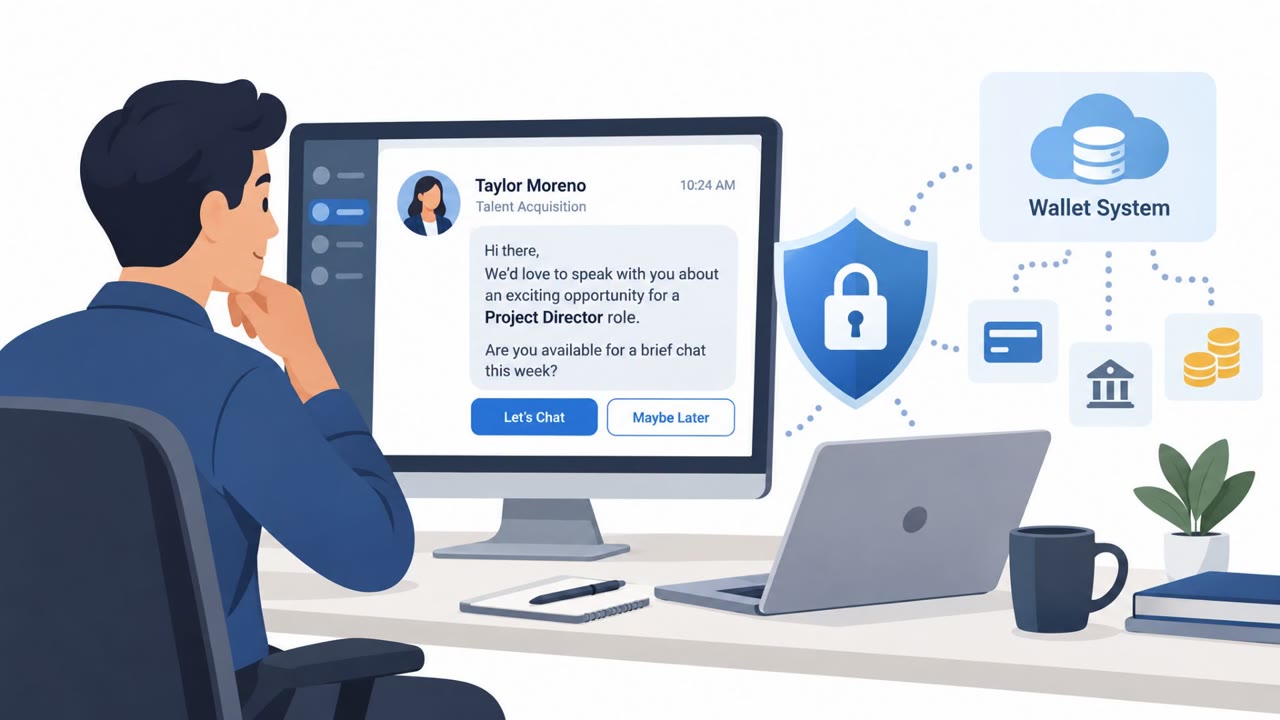
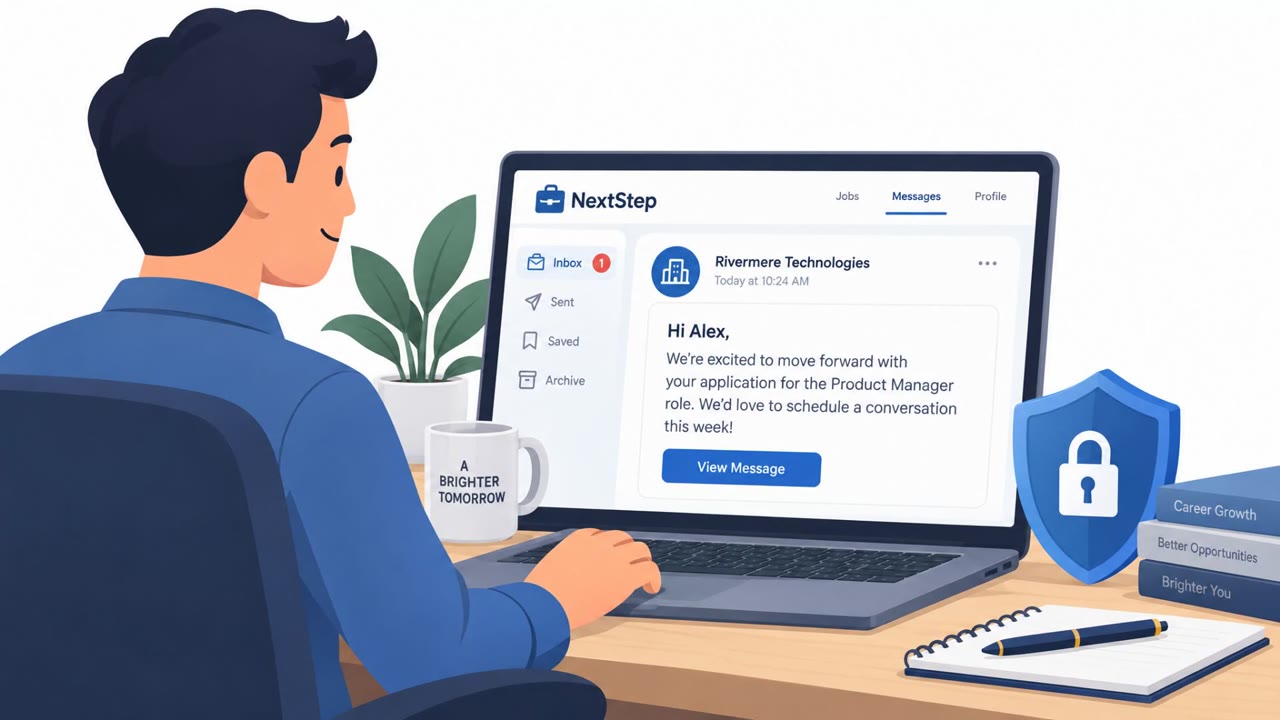
  • A Binance software engineer was contacted through a legitimate job-hunting site after the attacker identified Binance wallet-team personnel.
  • The attacker built credibility through a live video interview with an apparent HR representative and a social-media profile containing personal photos and videos.
  • A supposed CEO then used a popular chat application to deliver a short coding assignment to the engineer.
  • The assignment ran malicious code during setup, replaced the legitimate pyenv tool with a doctored copy, and connected to an attacker-controlled server.
  • The attackers later used the compromised device and an internal AI tool to gain access to two additional engineers' computers.
  • A stolen token that could deploy containers and compromised credentials were used to access Binance's internal wallet-signing service.
  • Binance says it detected and blocked 57 suspected state-sponsored attempts in 2026 involving fake job interviews, booby-trapped developer tools, poisoned browser extensions, and fake video-call applications.

Who’s being targeted

  • Commonly targeted roles: Software Engineers, DevOps Engineers, Cloud and Infrastructure Engineers, Blockchain and Wallet Engineers, Developers with production access, Security Teams, Recruiting and HR Teams.
  • Affected industries: Cryptocurrency exchanges, Financial services, Blockchain and digital-asset custody, Technology and software development.
  • Attack channels: website, vishing.
  • Impersonated: A project director, HR representative, and CEO of a fictitious company., A legitimate AI coding tool or its installation source..

Awareness takeaways

  • Do not download or run job-interview assignments on a work device, especially if the assignment requires installing tools or executing setup scripts.
  • Treat a polished recruiter profile, video interview, and social-media presence as identity claims to verify, not proof that a recruiter or company is legitimate.
  • Security teams should explicitly include employee job hunting in threat models and provide a safe, isolated process for evaluating recruiting tests.
  • Employees with production, wallet, infrastructure, or deployment access need heightened safeguards because a single compromised endpoint can enable broader access.

Red flags to watch for

  • The company represented by the supposed CEO did not exist.
  • The assessment required downloading and running software rather than submitting code through a trusted platform.
  • The recruiting contact escalated from a job-hunting site to a chat application before delivering executable content.
  • The installation source was tampered with.
  • A common developer tool was used as a trusted-looking delivery mechanism.
  • Unexpected anomalies after installation can indicate a compromised development environment.
Try Mirage

Mirage safely runs attacks like this one against your own team, so you find out what happens before a real adversary does.

Get a demo
Read the video transcript

A Binance engineer got a job pitch on a legitimate job-hunting site. A live HR interview and photo-filled profile made it feel real. Then a supposed CEO sent a coding assignment through chat. The company didn't exist. The engineer ran it on a work computer. Setup swapped in a doctored pyenv and phoned home. That foothold helped reach Binance's wallet-signing service. A convincing interview isn't a safe download. Keep recruiting assignments off your work device.

Similar attacks

Fake Interview Opens Door to Binance Heist

Fake Interview Opens Door to Binance Heist

Attackers linked to North Korea reportedly used a fake recruiting process to trick a Binance software engineer into downloading and running a malicious code repository during a supposed job assessment. The compromise ultimately helped the attackers access Binance’s wallet systems and steal about…

November 4, 2026

Fake Job Interview Opens Door to $6.3B Heist

Fake Job Interview Opens Door to $6.3B Heist

Binance says attackers linked by U.S. agencies to North Korea used fake recruitment interviews to trick a software engineer into downloading a malicious coding assignment. The compromise spread from one employee device to other systems and ultimately enabled unauthorized cryptocurrency transfers…

November 3, 2026
Fake Job Interview Led to Binance Crypto Heist

Fake Job Interview Led to Binance Crypto Heist

Binance says North Korean-linked attackers used a fake recruiting process to trick an engineer into downloading a malicious coding assignment. The attackers then spent weeks moving through internal systems before abusing a wallet-signing service to move funds outside normal withdrawal controls.…

November 3, 2026
Fake Job Interviews Fueled Binance’s $6.4B Theft

Fake Job Interviews Fueled Binance’s $6.4B Theft

Attackers reportedly spent months targeting Binance engineers, using a tampered software installer and fake job interviews with a malicious technical assignment. After gaining access through employee devices and credentials, they abused internal systems to authorize transfers from Binance hot…

November 4, 2026
Fake Job Interview Opened Binance Heist Path

Fake Job Interview Opened Binance Heist Path

Binance says a North Korea-linked group spent months compromising wallet engineers before stealing $6.34 billion in cryptocurrency. One engineer was drawn into a fake recruiting process, built trust with a supposed HR representative and CEO, then downloaded a malicious coding assignment onto a work…

November 4, 2026
Fake Job Interview Opens Door to Binance Heist

Fake Job Interview Opens Door to Binance Heist

North Korean attackers reportedly used a convincing fake recruiting process to persuade a Binance software engineer to download a malware-laced coding assignment onto a work computer. The compromise later gave the attackers access to wallet infrastructure and was used in the reported $6.3 billion…

November 3, 2026