CloudSEK linked 4,660 domains to a fake-shopping platform that copied retailer branding, including Aldi and Lidl, to lure Black Friday shoppers. In a controlled checkout test, the sites collected contact details before payment information was entered, creating a risk of later delivery, refund, or payment-verification phishing.
How the attack worked
Researchers at CloudSEK linked 4,660 domains to a single fake shopping platform operating ahead of Black Friday. The storefronts impersonated well known retailers including Aldi and Lidl, with pages aimed at shoppers in the US, the UK, and other markets. One storefront template appeared under 75 different domains, letting the operators keep the same look and feel while swapping web addresses whenever one got flagged or taken down.
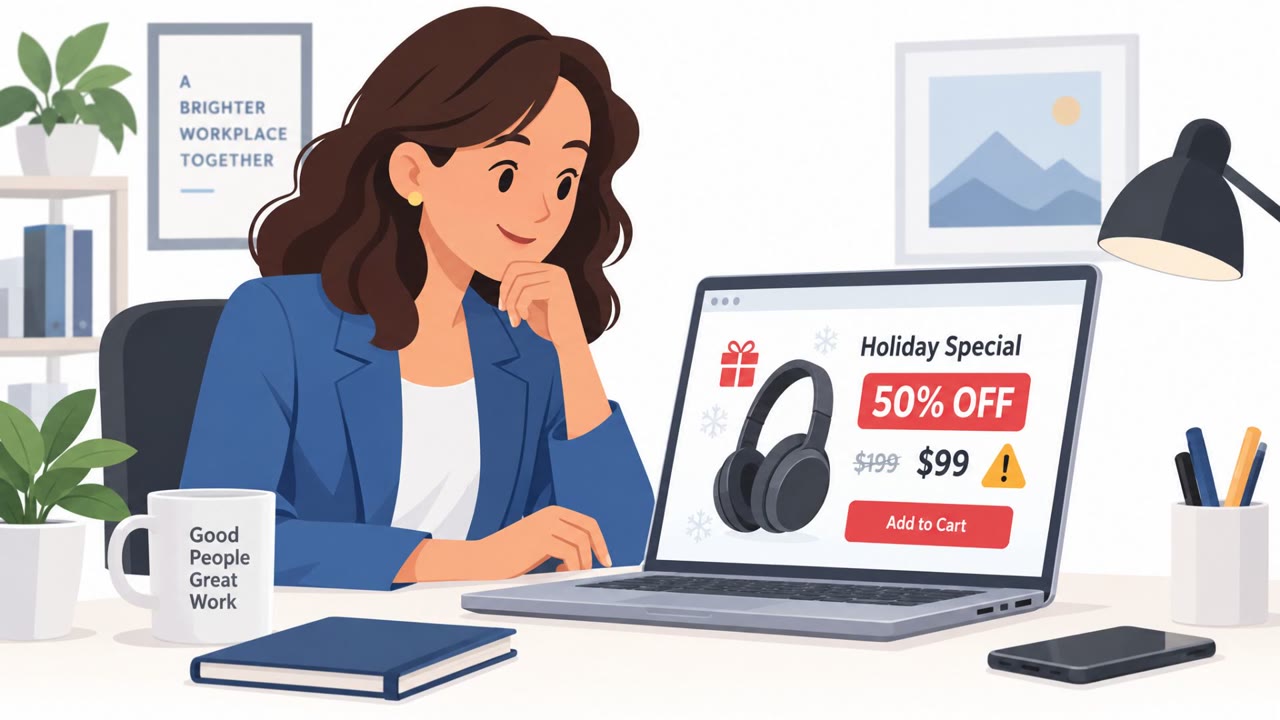
Shoppers were drawn in through heavily discounted Black Friday offers advertised on a fake online store copying familiar retailer branding. The call to action asked for name, email address, delivery address, and payment details to complete an order, following the same flow as a legitimate checkout.
Why it succeeded
The storefronts relied on copied product images and branding that made the pages look familiar without actually proving who ran them. An HTTPS padlock added a false sense of security, since encryption protects the connection but says nothing about the seller's legitimacy. Because the storefront template could be redeployed across dozens of domains, shoppers checking a web address against a blocklist or a single bad review would not catch every version.
What to watch for
Key red flags identified in the research include:
- The offer cannot be found by visiting the retailer's known website or official app independently.
- The site uses a familiar logo but an unrecognized web address.
- The seller, exact product model, or price does not match the retailer's official listing.
In a controlled checkout test, researchers used dummy information and found that contact details were transmitted before any payment was attempted. This means abandoning an order at the payment screen may be too late to protect information already submitted, and shoppers should be alert for follow-up phishing about deliveries, refunds, or payment verification.
How to build resistance
Organizations and individuals can reduce exposure by building a few habits:
- Verify any advertised deal by opening the retailer's known website or official app directly, rather than clicking through an ad or unfamiliar link.
- Treat a familiar logo or HTTPS padlock as insufficient proof of legitimacy on its own.
- Assume that any contact details entered into a suspicious checkout could be reused for later delivery, refund, or payment-verification scams.
- If card details were entered, call the issuer using the number on the card or its official app rather than any contact information supplied by the site.
This pattern of brand impersonation and credential and data theft is tracked under techniques such as T1656, T1566.002, and T1204.001, and it affects retail, e-commerce, and general consumer shopping audiences, including employees who shop online during work hours.
Key findings
- CloudSEK linked 4,660 domains to a fake-shopping platform operating ahead of Black Friday.
- The storefronts impersonated retailers including Aldi and Lidl and targeted shoppers in the US, UK, and other markets.
- One storefront appeared under 75 different domains, allowing attackers to retain the same look while changing web addresses.
- In a controlled checkout test, contact details were transmitted before the researchers attempted payment.
- Contact details submitted to a fake checkout may be used for follow-up delivery, refund, or payment-verification phishing.
Who’s being targeted
- Commonly targeted roles: All employees, Online shoppers, Finance and procurement staff, Customer service staff.
- Affected industries: Retail, E-commerce, Consumer shopping.
- Attack channels: website.
- Impersonated: Aldi or Lidl retail storefront.
Red flags to watch for
- The offer cannot be found by visiting the retailer's known website or official app independently.
- The site uses a familiar logo but an unrecognized web address.
- The seller, exact product model, or price does not match the retailer's official listing.
Frequently asked questions
How many fake Black Friday domains did CloudSEK find?
CloudSEK linked 4,660 domains to a fake shopping platform operating ahead of Black Friday, impersonating retailers including Aldi and Lidl.
What happens if I enter my details but stop before paying?
In a controlled checkout test, contact details were transmitted before payment information was entered, meaning the data can already be collected even if you abandon the order at the payment screen.
How can I tell a fake storefront from a real retailer's site?
Verify a deal by opening the retailer's known website or official app yourself instead of clicking an ad, since a familiar logo and HTTPS padlock do not prove a seller is legitimate.
What should I do if I already submitted payment details?
Call the card issuer using the number on your card or its official app, even if no charge has posted, and avoid using contact details supplied by the suspect site.
Read the video transcript
An Aldi Black Friday deal looks incredible. But is it Aldi? CloudSEK linked 4,660 domains to fake stores copying retailers like Aldi and Lidl. One storefront appeared under 75 different addresses. Here's the catch: in a test checkout, contact details went through before payment. Leave at the card screen, and your address may already be gone. The logo isn't proof. Open Aldi's or Lidl's official app yourself and find the deal there.