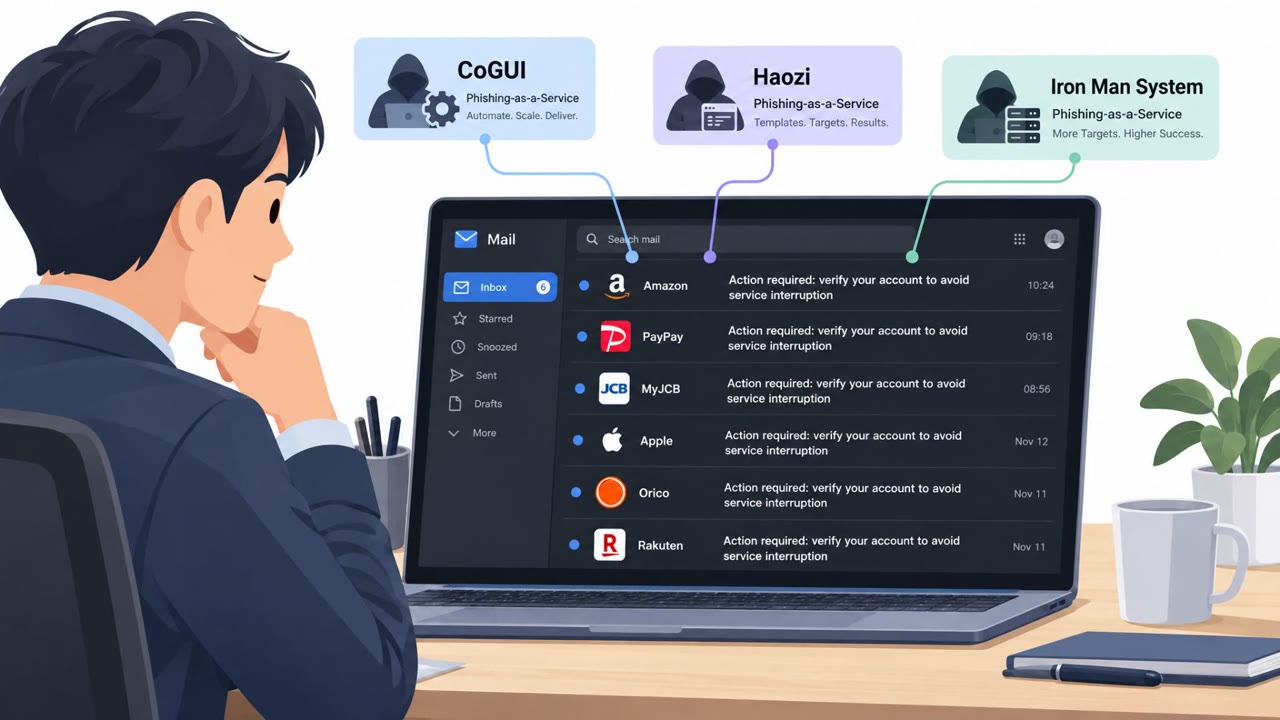
McAfee research found that holiday shoppers are being lured to lookalike websites with popular gifts, unusually low prices, gift cards, prizes and limited-time deals. Criminals commonly impersonate trusted retailers such as Amazon and Temu to push victims to click links, share personal information or make payments.
How the scam plays out
Holiday shopping scams typically start with an offer that looks too good to pass up: a popular or hard-to-find gift at an unusually low price, a gift card, a prize, or a limited-time deal. Scammers build lookalike websites that resemble familiar retailers, then drive traffic to them through phishing messages. Shoppers who click through are asked to make a purchase, share personal information, or both.
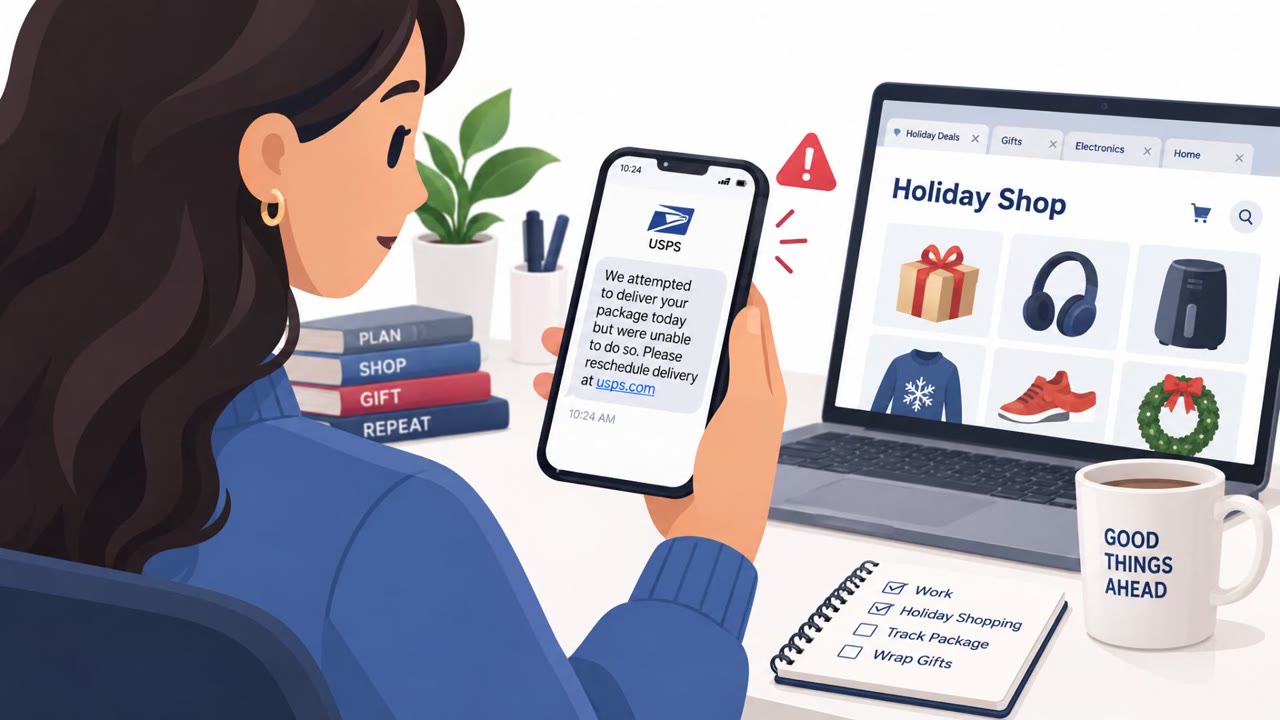
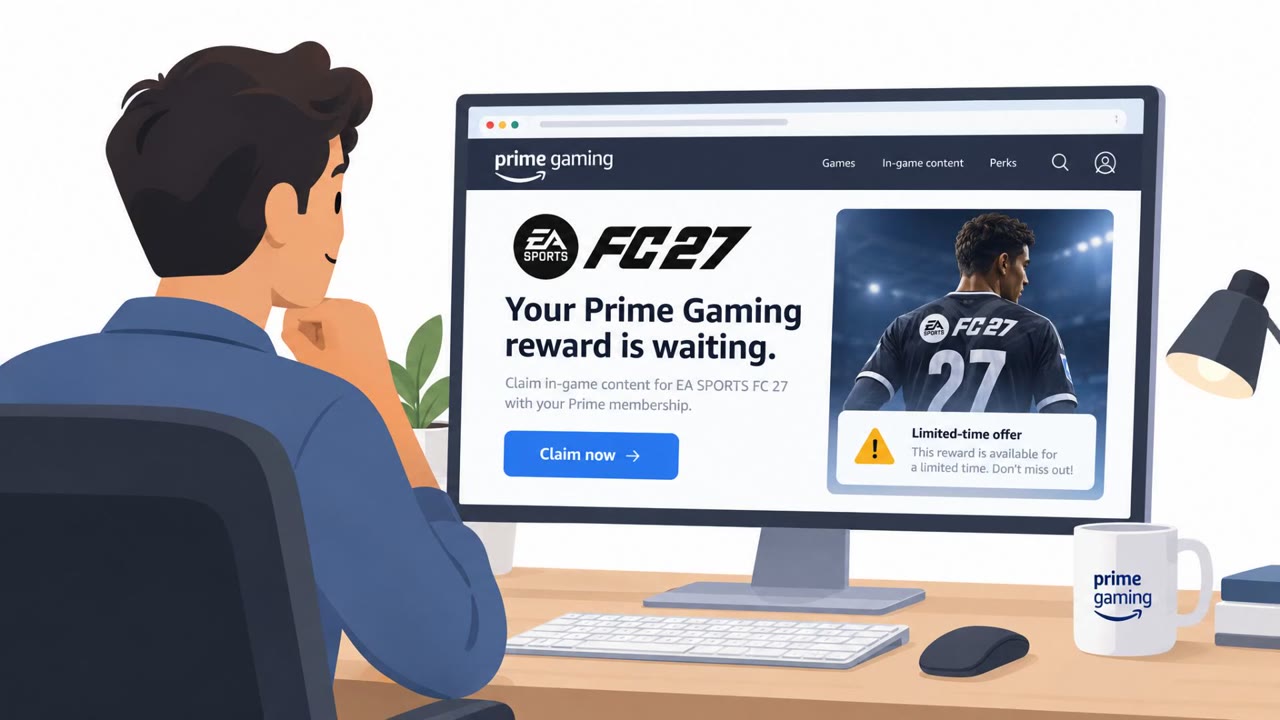
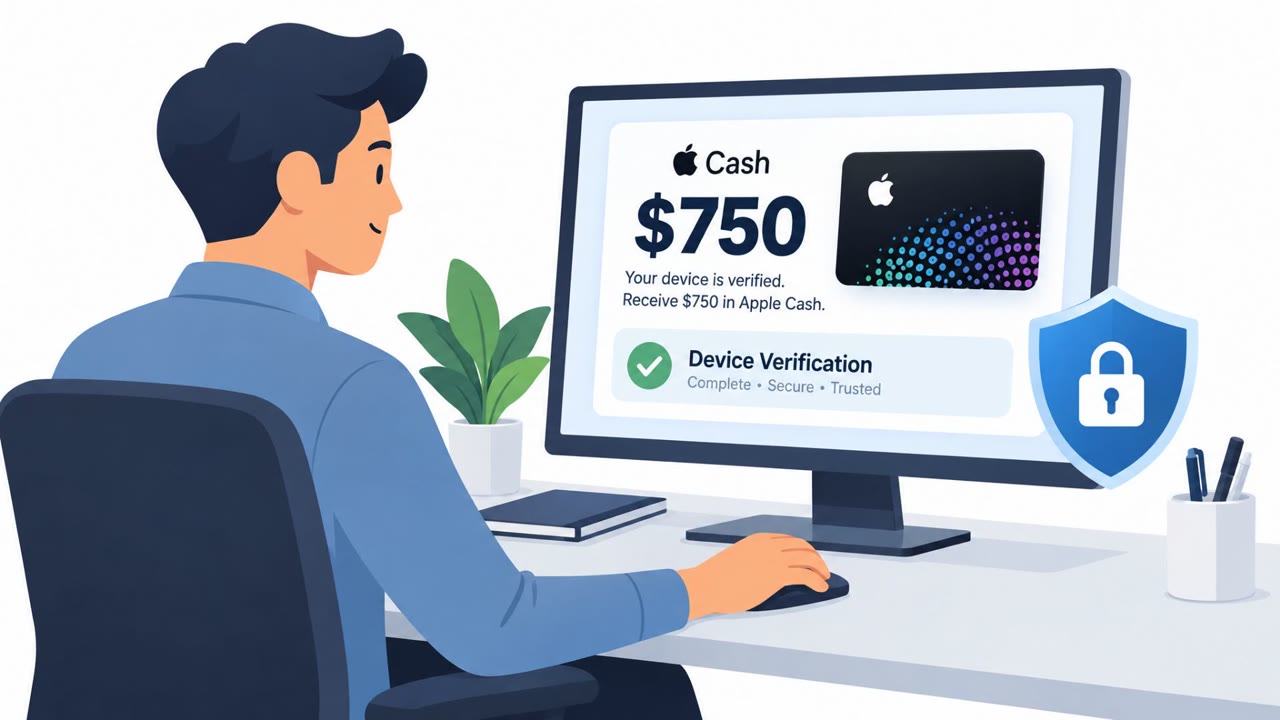
According to McAfee research, shoppers most often recalled seeing Amazon and Temu impersonated in these fake holiday deals. Other message types that commonly triggered engagement included gift card and prize offers, package-delivery problem alerts, and limited-time deal notices.
Why it succeeds
The scam works because it exploits urgency and desire at the same time. Shoppers are looking for deals on popular gifts, and a scarcity message (limited-time, hard-to-find item) short-circuits the instinct to verify. Research found that some shoppers said they had ignored a scam warning sign specifically to avoid missing out on a deal, and the most commonly overlooked warning sign was an unusually low price.
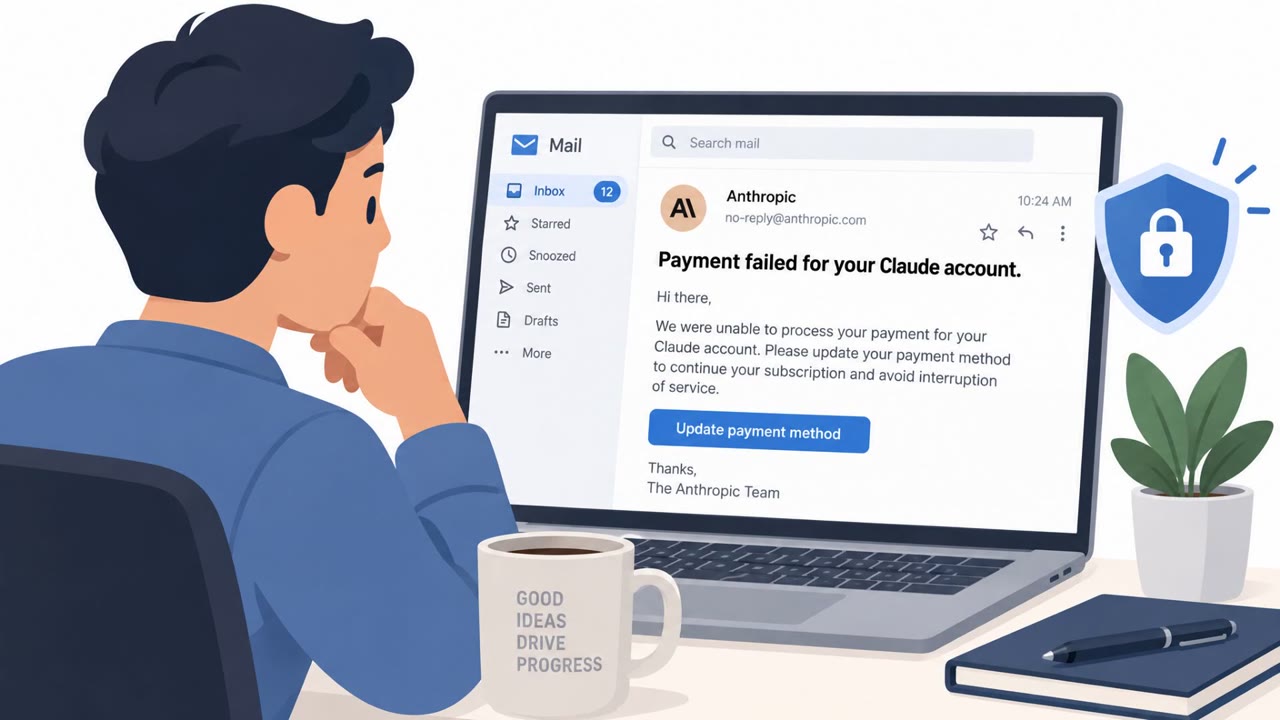
A second factor is trust transfer. When a site or message resembles a familiar brand, or shows positive customer reviews, people extend trust from the real brand to the fake one without checking the underlying web address. This is consistent with phishing more broadly: attackers impersonate trusted businesses to get victims to click links, share personal information, or make payments.
What to watch for
- An unusually low price on a popular or hard-to-find item
- A retailer name or website that only resembles a known brand
- Unexpected gift card or prize offers
- Messages about package delivery problems
- Pressure created by a limited-time deal
- Sites with few or no trustworthy reviews
Building resistance
The most effective defense is to slow down before acting on urgency. Shoppers should independently verify a retailer rather than trusting resemblance to a familiar brand or the presence of reviews on the site itself. Rather than clicking links in gift card, prize, delivery, or discount messages, go directly to the retailer through its known app or by typing the web address manually.
It is also worth treating a steep discount as a prompt to pause, not proceed. Finally, avoid handing over personal information just to unlock a discount or promotional offer. These habits map directly to the techniques observed here: phishing via service, link clicking, and malicious links, all of which rely on a moment of unchecked trust to succeed.
Key findings
- Forty-two percent of surveyed Americans said they had fallen for a holiday shopping scam, compared with 22% in 2025.
- Scammers used popular and hard-to-find gifts to lead shoppers to lookalike websites.
- Amazon and Temu were the brands respondents most often recalled seeing impersonated in fake holiday deals.
- Gift card and prize offers were the most commonly reported suspicious messages, followed by package-delivery problems and limited-time deals.
- Victims reported losing money, with 60% of those who lost money reporting losses of $100 or more.
Who’s being targeted
- Commonly targeted roles: All employees, Finance and procurement staff, Customer service and retail staff, Employees who use work devices for online shopping.
- Affected industries: Retail and e-commerce, Consumer goods, Gift cards and entertainment, Luxury goods and collectibles.
- Attack channels: website, email.
- Impersonated: A familiar online retailer or gift brand, Amazon, Temu, or another trusted retailer.
Red flags to watch for
- The price is unusually low.
- The retailer is unfamiliar or only resembles a known brand.
- The site has few or no trustworthy reviews.
- An unexpected gift card or prize offer.
- Pressure created by a limited-time deal.
- A message that claims to be from a trusted retailer but directs the recipient to an unfamiliar link.
Frequently asked questions
How common are holiday shopping scams?
According to McAfee research, 42% of surveyed Americans said they had fallen for a holiday shopping scam, up from 22% in 2025.
Which brands do scammers impersonate most during the holidays?
Respondents most often recalled seeing Amazon and Temu impersonated in fake holiday deals, though several other retail and lifestyle brands were also named.
What warning signs do shoppers tend to ignore?
An unusually low price was the warning sign shoppers said they overlooked most often, especially when trying not to miss out on a deal.
How much money do victims typically lose?
Among victims who lost money, 60% reported losses of $100 or more.
Read the video transcript
That hard-to-find gift is suddenly half price? Pause. A message says, ‘Holiday gift card, claim your limited-time deal.’ It looks like Amazon or Temu, but the link opens a lookalike store asking for payment or personal details. Here’s the giveaway: the logo looks familiar; the web address doesn’t. A bargain price and a countdown can make that mismatch easy to miss. Before you buy or claim anything, open the retailer’s known app yourself and check the offer there.