Fake GTA 6 Early-Access Sites Target Gamers

Infosecurity Magazine · Low sophistication
Last updated November 17, 2026

Scammers have registered fake websites claiming to offer early access to GTA 6 in exchange for cryptocurrency payments. The UK Information Commissioner’s Office also warns that GTA 6-themed messages may try to steal passwords and personal information from excited fans.

Key findings

  • Scammers registered fake GTA 6 websites that falsely offered early access in return for cryptocurrency payments.
  • The ICO warned that GTA 6-themed phishing messages could steal passwords used for gaming and other online accounts.
  • Messages may promise free downloads, exclusive content, or early access to entice victims to click links or share personal information.
  • Reusing passwords can allow a compromise of one gaming account to expose other accounts, including email and financial services.

Who’s being targeted

  • Commonly targeted roles: Gamers, All employees, Employees who reuse passwords across personal and work accounts, Employees with access to financial or personal information.
  • Affected industries: Video game publishing, Online gaming, Consumer financial services, Cryptocurrency services.
  • Attack channels: website, email.
  • Impersonated: An unofficial website falsely presenting itself as a GTA 6 early-access provider., A GTA 6 or Rockstar Games-related sender..

Awareness takeaways

  • Treat unsolicited GTA 6 offers, especially early-access or free-download claims, as suspicious until verified through an official source.
  • Use a different, strong password for every account so that a stolen gaming password cannot unlock email, financial, or work-related services.
  • Turn on two-step verification for gaming and other important accounts.
  • Before entering information or making a payment, verify that the website is legitimate and understand who is collecting the data.

Red flags to watch for

  • The offer promises early access before the official release.
  • Payment is requested in cryptocurrency.
  • The site is not verified as a legitimate Rockstar Games website.
  • The message is unsolicited.
  • It promises free downloads, exclusive content, or early access.
  • It asks the recipient to click a link or share personal information.
Try Mirage

Mirage safely runs attacks like this one against your own team, so you find out what happens before a real adversary does.

Get a demo
Read the video transcript

“Get early access to GTA 6 now, secure your copy with crypto.” Tempting? Scammers have registered fake GTA 6 sites. They promise access before release, then ask for cryptocurrency. An unsolicited email might offer a free download or exclusive content instead. The giveaway: early access before release, paid in crypto, on a site you can't verify as Rockstar Games. And a stolen gaming password could unlock other accounts if you reuse it. Don't use the offer's link. Open Rockstar Games' official website yourself and check whether the offer exists there.

Similar attacks

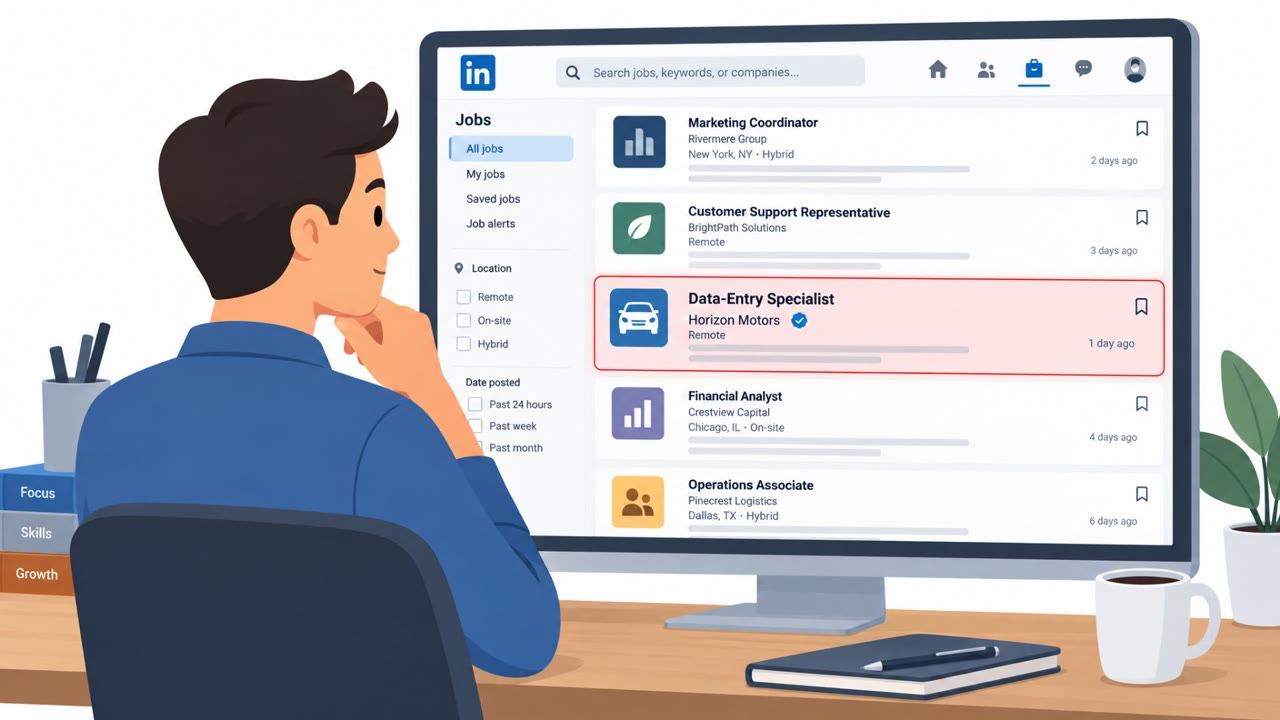
60,000 Fake LinkedIn Jobs Used to Scam Applicants

60,000 Fake LinkedIn Jobs Used to Scam Applicants

Scammers are using realistic LinkedIn recruiter profiles and even verified company pages to post fake jobs that push people to off-platform sites or email addresses. The scams aim to take money (e.g., paid “resume help”) or collect sensitive personal data like driver’s licenses or Social Security…

September 23, 2026
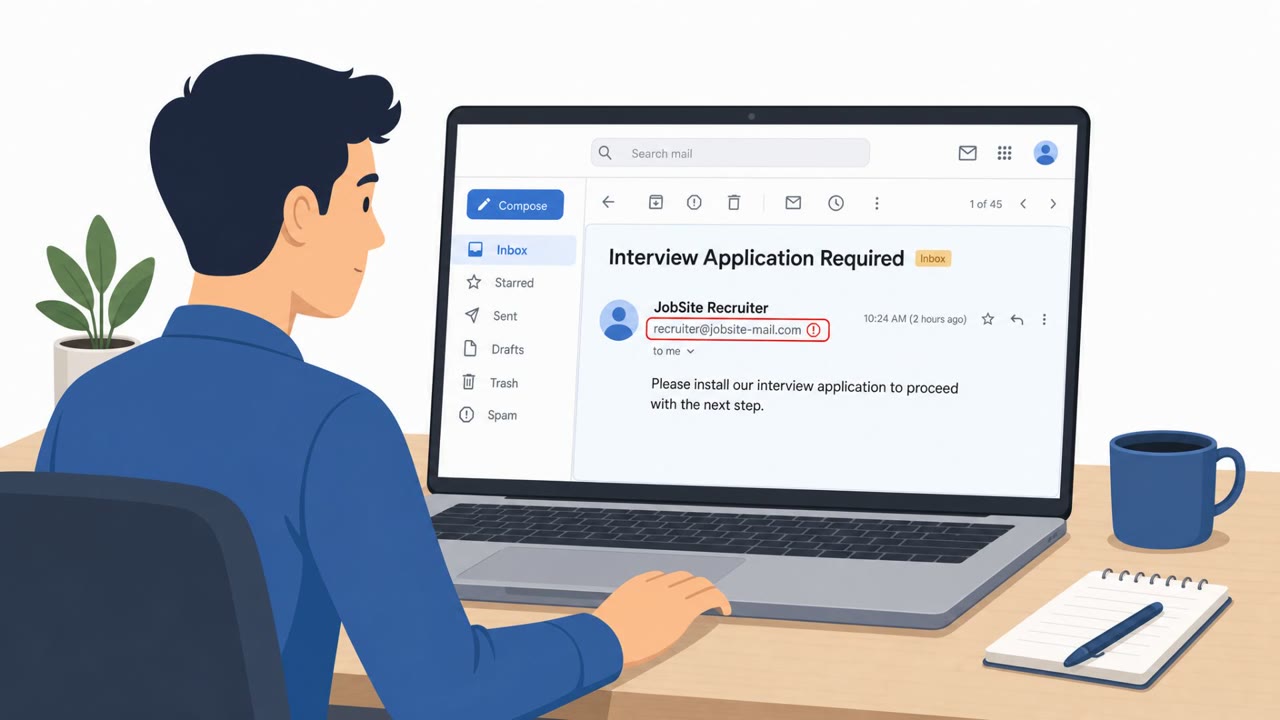
Recruiter, RMM, and Vishing Scams Hit Hard

Recruiter, RMM, and Vishing Scams Hit Hard

This weekly roundup includes multiple real-world social-engineering and phishing-style operations, including fake recruiter outreach pushing malicious Android apps, phishing emails that trick users into installing remote management tools, and vishing that reportedly led to compromised Okta…

September 4, 2026
Levi’s Breach Started With IT Helpdesk Impersonation

Levi’s Breach Started With IT Helpdesk Impersonation

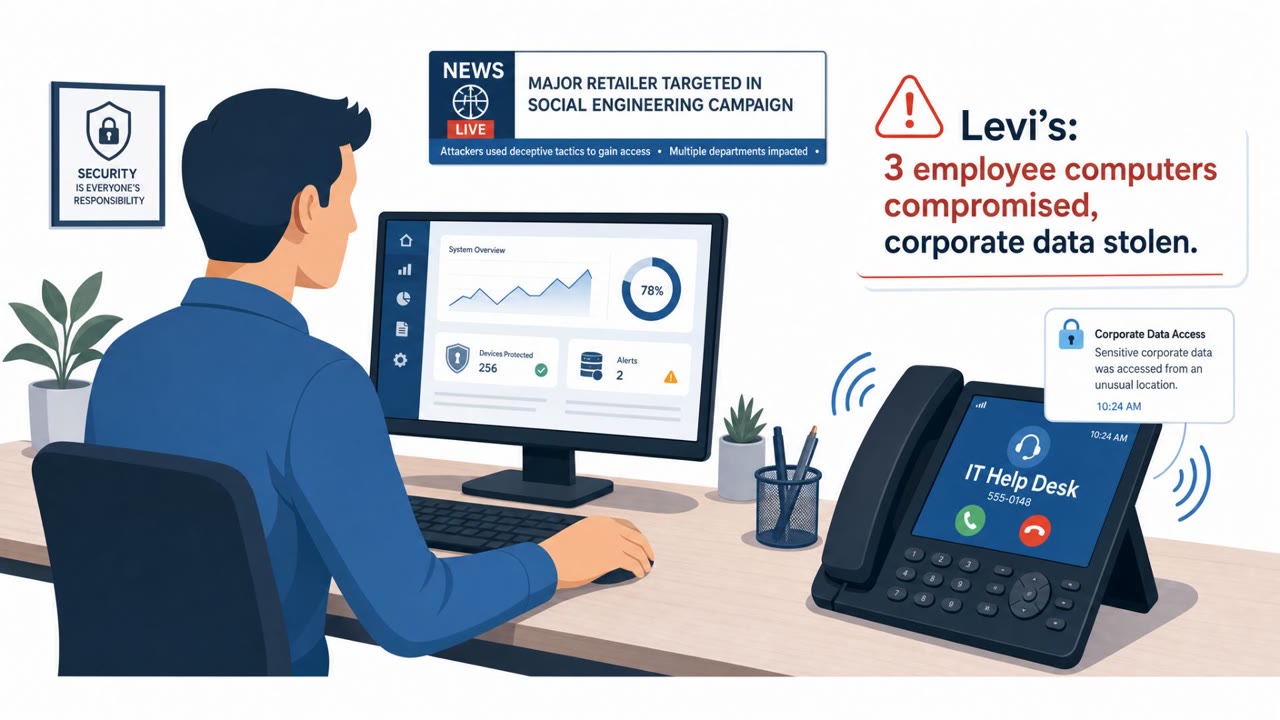
Levi Strauss reported that an unauthorized party used social-engineering to compromise three employees’ company-issued computers and steal corporate data. Reporting tied the incident to a wider campaign where attackers impersonated IT help desks using spoofed phone numbers and fraudulent websites…

August 10, 2026
Wall Street Hit by Helpdesk Impersonation Calls

Wall Street Hit by Helpdesk Impersonation Calls

A phone-first extortion campaign targeted dozens of major U.S. financial firms by calling employees and posing as corporate help-desk staff. Victims were pushed to “update” passkeys/MFA and sent to fake login pages; attackers captured passwords and MFA codes in real time to take over accounts and…

August 7, 2026
Fake IT Helpdesk Calls Steal MFA at Finance Firms

Fake IT Helpdesk Calls Steal MFA at Finance Firms

A criminal group tracked as UNC6671 called employees while pretending to be their company IT helpdesk, creating urgency around “mandatory” security changes. Victims were directed to lookalike login pages to “enable passkeys” or “update MFA,” allowing attackers to steal passwords and capture…

August 7, 2026
Fake IT Helpdesk Calls Hit Wall Street Firms

Fake IT Helpdesk Calls Hit Wall Street Firms

A ransom-focused hacking group targeted major U.S. financial and other firms by calling employees on their personal phones while impersonating the company help desk. Victims were pushed to “update passkeys or multifactor authentication” and sent to look‑alike websites designed to steal passwords…

August 6, 2026