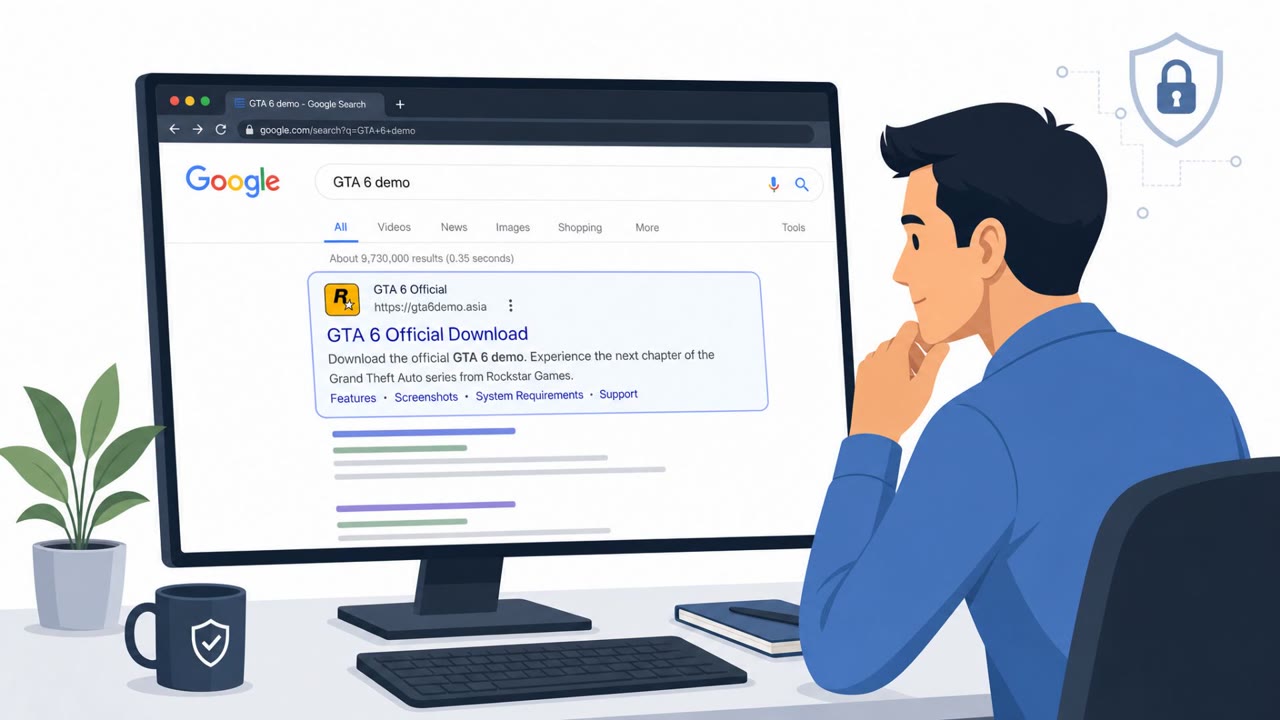
Attackers used a popular Discord modding server to distribute a fake GTA 6 PC build disguised as a downloadable executable. The file reportedly steals browser passwords, cryptocurrency wallet data and seed phrases, messaging sessions, screenshots, and gaming and VPN credentials after a victim downloads it.
How the attack worked
Attackers used a Discord modding community called g6mods to distribute a file named G6M_FINAL.exe, framed as an unofficial, early PC build of GTA 6. Since the game is currently only available on Xbox and PlayStation, the promise of an early PC port created strong appeal among fans eager to play on their own hardware. Once downloaded and run, the malware reportedly began harvesting browser passwords and cookies, cryptocurrency wallet details and seed phrases, Telegram sessions, screenshots, and Steam and VPN credentials.
Why it succeeded
The pretext relied on a combination of hype and community trust. Gaming communities on Discord often share mods, patches, and unofficial tools, so an executable posted in a dedicated modding server did not look out of place. The sender reinforced this trust by inviting users to scan or sandbox the file themselves before running it, a statement that sounds cautious but does nothing to verify the file's true origin or intent. According to reports, the malware could also bypass some security scans, undermining the very safety check the sender suggested.
What to watch for
- Unofficial executable files offered through chat platforms that promise early access, mods, or ports of games not officially available on that platform.
- Messages that encourage you to scan or sandbox a file as proof of safety, rather than verifying it came from an official publisher or developer channel.
- Downloads tied to high-demand releases, where urgency and fan excitement can override normal caution.
- Any request or opportunity to run a file that could touch stored browser passwords, cryptocurrency wallets, messaging sessions, or VPN credentials.
How to build resistance
Organizations and individuals can reduce exposure to this type of attack by treating unofficial game builds, mods, and early access files as untrusted by default, regardless of community reassurances. Cryptocurrency wallet users and anyone storing passwords in a browser should consider using hardware wallets or password managers that limit what a single piece of malware can expose. Remote workers using VPNs and gaming platform credentials should be aware that stolen session data and credentials from tools like Steam or Telegram can have consequences beyond the original platform. Awareness training should reinforce that a sender's offer to let you scan or sandbox a file is not a substitute for verifying the source through an official publisher or developer channel, and that claims of early access to a popular, console-exclusive game are a common lure for credential and wallet theft.
Key findings
- A file named “G6M_FINAL.exe” was posted in the Discord server “g6mods” as a purported GTA 6 PC build.
- The sender built trust by encouraging people to scan or sandbox the file before using it.
- Users reported that the malware may bypass some security scans.
- Reported data theft includes browser passwords and cookies, crypto wallet details and seed phrases, Telegram sessions, screenshots, Steam credentials, and VPN credentials.
- Similar GTA 6-themed crypto-stealing malware was reportedly circulating beyond the g6mods server.
Who’s being targeted
- Commonly targeted roles: Employees who use Discord or gaming communities, Cryptocurrency wallet users, Staff who store passwords in browsers, Remote workers using VPNs, Gamers and software enthusiasts.
- Affected industries: Video gaming, Cryptocurrency and digital assets, Consumer technology.
- Attack channels: discord.
- Impersonated: GTA 6 modder or unofficial PC-port developer.
Red flags to watch for
- The offer is for an unofficial PC build of a game described as currently available only on Xbox and PlayStation.
- The download is an executable file from a Discord community rather than an official publisher channel.
- The sender encourages scanning or sandboxing the file, a trust-building statement that should not replace source verification.
Frequently asked questions
How did attackers distribute the fake GTA 6 PC build?
They posted a file named G6M_FINAL.exe in a Discord server called g6mods, presenting it as an unofficial, early PC build of GTA 6, a game currently only available on Xbox and PlayStation.
What data did the malware steal?
Reported data theft includes browser passwords and cookies, cryptocurrency wallet details and seed phrases, Telegram sessions, screenshots, and Steam and VPN credentials.
Did scanning or sandboxing the file protect victims?
No. The sender encouraged users to scan or sandbox the file to build trust, but users reported that the malware may bypass some security scans.
Was this limited to one Discord server?
Similar GTA 6 themed crypto stealing malware was reportedly circulating beyond the g6mods server.
Read the video transcript
GTA 6 on PC? A Discord download says yes. In g6mods, someone shared G6M_FINAL.exe and said, ‘Feel free to scan it or test it in a sandbox.’ That safety pitch is the trick: some scans may miss it. Run it, and it reportedly grabs browser passwords, crypto seed phrases, Telegram sessions, and Steam and VPN logins. A Discord executable isn’t an official PC release. See G6M_FINAL.exe in Discord? Don’t download or run it.