Fake Interviews Opened Door to Binance Heist

IT Pro Security · High sophistication
Last updated November 5, 2026

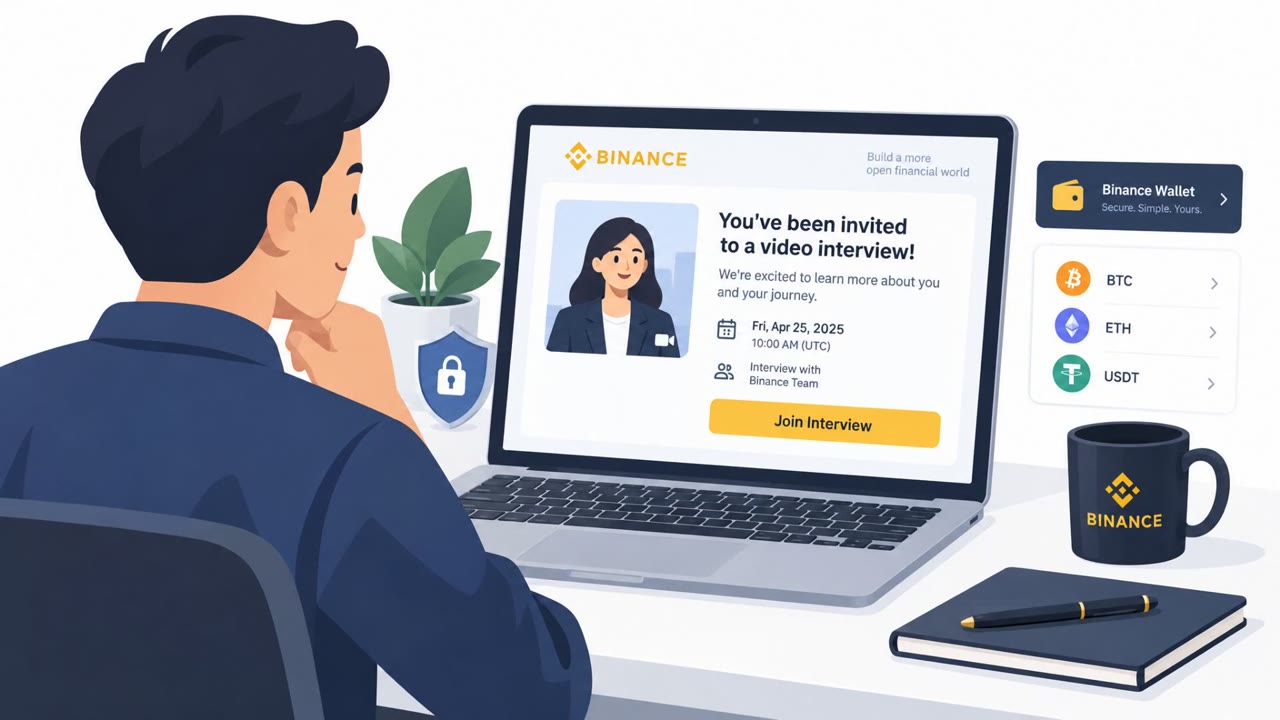
Attackers linked to North Korea reportedly used fake recruitment interviews to trick Binance engineers into downloading malicious software. They then used a compromised engineer laptop and access to an internal AI tool to take over employee wallets and steal $6.3 billion in cryptocurrency.

Key findings

  • The FBI attributed the attack to North Korea, following reports that linked it to the state-sponsored TraderTraitor group.
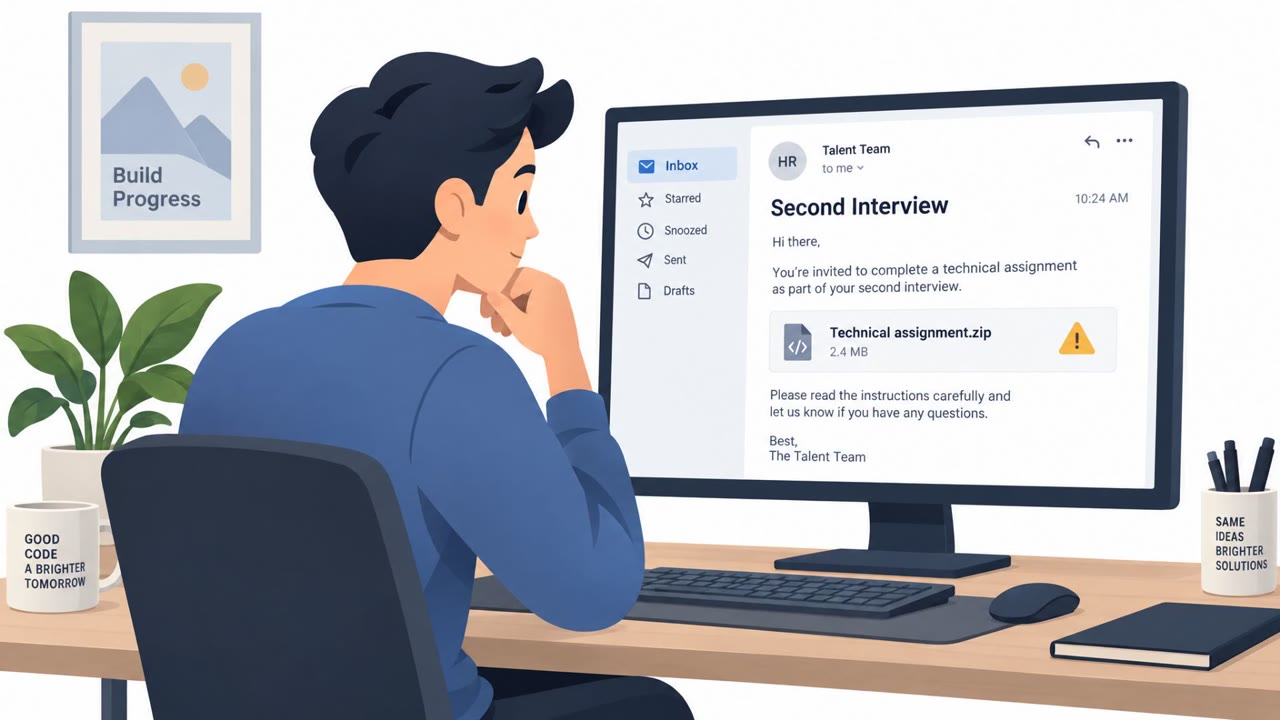
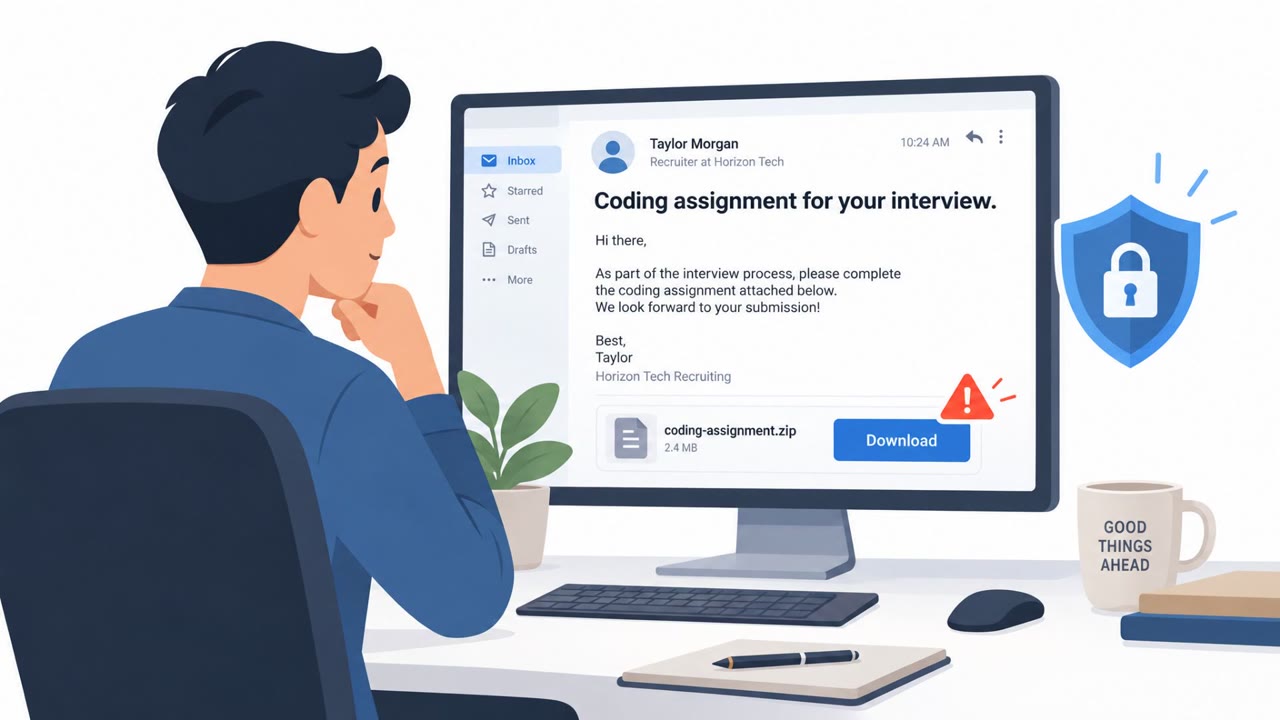
  • Attackers used fake recruitment interviews to reach Binance engineers and persuade one to download a malicious interview assignment.
  • The malicious assignment reportedly replaced a legitimate development-tool component, allowing commands to run and communication with an attacker-controlled server.
  • Attackers used the compromised laptop to access an internal Binance AI tool, take over other engineers' wallets, and later use stolen credentials in the theft.
  • Binance said it detected 57 suspected North Korea-originated threats over several months, including fake interviews, social-engineering campaigns, and malicious software.

Who’s being targeted

  • Commonly targeted roles: Software Engineers, Developers, Engineering Managers, AI Tool Users, IT and Security Teams, Employees actively seeking jobs.
  • Affected industries: Cryptocurrency exchange and digital-asset services, Financial services, Technology and software development.
  • Attack channels: email, website.
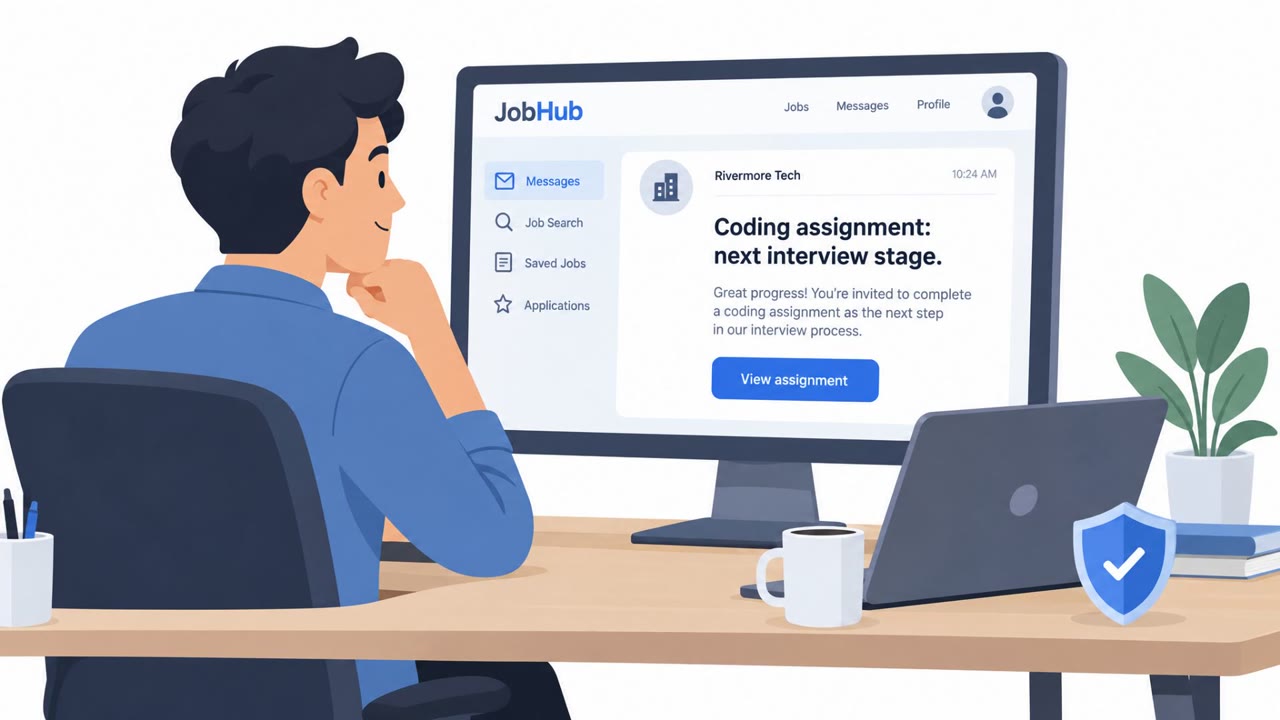
  • Impersonated: Recruiter using a legitimate job-hunting platform, A purported Homebrew package-manager download source.

Awareness takeaways

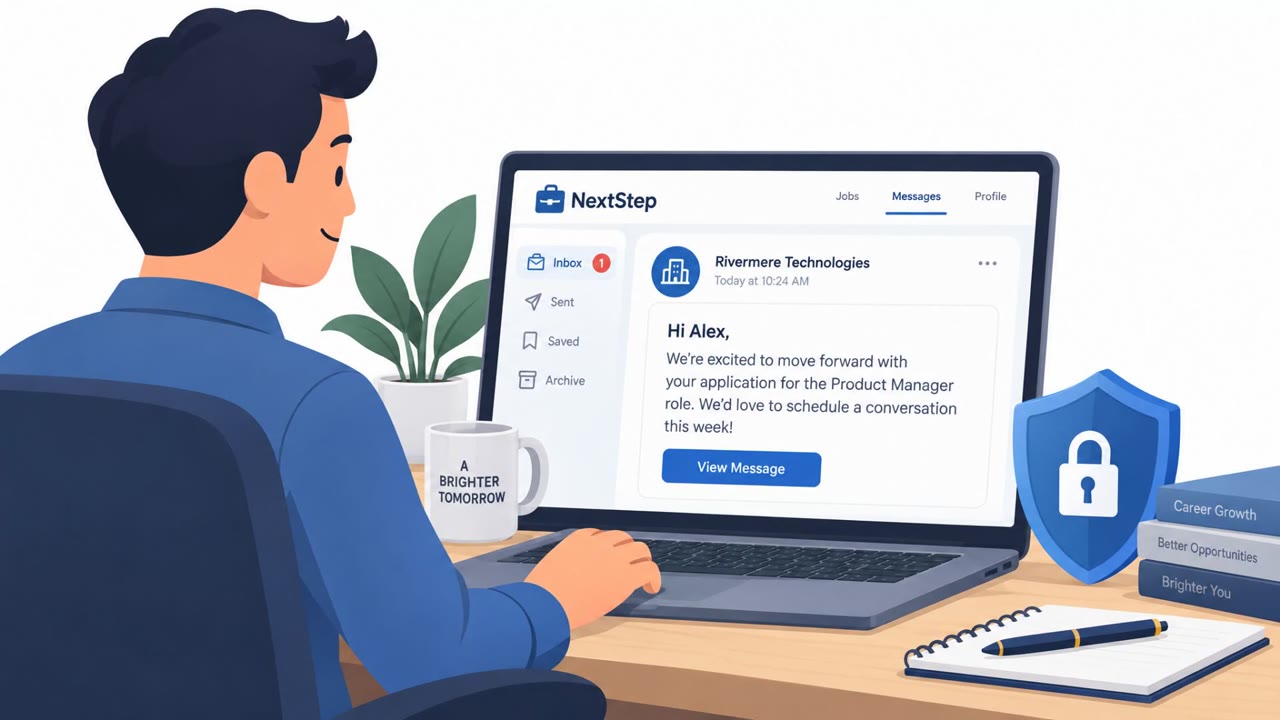
  • Treat recruiting messages as untrusted until the recruiter and employer are independently verified, even when the contact arrives through a legitimate job platform.
  • Do not download or run interview assignments, code samples, package managers, or developer tools on a work device without following the organization's approved review process.
  • Verify developer-tool downloads through official, approved sources; a tampered component can give attackers control of a work device.
  • Report suspicious recruitment approaches and unexpected software requests promptly, because attackers may collect role and team information even if an initial compromise appears contained.

Red flags to watch for

  • A job interview process requires downloading an unfamiliar file or software package.
  • The assignment includes code or a development-tool component that must be executed locally.
  • A recruiter contact on a legitimate platform is treated as automatically trustworthy.
  • The package manager is obtained from an unverified source rather than an approved or official source.
  • A development tool download is requested outside normal software-approval procedures.
  • The installation is tied to a new AI tool and creates urgency to bypass verification.
Try Mirage

Mirage safely runs attacks like this one against your own team, so you find out what happens before a real adversary does.

Get a demo
Read the video transcript

A second interview sounds promising. This one targeted a Binance engineer. The supposed recruiter sent an assignment to download and run on a work laptop. Its code reportedly swapped a legitimate development-tool component for one that could run commands and contact an outside server. That laptop reportedly opened access to Binance’s internal AI tool, other engineers’ wallets, and stolen credentials. A real job platform didn’t make the recruiter, or the file, safe. Before running any interview assignment on a work device, send it through your company’s approved software review.

Similar attacks

Fake Job Interview Led to Binance Theft

Fake Job Interview Led to Binance Theft

Attackers reportedly used a fake job opportunity to trick a Binance software engineer into running a coding assignment on a work computer. The assignment installed malicious software, helping the attackers move through Binance systems and ultimately steal about $6.3 billion in cryptocurrency. The…

November 5, 2026
Fake Job Interview Led to Binance Crypto Heist

Fake Job Interview Led to Binance Crypto Heist

Binance says North Korean-linked attackers used a fake recruiting process to trick an engineer into downloading a malicious coding assignment. The attackers then spent weeks moving through internal systems before abusing a wallet-signing service to move funds outside normal withdrawal controls.…

November 3, 2026
Fake Job Interview Opens Door to $6.3B Heist

Fake Job Interview Opens Door to $6.3B Heist

Binance says attackers linked by U.S. agencies to North Korea used fake recruitment interviews to trick a software engineer into downloading a malicious coding assignment. The compromise spread from one employee device to other systems and ultimately enabled unauthorized cryptocurrency transfers…

November 3, 2026
Fake Recruiters Helped Trigger Binance Heist

Fake Recruiters Helped Trigger Binance Heist

Attackers linked to North Korea used a fake recruiting process to trick a Binance engineer into downloading a coding assignment onto a work computer. The malicious assignment gave the attackers a foothold, which they expanded through an internal AI tool and privileged engineering access to carry…

November 5, 2026
Fake AI Jobs Helped Fuel Binance Theft

Fake AI Jobs Helped Fuel Binance Theft

Binance says attackers used fake job-related downloads and a trojanized installer for a popular AI tool to compromise members of its wallet infrastructure team. The campaign ultimately gave the attackers access to an internal wallet-signing service and enabled a $6.43 billion theft outside the…

November 4, 2026
Fake Interview Opens Door to Binance Heist

Fake Interview Opens Door to Binance Heist

Attackers linked to North Korea reportedly used a fake recruiting process to trick a Binance software engineer into downloading and running a malicious code repository during a supposed job assessment. The compromise ultimately helped the attackers access Binance’s wallet systems and steal about…

November 4, 2026