Binance says attackers used a convincing fake recruiting process to trick an engineer into downloading a malicious interview assignment. After gaining access to the engineer's computer, the attackers reportedly used an internal AI tool to compromise two additional engineers' laptops, contributing to a record $6.3 billion crypto theft.
How the attack worked
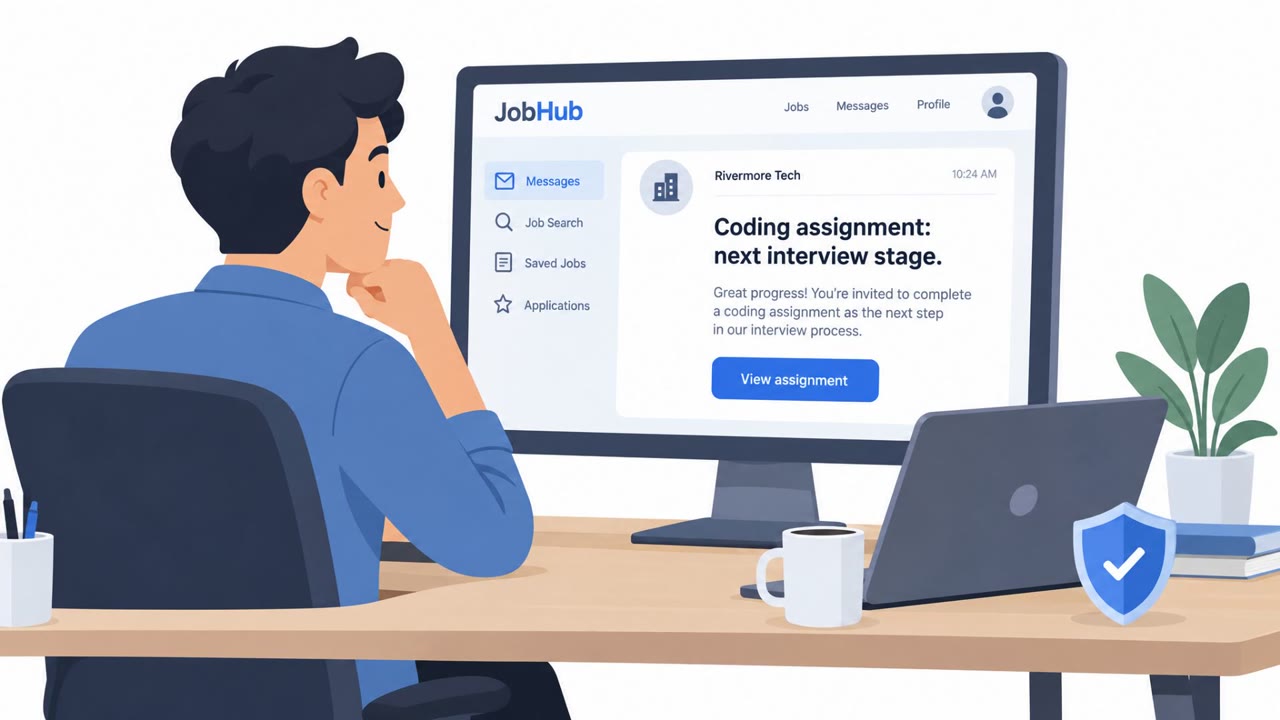
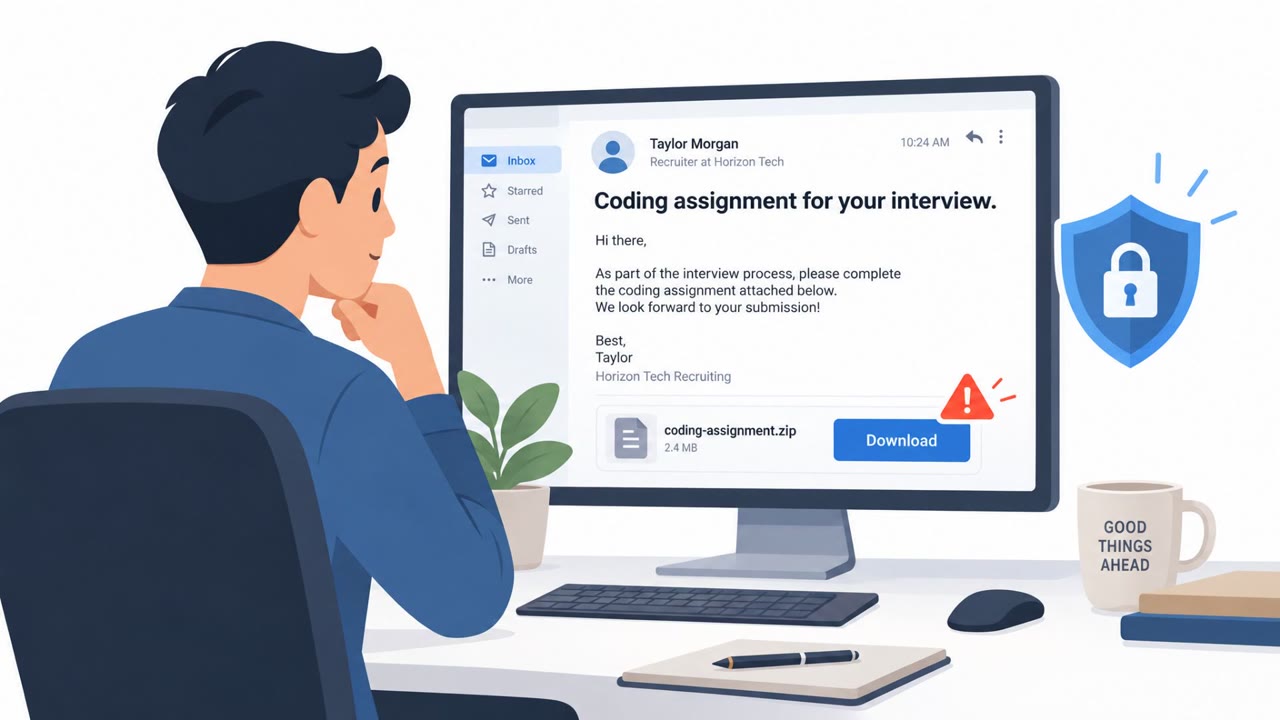
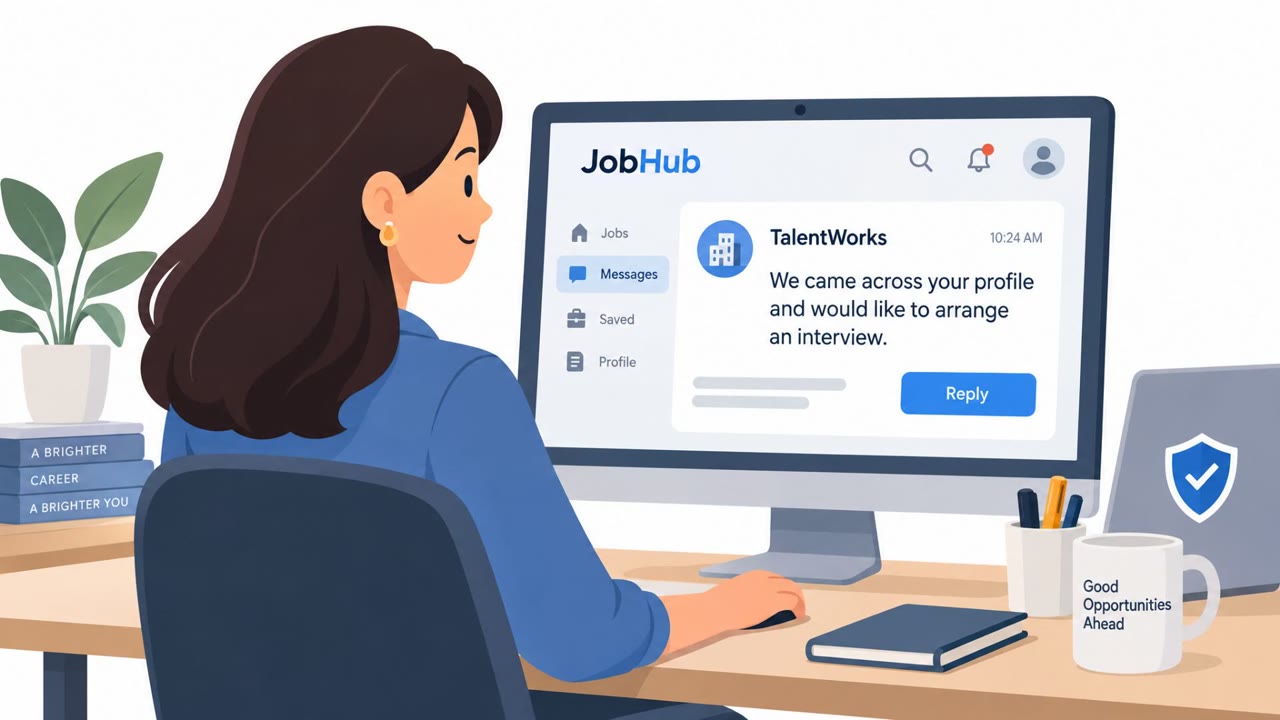
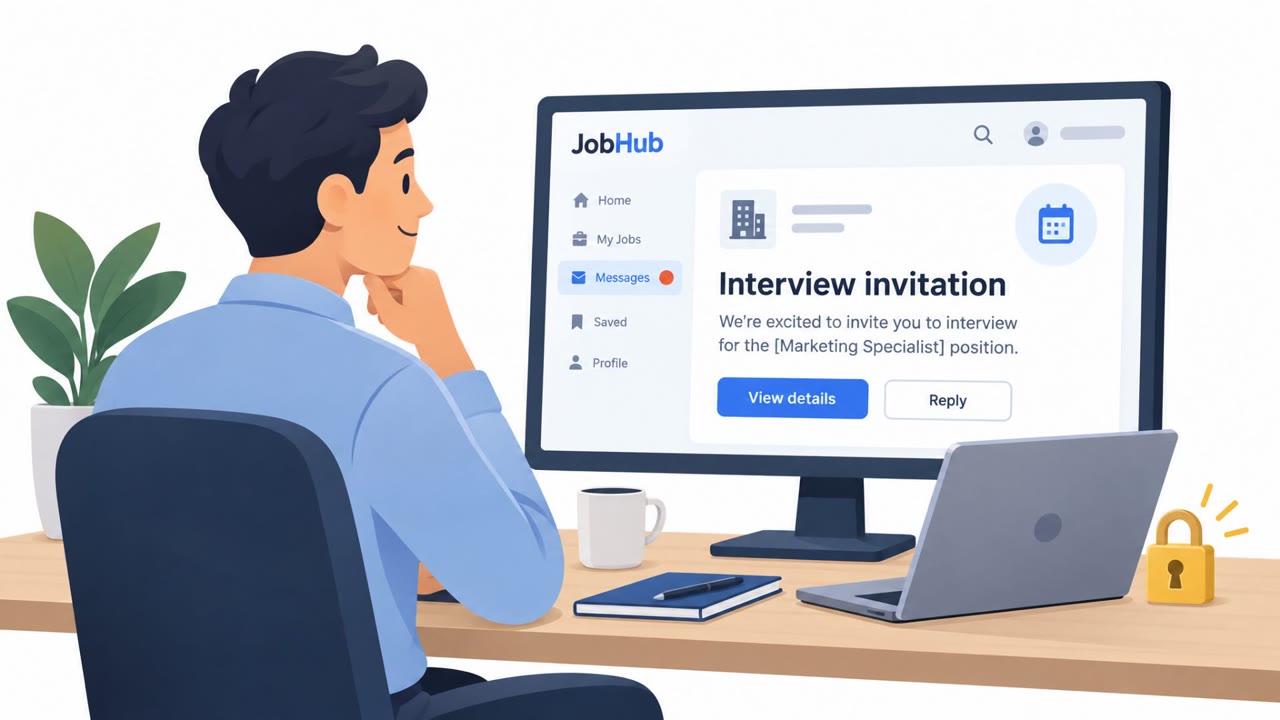
This incident began with a seemingly ordinary job search. An engineer was contacted through a legitimate job site by people posing as company recruiters. The process looked normal at first: a conversation, an interview, and social media accounts with personal photos used to build trust in the recruiters' identities. During a second interview, the engineer was asked to download a technical assignment as part of the hiring process. That file contained malware.
Once the engineer's computer was compromised, the attackers reportedly used an internal AI tool along with the access they already had to take over two additional engineers' laptops. Binance has linked this chain of events to a record 6.3 billion dollar crypto theft, underscoring how a single social engineering foothold can cascade into a much larger compromise.
Why it succeeded
The scenario worked because it mirrored a completely normal hiring experience. Job platforms, multi-stage interviews, and take-home coding assignments are standard practice in software engineering recruitment, so there was little reason for the target to be suspicious. The attackers reinforced this by supplying supporting social media profiles with personal photos, giving the appearance of real people behind the recruiter accounts.
The critical weak point was the request to download and run an unknown file on a work device. Because this step fit within an expected hiring workflow, it bypassed the kind of scrutiny that an unsolicited email attachment might receive.
What to watch for
- A recruiter who asks a candidate to download or execute software as part of an interview process.
- A recruiter identity that is supported only by the profiles or links the recruiter personally provides, rather than independently verifiable sources.
- A technical assignment that cannot be completed inside a browser or a trusted sandbox environment.
- Requests to run a coding task or test file on a primary work laptop rather than an isolated device.
How to build resistance
For engineers and candidates, the core lesson is to never install software or run a test file just because a recruiter asked, and to use a separate device if a coding task must be executed locally. Verifying a company through its own official website and phone number, rather than the contact details or links a recruiter supplies, helps confirm that a job site profile actually represents who it claims to be.
For hiring teams, take-home exercises should be designed to run in a browser or an approved online sandbox rather than requiring a downloaded file. Organizations should also state clearly in writing what candidates will and will not be asked to install, removing ambiguity that attackers can exploit. These changes reduce the attack surface this technique relies on without disrupting a legitimate hiring process.
Key findings
- An engineer was contacted through a legitimate job site by attackers posing as company representatives.
- The fake recruiters used social-media accounts with personal photos to make their identities appear credible.
- During a second interview, the engineer was asked to download an assignment that contained malware.
- Binance says the attackers used the compromised computer and an internal AI tool to take over two other engineers' laptops.
- The article advises employees to verify recruiters through independently sourced company contact details and avoid running recruiter-provided software on work devices.
Who’s being targeted
- Commonly targeted roles: Software Engineers, Developers, Engineering Managers, Technical Recruiters, Human Resources, Hiring Managers, IT and Security Teams.
- Affected industries: Cryptocurrency exchanges, Financial services, Technology, Software engineering.
- Attack channels: website.
- Impersonated: Fake company recruiters.
Red flags to watch for
- The recruiter asks the candidate to download or execute software as part of an interview.
- The recruiter identity is supported only by profiles or links they provide.
- The technical task cannot be completed in a browser or trusted sandbox.
Frequently asked questions
How did the attackers gain initial access?
An engineer was contacted through a legitimate job site by attackers posing as recruiters, and during a second interview he was asked to download an assignment that contained malware.
How did the attackers expand their access beyond one engineer?
Binance says the attackers used the compromised computer and an internal AI tool to take over two additional engineers' laptops.
What made the fake recruiters seem credible?
The fake recruiters used social media accounts with personal photos to build trust with the targeted engineer.
How can hiring teams reduce this risk?
Design take-home exercises that run in a browser or approved sandbox and state clearly in writing what candidates will and will not be asked to install.
Read the video transcript
A job interview helped set up a $6.3 billion crypto theft. A recruiter contacted a Binance engineer through a real job site. Personal-photo profiles looked convincing. In interview two: ‘Download this technical assignment.’ The file was malware. Here’s the catch: the job site was real; the assignment wasn’t. Binance says the compromised computer and an internal AI tool helped reach two more engineers’ laptops. One rule: never run a recruiter’s assignment file on your work device.