Binance says a North Korea-linked group spent months compromising wallet engineers before stealing $6.34 billion in cryptocurrency. One engineer was drawn into a fake recruiting process, built trust with a supposed HR representative and CEO, then downloaded a malicious coding assignment onto a work computer. The attackers later used compromised systems and stolen deployment credentials to access wallet-signing infrastructure.
Key findings
- Binance says the attackers compromised three engineers' computers during a campaign that began in June.
- A Wallet DevOps engineer initially downloaded a tampered Homebrew installation while searching for an AI coding tool.
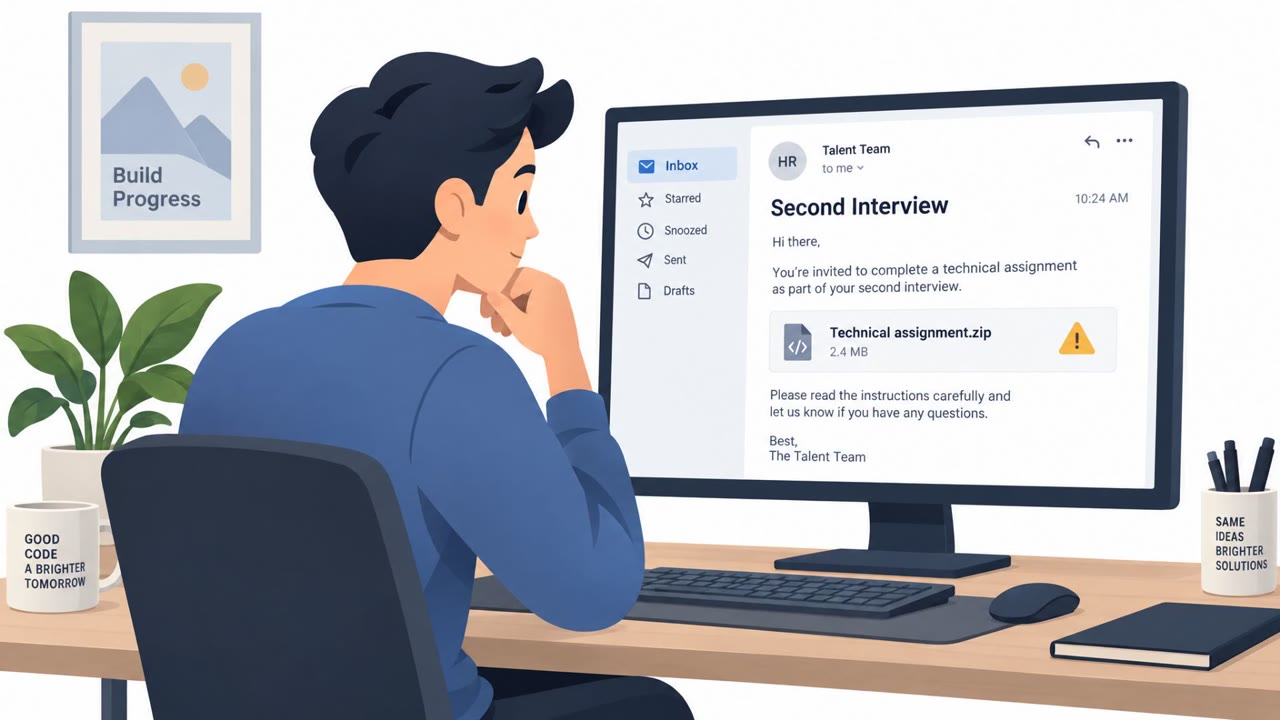
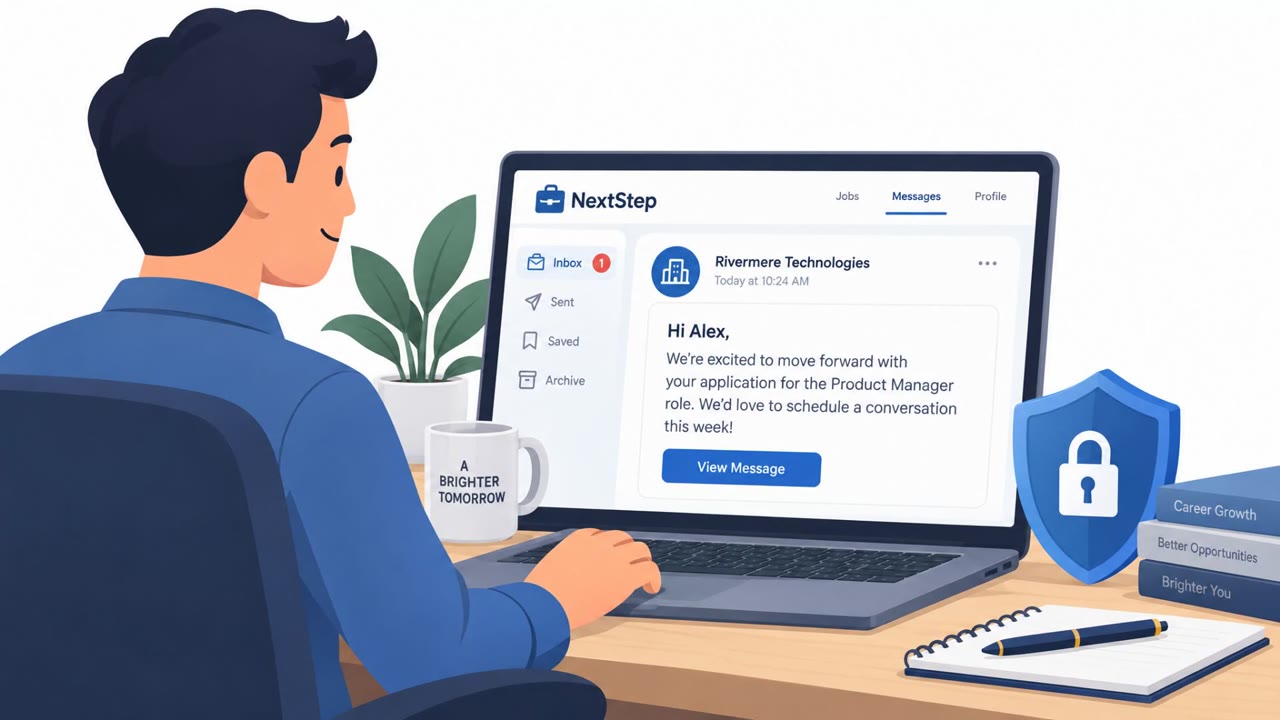
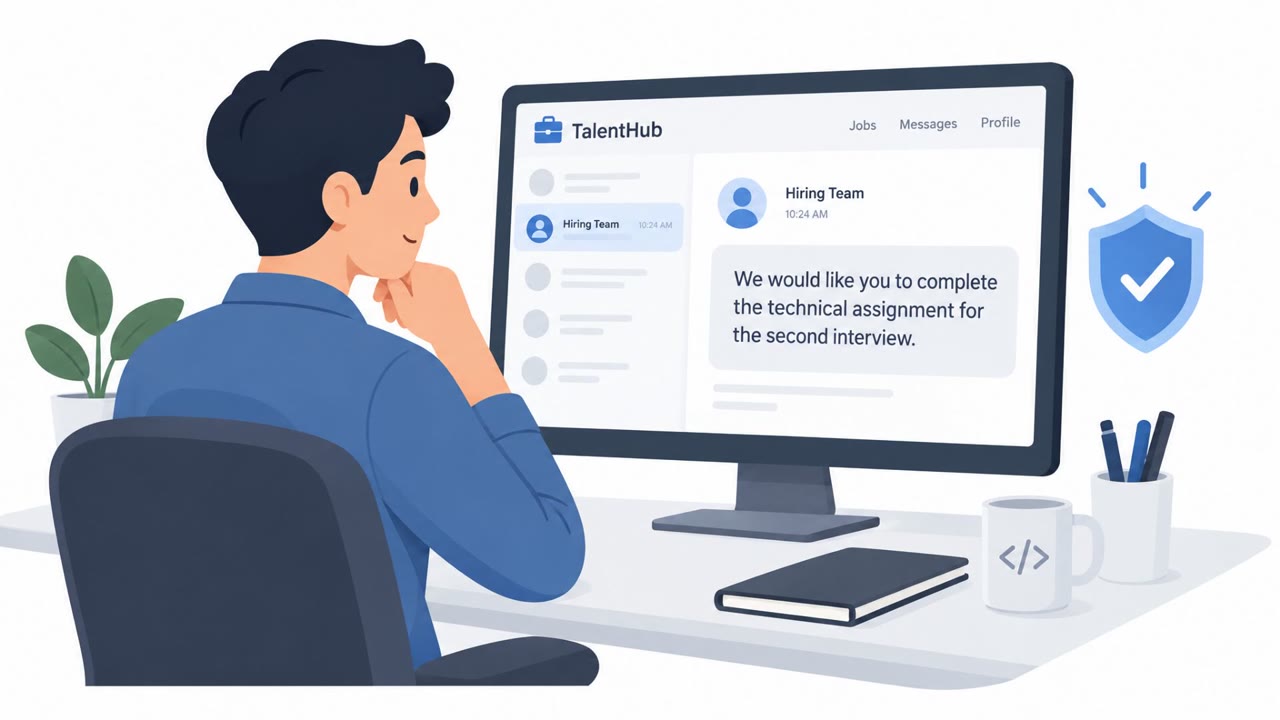
- A second engineer was lured through two fake job interviews, including a fake HR representative and the alleged CEO of a nonexistent company.
- The fake HR representative used a social-media account with personal photos and videos to build credibility before the target was asked to download a coding assignment.
- The coding assignment contained a malicious repository that executed when set up and replaced a legitimate developer-tool component with a rogue copy.
- Attackers used compromised devices, an internal AI tool, a deployment token, and stolen credentials to reach Binance's wallet-signing service.
- The FBI attributed the theft to TraderTraitor, a North Korean state-sponsored threat group.
Who’s being targeted
- Commonly targeted roles: Software developers, DevOps engineers, Cloud and platform engineers, Wallet and cryptocurrency infrastructure teams, Engineering managers, Recruiting and HR teams, Employees who use AI coding tools.
- Affected industries: Cryptocurrency exchanges, Financial services, Blockchain and digital-asset services, Software development.
- Attack channels: email, website, chat.
- Impersonated: A fake project director, HR representative, and CEO of a nonexistent company, A legitimate Homebrew installation or popular AI coding tool.
Awareness takeaways
- Treat unsolicited recruiter approaches and interview invitations as untrusted until the employer and contacts have been independently verified through known company channels.
- Do not download, set up, or run coding tests, repositories, or interview assignments on a work device without security review and an approved isolated environment.
- Use approved software sources for developer and AI tools; search-engine results can lead to tampered installers.
- Protect deployment tokens and credentials carefully, because a compromised engineer workstation can be used to reach critical production systems.
Red flags to watch for
- The supposed employer does not exist.
- The interview process moves from a recruiter approach to downloading code on a work device.
- The HR contact uses a social-media profile with personal photos and videos to establish trust rather than verifiable company information.
- The tool is found through a search engine rather than an approved internal software source.
- The installation package is tampered with.
- Unapproved developer tools are installed on a corporate engineering device.
Read the video transcript
A fake job interview helped open a path to Binance’s wallet systems. A supposed project director arranged interviews with HR and the CEO. The HR profile had personal photos and videos. Then came a coding assignment to download onto a work computer. The company didn’t exist. Setting up the repository ran malicious code and swapped a developer-tool component. Compromised devices and stolen credentials later helped reach wallet-signing infrastructure. That’s the tell: the interview became a software install. Before any interview code touches your work device, send it for security review.