Attackers attributed to North Korea stole $6.3 billion in cryptocurrency from Binance after compromising engineers’ computers and gaining access to wallet-draining tools. One engineer was approached through a legitimate job platform and drawn into fake interviews supported by convincing fake company representatives and social-media profiles.
How the attack worked
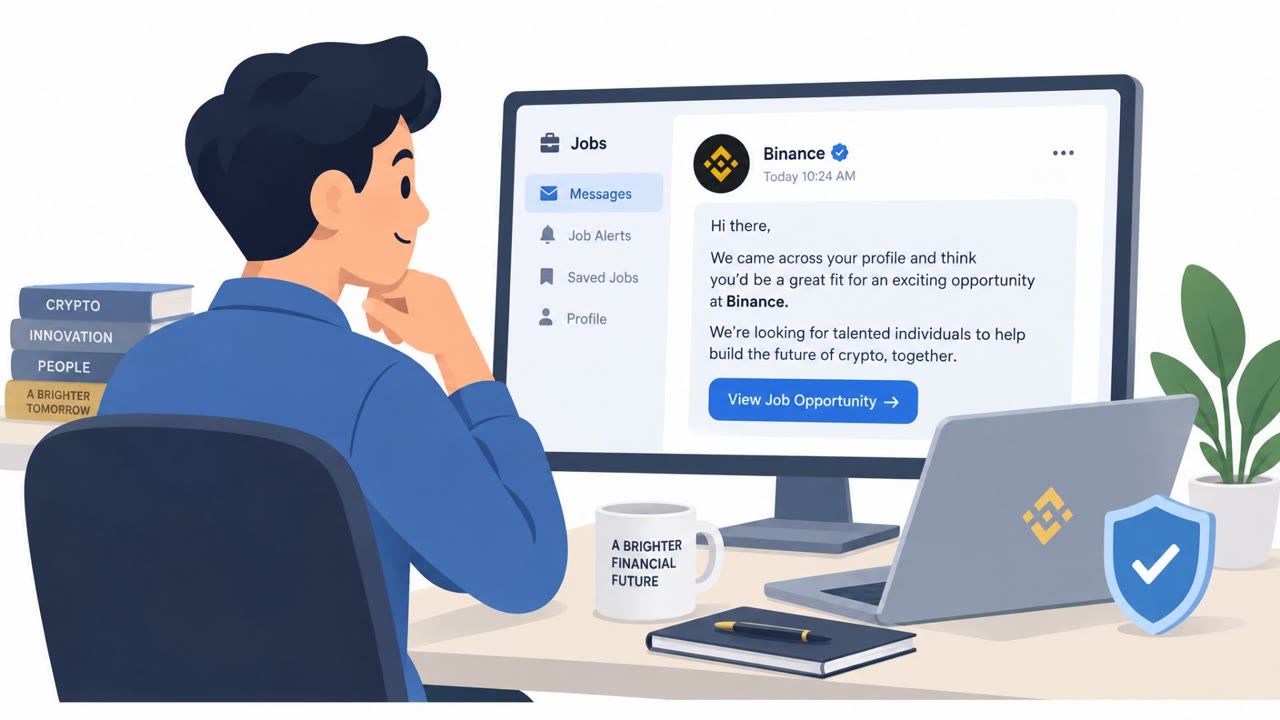
According to reporting referenced in the source material, attackers attributed to a North Korean threat group known as TraderTraitor approached a Binance engineer through a legitimate job-hunting platform. The engineer was invited into fake interviews with fake company representatives, who used social media accounts containing personal photos to build trust and appear credible. This recruiting pretext ultimately contributed to the compromise of engineers' computers, giving attackers control of tools used to drain wallets. The incident, described as the largest crypto theft to date, also involved a compromised internal AI tool.
Why it succeeded
The scheme worked because it exploited a trusted channel, a legitimate job-hunting platform, rather than a suspicious cold email. The fake recruiters layered in social proof by sharing personal photos and social media profiles, which can feel more convincing than a generic corporate message. Software engineers, developers, and other technical staff are frequent targets for this kind of approach because interview processes commonly involve running code samples or installing assessment software, giving attackers a natural reason to ask a target to execute something on their machine.
What to watch for
- An unsolicited recruiter offering an unusually attractive opportunity out of nowhere.
- Pressure to move quickly into an interview, assessment, or coding exercise.
- Reliance on social media profiles and personal photos as the main proof of a recruiter's or company's legitimacy, instead of verifiable corporate contact details.
- Requests to run code, install interview software, or execute files as part of the hiring process.
How to build resistance
Organizations and individuals can reduce exposure to this type of recruiting-based social engineering by treating unsolicited recruiting contact as unverified until confirmed through known corporate channels. Engineers and other high-privilege staff, especially those with access to production or payment systems, should be encouraged to report suspicious recruiting contact to security teams before continuing the conversation. As a practical safeguard, any coding test, interview software, or file sent by an unfamiliar recruiter should never be run on a primary work device; using a throwaway machine, or declining altogether, removes the most common path attackers use to get malware onto a developer's system. Because this tactic specifically targets the hiring process, security awareness training for technical teams should explicitly cover recruiting-themed social engineering alongside more traditional phishing scenarios.
Key findings
- Attackers stole $6.3 billion in cryptocurrency from Binance on October 29, described as the largest crypto theft to date.
- The FBI attributed the attack to TraderTraitor, a North Korean threat group.
- Attackers compromised Binance engineers’ computers and gained control of tools used to drain wallets.
- A Binance engineer was contacted through a legitimate job-hunting platform and invited to fake interviews with fake company representatives.
- The impersonators used social-media accounts containing personal photos to build trust.
- The attackers also used a compromised internal AI tool.
Who’s being targeted
- Commonly targeted roles: Software Engineers, Developers, DevOps Engineers, Cloud Engineers, Security Engineers, Cryptocurrency and financial-services employees, Employees with access to production or payment systems.
- Affected industries: Cryptocurrency exchanges, Financial services, Technology, Software development.
- Attack channels: linkedin.
- Impersonated: Fake recruiter and fake company representatives.
Red flags to watch for
- An unsolicited recruiter offers an unusually attractive opportunity.
- The recruiter presses the target to move quickly into an interview or assessment.
- Social-media profiles and personal photos are used as proof of legitimacy rather than independently verifiable company contacts.
Frequently asked questions
How did attackers gain access to Binance engineers' systems?
An engineer was contacted through a legitimate job-hunting platform and invited into fake interviews with fake company representatives, who built trust using social media accounts with personal photos.
Who was blamed for the attack?
The FBI attributed the attack to TraderTraitor, a North Korean threat group, according to the source material.
What made the fake recruiter pretext convincing?
The impersonators used social-media profiles containing personal photos as apparent proof of legitimacy rather than verifiable corporate contacts, and pressed the target to move quickly into interviews.
What should engineers do if contacted by an unfamiliar recruiter?
Independently verify the recruiter and company through known corporate channels before engaging, and avoid running any coding tests or interview software supplied by the unknown recruiter on a work device.
Read the video transcript
A job interview helped open the door to Binance’s $6.3 billion crypto theft. It started on a real job platform: an attractive offer, fake company representatives, then social profiles with personal photos to make the interviews feel legitimate. That’s the trick: a real platform and friendly photos aren’t proof. Engineers’ computers were compromised; wallet-draining tools were reached. Even an internal AI tool was compromised. If an unsolicited recruiter rushes you toward an interview or assessment, send the message to Security before engaging.