Fake Video Calls Fuel North Korean Crypto Heists

CyberScoop · High sophistication
Last updated November 13, 2026

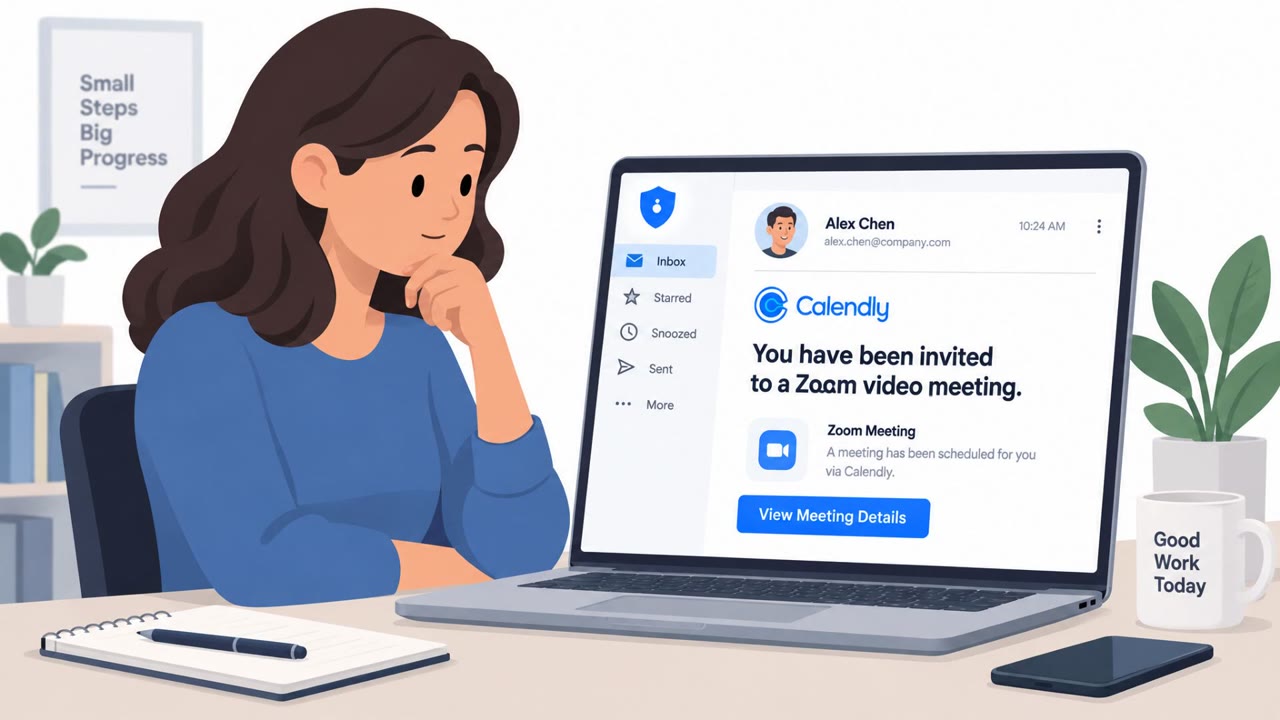
North Korean-linked attackers hijacked trusted messaging and professional-network accounts to invite victims to fake Zoom or Microsoft Teams meetings. The links sent targets to convincing lookalike video-call sites, while secretly captured webcam footage was later reused to impersonate victims and target their contacts. The campaign reportedly stole more than $400 million from cryptocurrency and Web3 organizations over 18 months.

Key findings

  • Attackers hijacked accounts on Telegram, LinkedIn, Slack, and Discord, then used those trusted accounts to invite people to video meetings.
  • Meeting links led to typo-squatted domains hosting fake Zoom and Microsoft Teams interfaces that resembled legitimate services.
  • The seized infrastructure contained more than 900 secretly recorded victim webcam videos, captured while victims waited for meetings to start.
  • Attackers reused victim footage to impersonate them in follow-on attacks, and used captured contact lists to expand the victim pool.
  • The campaign reportedly drained more than $400 million from cryptocurrency and Web3 organizations over the past 18 months.
  • A maintainer of a significant open-source JavaScript library was lured into a fake Teams meeting; attackers then used the access to create malicious dependencies.

Who’s being targeted

  • Commonly targeted roles: Cryptocurrency and Web3 employees, Software developers, Open-source maintainers, Employees using Zoom or Microsoft Teams, Employees using Telegram, LinkedIn, Slack, or Discord, Security and IT teams.
  • Affected industries: Cryptocurrency exchanges, Cryptocurrency and Web3, Software and open-source development, Financial services.
  • Attack channels: telegram, linkedin, slack, discord, website, teams.
  • Impersonated: A trusted contact using a hijacked Telegram, LinkedIn, Slack, or Discord account; Zoom or Microsoft Teams, Microsoft Teams.

Awareness takeaways

  • Treat video-meeting links received through chat, social, and collaboration accounts as untrusted until you confirm the invitation through a known, separate channel.
  • Check the web address before joining a Zoom or Teams meeting; a convincing-looking screen does not prove that the site is legitimate.
  • Protect webcam privacy while waiting for an unfamiliar meeting to begin, and report unexpected or suspicious video-call invitations promptly.
  • Give additional verification training to software maintainers and people with access to code repositories, because a single compromised account can affect downstream users.

Red flags to watch for

  • The meeting link uses a typo-squatted domain rather than the normal Zoom or Microsoft Teams domain.
  • An unexpected meeting invitation arrives through a messaging or professional-network account.
  • The video platform interface looks real but was reached through an unfamiliar link.
  • A Teams invitation directs the user to an unfamiliar or misspelled web domain.
  • An unexpected meeting request is used to prompt access or sign-in activity.
  • A meeting request involves a software maintainer with access to widely used code or package repositories.
Try Mirage

Mirage safely runs attacks like this one against your own team, so you find out what happens before a real adversary does.

Get a demo
Read the video transcript

Your colleague sends a Teams invite on Slack. Except it’s not your colleague. Their account was hijacked. The link opens a convincing fake Teams or Zoom page on a misspelled domain. While you wait, it secretly records your webcam. Here’s the twist: your recorded video can become their next ‘trusted contact.’ Investigators found over 900 recordings. One fake Teams meeting even led to malicious JavaScript dependencies. Unexpected meeting link from Slack, Telegram, LinkedIn, or Discord? Confirm it with that person through a separate, known channel before joining.

MITRE ATT&CK techniques

T1566.003 - Phishing: Spearphishing via Service · PhishingT1656 - ImpersonationT1204.001 - User Execution: Malicious Link · User Execution

Similar attacks

North Korean Deepfake Meeting Scam Exposed

North Korean Deepfake Meeting Scam Exposed

U.S. authorities disrupted FaceStealer, a North Korean social-engineering operation that used stolen accounts, fake Zoom or Teams invitations, and recorded or AI-generated video to trick people into installing malware. The scheme targeted cryptocurrency organizations and open-source software…

November 12, 2026

Fake Zoom Calls Fuel $400M North Korean Heists

Fake Zoom Calls Fuel $400M North Korean Heists

North Korean-linked attackers reportedly stole more than $400 million in cryptocurrency by hijacking trusted accounts and inviting contacts to fake Zoom or Teams calls. They replay stolen webcam footage to make the meetings look real, then claim there is an audio problem and persuade victims to run…

November 13, 2026
Deepfake Calls Drive $400M Crypto Theft

Deepfake Calls Drive $400M Crypto Theft

The FBI says North Korea-linked BlueNoroff actors used stolen trusted accounts, deepfake video calls, and fake Zoom or Teams meeting links to steal more than $400 million in cryptocurrency. Victims were invited to discuss investments, shown a convincing fake meeting with familiar people, then told…

November 13, 2026
Fake Job Interview Opens Binance’s Door

Fake Job Interview Opens Binance’s Door

Attackers allegedly used a fake recruiting process to trick a Binance engineer into running a coding assignment on a work computer. The malicious assignment gave the attackers a foothold, which they reportedly used with stolen deployment access and an internal AI tool to reach wallet systems and…

November 10, 2026
Stolen Faces Fuel North Korean Meeting Scams

Stolen Faces Fuel North Korean Meeting Scams

North Korean operators behind “FaceStealer” hijacked accounts and used recordings of real people in fake Zoom and Microsoft Teams meetings. They used the familiar faces of trusted contacts to convince targets to install supposed fixes for technical problems, enabling malware installation, account…

November 14, 2026
Fake Interview Opens $6.34B Binance Heist

Fake Interview Opens $6.34B Binance Heist

Attackers linked to North Korea allegedly used a fake recruitment process to persuade a Binance software engineer to download a malicious coding assignment onto a work computer. They then used the compromised device, internal AI tooling, and stolen deployment credentials to reach wallet-signing…

November 3, 2026