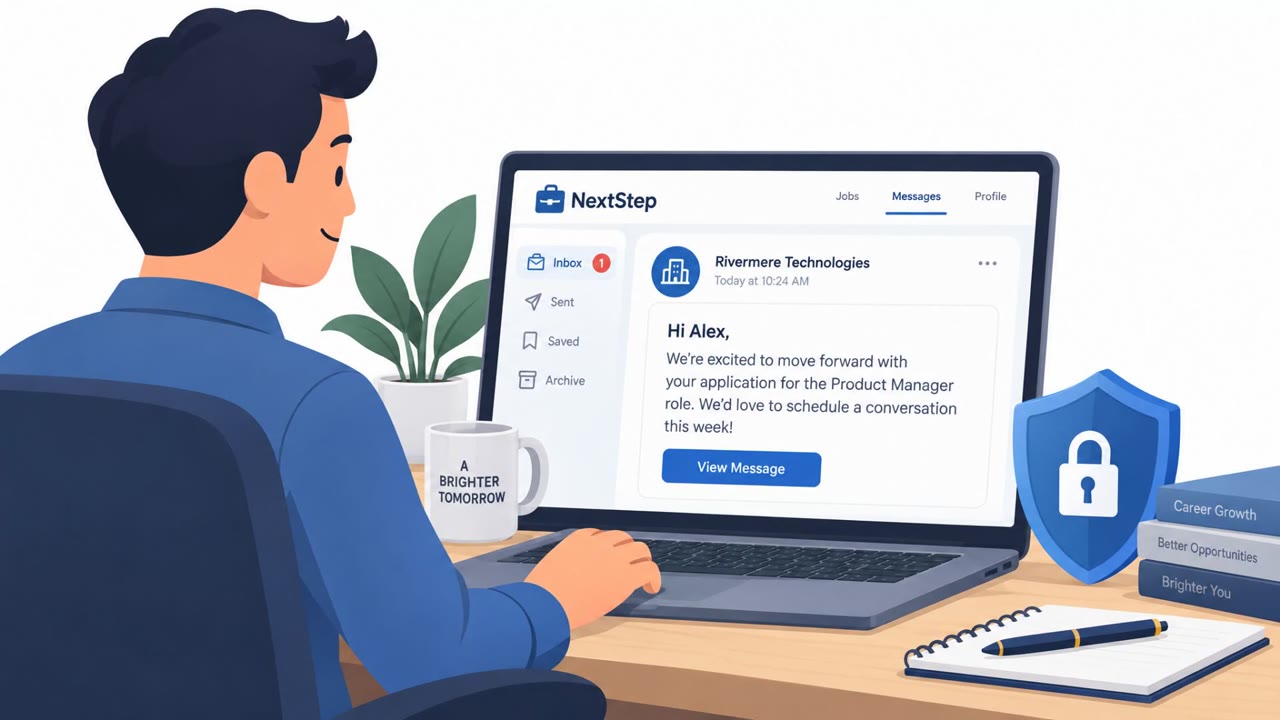
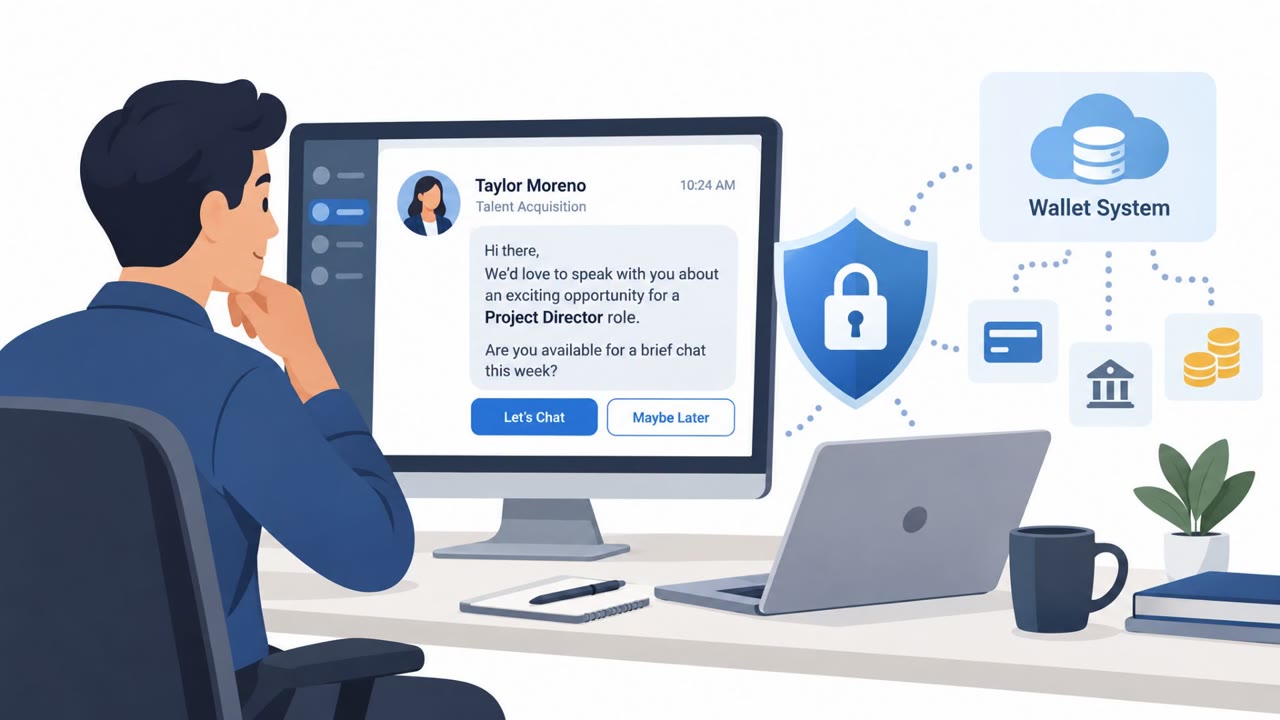
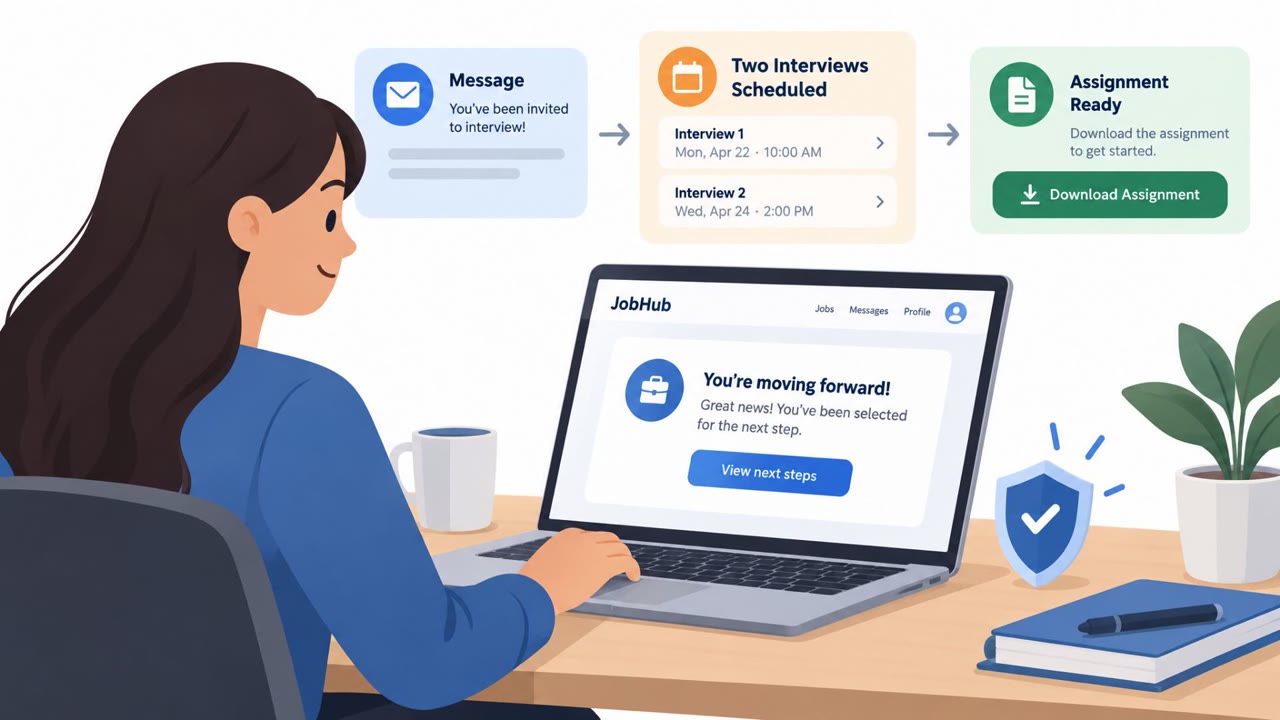
Attackers allegedly used a fake recruiting process to trick a Binance engineer into running a coding assignment on a work computer. The malicious assignment gave the attackers a foothold, which they reportedly used with stolen deployment access and an internal AI tool to reach wallet systems and move digital assets. The case shows why developers and other privileged employees are prime targets for convincing job-related scams.
How the attack unfolded
According to the article, attackers used two separate entry points to reach Binance wallet infrastructure. One engineer found and installed a tampered Homebrew package through a search engine. Separately, a second engineer was approached on a legitimate job platform by people posing as a project director, an HR representative, and the CEO of a company that did not exist. The fake hiring process included a live video call and personal social media material meant to build trust, and it ended with a request to download a coding assignment onto a work computer. Running that assignment reportedly gave attackers a foothold they used alongside a stolen deployment credential and an internal AI tool to reach other wallet engineers and eventually the signing process.
Why the pretext worked
Both entry points relied on an engineer running unvetted code on a work machine, whether through a search-engine download or an interview task. The recruiting approach worked because it combined a legitimate-looking job platform, multiple fabricated personas, and personal social media content that made the fake HR contact feel real. A public profile that mentioned Binance experience also signaled exactly the kind of access the attackers were looking for.
What to watch for
- A hiring process that requires downloading or running code on a corporate device
- A recruiter, HR contact, or executive whose employer cannot be independently verified
- Contact that shifts between platforms, such as a job site, chat app, and video call
- Installation sources found through a search engine rather than an approved internal channel
- Any role or interview step that pressures a late-stage "assignment" or urgent action
Building resistance
Organizations should treat interview assignments, developer tools, and code repositories as untrusted until approved and isolated by security teams. Employees whose public profiles advertise privileged access, such as work on sensitive systems, should assume they are a recruiting target for this kind of approach. A convincing video call or social media profile is not sufficient verification of a recruiter or employer; independent confirmation through known channels is needed. Finally, suspicious job approaches and install requests should be reported promptly, even if no code was run, since attackers may be using the interaction simply to map out who else to target next within an organization.
Key findings
- Attackers allegedly identified wallet-team personnel after an engineer installed a tampered Homebrew package found through a search engine.
- A second engineer was approached through a legitimate job platform by people posing as a project director, HR representative, and CEO of a nonexistent company.
- The fake interview included a live video call and personal social-media material to make the recruiter persona appear trustworthy.
- The engineer was directed to download a coding assignment to a work computer; its repository executed malicious code during setup.
- The attackers reportedly used the compromised endpoint and an internal AI tool to reach other wallet engineers’ computers, then used a stolen deployment credential to access the signing process.
- The article says the activity was attributed by the FBI to North Korea’s TraderTraitor activity.
Who’s being targeted
- Commonly targeted roles: Developers, DevOps and cloud engineers, Engineering managers, Recruiting and HR teams, Employees with production access, Security operations teams, IT administrators.
- Affected industries: Cryptocurrency exchanges, Financial services, Software development, Banking, Healthcare, Legal services.
- Attack channels: linkedin, vishing, telegram, website.
- Impersonated: Project director, HR representative, and CEO of a fictional company, A legitimate AI coding tool or its installation source.
Red flags to watch for
- The employer or CEO cannot be independently verified.
- The hiring process requires downloading or running code on a corporate device.
- The contact moves between platforms and uses urgency or a late-stage interview task to pressure the candidate.
- The installer was found through a search result rather than an approved internal software source.
- The package or install command has not been verified by IT or security.
- A development tool requests installation from an unfamiliar or unofficial source.
Frequently asked questions
How did attackers reportedly gain initial access?
One engineer installed a tampered Homebrew package found through a search engine, while a second engineer was approached on a legitimate job platform and later told to download a coding assignment onto a work computer.
Why did the fake recruiter seem credible?
The attackers reportedly posed as a project director, HR representative, and CEO of a nonexistent company, and used a live video call along with personal social media material to build trust.
What should employees with privileged access do differently?
Avoid downloading or running interview assignments or developer tools on corporate devices unless they are approved and isolated, and independently verify recruiters through known channels rather than relying on a convincing video call or profile.
Who is attributed to this activity according to the article?
The article states the activity was attributed by the FBI to North Korea's TraderTraitor activity.
Read the video transcript
A Binance engineer got a job interview. The assignment was the trap. The supposed recruiters played project director, HR, and CEO. A video call and personal photos made the nonexistent company feel real. Then came a repository to run on a work computer. Aha: the interview wasn't the payload. Repository setup ran malicious code. Investigators say the resulting access helped reach wallet systems. Another entry point was a tampered Homebrew installer found through search. Real call, fake company. If an interview requires code, keep it off your work computer.