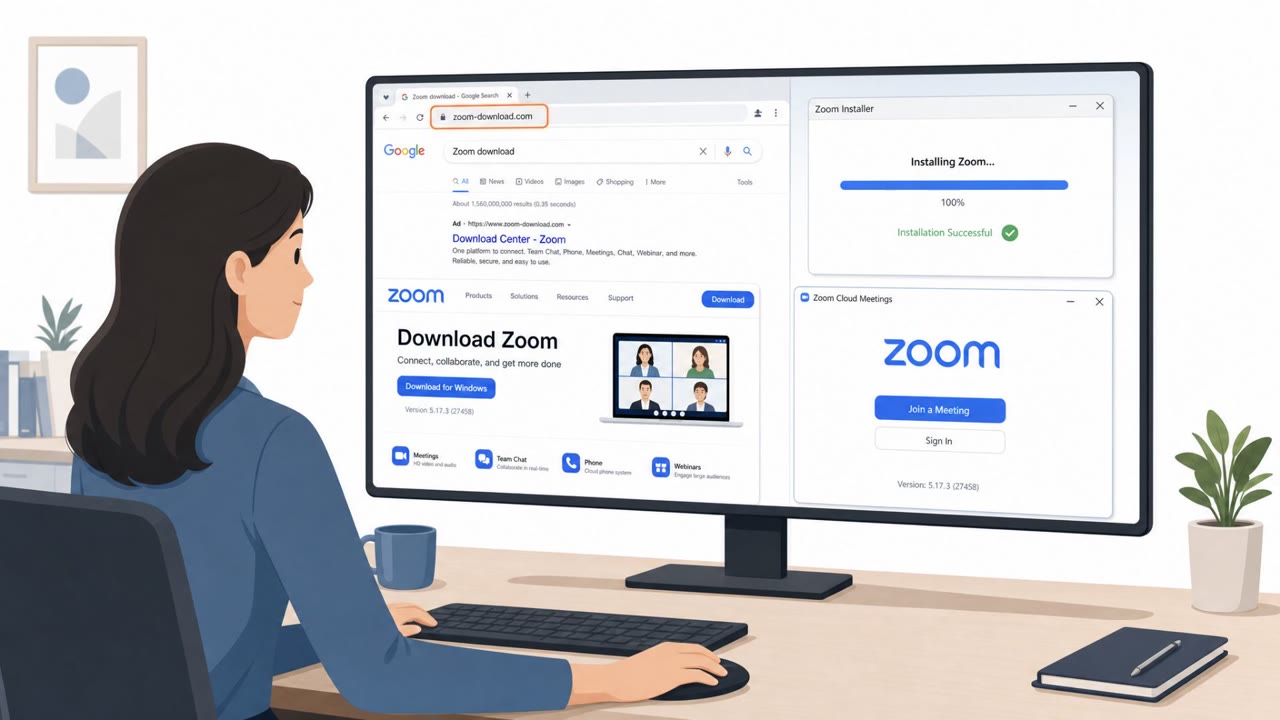
Gootloader operators compromised WordPress websites and manipulated search results to lure US attorneys and in-house legal teams into downloading fake legal documents. The downloads were ZIP archives containing malicious JavaScript, which could open the door to credential theft, broader network access, and later ransomware attacks.
How the attack worked
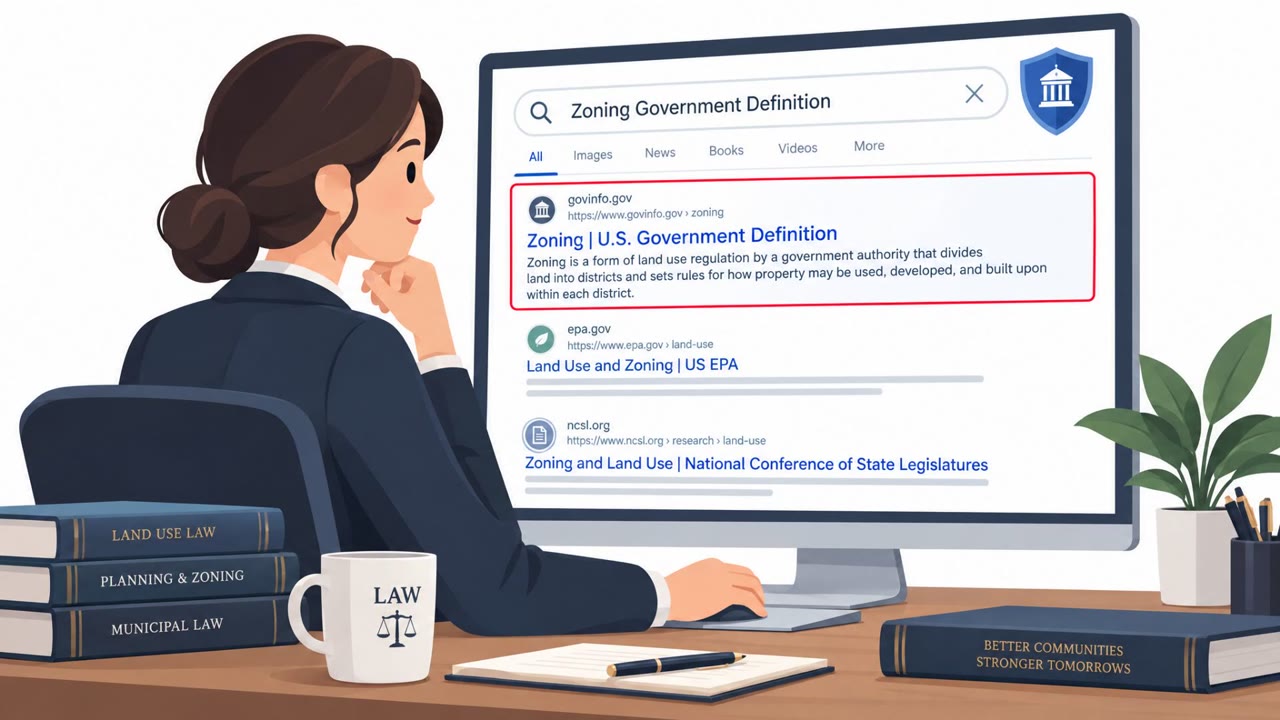
Gootloader operators compromised WordPress websites and manipulated search results to reach attorneys and in-house legal teams. Rather than relying on phishing emails, the attackers used search engine poisoning, inserting matching keywords and hidden links into compromised sites so malicious pages appeared alongside legitimate results for jurisdiction-specific contract clause searches. A legal professional researching a clause would find what looked like a relevant document hosted on an otherwise unremarkable website.
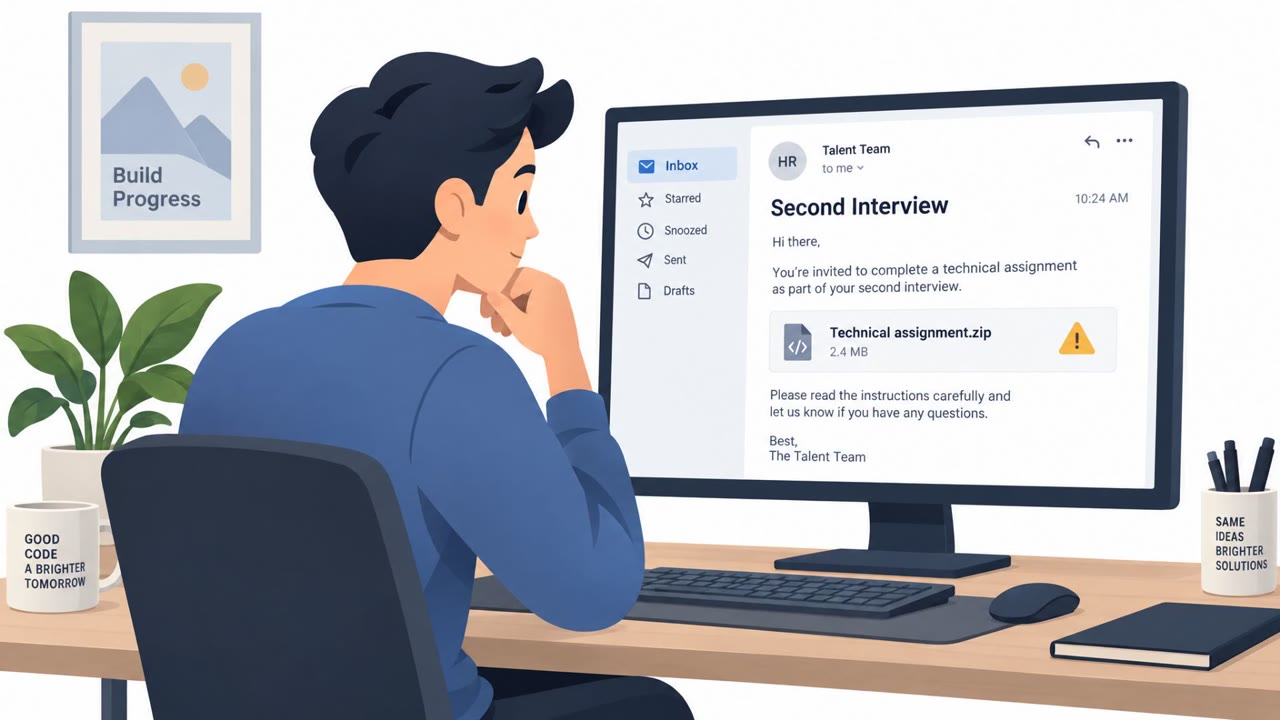
Clicking through led to a ZIP archive rather than a standard legal document format. Earlier campaigns packaged malicious JavaScript inside these archives, while later activity shifted to PowerShell and scheduled tasks for execution and persistence. Gootloader itself did not encrypt files, but it provided a foothold that other criminals, including ransomware operators, could use to move deeper into a network.
Why it succeeded
The campaign succeeded because it exploited routine research behavior. Searching for contract clauses tied to specific jurisdictions is a normal, frequent task for legal staff, and the poisoned results blended in next to genuine sources. Not everyone visiting a compromised website encountered the malicious page, which made the activity harder to detect and reduced the chance that any single visitor would flag it as suspicious. The delivery mechanism, a ZIP archive containing a script, also relied on staff not questioning why a legal document would arrive in that format.
What to watch for
- Search results that lead to unfamiliar websites despite appearing near legitimate, well-known sources.
- Legal documents delivered as ZIP archives instead of standard Word or PDF files.
- Archives that contain a JavaScript or script file rather than the expected document type.
- Unusual scheduled tasks or PowerShell activity following a document download.
Building resistance
Organizations supporting legal research should give attorneys, paralegals, and contract-review staff a clear, low-friction way to report a suspicious download. When a report comes in, responders should ask for the search phrase, download URL, filename, and approximate download time, and instruct staff to leave the file unopened so evidence is preserved.
If someone does open the script inside an archive, the response should start with isolating the affected device from the network. From there, teams should preserve browser and endpoint logs, check for follow-on malware, and confirm whether the malicious activity can persist across a restart. Related techniques referenced in this campaign include spearphishing via service (attack.mitre.org/techniques/T1566/002), user execution of malicious files (attack.mitre.org/techniques/T1204/002), and scheduled task or job abuse (attack.mitre.org/techniques/T1053/005).
Key findings
- Gootloader operators used compromised WordPress sites and search engine poisoning to target US attorneys and in-house legal teams.
- Attackers targeted legal searches for contract clauses tied to particular jurisdictions and presented fake legal-document downloads.
- Earlier campaigns used ZIP archives containing malicious JavaScript files; later activity used PowerShell and scheduled tasks for execution and persistence.
- The FBI identified more than 1,000 compromised WordPress sites and 216 domains controlled by Gootloader's administrator by October 2026.
- Gootloader provided access to compromised systems for other criminals, including ransomware operators; it did not itself encrypt files.
- The DOJ said Gootloader infected at least 25,000 computers worldwide and was connected to ransomware attacks affecting at least 44 US victims.
Who’s being targeted
- Commonly targeted roles: Attorneys, In-house legal teams, Paralegals, Contract-review staff, Legal researchers, IT help desk, Security operations teams.
- Affected industries: Legal services, Corporate legal departments, Professional services, Government, Healthcare, Finance and insurance.
- Attack channels: website.
- Impersonated: A legitimate legal-information or document-hosting website.
Red flags to watch for
- The result leads to an unfamiliar website despite appearing beside legitimate search results.
- The supposed legal document is delivered as a ZIP archive rather than a standard document file.
- The archive contains a JavaScript or script file instead of a Word, PDF, or other expected legal-document format.
Frequently asked questions
What is Gootloader and how does it target legal professionals?
Gootloader is malware distributed through compromised WordPress sites and search engine poisoning. It targeted attorneys and in-house legal teams by surfacing fake legal document downloads for jurisdiction-specific contract clause searches.
How did the attackers get malicious pages to appear in search results?
Attackers inserted matching keywords and hidden links into compromised websites, pushing malicious pages alongside legitimate search results through search engine poisoning.
What should staff do if they download a suspicious ZIP file from a search result?
Leave the file unopened, report it through the approved security channel, and provide the search phrase, download URL, filename, and approximate download time.
What happens if someone opens the malicious file inside the archive?
The device should be isolated from the network immediately, and security teams should preserve browser and endpoint logs while checking for follow-on malware and persistence.
Read the video transcript
Searching for a state-specific contract clause? Gootloader may be waiting. Search engine poisoning puts a compromised WordPress site beside legitimate results. It says, ‘Download the legal document for the contract clause you searched for.’ Here’s the tell: the ‘document’ is a ZIP. Inside is JavaScript, not a PDF or Word file. Opening it can give others network access. Expected a legal document but got a ZIP? Don’t open it, report the download to security.