Gootloader Poisons Legal Searches to Infect Firms

Security Boulevard · High sophistication
Last updated November 17, 2026

Gootloader operators poisoned search results and used compromised WordPress sites to lure people into downloading malicious JavaScript files. The FBI reported that the campaign particularly targeted U.S. legal professionals in 2025 and 2026, using niche legal and business search phrases that made attacker-controlled pages appear legitimate. The initial compromise can lead to ransomware deployment, credential theft, and movement across the victim’s network.

Key findings

  • Gootloader uses search engine optimization poisoning and compromised WordPress websites rather than phishing email as its primary lure.
  • Victims search for a niche legal or business phrase, reach a high-ranking compromised page, and download an archive containing malicious JavaScript.
  • The FBI observed a particular focus on U.S. legal professionals in 2025 and 2026, including attorneys, in-house counsel, law firm partners, and legal operations teams.
  • As of October 2026, the FBI identified more than 1,000 infected WordPress sites and 216 domains controlled by the Gootloader administrator.
  • The Justice Department linked Gootloader to at least 25,000 infected computers worldwide since 2018 and ransomware attacks against at least 44 U.S.-based victims.
  • Operators use visitor filtering based on country, referrer, cookies, or IP address, meaning a malicious page may not behave the same way for every visitor.

Who’s being targeted

  • Commonly targeted roles: Attorneys, In-house counsel, Law firm partners, Litigation teams, Privacy teams, Legal operations, General counsel offices, Legal technology teams, Employees who research legal or regulatory topics online.
  • Affected industries: Legal services, Law firms, Corporate legal departments, Legal technology, Government, Defense Industrial Base.
  • Attack channels: website.
  • Impersonated: A legitimate-looking legal information or document resource hosted on a compromised WordPress site.

Awareness takeaways

  • Treat search results as untrusted, especially when researching obscure legal clauses, local regulations, or niche business topics. Search ranking is not proof that a site or download is safe.
  • Do not open JavaScript files or unexpected archives downloaded from a website. Obtain legal templates and reference documents from known, trusted sources instead.
  • Legal and legal-operations teams should be particularly careful with online research because the campaign deliberately tailored search terms to their work.
  • Report suspicious search results and websites even if they appear normal, because the attackers can show malicious content only to selected visitors.

Red flags to watch for

  • The result leads to an unfamiliar website despite appearing alongside legitimate resources.
  • The site asks for an archive download containing a JavaScript file rather than displaying a normal document.
  • The search phrase is unusually narrow or jurisdiction-specific, a tactic used to reduce competition in search rankings.
Try Mirage

Mirage safely runs attacks like this one against your own team, so you find out what happens before a real adversary does.

Get a demo
Read the video transcript

Researching “Zoning Government Definition”? That top result could be Gootloader. This isn’t a phishing email. Gootloader uses SEO poisoning to rank compromised WordPress pages for narrow legal searches. Click one, and it offers a supposed document download. Here’s the tell: the “document” is an archive containing JavaScript, not a normal legal file. And a top search ranking doesn’t make that download safe. Need that reference? Skip the archive and get the document from a source you already trust.

Similar attacks

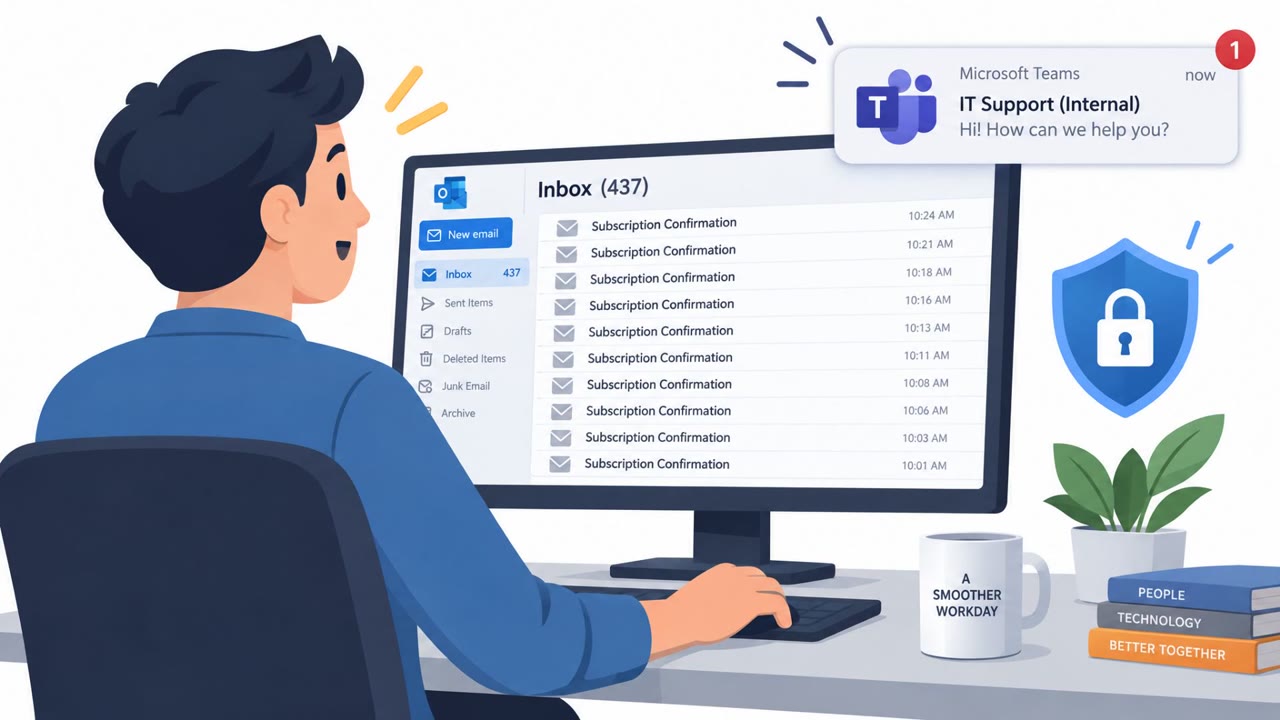
Fake Teams Support Chats Open Door to Ransomware

Fake Teams Support Chats Open Door to Ransomware

Attackers are using Microsoft Teams external chat to pose as internal IT support staff, often after overwhelming employees with email subscription messages. They persuade victims to join a voice call, approve remote-control tools, or run commands, with some incidents ending in malware infections…

October 27, 2026
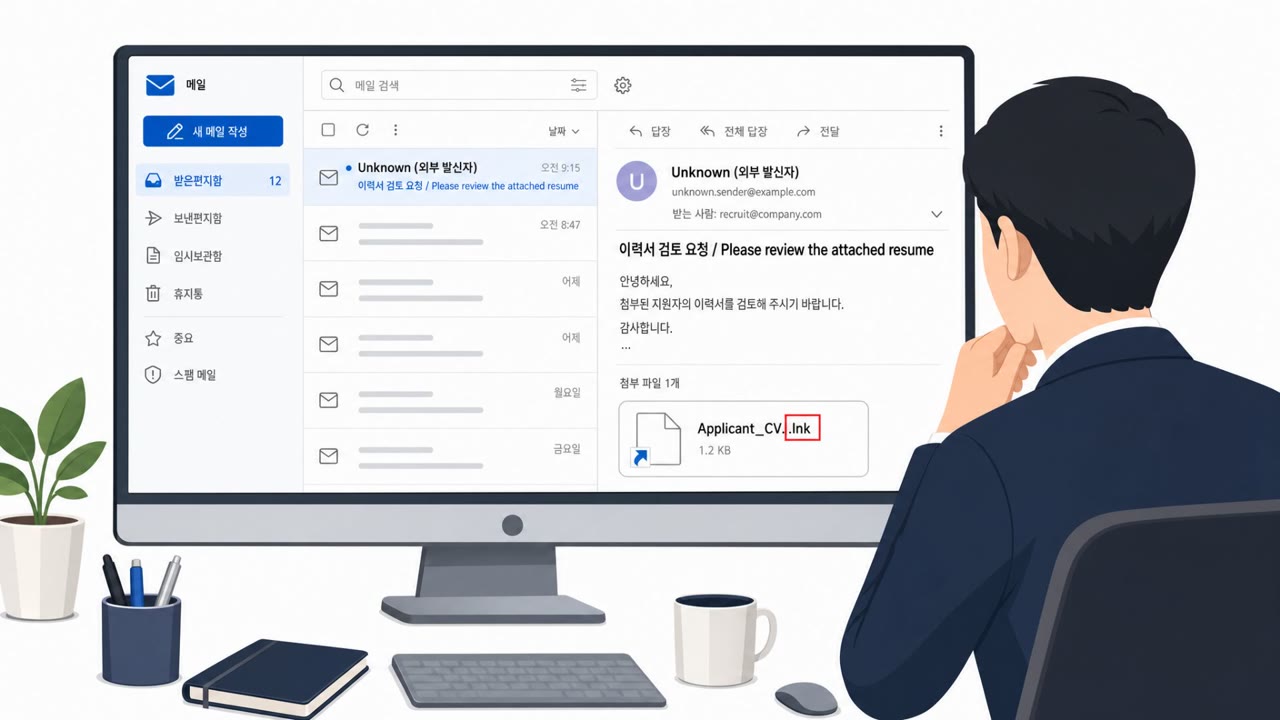
Korea APTs Push LNK “Resume” Spear‑Phish

Korea APTs Push LNK “Resume” Spear‑Phish

AhnLab reports that many APT attacks targeting organizations in South Korea in July 2026 started with spear‑phishing emails that delivered malicious Windows shortcut (LNK) files disguised as legitimate documents (including resumes). When opened, the LNK runs scripts that install…

August 28, 2026
Fake FedEx Invoice Delivers Sirius Backdoor

Fake FedEx Invoice Delivers Sirius Backdoor

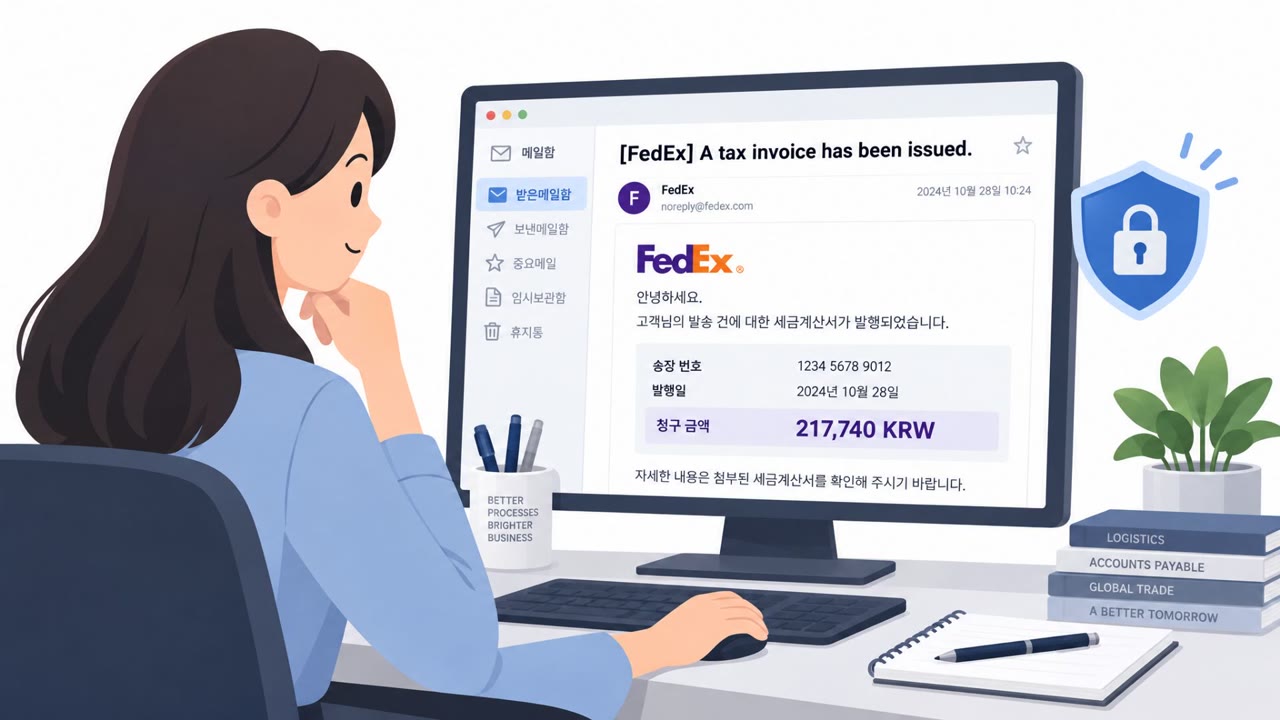
Attackers sent Korean-language emails posing as FedEx tax invoices to pressure billing and payment staff into opening a ZIP attachment. The attachment contains a blank-looking PDF that asks the recipient to approve a security prompt, allowing hidden commands to launch malware on Windows.

October 27, 2026
Fake Legal Notices Hide Malware in VLC and VMware

Fake Legal Notices Hide Malware in VLC and VMware

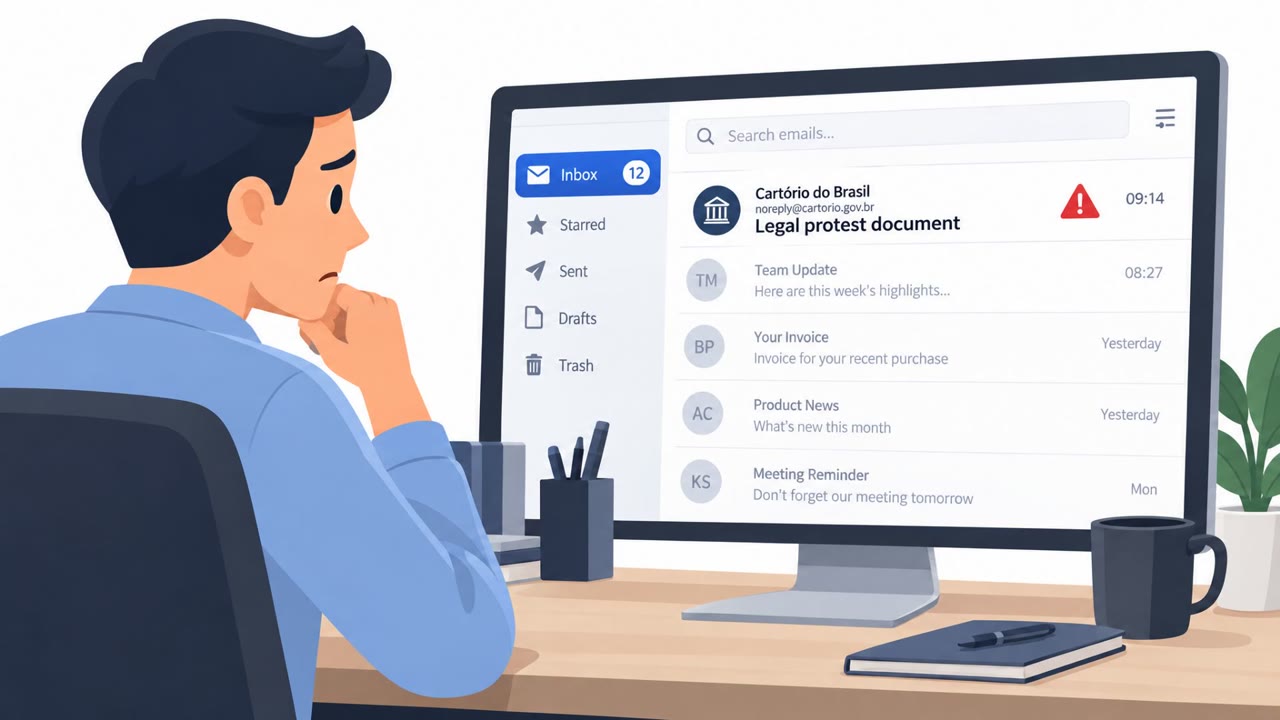
Three real malware campaigns targeted people in Brazil and Portugal with fake legal notices, invoice pages, and finance-themed documents. Victims were directed to scripts, installers, or an ISO file that abused trusted VLC, VMware, and Microsoft utilities to load malicious code. The most useful…

October 27, 2026
Fake CAPTCHA ‘ClickFix’ Drops Cruciferra Malware

Fake CAPTCHA ‘ClickFix’ Drops Cruciferra Malware

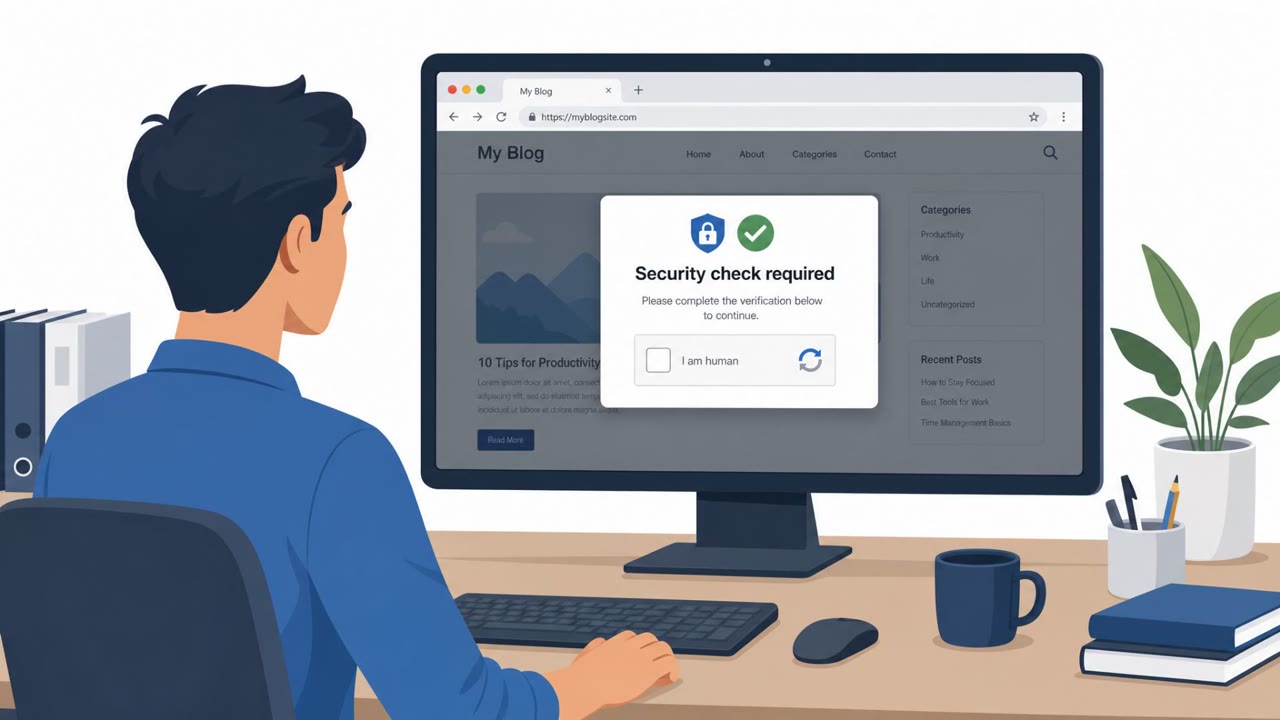
A real malware campaign used compromised websites to show fake CAPTCHA/verification pages that tricked people into copying and running a PowerShell command themselves. That manual “copy/paste” step helped the attackers bypass normal download defenses and install the Cruciferra loader, which then…

August 25, 2026
Fake CAPTCHAs Trick Users Into Running Malware

Fake CAPTCHAs Trick Users Into Running Malware

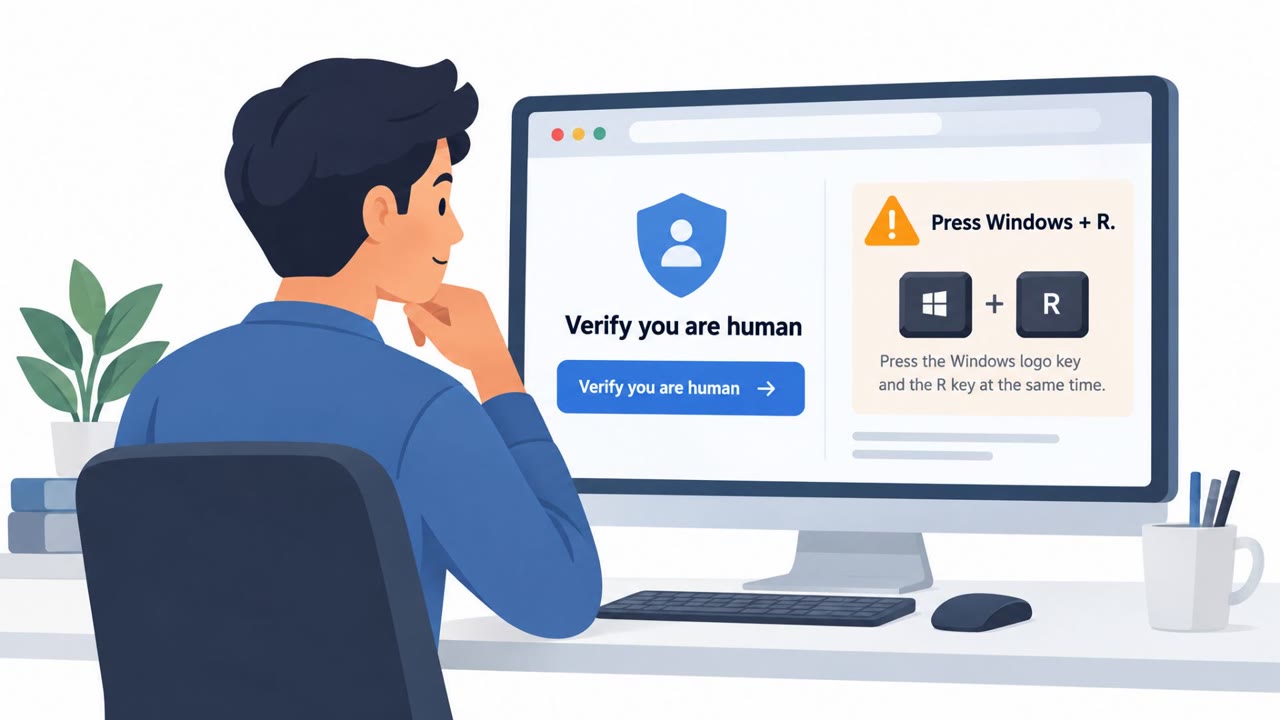
ClickFix is a real social-engineering technique that uses fake CAPTCHA checks, browser errors, and security prompts to persuade users to run malicious commands themselves. A victim is told to copy and paste a command into the Windows Run box, which can lead to password theft, remote access, or…

November 13, 2026