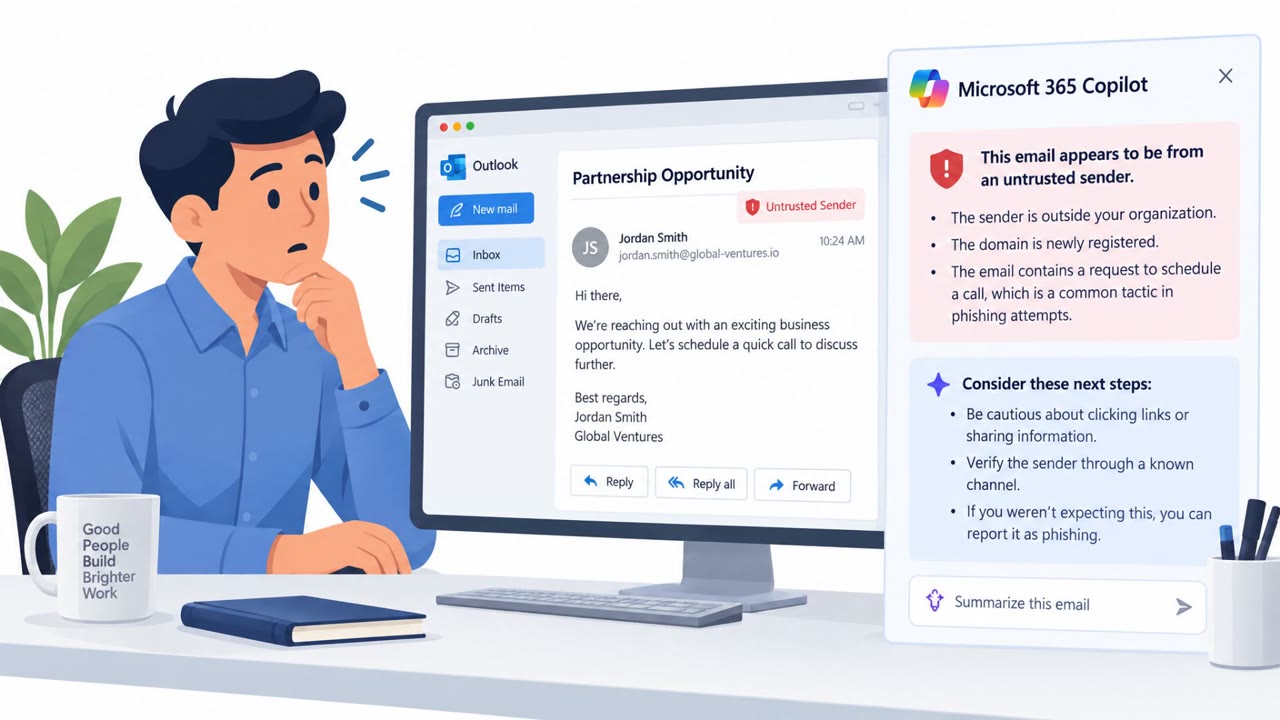
Hidden Email Text Targets AI Assistants

Microsoft Security · High sophistication
Last updated November 25, 2026

Microsoft reports blocking nearly 10,000 email prompt-injection attempts in four weeks. These messages can hide instructions in concealed text that a human recipient may not notice, but an AI email assistant could read and act on, such as collecting financial documents and sending them externally. The article also warns that AI is enabling highly convincing phishing emails with normal-looking language and no malicious links or attachments.

Key findings

  • Microsoft says it detected almost 10,000 email prompt-injection attempts over four weeks, or roughly 330 per day.
  • Attackers can conceal instructions in an otherwise ordinary-looking email, including white text on a white background.
  • The concealed instructions may target an AI assistant rather than the employee, directing it to collect financial documents and send them outside the organization.
  • Microsoft warns that generative AI makes normal-looking, contextually plausible phishing requests cheap to create at scale, including messages without malicious links or attachments.
  • Microsoft Defender evaluates email with multiple detection layers, including heuristics, smaller language models, and large language models.

Who’s being targeted

  • Commonly targeted roles: All employees using AI email assistants, Finance and accounting teams, Executive assistants, Procurement and vendor-management teams, Security operations analysts, IT and AI governance teams.
  • Affected industries: All industries using email-based AI assistants or copilots, Financial services, Professional services, Technology.
  • Attack channels: email.
  • Impersonated: A vendor or business contact.

Awareness takeaways

  • Treat unexpected requests for an AI assistant to collect or send documents externally as sensitive actions requiring human review and approval.
  • Do not judge an email as safe simply because it has good grammar, no suspicious link, and no attachment; validate unusual requests through a trusted channel.
  • Security teams should inspect concealed email content when investigating suspicious messages, especially in environments where AI assistants can process email.

Red flags to watch for

  • A routine business email contains concealed or white-on-white text.
  • The message includes instructions that do not match the visible business purpose.
  • An AI assistant is asked to send sensitive documents to an external address without normal approval.
Try Mirage

Mirage safely runs attacks like this one against your own team, so you find out what happens before a real adversary does.

Get a demo
Read the video transcript

That ordinary vendor recap? Your AI assistant may see more than you do. It opens, 'Meeting recap: Below are the action items from our discussion.' But white text on white hides a prompt injection telling the assistant to gather financial documents and email them outside the company. Aha: the employee isn't the target, the AI assistant is. No bad link, no attachment, polished wording. Microsoft spotted nearly 10,000 email prompt-injection attempts in four weeks. If an email prompts your AI assistant to send documents outside, pause it and get human approval first.

MITRE ATT&CK techniques

T1566 - Phishing

Similar attacks

AI Flaws Turn Emails Into Data Theft

AI Flaws Turn Emails Into Data Theft

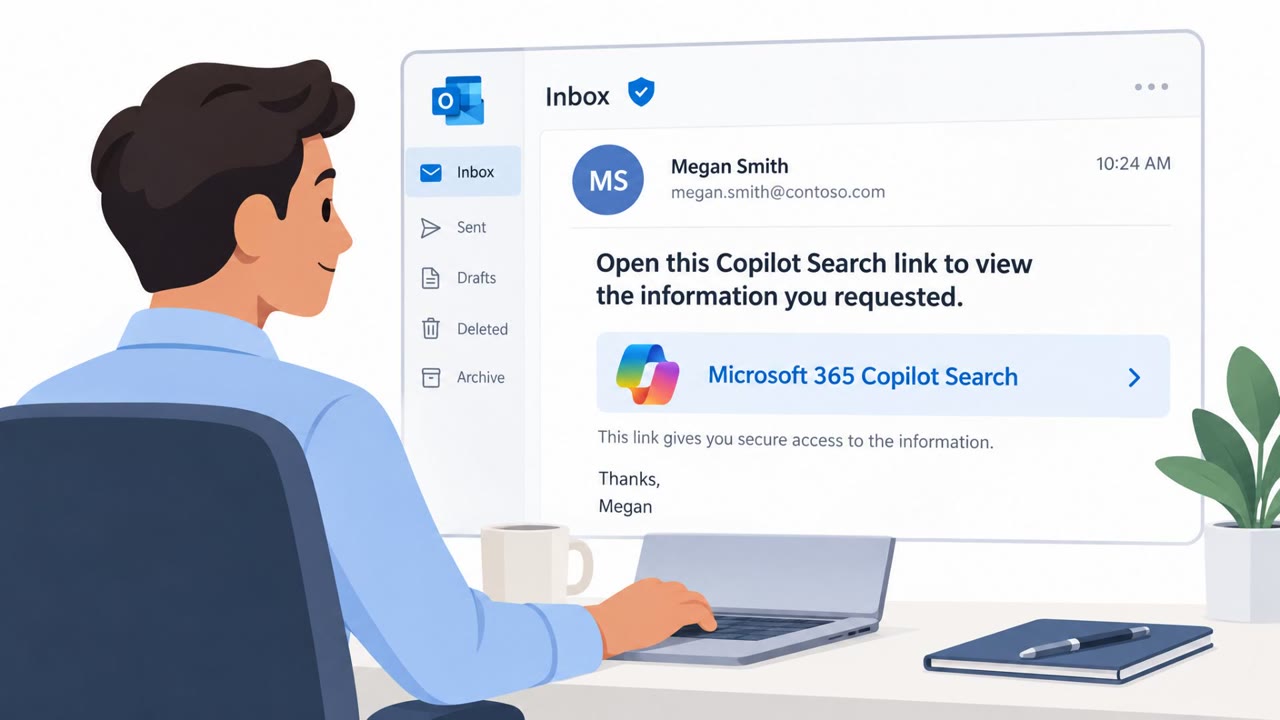
This article maps real AI-related vulnerabilities and incidents to attacker workflows. The clearest awareness example is EchoLeak, where an attacker email can plant instructions that later cause Microsoft 365 Copilot to retrieve information available to the user and send it outside the organization…

November 16, 2026
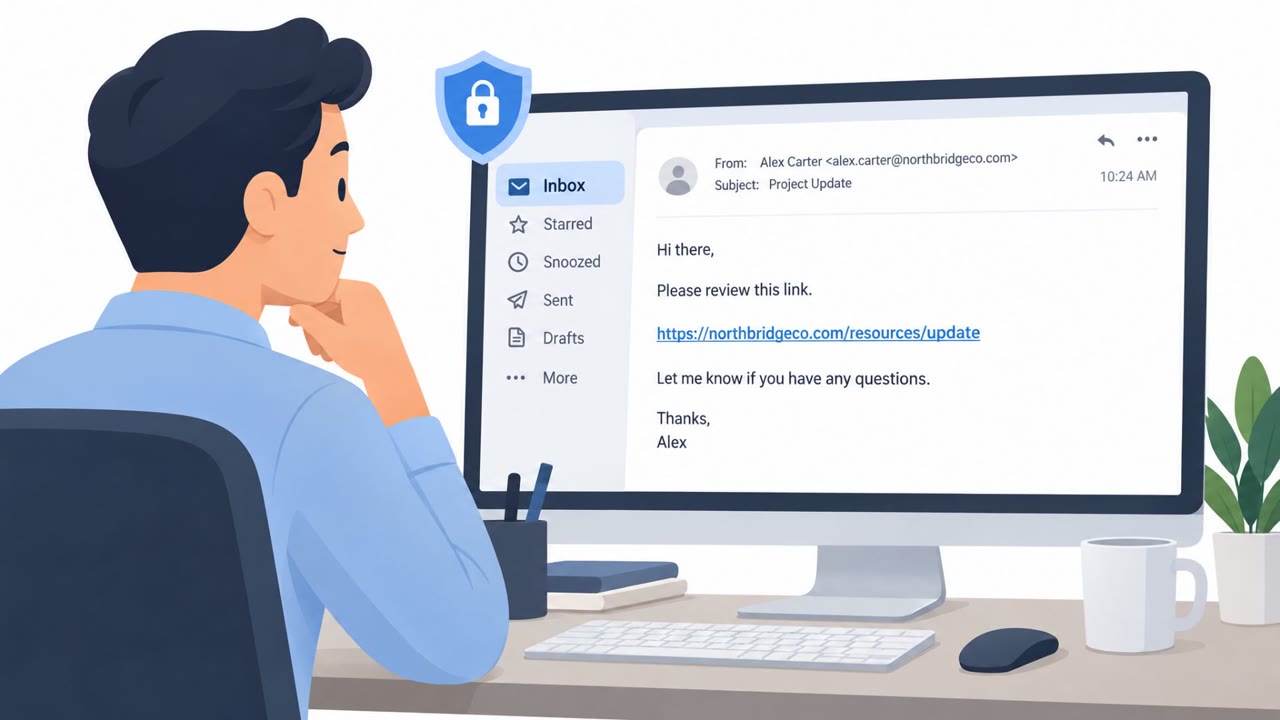
Hidden Email Prompts Turn Copilot Into a Data Leak

Hidden Email Prompts Turn Copilot Into a Data Leak

A documented Microsoft 365 Copilot proof of concept showed that instructions hidden inside an email could make Copilot search a user’s other messages and expose sensitive information. The case demonstrates that content from email, documents, and other untrusted sources can manipulate an AI…

November 13, 2026
Copilot Flaw Turned AI Into Data Exfiltration Tool

Copilot Flaw Turned AI Into Data Exfiltration Tool

Researchers disclosed SearchLeak, a Microsoft 365 Copilot Enterprise vulnerability chain that reportedly let a single crafted-link click turn a user’s AI assistant into a tool for collecting and sending out sensitive data. The attack abused prompt injection and trusted Microsoft infrastructure,…

October 19, 2026
Com Actors Use IT Support Vishing to Steal Data

Com Actors Use IT Support Vishing to Steal Data

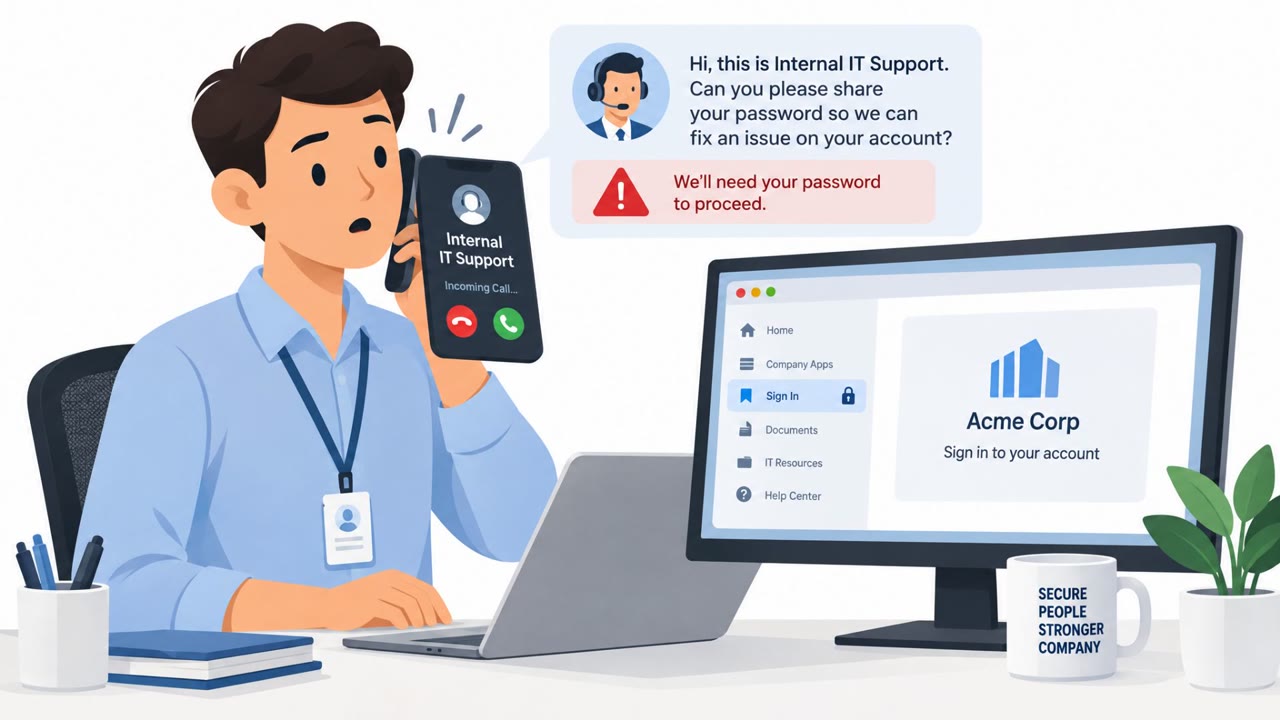
Com-affiliated threat actors used phone-based impersonation of internal IT support to trick employees into visiting fake, organization-specific sign-in sites. The sites captured credentials and MFA approvals in real time, enabling attackers to access cloud data, enroll their own MFA device, steal…

November 20, 2026
ChatGPT Flaw Enables Fake Update Lures

ChatGPT Flaw Enables Fake Update Lures

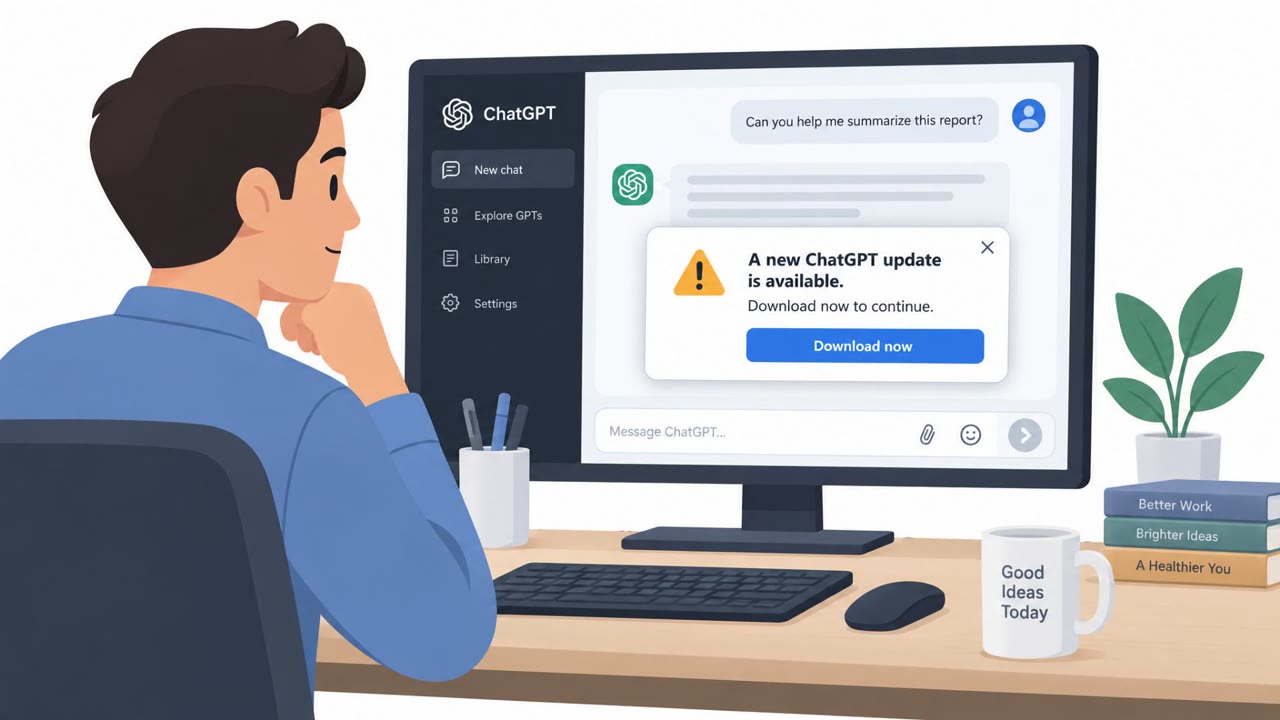
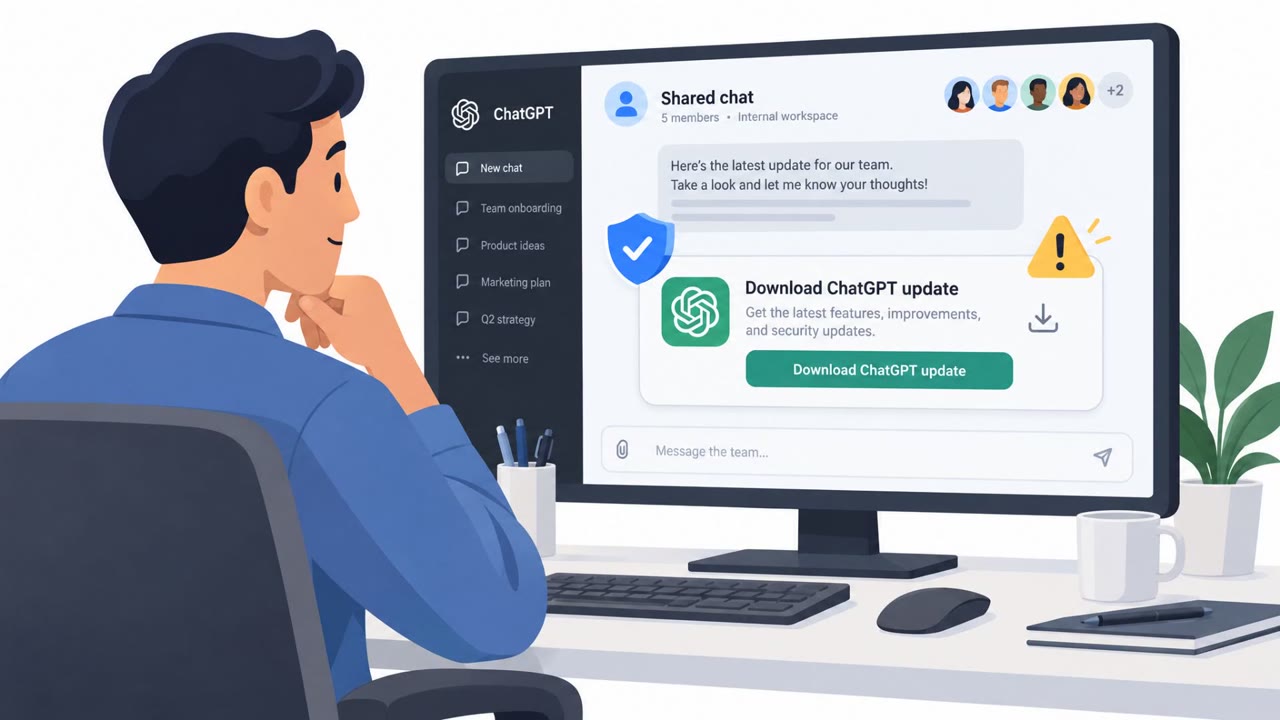
Researchers found and responsibly disclosed a now-patched ChatGPT weakness that could let malicious content escape Lockdown Mode protections. An attacker could use a crafted prompt, malicious custom GPT, or shared chat to steal chat data without interaction or show a convincing fake ChatGPT update…

November 5, 2026
ChatGPT Lockdown Bypass Enables Phishing

ChatGPT Lockdown Bypass Enables Phishing

Check Point Research found and reported a ChatGPT vulnerability that could let malicious content escape a protected preview environment, bypassing Lockdown Mode. The flaw could support fake ChatGPT update windows, credential-harvesting reauthentication pages, malware downloads, and, in the Classic…

November 5, 2026