Researchers identified Volant Manticore, an Iran-linked espionage group that used phishing lures against organizations in Cyprus and Saudi Arabia. The group used fake CVs, healthcare-themed archives, and malicious documents to try to gain access, steal credentials, and install remote-access tools.
How the attack worked
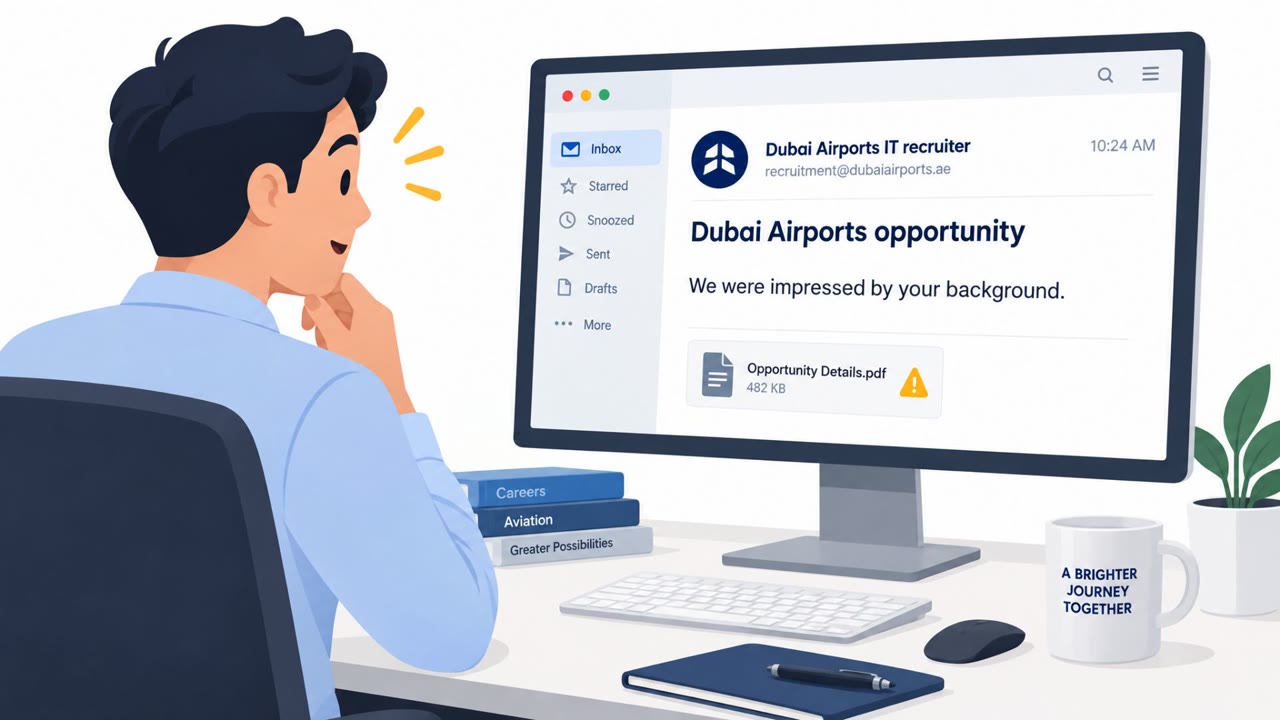
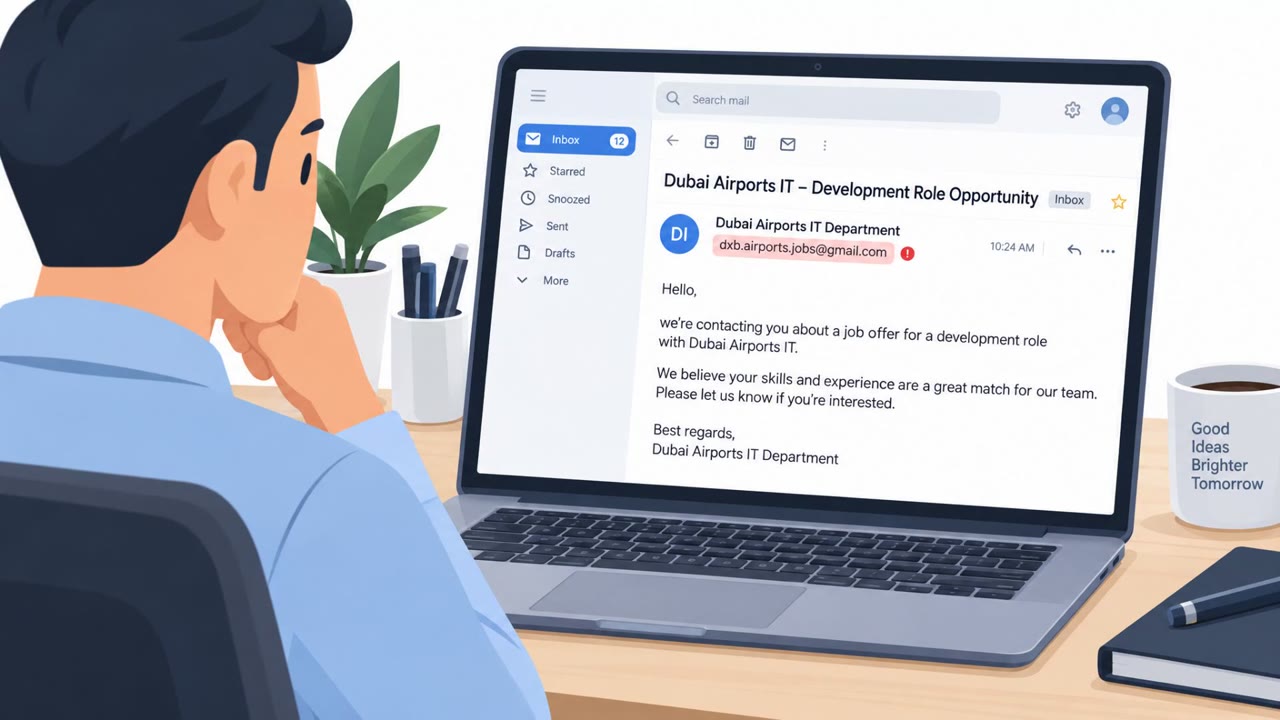
Check Point Research traced activity from a group it calls Volant Manticore, assessed as Iran-linked, back to at least September 2025. The group targeted telecommunications, aviation, and critical infrastructure organizations in Cyprus, then shifted toward increased phishing activity against Saudi organizations apparently focused on healthcare. The lures observed in this campaign included a fake CV sent to recruiting contacts, healthcare-themed archives, and malicious documents designed to look relevant to the targeted sector.
Alongside these lures, researchers identified a backdoor called KuboShell, a tool referred to as Homa Framework, credential-harvesting infrastructure, and legitimate remote-management tools such as NetLock RMM, N-able RMM, and MeshCentral. The combination suggests an operation built around gaining initial access through a believable document, then using that foothold to harvest credentials or establish remote control.
Why it succeeded
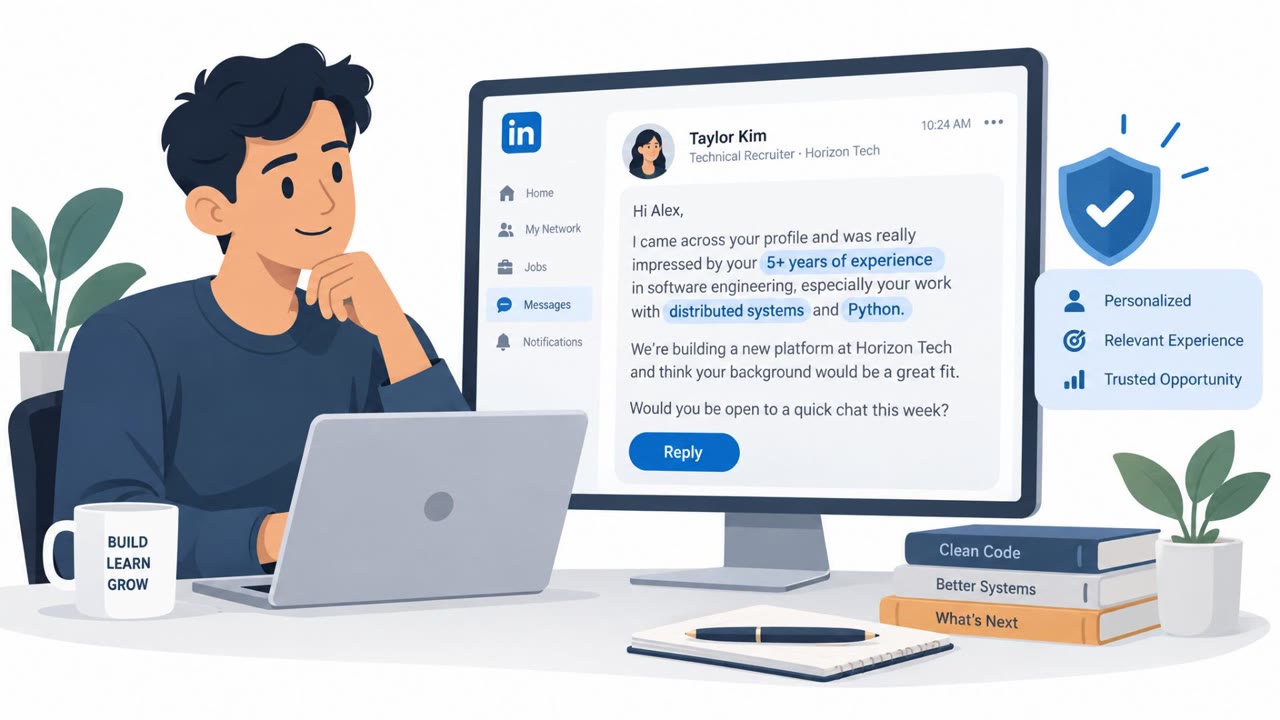
The pretexts used here work because they target routine business processes that are hard to refuse. A recruiter who regularly receives résumés from unknown applicants has little basis to distrust an unsolicited CV. Likewise, a healthcare-themed document sent to administration or clinical support staff can look like ordinary business correspondence rather than an intrusion attempt. Check Point assesses that some lures were tailored to specific organizations, which means recipients cannot rely on a message simply looking generic or mass-produced as a sign of safety.
Importantly, the reporting does not establish that the named target organizations were actually compromised. That distinction matters: the campaign shows capability and intent, not confirmed breach outcomes, but the tooling involved indicates a credible threat if an attachment is opened.
What to watch for
- An unsolicited job application arriving as an archive file rather than a standard résumé format
- A sender or applicant who cannot be verified through normal recruiting channels
- Healthcare-themed documents or archives that arrive without a known business reason
- Any request to open an attachment tied only to a general sector theme rather than a specific, verifiable relationship
How to build resistance
- Treat unexpected archive attachments in recruiting workflows as a verification step, not an automatic open
- Confirm the sender and business purpose before opening healthcare-themed documents, even when they appear sector-relevant
- Train staff across HR, recruiting, and healthcare administration that targeted phishing can be customized to their role or organization
- Encourage prompt reporting of suspicious attachments, since this activity has been linked to credential-harvesting infrastructure and remote-access tooling
This pattern reinforces a broader lesson: familiar business processes like hiring and document sharing are frequent targets precisely because they are routine, and verification habits need to hold up even when a message looks ordinary.
Key findings
- Check Point Research traced Volant Manticore activity to at least September 2025 and assessed the group as Iran-linked.
- The group targeted telecommunications, aviation, critical infrastructure, and Saudi organizations apparently focused on healthcare.
- Observed phishing material included a fake CV, healthcare-themed archives, and malicious documents.
- Researchers also identified credential-harvesting infrastructure, the KuboShell backdoor, Homa Framework, and legitimate remote-management tools.
- Reporting does not establish that the named organizations were successfully compromised.
Who’s being targeted
- Commonly targeted roles: Human Resources, Recruiters, Hiring managers, Healthcare administration, Operations staff, Clinical support staff, Employees who receive external documents.
- Affected industries: Healthcare, Telecommunications, Aviation, Critical infrastructure.
- Attack channels: email.
- Impersonated: Job applicant, Healthcare-related sender.
Red flags to watch for
- An unsolicited application arrives as an archive rather than a normal résumé file.
- The sender or application cannot be verified through the normal recruiting process.
- The attachment is a healthcare-themed archive or unexpected document.
- The message uses a broad healthcare theme rather than a request tied to a known contact or workflow.
- The attachment is an unexpected archive.
- The sender asks the recipient to open a document without an independently verified business reason.
Frequently asked questions
Who is behind this campaign?
Researchers at Check Point Research attribute the activity to Volant Manticore, a group they assess as Iran-linked, with observed activity dating to at least September 2025.
What industries were targeted?
The campaign targeted telecommunications, aviation, and critical infrastructure in Cyprus, along with Saudi organizations apparently focused on healthcare.
What did the phishing lures look like?
Observed lures included a fake CV, healthcare-themed archives, and malicious documents sent to recruiting and healthcare administration staff.
Were the targeted organizations actually compromised?
The reporting does not establish that the named target organizations were successfully compromised, though researchers identified associated credential-harvesting infrastructure and tools.
Read the video transcript
“Please find my CV attached.” Sounds routine, right? Volant Manticore used fake CVs and healthcare-themed archives as phishing lures. The twist: the résumé arrives as a ZIP file, not a normal résumé. Open the wrong document, and the campaign could lead to stolen credentials or remote access. A healthcare label isn’t proof the sender belongs in your hiring process. Before opening an unsolicited CV or healthcare archive, verify the applicant through your established recruiting channel.