Midnight Blizzard Poisons Trusted Mobile Sites

Security Week · High sophistication
Last updated November 5, 2026

Russia-linked Midnight Blizzard compromised and cloned trusted websites to silently target iPhone and Android visitors in Europe and the United States. The campaign used watering-hole websites and a compromised web analytics service to profile devices and deliver exploit chains that could steal sensitive mobile data.

Key findings

  • Midnight Blizzard used compromised and cloned high-profile websites as watering holes to target mobile-device visitors.
  • The malicious website code fingerprinted visitors' browsers and devices before delivering exploits.
  • Lookalike reverse-proxy sites copied america250.org and the Raffles London at The OWO website, allowing attackers to inject malicious code.
  • A compromised Plerdy web tracker exposed hundreds of websites, including military-related sites, to the exploit kit for one week.
  • The iOS and Android payloads were designed to steal browser cookies, passwords, account data, messages, contacts, and other sensitive device information.

Who’s being targeted

  • Commonly targeted roles: Government and diplomatic staff, Executive assistants, High-profile travelers, Military and defense personnel, Mobile device users, IT and security teams.
  • Affected industries: Government and diplomatic organizations, Military and defense, Energy, Political organizations, Hospitality, Information technology services, Non-governmental organizations.
  • Attack channels: website.
  • Impersonated: Raffles London at The OWO, Plerdy web analytics service.

Awareness takeaways

  • Treat trusted websites as a potential risk when they use third-party services; compromise of a supplier can expose visitors without any suspicious email or download.
  • Verify the exact web address before visiting sites related to sensitive travel, government work, or high-profile events, especially when arriving through an unsolicited link.
  • Install mobile operating-system and browser updates promptly, because attackers can exploit vulnerabilities even after fixes are publicly available.
  • Assume a mobile-device compromise can expose more than work email; protect and report suspected compromise quickly because attackers may seek passwords, messages, contacts, and browser data.

Red flags to watch for

  • The site may be a lookalike domain rather than the hotel's official address.
  • Unexpected redirects or a URL that differs slightly from the known hotel domain should be treated as suspicious.
  • A website does not need to ask for a download or password to be dangerous if the device is unpatched.
  • Trusted websites can be affected through third-party analytics or advertising code.
  • Keep mobile operating systems and browsers updated, because this campaign targeted vulnerabilities that had already been patched.
  • Unexpected browser behavior on a sensitive or trusted site should be reported promptly.
Try Mirage

Mirage safely runs attacks like this one against your own team, so you find out what happens before a real adversary does.

Get a demo
Read the video transcript

A hotel website can target your phone without asking for a password. Midnight Blizzard cloned the Raffles London site and america250.org. A lookalike address led to a reverse-proxy copy that injected code, fingerprinted iPhones and Androids, then delivered exploits. Here's the catch: even a real site wasn't necessarily safe. A compromised Plerdy tracker reached hundreds of sites for a week. No download needed; patched vulnerabilities could expose cookies, passwords, messages and contacts. The memorable part? Just visiting was enough. Update your phone's operating system and browser today.

MITRE ATT&CK techniques

T1189 - Drive-by CompromiseT1584.006 - Compromise Infrastructure: Web ServicesT1608.005 - Stage Capabilities: Link Target · Stage CapabilitiesT1550.004 - Use Alternate Authentication Material: Web Session Cookie

Similar attacks

Booby-Trapped Sites Target Mobile Visitors

Booby-Trapped Sites Target Mobile Visitors

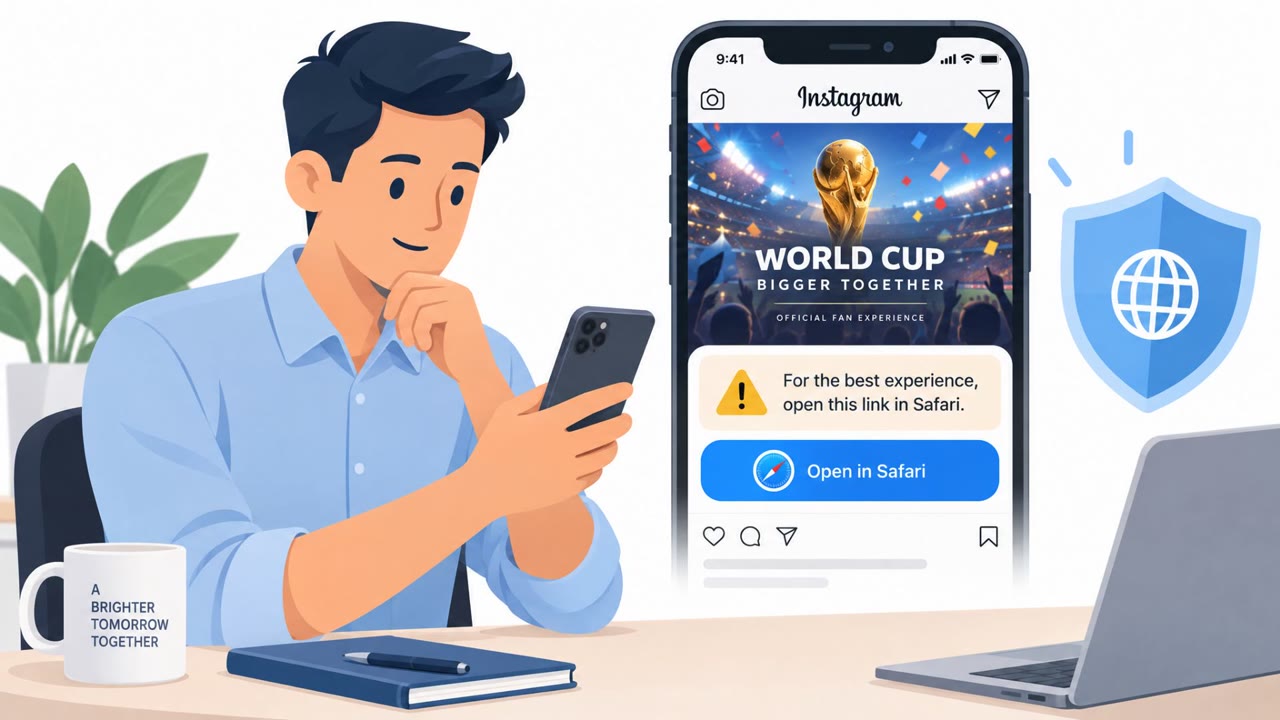
APT29-linked operators compromised trusted websites and a web-analytics supplier to silently target visitors’ mobile devices. Related campaigns also used World Cup-themed ads, fake prize pages, and instructions to open pages in Safari to steer iPhone users toward browser exploits. The practical…

November 4, 2026

APT29 Poisons Websites to Target Mobile Users

APT29 Poisons Websites to Target Mobile Users

A Russia-linked group assessed as APT29 compromised legitimate websites, cloned trusted websites, and tampered with a Ukrainian analytics service to target mobile visitors. The campaign delivered exploits to unpatched iPhone and Android devices, with fake sites impersonating a U.S. anniversary…

November 5, 2026
Fake GitHub Lure Tricks macOS Users Into Stealer

Fake GitHub Lure Tricks macOS Users Into Stealer

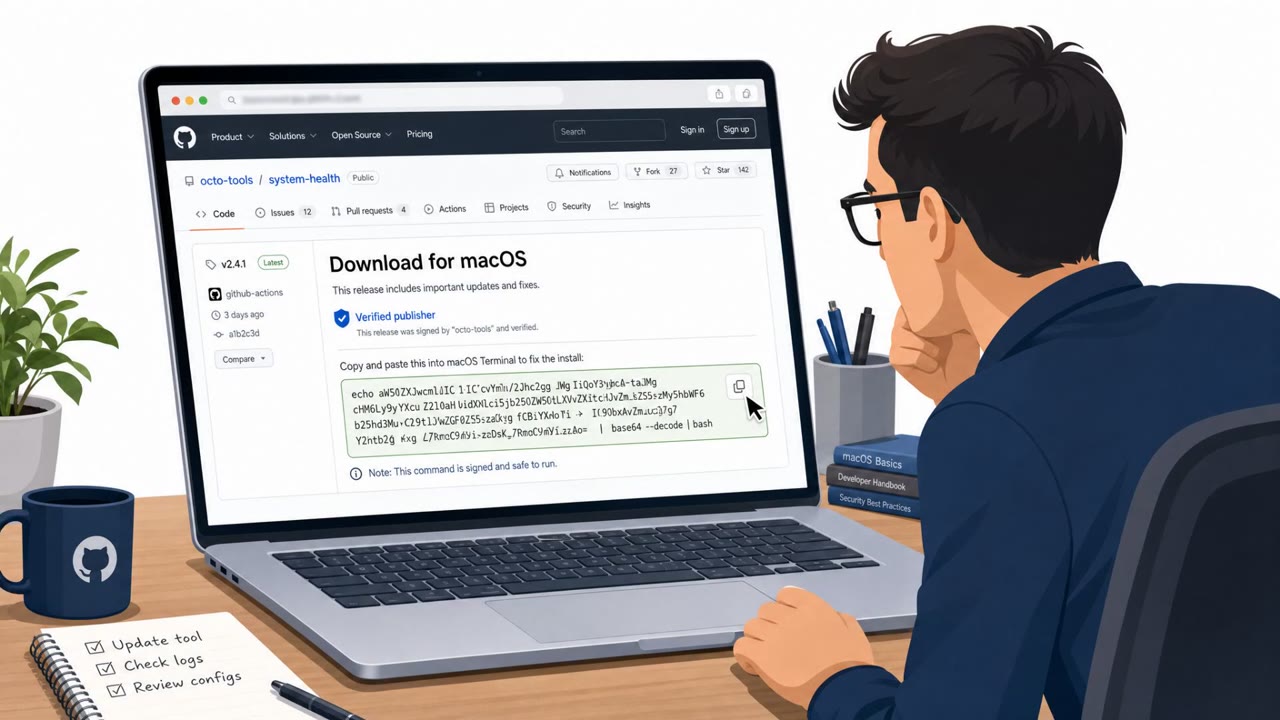
Researchers described AmnesiaStealer, a macOS info-stealer spread through a counterfeit “Download for macOS” page that tricks users into pasting a command into Terminal. The malware steals passwords and browser session data, and can even give an attacker live, hidden control of the victim’s browser…

August 17, 2026
Fake Download Sites Hide Selective Malware Chains

Fake Download Sites Hide Selective Malware Chains

The article describes real malware-delivery operations that use fake open-source download sites, advertising redirects, and device profiling to decide who receives malicious content. Attackers hide the final payload behind ordinary-looking pages and scripts, while sending researchers, bots, and…

October 28, 2026
Instagram Ads Push iPhone Spyware Kits

Instagram Ads Push iPhone Spyware Kits

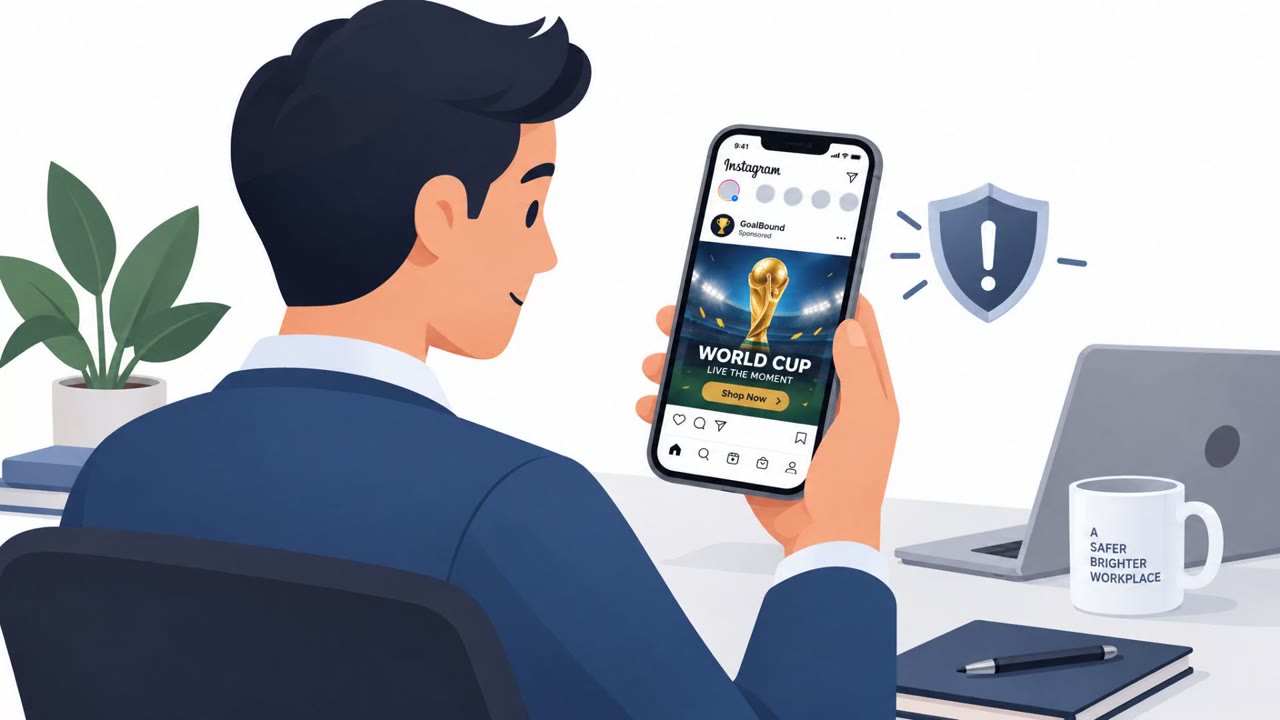
Researchers found criminals using World Cup-themed Instagram advertisements, compromised websites, and abandoned analytics tags to expose iPhone users to Coruna and DarkSword spyware kits. The attacks can begin when malicious advertising or web content loads, with little or no action beyond…

October 27, 2026
Stolen Microsoft 365 Tokens Hit 79 Organizations

Stolen Microsoft 365 Tokens Hit 79 Organizations

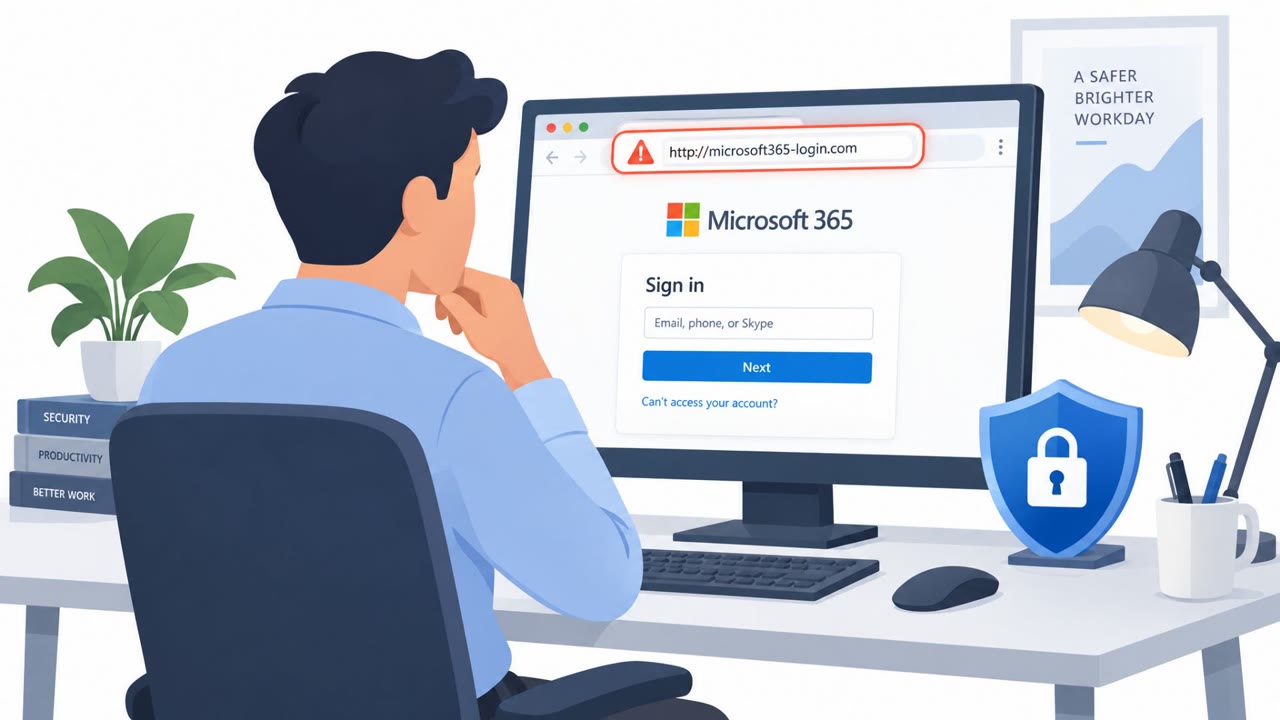
Attackers used fake Microsoft sign-in pages and device-code phishing to capture or obtain authenticated Microsoft 365 sessions, bypassing the need to repeat multi-factor authentication. They then took over accounts, added their own devices and authentication methods, and hid messages with inbox…

October 27, 2026