APT29 Poisons Websites to Target Mobile Users

Security Affairs · High sophistication
Last updated November 5, 2026

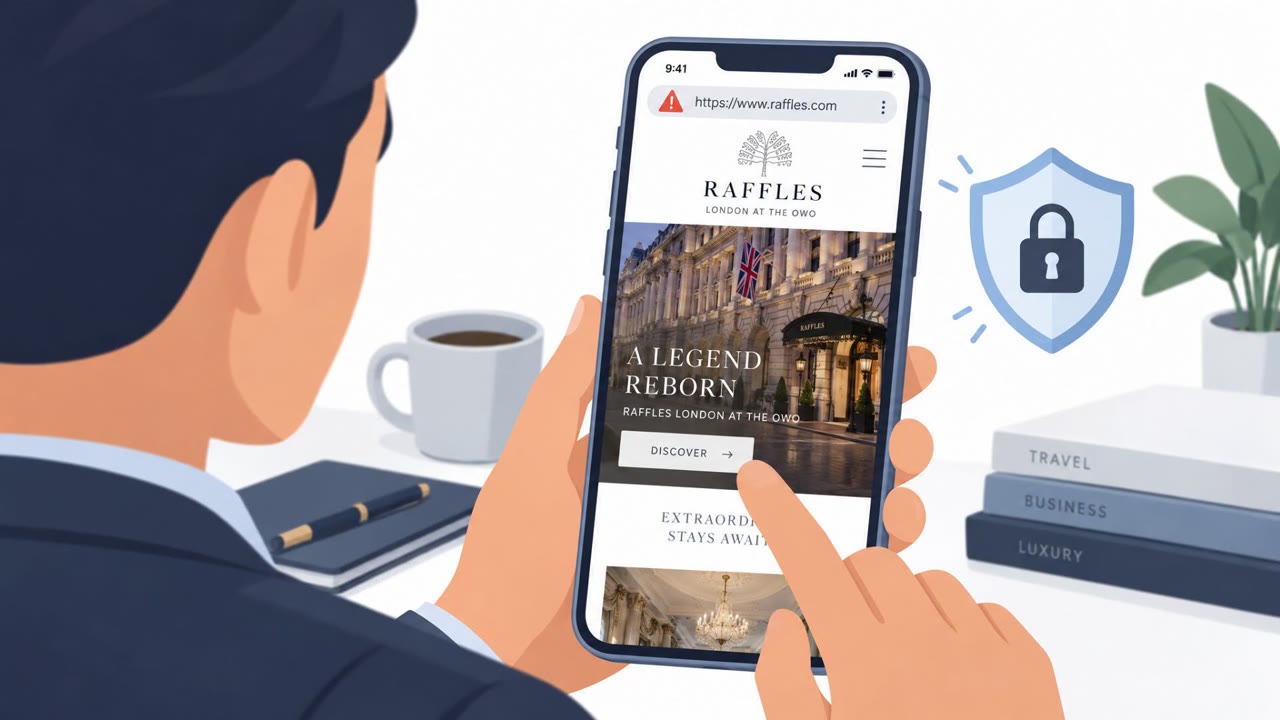
A Russia-linked group assessed as APT29 compromised legitimate websites, cloned trusted websites, and tampered with a Ukrainian analytics service to target mobile visitors. The campaign delivered exploits to unpatched iPhone and Android devices, with fake sites impersonating a U.S. anniversary initiative and a prominent London hotel potentially used to reach high-value visitors.

Key findings

  • APT29 is assessed with moderate to high confidence to be behind a watering-hole campaign targeting iOS and Android users.
  • Attackers used three delivery methods: injected JavaScript on hacked sites, cloned websites containing malicious code, and a compromised Plerdy analytics script.
  • Two fake sites impersonated America250 and Raffles London at The OWO; the hotel clone acted as a reverse proxy of the legitimate hotel site.
  • The Plerdy compromise exposed visitors to thousands of websites, mostly Ukrainian, between August 27 and September 3, 2026.
  • The delivered exploit chains stole sensitive mobile data, including browser cookies, saved logins, Wi-Fi credentials, messages, and device data.
  • The operation used known, already-patched vulnerabilities; fully updated iOS and Android devices were not vulnerable.

Who’s being targeted

  • Commonly targeted roles: Government and diplomatic staff, Defense and military personnel, Executive assistants and travel coordinators, Frequent business travelers, Mobile device users, Security awareness teams.
  • Affected industries: Government and diplomatic organizations, Military and defense, Energy, Chemical industry, Political organizations, Hospitality, Healthcare.
  • Attack channels: website.
  • Impersonated: Raffles London at The OWO, Plerdy web analytics service.

Awareness takeaways

  • Verify the web address independently before using hotel, travel, event, or government-related websites, especially when travel involves sensitive meetings or high-profile visitors.
  • Keep mobile operating systems and browsers updated promptly; simply visiting a compromised site can be enough to expose an unpatched device.
  • Do not assume a familiar website is safe just because its content looks normal; trusted sites and third-party services can be compromised behind the scenes.
  • Report unexpected mobile-browser behavior, redirects, or suspicious pages to security teams, particularly when accessing websites related to government, defense, travel, or current events.

Red flags to watch for

  • The site uses a lookalike domain rather than the hotel's verified domain.
  • A hotel or event website is accessed through an unsolicited or unverified link.
  • Users are asked to visit a site related to a high-profile trip or event without independently verifying the URL.
  • A legitimate site can be compromised even when its visible content appears normal.
  • Mobile operating systems and browsers that are not updated may be exposed simply by visiting a website.
  • Unexpected redirects or unusual browser behavior after opening a trusted site should be reported.
Try Mirage

Mirage safely runs attacks like this one against your own team, so you find out what happens before a real adversary does.

Get a demo
Read the video transcript

That London hotel site could look perfect, and still be a trap. APT29 used a watering-hole trick: theowo[.]club copied the real hotel site. They also planted code on hacked sites and in Plerdy analytics, loaded by thousands of websites. Here’s the catch: even a normal-looking page can exploit an unpatched phone just by loading. Cookies, saved logins, and messages could be stolen. Updated devices weren’t vulnerable. Your move: update your phone’s operating system and browser before your next trip.

Similar attacks

Midnight Blizzard Poisons Trusted Mobile Sites

Midnight Blizzard Poisons Trusted Mobile Sites

Russia-linked Midnight Blizzard compromised and cloned trusted websites to silently target iPhone and Android visitors in Europe and the United States. The campaign used watering-hole websites and a compromised web analytics service to profile devices and deliver exploit chains that could steal…

November 5, 2026
Lazarus Uses Fake Résumés to Target South Korea

Lazarus Uses Fake Résumés to Target South Korea

Lazarus targeted South Korean organizations with spear-phishing emails that linked to fake, tailored résumé, portfolio, and interior-design websites. Visiting the sites likely triggered an infection through commonly required financial-security software, allowing the attackers to install malware…

October 21, 2026
ClickFix Lures Turn Trusted Sites Into Malware Traps

ClickFix Lures Turn Trusted Sites Into Malware Traps

A CTM360 report describes real-world “ClickFix” campaigns where attackers compromise legitimate websites and show fake error/verification messages that trick users into copying a command and pasting it into trusted system tools (Run box, PowerShell, Terminal). This approach avoids traditional…

September 24, 2026
Fake Cloudflare Check Tricks Users Into Running PowerShell

Fake Cloudflare Check Tricks Users Into Running PowerShell

Researchers observed real-world infections where compromised WordPress sites showed a fake “Cloudflare Turnstile” verification and instructed visitors to press Win+R and run a PowerShell command. The attacker’s page guides victims step-by-step (and reports progress back to the operator) to execute…

September 21, 2026
Korea Flags Job-Offer Phish + Watering Holes

Korea Flags Job-Offer Phish + Watering Holes

South Korean agencies warned that a state-backed hacking group is actively targeting citizens and businesses using job-themed phishing emails and “watering hole” attacks on legitimate websites. The phishing lures include fake job applicants sending resume links and impersonated recruiters sending…

July 31, 2026
Fake Resumes + Watering Holes Hit AnySign4PC Users

Fake Resumes + Watering Holes Hit AnySign4PC Users

A state-sponsored campaign in South Korea used spear-phishing and hacked “trusted” local websites to infect visitors who had vulnerable AnySign4PC installed. In some cases, simply visiting a compromised page triggered the exploit and installed SIGNBT or COPPERHEDGE backdoors without any download…

July 30, 2026