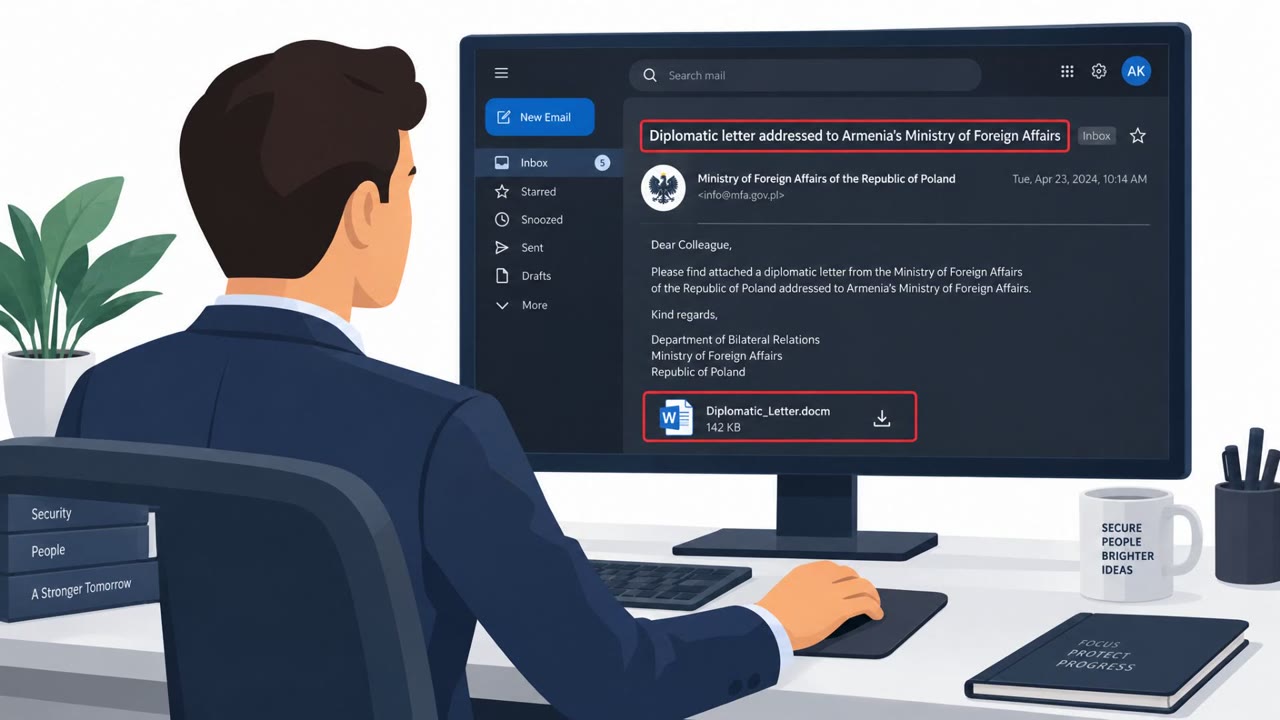
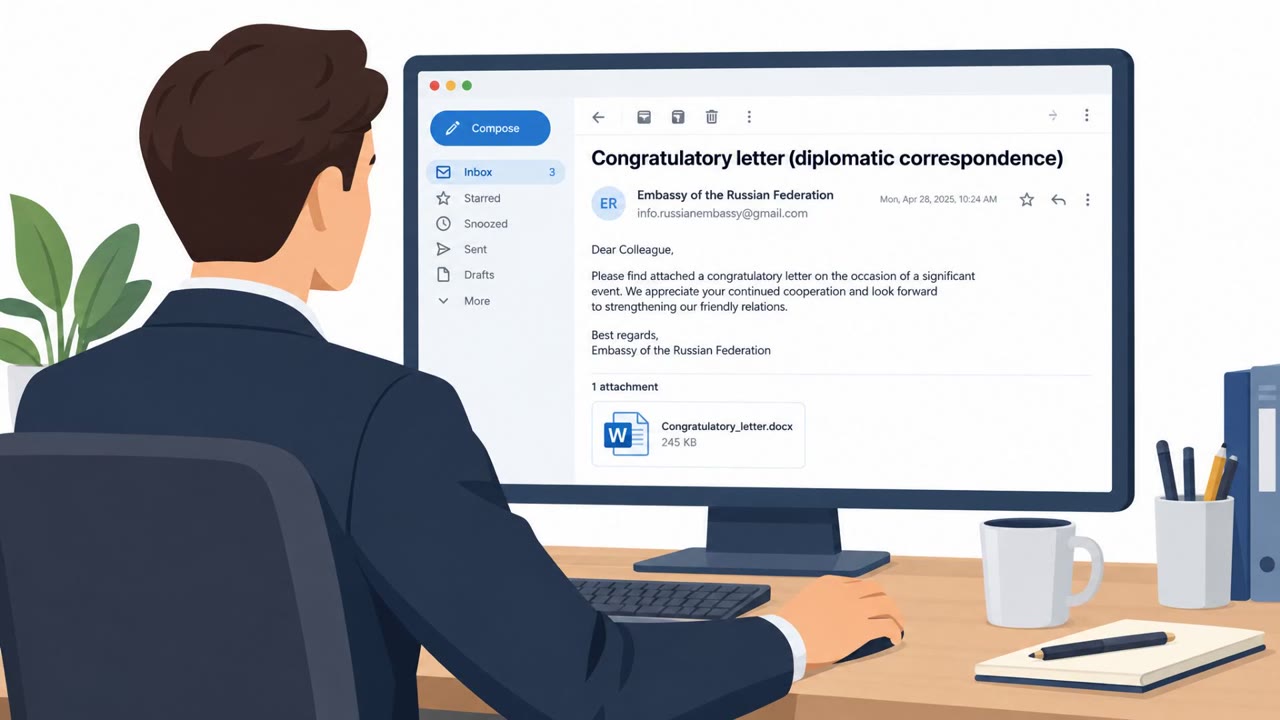
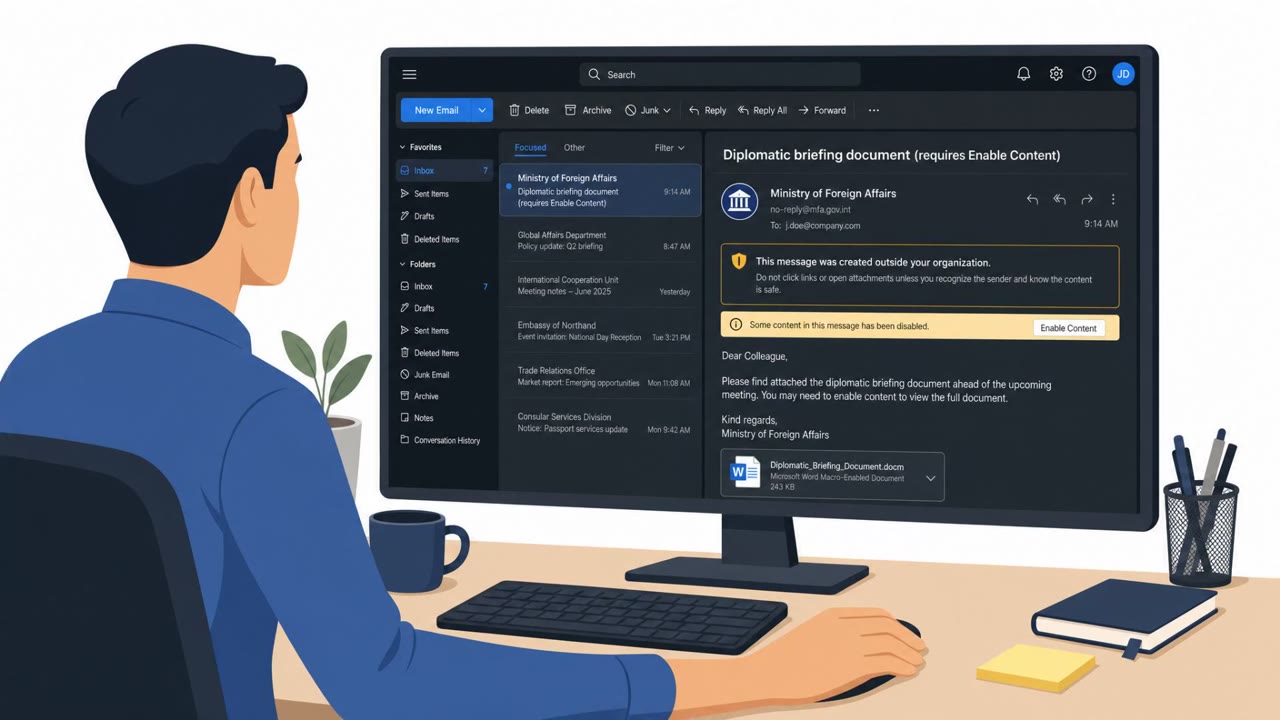
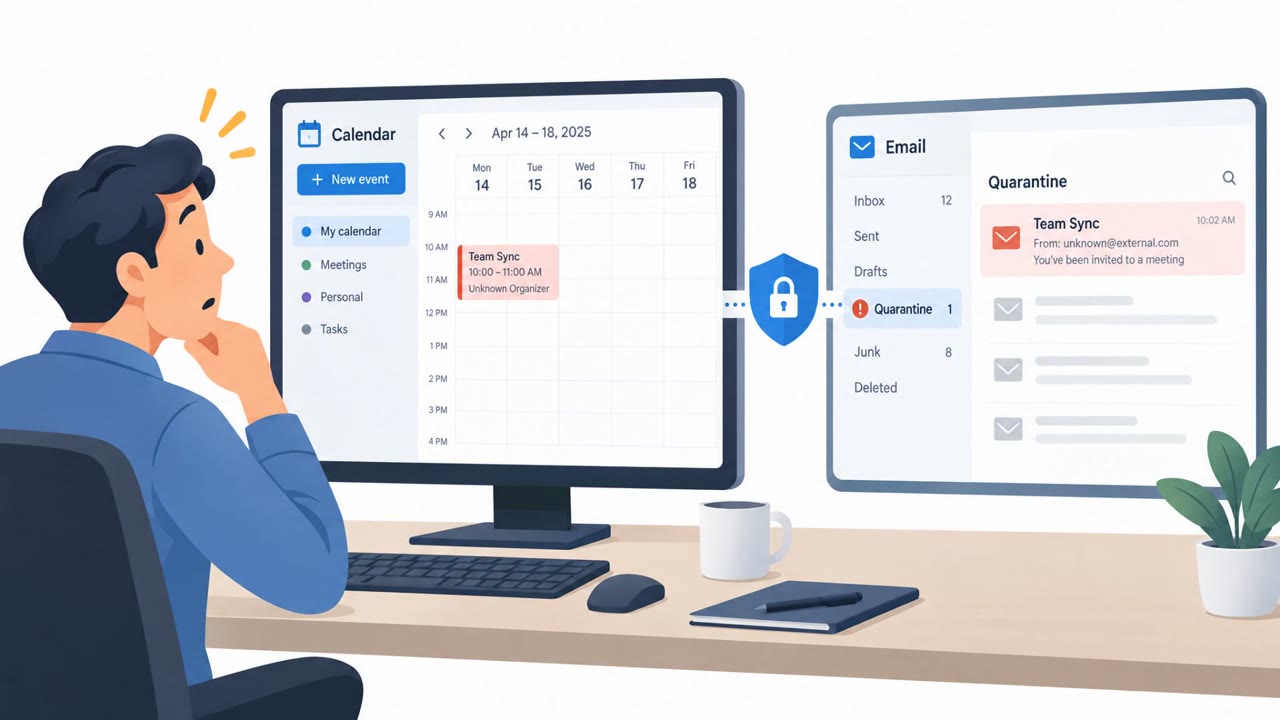
Russian authorities arrested three suspected members of VasyGrek, also known as Fluffy Wolf, a financially motivated group that used targeted phishing to access corporate systems and steal money. In one documented case, an accounting employee opened a malicious attachment disguised as a routine financial document from a business partner, allowing the attackers to access online banking and transfer funds.
Key findings
- VasyGrek, also called Fluffy Wolf, has reportedly targeted Russian companies since at least 2016 using phishing emails.
- The group used phishing websites impersonating financial and accounting services and malicious attachments disguised as financial documents.
- A documented attack targeted an accounting employee with an email appearing to be from a business partner.
- Opening the attachment allegedly gave the attackers remote access to the victim's computer and the company online-banking system.
- Kaspersky recorded more than 100 attempted attacks between January and September 2026 in Russia, Belarus and Kazakhstan.
- Reported targets included metallurgy, wholesale trade, government, healthcare, oil and gas, energy, finance, and agriculture.
Who’s being targeted
- Commonly targeted roles: Accounting, Finance, Accounts payable, Treasury, Procurement, Employees who handle business-partner documents, Government and industrial-sector employees.
- Affected industries: Metallurgical manufacturing, Wholesale trade, Government, Healthcare, Oil and gas, Energy, Finance, Agriculture.
- Attack channels: email.
- Impersonated: A business partner.
Awareness takeaways
- Treat unexpected financial attachments as suspicious, even when they appear to come from a known business partner. Confirm the document through a known contact method before opening it.
- Accounting and finance staff should use extra caution with documents that could affect payments or online banking, because these roles are attractive targets for financially motivated criminals.
- Do not rely on a familiar brand or service name alone; verify finance-related websites independently rather than following links in unexpected messages.
Red flags to watch for
- The document arrives unexpectedly, even though it appears to be from a known partner.
- The attachment requests that the recipient enable content or otherwise bypass normal security warnings.
- The sender address or reply-to address does not exactly match the real business partner.
Read the video transcript
A routine document from a business partner? That’s the trap. VasyGrek, also called Fluffy Wolf, sent accounting staff emails saying, ‘Please find the routine financial document attached.’ In one case, opening it reportedly gave remote access to the computer and company online banking. The aha moment: a familiar partner name doesn’t make the file safe. An unexpected attachment, a mismatched reply-to, or ‘Enable Content’ can turn a document into a doorway. Before opening an unexpected financial attachment, confirm it with your partner using a phone number you already know.