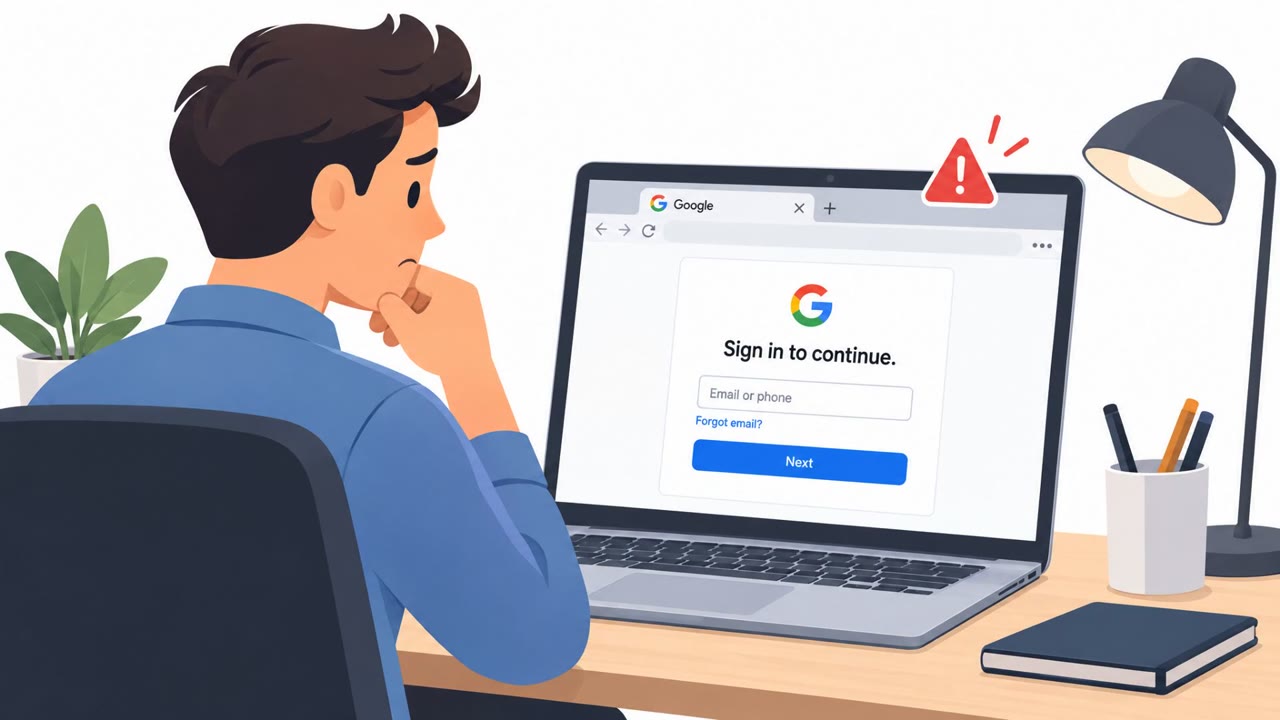
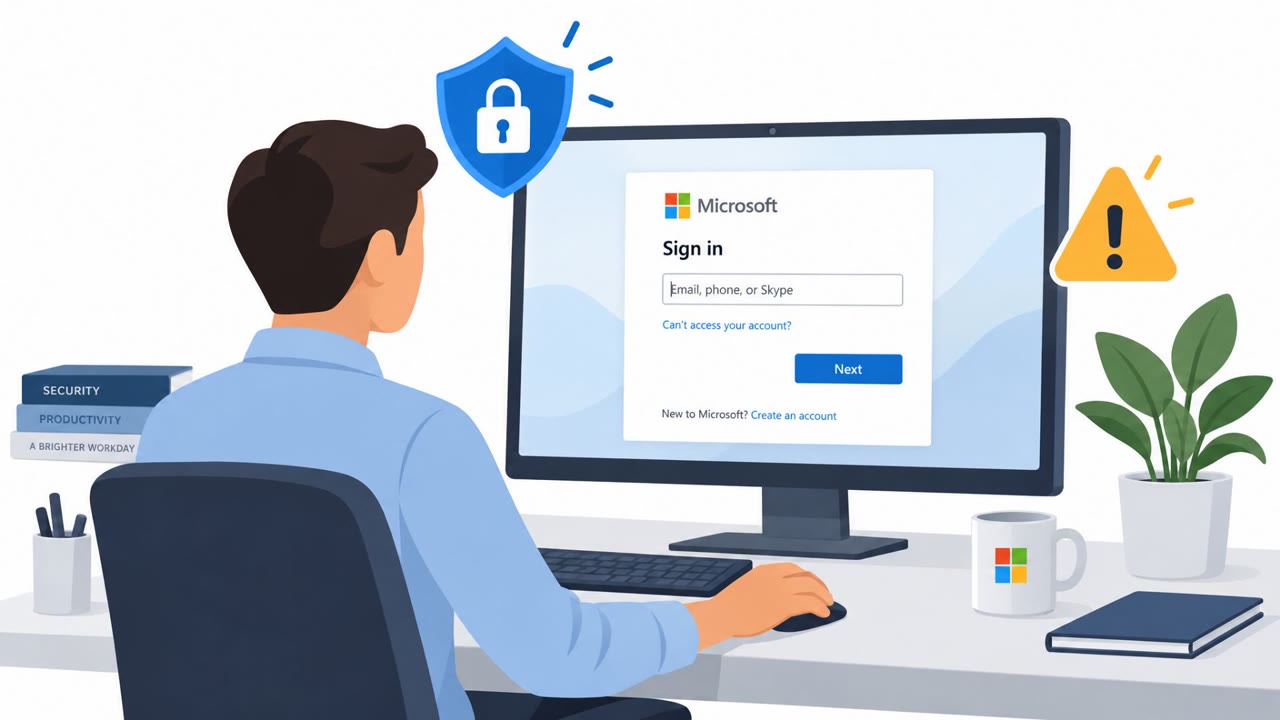
Threat actors used Hugging Face’s AI website builder to create phishing pages that impersonated 28 well-known brands, including Microsoft, Google, PayPal, Chase, and Coinbase. The pages were designed to steal login credentials, and some operators instructed the AI tool to hide pages from crawlers or send stolen credentials to Telegram.
How the Attack Worked
Researchers at Aikido identified dozens of phishing and credential-stealing pages hosted on Hugging Face Spaces. The pages impersonated 28 well-known brands, including Microsoft, Google, PayPal, Chase, and Coinbase. Of these, 29 pages were built using DeepSite, Hugging Face's AI website builder, which let operators generate convincing login clones using plain-language prompts rather than traditional web development skills.
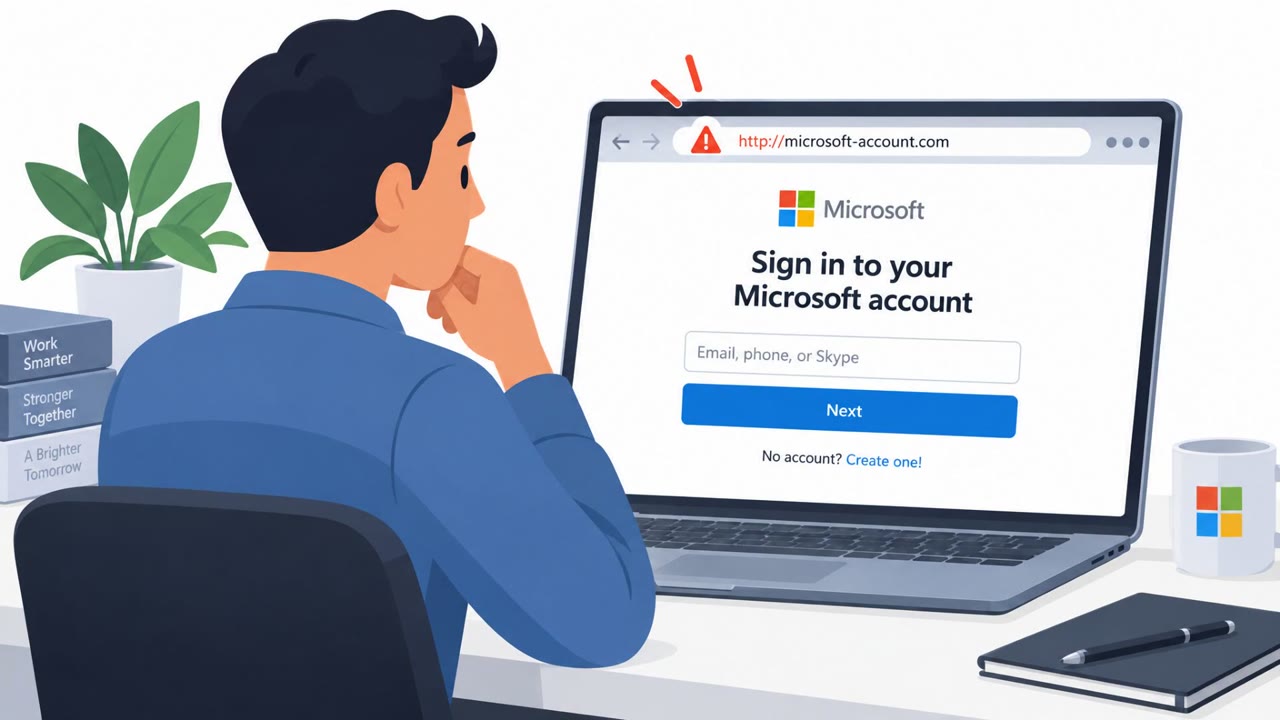
One Microsoft login clone reportedly took about 90 minutes to create this way. Some operators went further, instructing the AI tool to hide their pages from search engine crawlers and to automatically send any captured credentials to Telegram, reducing both discoverability and manual effort on the attackers' side.
Why It Succeeded
This campaign succeeded by combining two familiar social engineering tactics, brand impersonation and credential theft, with an AI tool that lowered the skill and time needed to produce a believable fake login page. A convincing sign-in page impersonating a trusted brand can look identical to the real thing to a user who is moving quickly or multitasking. When such a page is hosted on an unfamiliar platform rather than the brand's actual domain, that mismatch is often the only visible warning sign, and it is easy to miss.
What to Watch For
- A sign-in page hosted on an unexpected third-party platform instead of the brand's normal domain.
- Pages that may not appear in normal search results because they were deliberately hidden from crawlers.
- Polished logos and familiar login designs that are not, by themselves, proof of legitimacy.
- Login prompts for high-value accounts, such as Microsoft 365, financial services, or cryptocurrency platforms.
How to Build Resistance
Organizations and employees can reduce the risk of falling for these cloned login pages by building a few consistent habits:
- Treat every login page as untrusted until the web address has been verified against the organization's known, legitimate sign-in domain.
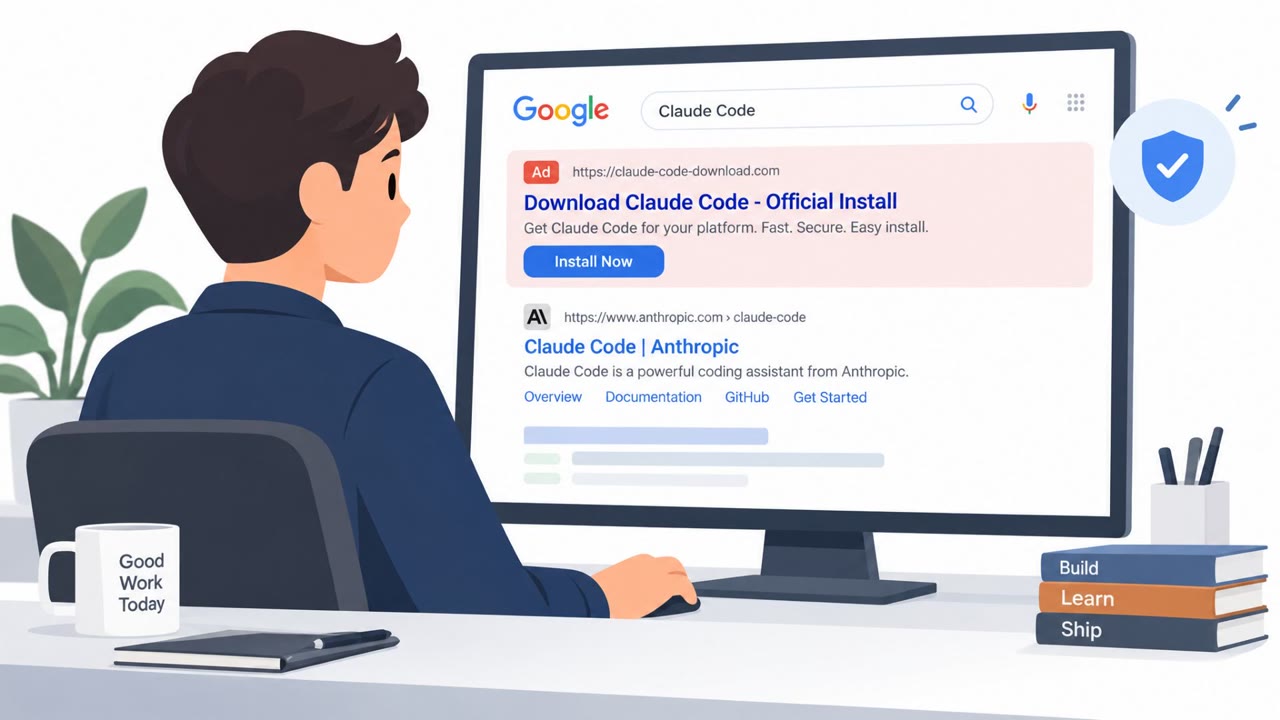
- Use password managers or approved bookmarks to reach important services, rather than typing credentials into pages reached through search results or unverified links.
- Avoid assuming a page is safe just because the branding and layout look correct, since AI tools can replicate these quickly.
- Report suspicious login pages promptly, especially ones requesting credentials for financial, cloud, or cryptocurrency accounts, so they can be investigated and blocked.
This incident is a reminder that the barrier to creating convincing phishing pages continues to drop. Awareness training should emphasize domain verification and credential-handling habits that do not depend on visually spotting a fake.
Key findings
- Threat actors created dozens of phishing and credential-stealing pages hosted on Hugging Face Spaces.
- The pages impersonated 28 brands, including Microsoft, Google, PayPal, Chase, and Coinbase.
- Aikido found that 29 phishing pages were built using DeepSite, Hugging Face’s AI website builder.
- One Microsoft login clone reportedly took about 90 minutes to create using plain-language prompts.
- Some operators asked the AI builder to hide phishing pages from crawlers or send stolen credentials to Telegram.
Who’s being targeted
- Commonly targeted roles: All employees, Microsoft 365 users, Finance and treasury teams, IT and help desk staff, Executives, Employees with cryptocurrency or payment-service accounts.
- Affected industries: Technology platforms, Financial services, Banking, Cryptocurrency services, Consumer internet services.
- Attack channels: website.
- Impersonated: Microsoft or another trusted consumer or financial-services brand.
Red flags to watch for
- The sign-in page is hosted on an unexpected third-party platform rather than the brand’s normal domain.
- The page may be hidden from search engines or crawlers, reducing normal reputation signals.
- A familiar brand logo and login design alone do not prove that a page is legitimate.
Frequently asked questions
How did attackers create fake brand login pages so quickly?
Researchers found that threat actors used DeepSite, Hugging Face's AI website builder, to create phishing pages with plain-language prompts. One Microsoft login clone reportedly took about 90 minutes to build this way.
Which brands were impersonated in this campaign?
The phishing pages impersonated 28 brands, including Microsoft, Google, PayPal, Chase, and Coinbase.
How did the stolen credentials get sent to the attackers?
Some operators asked the AI builder to send stolen logins to Telegram, and also asked it to hide the phishing pages from crawlers.
What should employees do to avoid falling for a cloned login page?
Check the web address against the organization's known legitimate sign-in domain before entering credentials, and avoid trusting a page simply because its branding looks correct.
Read the video transcript
That Microsoft sign-in page might not be Microsoft’s. Using DeepSite, Hugging Face’s AI website builder, someone made a Microsoft login clone in about 90 minutes. The page says, ‘Sign in to your Microsoft account,’ then asks for your password. Aikido found 29 DeepSite phishing pages copying brands like Google, PayPal, Chase, and Coinbase. Here’s the giveaway: the logo looks right, but the address says Hugging Face Spaces. Before entering a password, use your approved bookmark to open the real sign-in page.