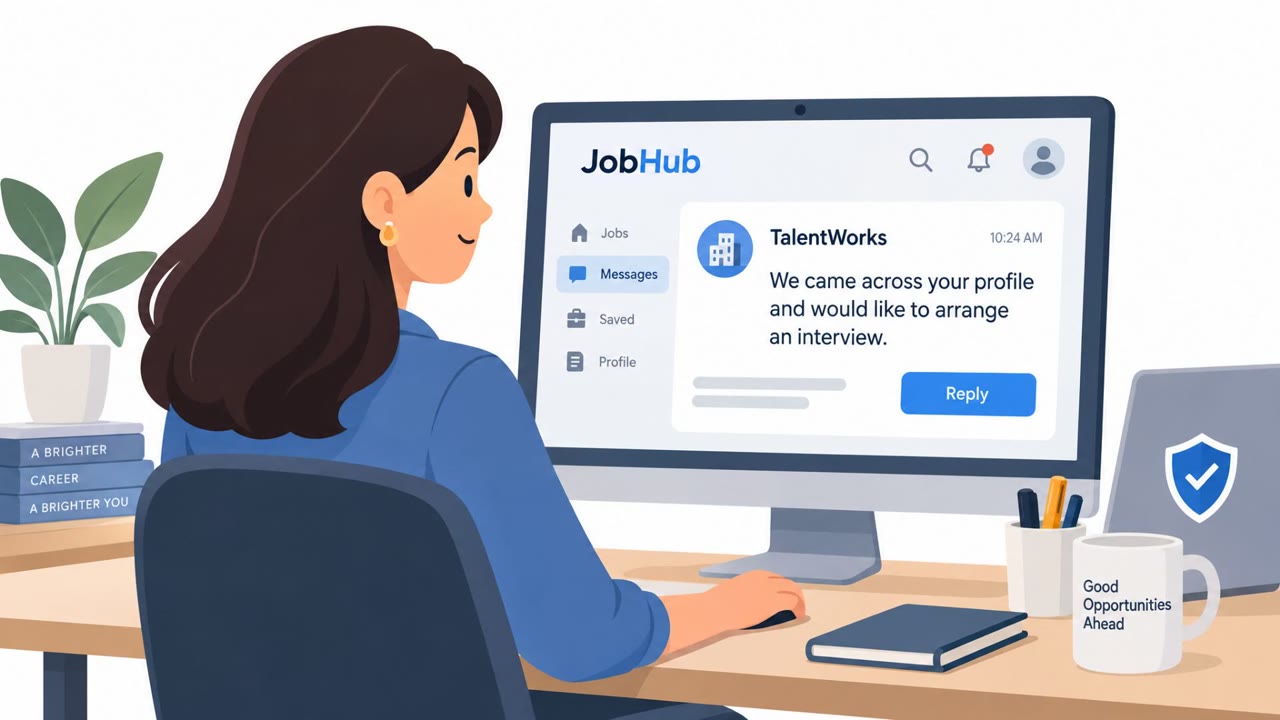
This weekly roundup describes a real North Korea-linked theft of about $6.34 billion in digital assets from Binance. Attackers reportedly used a fake job interview and a tampered software installer to gain access, showing how a convincing recruitment pretext can lead to major business losses.
How the attack worked
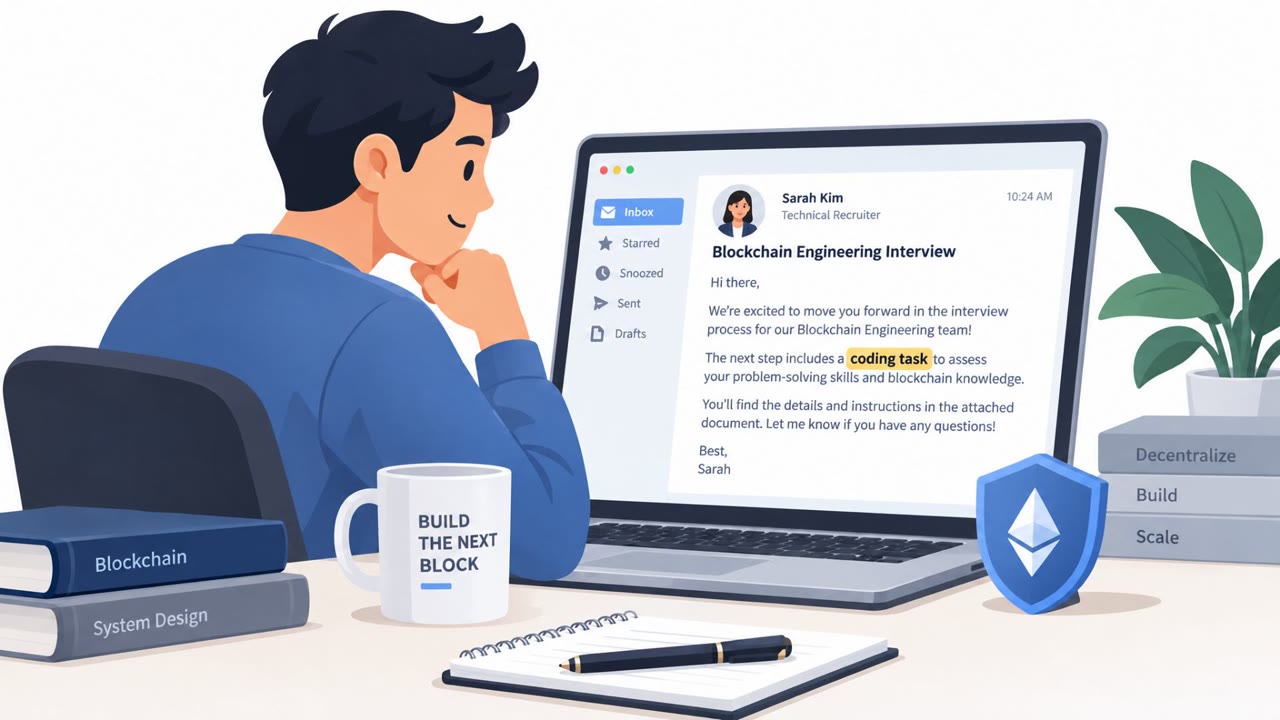
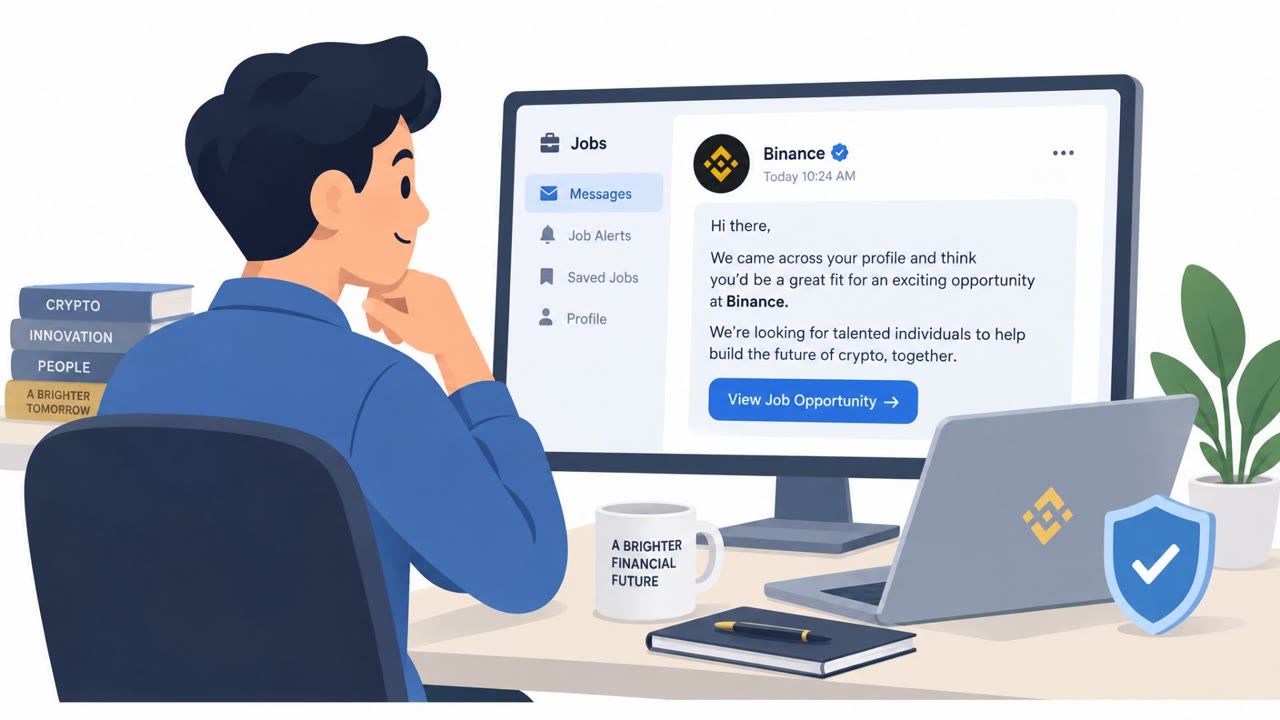
According to reporting summarized in this roundup, attackers used a recruitment pretext to approach a target and asked them to install software as part of a supposed job interview process. That tampered software installer reportedly gave the attackers the access they needed to steal approximately $6.34 billion in digital assets from Binance. The scenario fits a known pattern: a convincing recruiter persona, a plausible technical task, and a malicious payload disguised as a routine step in a hiring process.
Why it succeeded
Job interviews are a context where installing unfamiliar software can seem normal. Candidates are often asked to complete technical exercises, set up development environments, or run assessment tools, so a request to install something does not immediately raise suspicion. This incident shows how that expectation can be exploited: the pretext of a legitimate hiring process lowered the target's guard long enough for a tampered installer to be run on a system with access to sensitive financial infrastructure.
What to watch for
Defenders and employees should treat the following as red flags:
- An interview process that requires installing software from an unverified source.
- A recruiter or employer who cannot be independently verified through known contact details.
- A requested installer that is not obtained from an official vendor site or an approved internal software process.
These same bait tactics extend beyond recruiting. The roundup also notes scammers offering supposed leaked builds, early copies, and phone versions of a major upcoming game release to distribute malware and promote cryptocurrency fraud, showing how anticipation around popular events can be weaponized in similar ways.
How to build resistance
Organizations, especially those in finance, cryptocurrency, and technical roles, should reinforce a few practical habits:
- Treat unexpected software installation requests during recruiting or business discussions as high risk, and verify the organization through independent, known contact channels before proceeding.
- Only install software through approved company processes or official vendor sources, particularly on systems connected to financial assets or sensitive business operations.
- Warn employees that popular events and product launches can be used as bait for malware and financial scams, so skepticism toward unofficial downloads should extend beyond the workplace.
This incident illustrates the attack technique known as supply chain compromise through a trusted installer, paired with a social engineering pretext (see attack.mitre.org/techniques/T1204/002 for user execution via malicious file, and attack.mitre.org/techniques/T1656 for impersonation). Building awareness of these patterns, rather than relying solely on technical controls, remains a key defense against recruitment-themed intrusion attempts.
Key findings
- A fake job interview and a tampered software installer reportedly enabled attackers to access Binance systems.
- The incident resulted in the theft of approximately $6.34 billion in digital assets.
- The roundup also notes scams using supposed GTA 6 leaked builds, early copies, and phone versions to distribute malware and promote cryptocurrency fraud.
Who’s being targeted
- Commonly targeted roles: Finance and cryptocurrency operations staff, IT and security teams, Software developers, Employees involved in recruiting or external business communications.
- Affected industries: Cryptocurrency exchanges, Financial services, Gaming consumers.
- Impersonated: A prospective employer or recruiter.
Red flags to watch for
- An interview process requires installing software from an unverified source.
- The recruiter or employer cannot be independently verified through known contact details.
- The requested installer is not obtained from an official vendor site or approved internal software process.
Frequently asked questions
How did attackers gain access in this incident?
Reports indicate attackers used a fake job interview combined with a tampered software installer to gain access to systems, which led to the theft of approximately $6.34 billion in digital assets from Binance.
Who is typically targeted by this kind of attack?
Targets include employees with access to cryptocurrency or financial systems, technical staff, and anyone involved in recruiting or external business communications.
What are the warning signs of a fake job interview scam?
Red flags include an interview process that requires installing software from an unverified source, a recruiter who cannot be verified through known contact details, and an installer that does not come from an official vendor site or approved internal process.
Are other scams using similar bait tactics?
Yes, the same roundup notes scammers offering supposed leaked builds, early copies, and phone versions of a popular game to distribute malware and promote cryptocurrency fraud.
Read the video transcript
A job interview can start with a download, and end with a breach. In the reported Binance case, a fake interview led to a tampered software installer. That download reportedly opened access to systems; about $6.34 billion in digital assets was stolen. Here’s the tell: the interview depends on software from a link you can’t verify. A polished recruiter profile doesn’t make that installer safe, or the employer real. Before installing interview software, verify the company using contact details you find independently, not the recruiter’s link.