Fake Recruiter Helped Lazarus Hit Binance

Protos · High sophistication
Last updated November 24, 2026

US prosecutors say North Korea’s Lazarus Group posed as job recruiters and persuaded a Binance employee to run malware. The malware then approved wallet-control requests, contributing to a major theft and leaving 32 Binance-linked wallet addresses under the attackers’ control.

Key findings

  • The Department of Justice said Lazarus Group members posed as job recruiters to convince a Binance employee to run malware.
  • The malware approved EIP-7702 requests, which transferred wallet execution logic to the attackers.
  • Binance reportedly lost control of 32 platform wallet addresses during the October 29 heist.
  • Prosecutors said the frozen addresses, holding nearly $342 million in USDC, remained under Lazarus/APT38 control.

Who’s being targeted

  • Commonly targeted roles: Cryptocurrency exchange employees, Finance and treasury teams, Technology and operations staff, Employees with privileged access, Hiring and recruiting participants.
  • Affected industries: Cryptocurrency exchanges, Digital asset services, Financial services.
  • Attack channels: email.
  • Impersonated: Job recruiter.

Awareness takeaways

  • Treat any recruiter who asks you to run software as suspicious, especially if the request arrives unexpectedly. Verify the recruiter and employer through independently found contact details before opening or running anything.
  • Never approve security, wallet, or application requests that you do not fully understand; escalate unexpected approval prompts to security or the responsible system owner.
  • Staff with access to financial platforms, wallets, or high-value systems should use stricter separation between personal recruiting activity and work devices.

Red flags to watch for

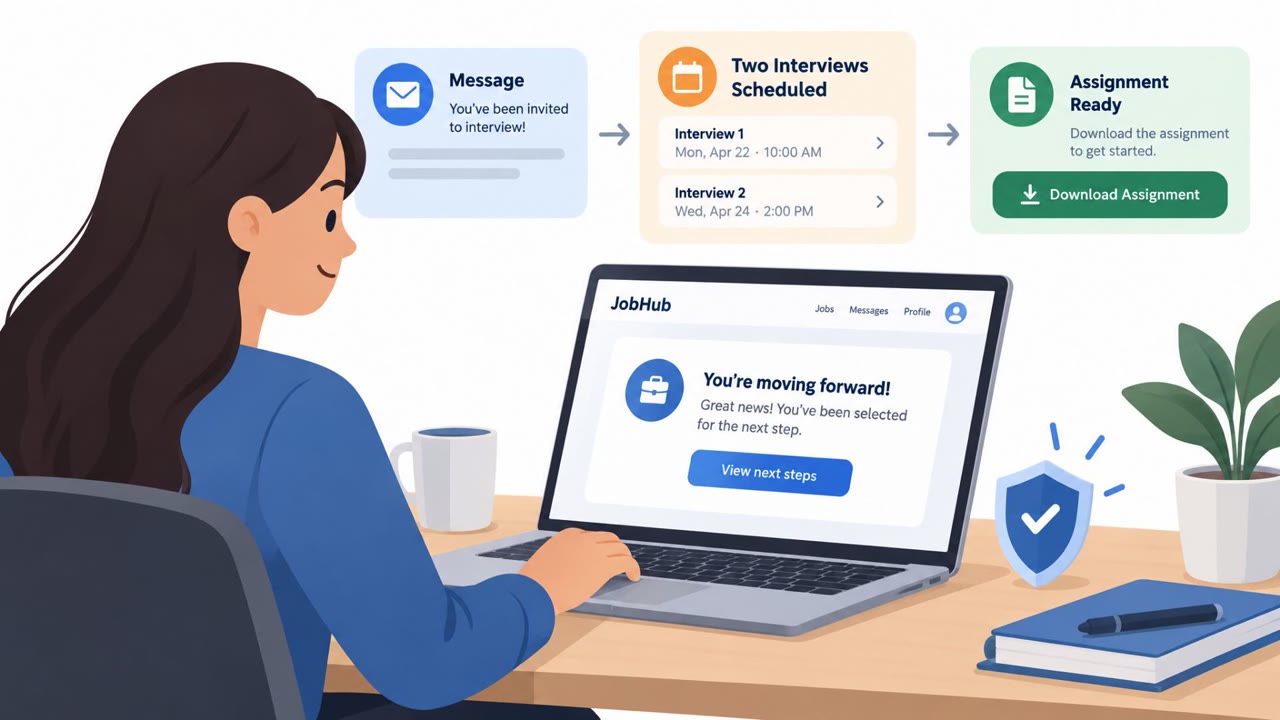
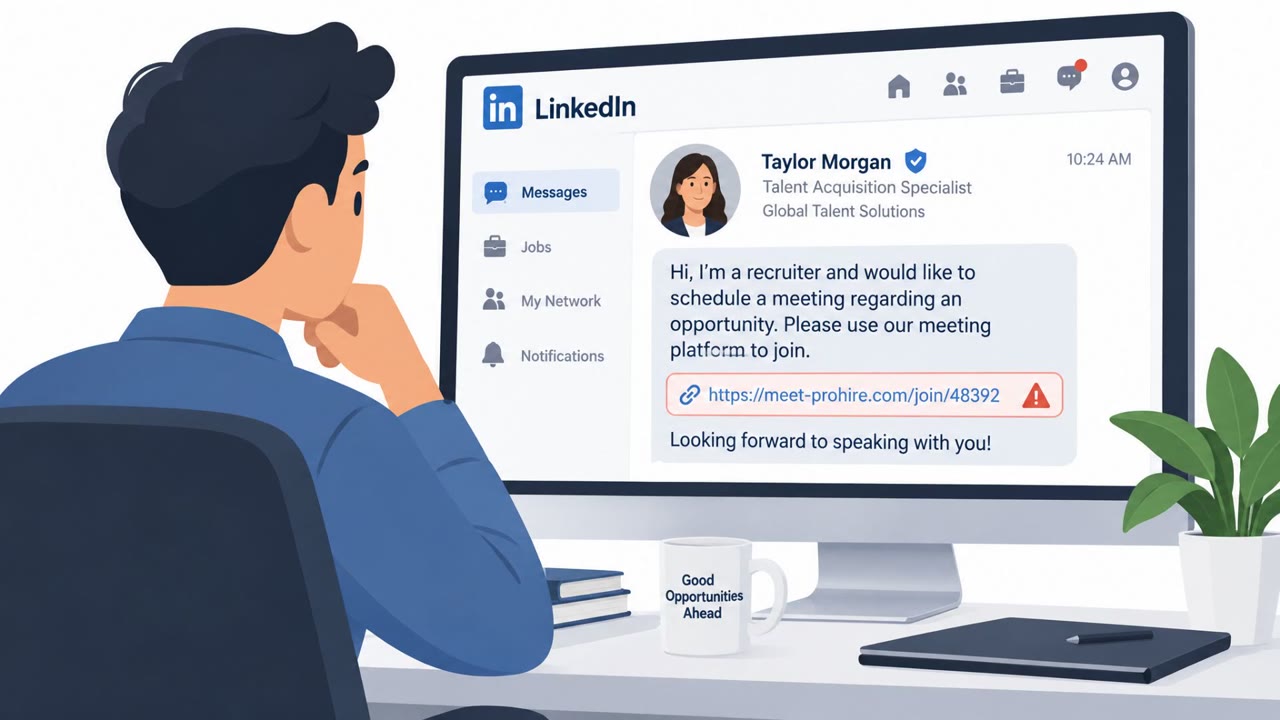
  • An unsolicited recruiter asks you to execute software rather than review a normal job description.
  • The requested file or application is not delivered through a trusted hiring platform or verified company channel.
  • The request creates urgency or bypasses normal software-approval processes.
Try Mirage

Mirage safely runs attacks like this one against your own team, so you find out what happens before a real adversary does.

Get a demo
Read the video transcript

A recruiter offers you a job, and sends a file to run. That’s how prosecutors say Lazarus reached a Binance employee. The file ran malware, which approved EIP-7702 requests and handed over wallet execution logic. The giveaway: a stranger wants software run, not a résumé. Binance reportedly lost control of 32 wallet addresses; nearly $342 million in USDC was frozen. Recruiter asks you to run a file? Don’t. Verify them using contact details you find yourself.

MITRE ATT&CK techniques

T1566.002 - Phishing: Spearphishing Link · PhishingT1204.002 - User Execution: Malicious File · User ExecutionT1656 - Impersonation

Similar attacks

Fake Job Interview Opens Binance’s Door

Fake Job Interview Opens Binance’s Door

Attackers allegedly used a fake recruiting process to trick a Binance engineer into running a coding assignment on a work computer. The malicious assignment gave the attackers a foothold, which they reportedly used with stolen deployment access and an internal AI tool to reach wallet systems and…

November 10, 2026

Fake Interview Opens $6.34B Binance Heist

Fake Interview Opens $6.34B Binance Heist

Attackers linked to North Korea allegedly used a fake recruitment process to persuade a Binance software engineer to download a malicious coding assignment onto a work computer. They then used the compromised device, internal AI tooling, and stolen deployment credentials to reach wallet-signing…

November 3, 2026
Fake Interview Opened Door to Binance Heist

Fake Interview Opened Door to Binance Heist

North Korean-linked attackers reportedly used a fake job opportunity, multiple interviews, and a malicious coding assignment to compromise a Binance engineer. The scheme built trust over weeks before asking the employee to download an interview file, giving attackers a foothold in the company’s…

November 3, 2026
Fake Recruiters Use ClickFix to Plant Backdoors

Fake Recruiters Use ClickFix to Plant Backdoors

Google says a suspected North Korean group used AI-generated recruiter profiles to target cryptocurrency organizations in North America and Europe. The recruiters directed victims to fake meeting platforms, where a supposed diagnostic step tricked them into running a script that enabled the…

November 17, 2026
Iranian Spy Group Uses Fake CVs and Health Lures

Iranian Spy Group Uses Fake CVs and Health Lures

Iran-aligned Volant Manticore used fake, AI-generated job applicant CVs to persuade targets to download a “complete resume” from a link. The group also sent healthcare-themed ZIP files from a compromised Saudi hospital account and used a macro-enabled Word document against a Cypriot defense-related…

November 24, 2026
Fake CV Opens Door for Iranian Spy Group

Fake CV Opens Door for Iranian Spy Group

Researchers say the Iranian-linked Volant Manticore group used a fake job applicant’s CV to target a Cyprus-based airline. The CV appeared to link to a legitimate recruitment site, but actually sent the recipient to a malicious archive that installed a backdoor. The group later used…

November 24, 2026