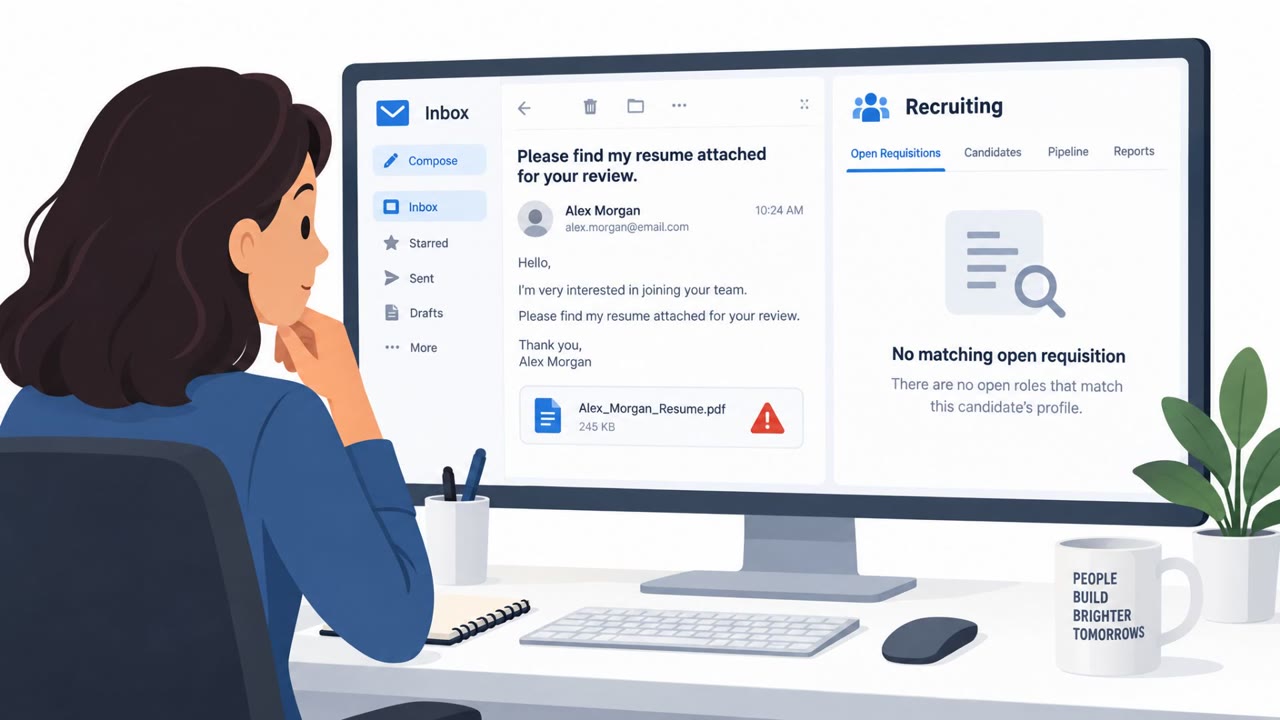
Iranian Spy Group Uses Fake CVs and Health Lures

The Hacker News · High sophistication
Last updated November 24, 2026

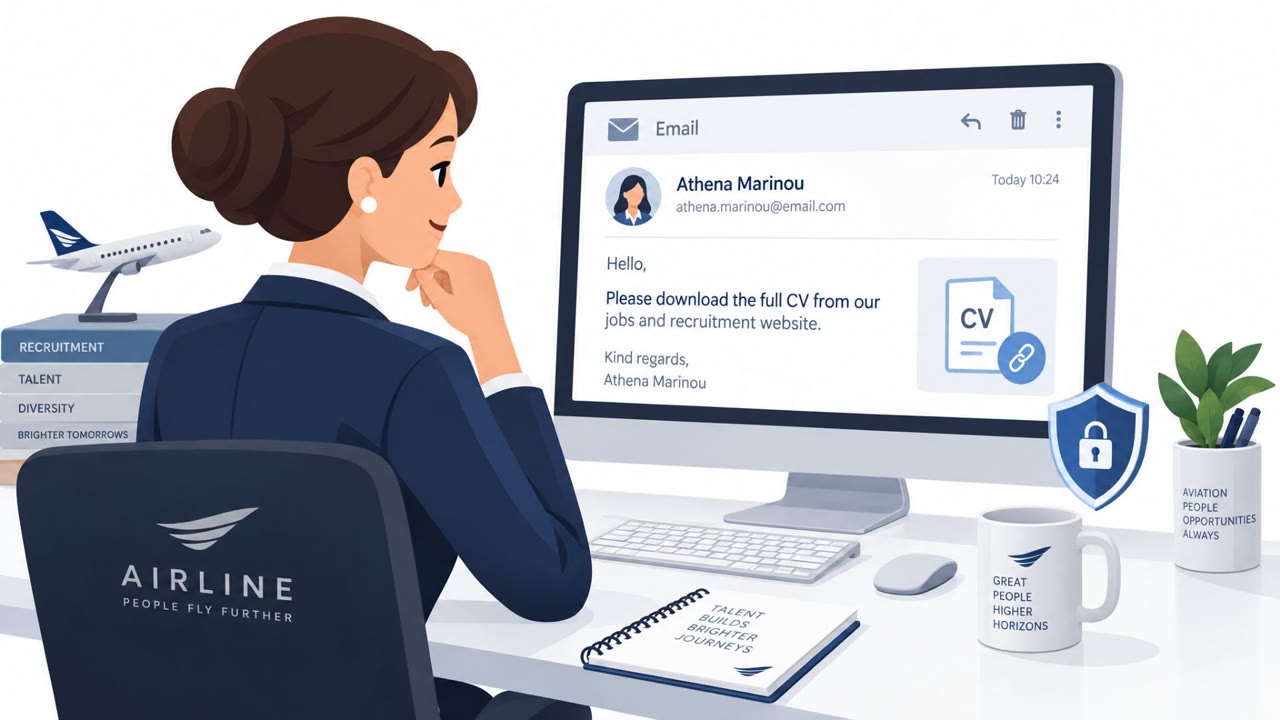
Iran-aligned Volant Manticore used fake, AI-generated job applicant CVs to persuade targets to download a “complete resume” from a link. The group also sent healthcare-themed ZIP files from a compromised Saudi hospital account and used a macro-enabled Word document against a Cypriot defense-related government entity. These lures delivered backdoors and remote-management tools for espionage.

Key findings

  • Volant Manticore is an Iran-aligned espionage group assessed to include former MuddyWater operators.
  • The group targeted telecommunications companies, airlines, critical infrastructure, healthcare organizations, and a defense-related government entity.
  • Attackers used AI-generated personas in fake CVs and directed victims to a link to download a purported complete resume.
  • A September 2026 campaign used healthcare-themed ZIP attachments, including “AI_Healthcare_Seminar.zip” and “Ai_Healthcare_Seminar_Online.zip.”
  • Some phishing emails came from a compromised account belonging to a private Saudi hospital, increasing their apparent legitimacy.
  • The group also used a macro-enabled Word document named “MilitaryHeritageProposal.doc,” where enabling content launched a VBA backdoor.
  • Payloads included the KuboShell backdoor and legitimate remote-management tools such as N-able RMM.

Who’s being targeted

  • Commonly targeted roles: Healthcare employees, Hospital administrators, Healthcare IT staff, Human Resources, Recruiting teams, Hiring managers, Airline employees, Government employees, Defense-related personnel, Administrative staff.
  • Affected industries: Healthcare, Airlines, Telecommunications, Critical infrastructure, Government and defense.
  • Attack channels: email, website.
  • Impersonated: Job applicant using an AI-generated persona, Private hospital in Saudi Arabia, Military heritage proposal sender.

Awareness takeaways

  • Treat unexpected recruitment messages and CV download links as suspicious, especially when the sender wants you to retrieve a “complete resume” from a web link.
  • Do not assume an email is safe just because it comes from a trusted hospital, partner, or supplier account; verify unexpected attachments through a separate, known contact method.
  • Do not enable content or macros in Word documents unless the document was expected and its legitimacy has been independently verified.
  • Be particularly cautious with ZIP attachments themed around conferences, seminars, or professional events, even when the subject is relevant to your work.

Red flags to watch for

  • An unsolicited applicant asks the recipient to retrieve the resume from a link rather than reviewing an attached document.
  • The identity and CV persona may be AI-generated.
  • The download link leads to a malware payload rather than a resume.
  • The message contains an unexpected ZIP archive rather than a normal seminar invitation or calendar link.
  • The archive filename uses inconsistent capitalization and an underscore-heavy naming style.
  • A message from a known hospital account can still be malicious if the account has been compromised.
  • An unsolicited Word attachment uses a broad, topical proposal title.
  • The document asks the user to enable content.
  • Enabling content is not required to safely read an ordinary proposal document.
Try Mirage

Mirage safely runs attacks like this one against your own team, so you find out what happens before a real adversary does.

Get a demo
Read the video transcript

A polished CV lands in your inbox. The catch? It isn’t the full resume. Volant Manticore uses AI-generated applicants to get you onto a download link. What arrives instead can install KuboShell, a backdoor, not a CV. Same playbook, different bait: 'AI_Healthcare_Seminar.zip' came from a compromised Saudi hospital account. A familiar sender isn’t proof the attachment is safe. Unexpected resume link or seminar ZIP? Before opening it, confirm the request through a contact method you already trust.

MITRE ATT&CK techniques

T1566.001 - Phishing: Spearphishing Attachment · PhishingT1566.002 - Phishing: Spearphishing Link · PhishingT1204.001 - User Execution: Malicious Link · User ExecutionT1204.002 - User Execution: Malicious File · User ExecutionT1059.001 - Command and Scripting Interpreter: PowerShell · Command and Scripting InterpreterT1059.005 - Command and Scripting Interpreter: Visual Basic · Command and Scripting InterpreterT1204.002 - User Execution: Malicious File · User Execution

Similar attacks

Fake Resumes and Recruiters Spread Malware

Fake Resumes and Recruiters Spread Malware

This roundup describes real campaigns that use expected job-search messages and fake recruitment sites to trick people into opening malicious documents or downloading harmful mobile apps. One campaign disguised ransomware as a resume, while another targeted Indian job seekers seeking roles at…

November 19, 2026
Fake Calendar Invites Steal Microsoft Logins

Fake Calendar Invites Steal Microsoft Logins

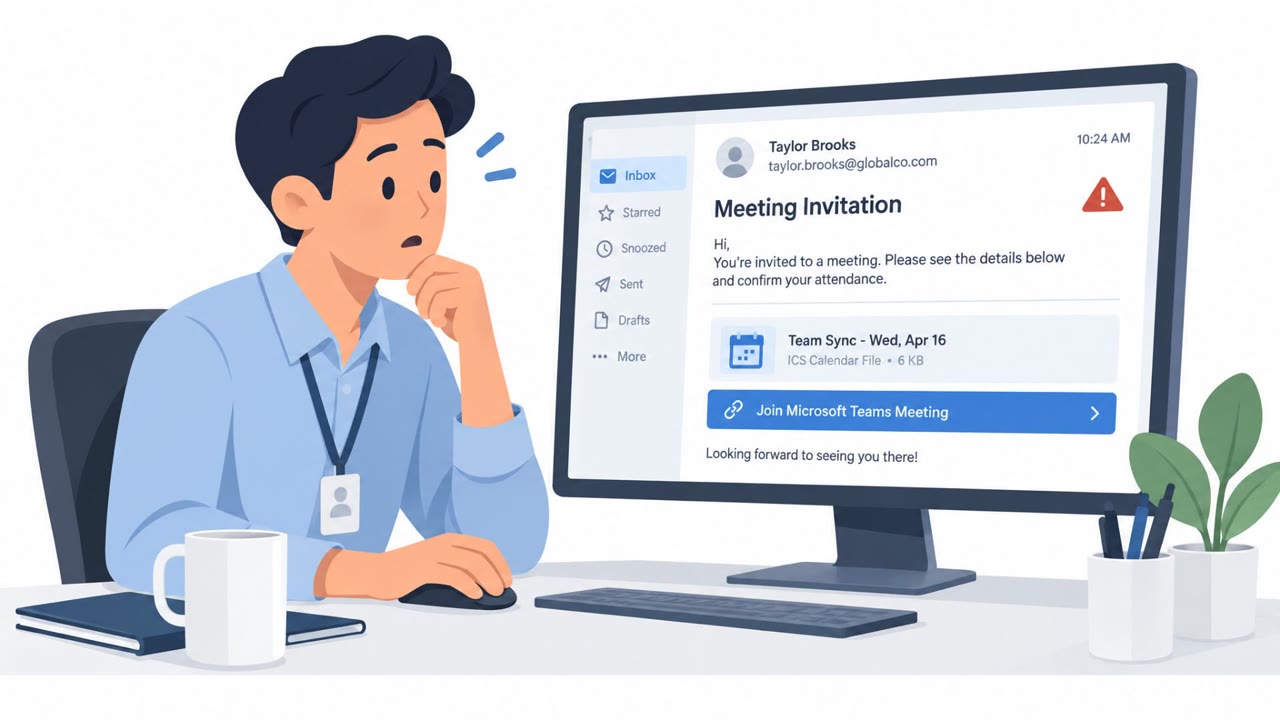
Check Point researchers identified a large credential-phishing campaign that used counterfeit calendar invitations to send people to fake Microsoft sign-in pages. The campaign used calendar attachments and deceptive meeting links, and targeted more than 40,000 organizations with over 302,000…

October 19, 2026
Fake CV Opens Door for Iranian Spy Group

Fake CV Opens Door for Iranian Spy Group

Researchers say the Iranian-linked Volant Manticore group used a fake job applicant’s CV to target a Cyprus-based airline. The CV appeared to link to a legitimate recruitment site, but actually sent the recipient to a malicious archive that installed a backdoor. The group later used…

November 24, 2026
Blind Eagle Hides RAT in Fake Court Notices

Blind Eagle Hides RAT in Fake Court Notices

Blind Eagle is using Spanish- and Portuguese-language phishing emails that look like court, prosecutor, and administrative notices to target organizations in Latin America. The emails pressure people who handle legal or institutional requests to open an attachment, which ultimately installs…

November 10, 2026
Salary Reviews and POs Fuel Phishing

Salary Reviews and POs Fuel Phishing

Microsoft observed real Q3 2026 phishing campaigns that used familiar workplace requests to steal credentials or deliver malware. One campaign targeted legal organizations with personalized salary-review documents containing QR codes, while another used purchase-order and payroll lures in disguised…

November 5, 2026
Five Active Phishing Lures Hit US Firms

Five Active Phishing Lures Hit US Firms

The article describes active campaigns that use familiar business documents, trusted file-sharing services, AI brands, and Microsoft sign-in flows to trick employees into granting account access. The most actionable patterns are phishing emails and document links that lead victims to Microsoft…

November 5, 2026