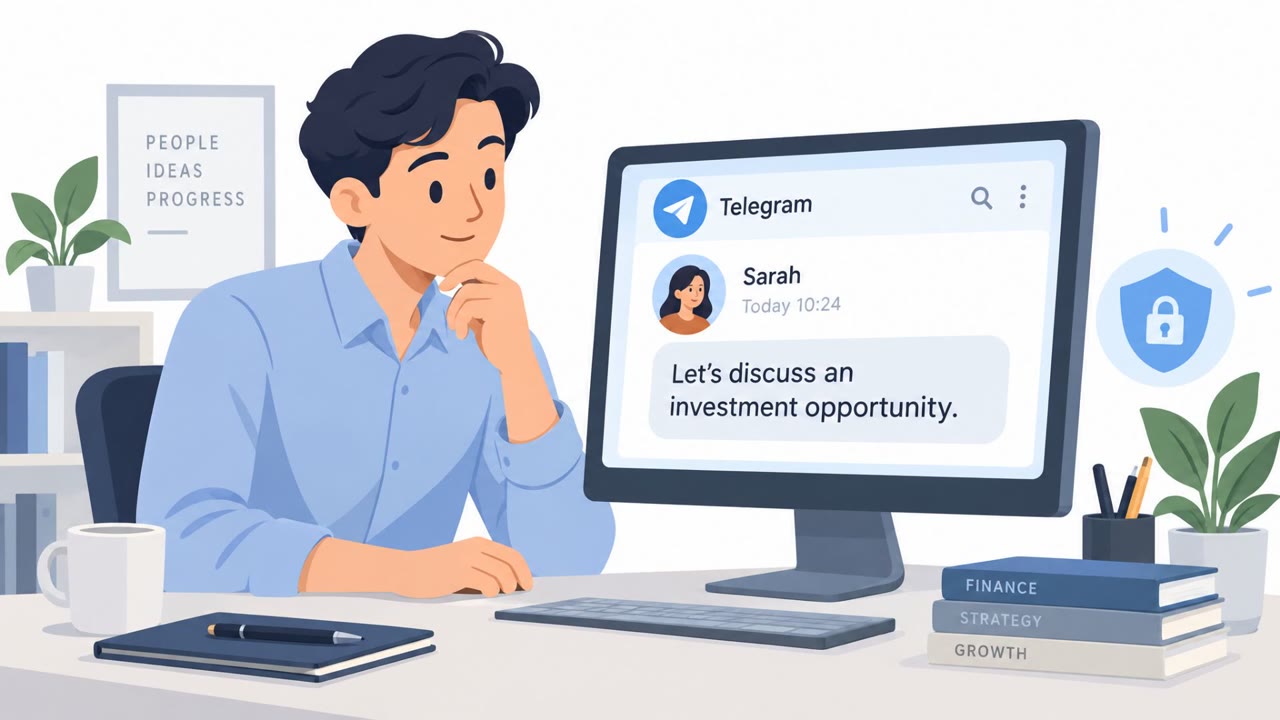
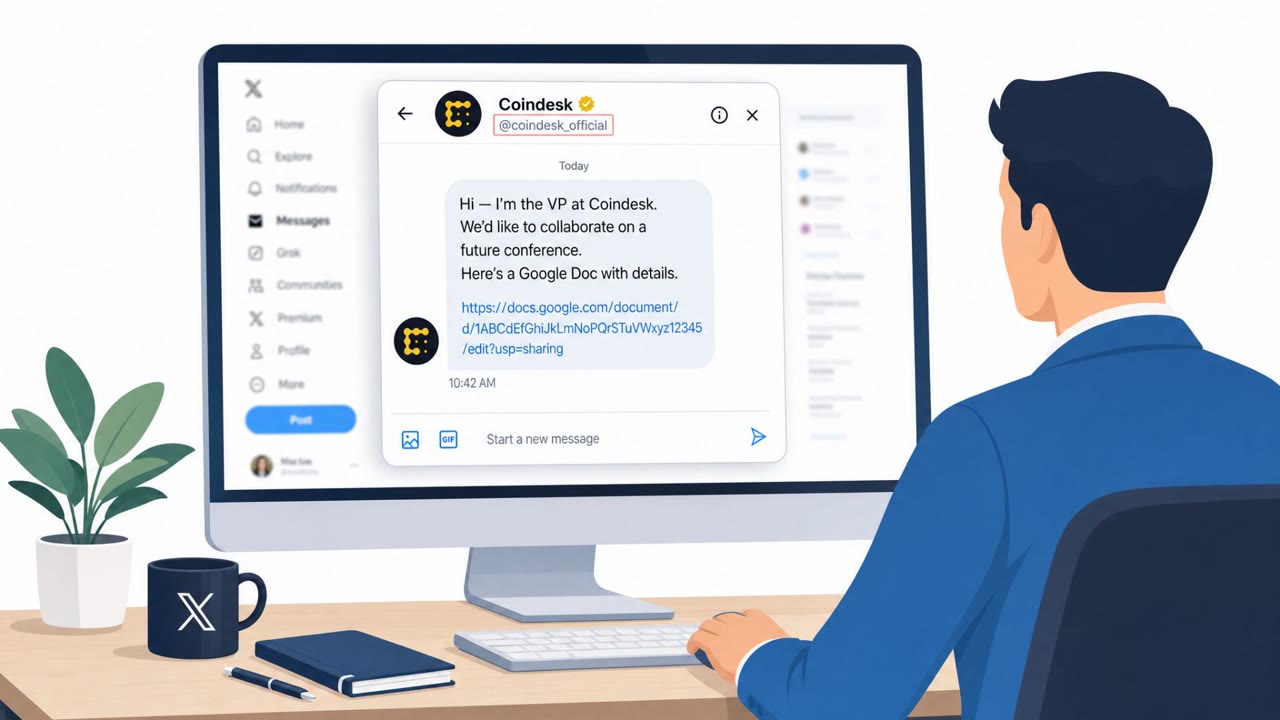
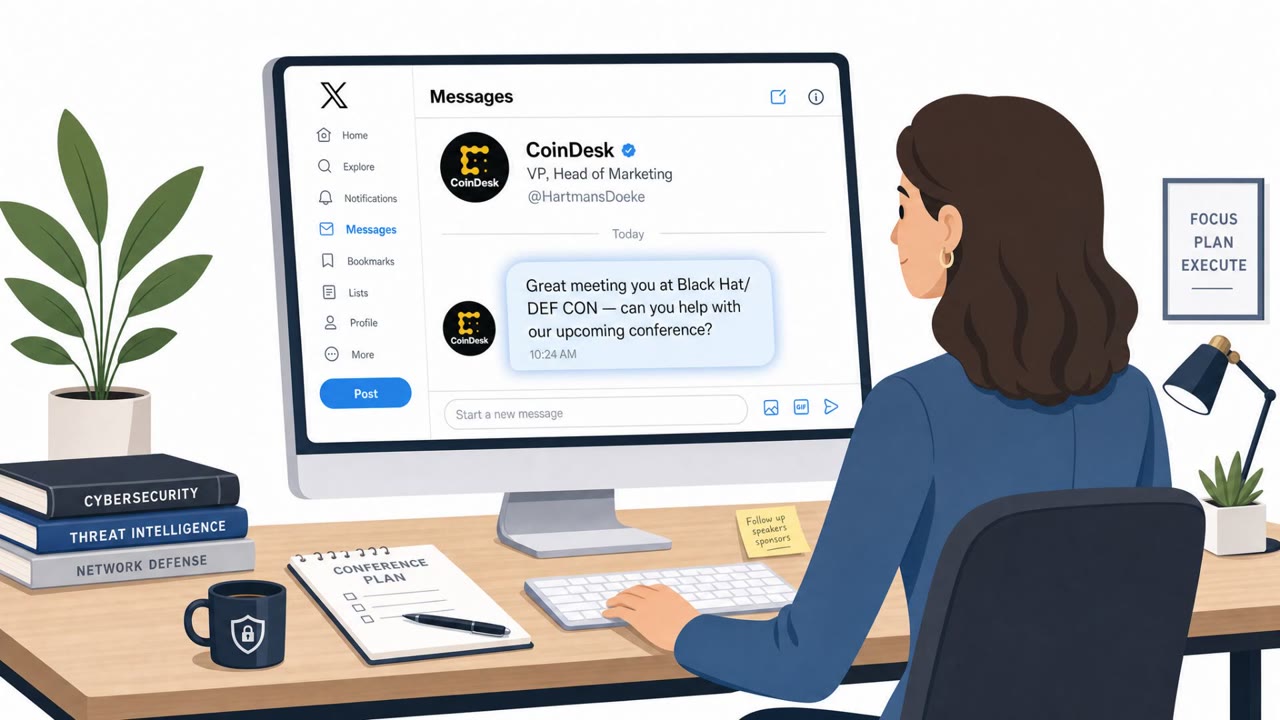
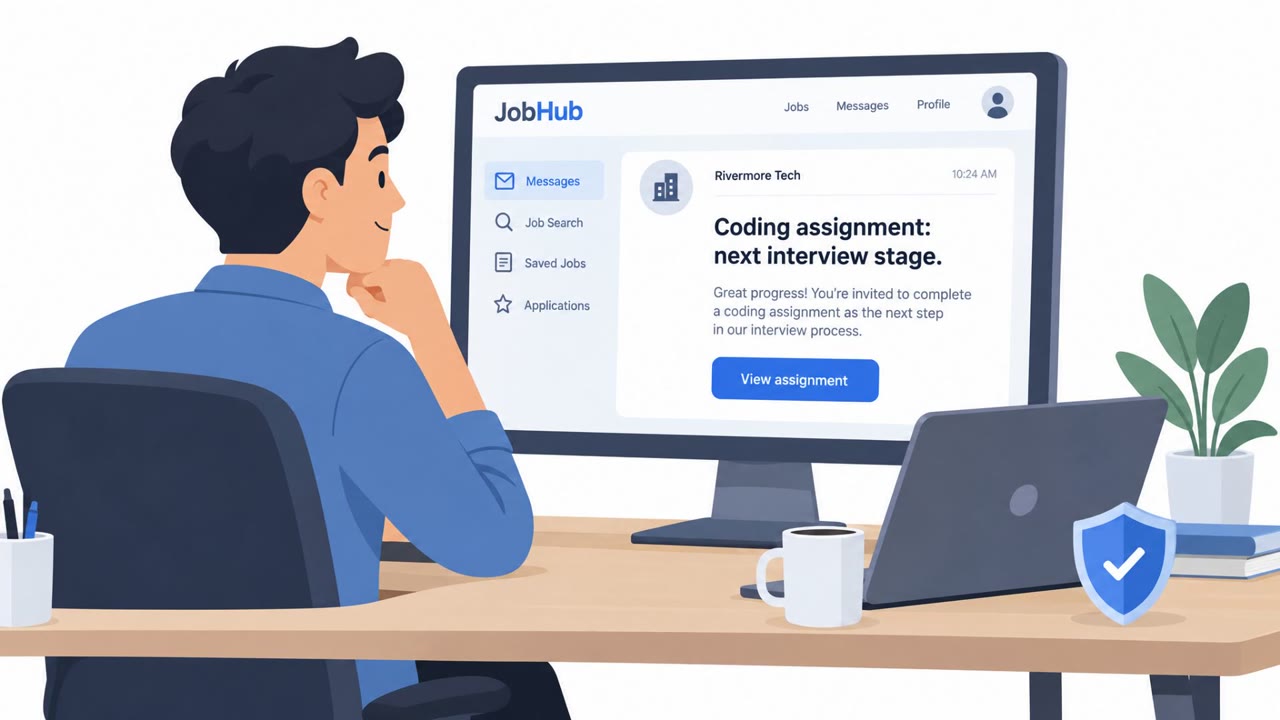
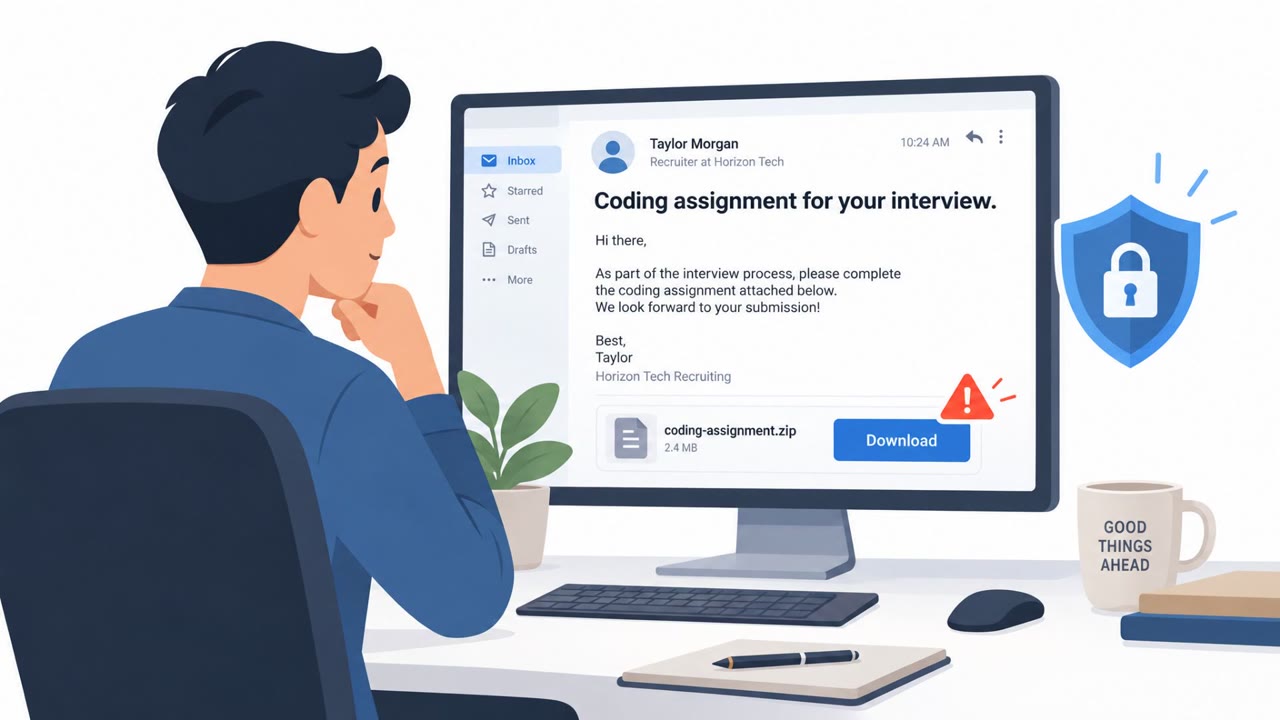
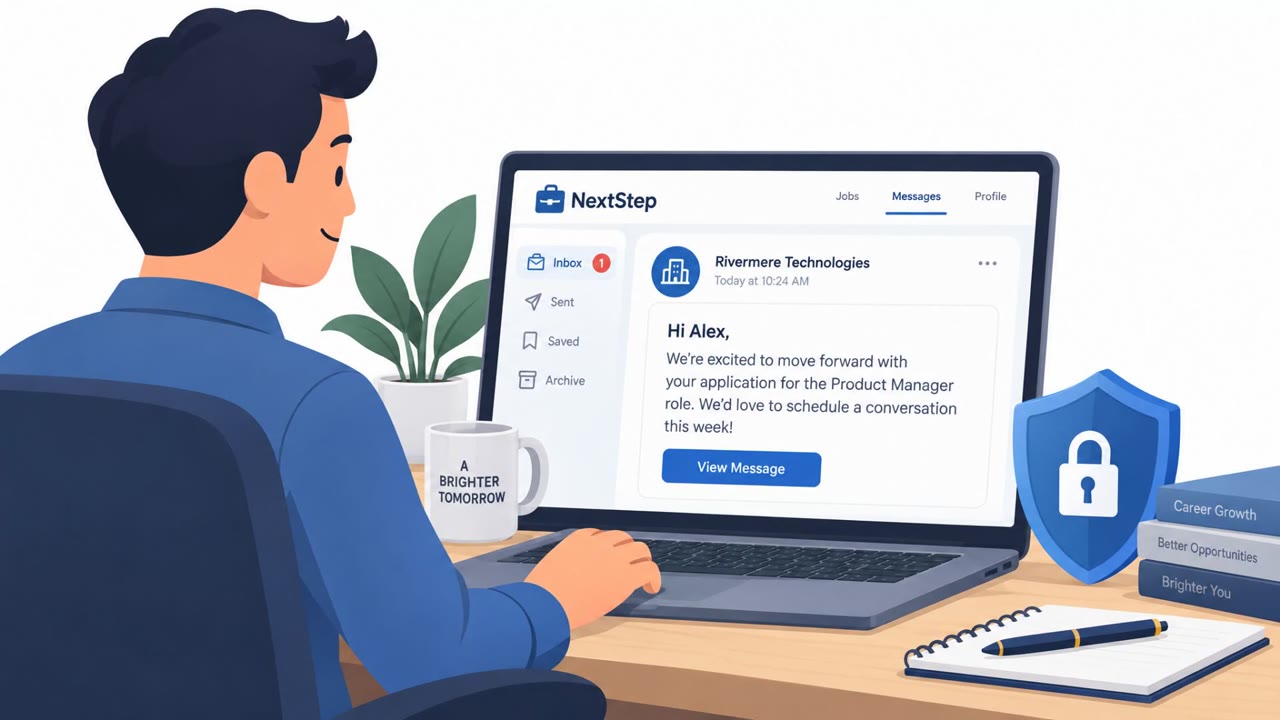
Google reported that North Korean actors used AI-created fake recruiter profiles on professional networking platforms to target cryptocurrency organizations in North America and Europe. The profiles led victims into ClickFix attacks, which trick people into taking actions on their own devices to solve a problem that is not real; in one version, attackers then reached internal code repositories and planted a backdoor.
How the attack worked
According to Google, North Korean actors used AI to generate fake recruiter profiles on professional networking platforms, then targeted employees at cryptocurrency organizations in North America and Europe. Once contact was established, the fake recruiters steered victims into ClickFix attacks, a technique where the target is pressured to take action on their own device to resolve a problem that does not actually exist. In one observed version, this initial compromise gave attackers a foothold that let them pivot into internal code repositories. From there, they modified code so that when a developer launched Claude Code, it would automatically trigger the download of a backdoor researchers named SOMBERMEME.
Why it succeeded
The pretext relied on something routine and often welcome: outreach from a recruiter about a job opportunity. Because the interaction started on a familiar professional networking platform and followed a believable hiring conversation, the shift into a technical "fix this problem" request did not immediately read as suspicious to the target. The use of AI to build convincing recruiter personas added a layer of legitimacy that made it harder for employees to spot the profile as fictitious before engaging further.
What to watch for
- Unsolicited recruiter contact that moves quickly toward technical instructions rather than a standard hiring process.
- A recruiter, website, or pop-up asking you to perform device actions to fix an error you did not report and cannot verify.
- Requests, however indirect, that touch development tools, code repositories, or AI coding assistants during what should be a recruiting conversation.
- Recruiter profiles with thin or unverifiable employment history.
How to build resistance
Organizations, especially in cryptocurrency, financial services, and software development, should train developers and engineers to treat unsolicited recruiter outreach as unverified until confirmed through known channels. Staff should be taught to recognize ClickFix-style prompts and to never follow instructions to "fix" a device problem presented by an external contact. Any recruiting interaction that escalates into requests involving code repositories, development environments, or AI coding assistants should be reported to security teams immediately. Because Google noted that AI-enabled tools are accelerating reconnaissance and exploitation while still leaving forensic traces, maintaining monitoring on code repository access and build pipelines remains an important complement to employee awareness training.
Key findings
- North Korean hackers used AI to create fake recruiter profiles on professional networking platforms targeting cryptocurrency organizations in North America and Europe.
- The fake personas conducted ClickFix attacks, which pressure victims to perform device actions to resolve a fraudulent problem.
- In another version, attackers breached a victim device, pivoted into internal code repositories, and modified code used by Claude Code to download the SOMBERMEME backdoor.
- Chinese actors used AI platforms' file-hosting infrastructure to stage phishing-lure archives and exfiltrate stolen data.
- Google said AI-enabled tools are accelerating reconnaissance, vulnerability analysis, exploitation, and data theft, although they can leave identifiable forensic traces.
Who’s being targeted
- Commonly targeted roles: Software developers, Engineers, Cryptocurrency employees, Code repository administrators, IT support teams, Security teams, Recruiting and HR teams.
- Affected industries: Cryptocurrency, Financial services, Aerospace, Technology and software development.
- Attack channels: linkedin, website.
- Impersonated: Recruiter or hiring representative.
Red flags to watch for
- The recruiter profile is fictitious or has limited verifiable employment history.
- A job-related interaction unexpectedly asks the candidate to take actions on their device.
- The supposed technical problem is urgent but cannot be verified through normal support channels.
- A recruitment interaction turns into a request to alter device settings or run technical steps.
- The request is unrelated to normal recruiting activity.
- The interaction could expose access to internal development tools or code repositories.
Frequently asked questions
What is a ClickFix attack?
A ClickFix attack tricks victims into taking actions on their own device, such as running commands, to fix a problem that does not actually exist. In this case, fake recruiter personas used this tactic to compromise devices.
How did fake recruiter profiles lead to a backdoor?
After North Korean actors used AI-created fake recruiter profiles to lure victims into a ClickFix attack, they breached the device and pivoted into internal code repositories, modifying code to trigger a backdoor called SOMBERMEME when Claude Code was started.
Who was targeted in this campaign?
The campaign targeted employees at cryptocurrency organizations in North America and Europe, including software developers, engineers, and code repository administrators.
Why is this attack considered sophisticated?
Google noted that AI-enabled tools are accelerating reconnaissance, exploitation, and data theft, which contributed to the high sophistication rating of these intrusions, though such tools can still leave forensic traces.
Read the video transcript
A recruiter offers you a crypto job. Then your laptop has a ‘problem.’ That’s ClickFix: an AI-made fake recruiter profile sends you to a website that says something’s broken and tells you to run steps to fix it. Here’s the giveaway: recruiters don’t troubleshoot your device. In one case, that ‘fix’ opened a path into code repositories; modified Claude Code startup code downloaded SOMBERMEME. If a recruiter asks you to fix your device, stop there. Don’t run their steps.