Researchers documented a Windows malware campaign using fake Xeno Executor downloads marketed to Roblox players as working, “undetected” cheat tools. Once a user runs the installer, the malware can steal browser passwords and active login sessions, meaning a personal gaming download could expose work email, banking, and other accounts used on the same computer.
How the attack worked
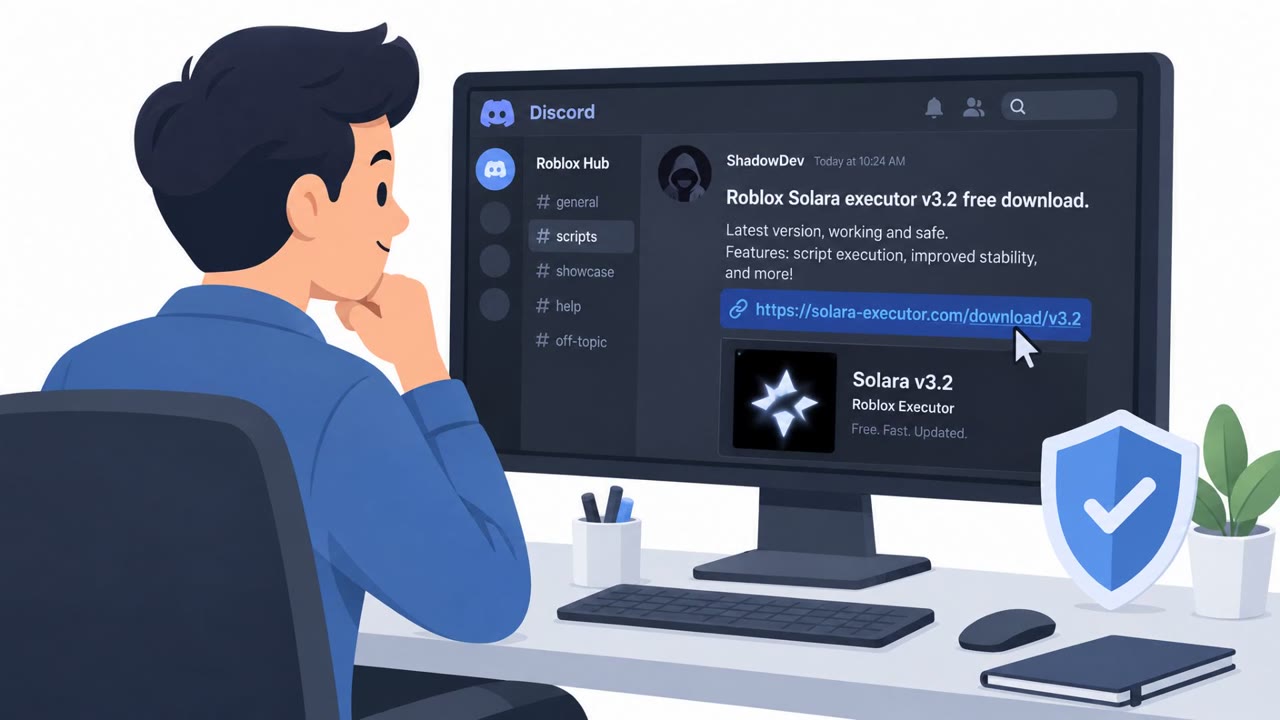
Bitdefender documented a Windows malware campaign built around fake copies of Xeno Executor, an unofficial Roblox scripting tool used by some players to run cheats. The fake installers were marketed as working, undetected versions, a pitch aimed at players frustrated by tools that stop functioning after Roblox updates its anti-cheat systems. These downloads were not distributed through official channels. They were promoted in gaming forums and Discord communities, where informal sharing and peer recommendations make malicious links harder to distinguish from legitimate ones.
Once a victim opened the fake installer, the malware ran in the background. Its capabilities extended well beyond a typical game cheat: it could steal browser passwords, cookies, cryptocurrency wallet data, and payment-related tokens, log keystrokes, capture screenshots, access webcams, manipulate files, and execute remote commands. This combination lines up with techniques such as masquerading, credential theft from web browsers, session cookie theft, keylogging, and remote access tooling.
Why it succeeded
The campaign relied on a target audience actively searching for an edge: Roblox players wanting cheat tools that still work after detection updates. Because the tool was already understood to be unofficial, users were primed to accept warnings or workarounds as normal parts of using it, including prompts to disable security software or grant administrator access. The attack also succeeds because personal and work computing increasingly overlap. Many employees use personal devices for work, meaning a gaming-related compromise is not contained to gaming accounts.
What to watch for
- Unofficial game cheats, executors, or cracks advertised as undetected or newly working
- Downloads promoted through informal gaming forums or Discord servers rather than official sources
- Installers that request administrator access or ask the user to disable Microsoft Defender
- Unexpected background activity after running a downloaded tool
How to build resistance
Organizations and individuals can reduce risk by treating any browser session on a shared or personal computer as sensitive if work email, banking, or other important accounts are signed in there. If a suspicious installer was run, the device should stop being used for sensitive sign-ins immediately. A clean device should be used to change affected passwords and revoke active sessions rather than just resetting passwords. If the computer was ever used for work, the incident should be reported to IT, including details on where the file came from, when it ran, and which work accounts were open on the device at the time. These steps apply broadly across gaming, technology, finance, and any organization where employees may access accounts from personal or shared machines.
Key findings
- Bitdefender documented a Windows malware campaign that used fake copies of the unofficial Roblox tool Xeno Executor.
- The fake downloads were promoted in gaming forums and Discord communities and marketed as “undetected” versions.
- After the victim opens the fake installer, the malware can steal browser passwords, cookies, cryptocurrency wallet data, and payment-related tokens.
- The malware can also log keystrokes, capture screenshots, access webcams, manipulate files, and execute commands remotely.
- A stolen browser cookie may let an attacker enter accounts that are already signed in, including work email or browser-based corporate applications on a personal computer.
Who’s being targeted
- Commonly targeted roles: Employees who use personal devices for work, Remote and hybrid workers, Roblox players, Parents and guardians, IT service desk and incident response teams.
- Affected industries: Gaming, Technology, Finance and banking, Cryptocurrency, Any organization whose employees access work accounts from personal or shared computers.
- Attack channels: discord.
- Impersonated: A provider or community member distributing Roblox cheat tools.
Red flags to watch for
- The tool is unofficial and promises to evade Roblox detection.
- The download is promoted through an informal gaming forum or Discord community.
- The installer requests administrator access or asks the user to disable Microsoft Defender.
Frequently asked questions
What is the Xeno Executor malware campaign?
Bitdefender documented a Windows malware campaign that used fake copies of Xeno Executor, an unofficial Roblox scripting tool, promoted as undetected downloads in gaming forums and Discord communities.
Can a Roblox cheat tool compromise a work account?
Yes. If a personal computer is also used for work, a stolen browser cookie from the malware could let an attacker enter accounts that are already signed in, including work email or browser-based corporate apps.
What should someone do if they ran a suspicious installer?
Stop using that device for sensitive sign-ins, use a clean device to change affected passwords, revoke active sessions, and report the incident to IT if work accounts were open on the PC.
What data can this malware steal?
The malware can steal browser passwords, cookies, cryptocurrency wallet data, and payment-related tokens, and it can log keystrokes, capture screenshots, access webcams, and execute remote commands.
Read the video transcript
A Roblox cheat could open your work email. In Discord, someone says, ‘Download the undetected Xeno Executor version.’ You open the Windows installer. It asks for admin access, or to disable Microsoft Defender. Here’s the catch: it can steal browser cookies. One cookie may unlock work apps you’re already signed into, no password needed. Ran that installer? Stop using that PC for sensitive logins and report it to IT now.