Medusa Offered Cash for Insider Access

Rapid7 Blog · Medium sophistication
Last updated November 25, 2026

Rapid7 describes a real ransomware recruitment attempt in which the Medusa group approached a BBC journalist and offered payment for access. The case shows how attackers may use money, persuasion, and pressure to obtain legitimate employee credentials, making insider-recruitment awareness important alongside traditional phishing training.

Key findings

  • Medusa approached a BBC journalist with an offer of payment in exchange for access.
  • The recruitment attempt combined financial incentives, persuasion, and pressure to seek legitimate credentials.
  • Organizations should distinguish deliberate employee cooperation from credentials obtained through external compromise or exposed systems.
  • Rapid7 recommends including insider-recruitment attempts in awareness programs and incident-response planning.

Who’s being targeted

  • Commonly targeted roles: All employees, IT administrators, Service desk personnel, Privileged-access users, Security operations teams, Human resources, Legal and executive leadership.
  • Affected industries: Media, Retail, Government, Critical infrastructure, Commercial organizations.
  • Impersonated: Prospective buyer of internal access.

Awareness takeaways

  • Treat unsolicited offers of money for company access as a security incident and report them immediately through an approved internal channel.
  • Train employees that attackers may seek cooperation through financial incentives and pressure, not just deceptive emails or malicious links.
  • Include insider-recruitment scenarios in security awareness exercises and incident-response plans.
  • Investigate suspected credential misuse without assuming an employee intentionally shared access; credentials may also come from external compromise or exposed systems.

Red flags to watch for

  • An unsolicited contact offers money for access to company systems.
  • The request seeks legitimate credentials or internal access rather than a normal business service.
  • The contact uses persuasion or pressure to obtain confidential cooperation.
Try Mirage

Mirage safely runs attacks like this one against your own team, so you find out what happens before a real adversary does.

Get a demo
Read the video transcript

Medusa offered a BBC journalist cash for access. That’s insider recruitment, not a normal business offer. The pitch starts with money, then persuasion and pressure to hand over legitimate credentials or access to company systems. Here’s the giveaway: they want your real access, not a service you provide. And if credentials turn up for sale, that alone doesn’t prove an employee cooperated. If anyone offers you money for company access, report the contact immediately through your approved internal security channel.

Similar attacks

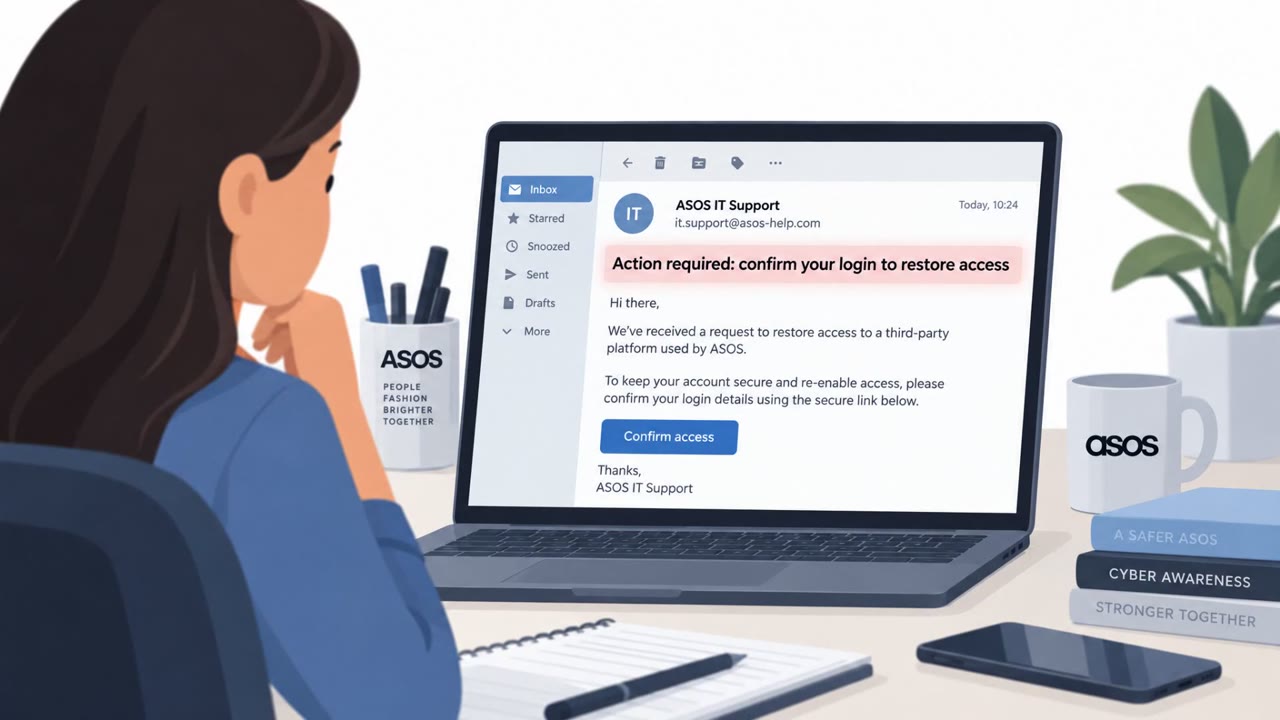
ASOS Breach Began With Tricked Employee Login

ASOS Breach Began With Tricked Employee Login

ASOS confirmed attackers got into customer-data systems after tricking an employee into handing over login credentials. Stolen data reportedly included not only names and contact details, but also customers’ shopping searches, which could enable highly convincing follow-on scams and phishing.…

October 9, 2026
Stolen Exec Email Sends RFP Lure to Steal M365 Logins

Stolen Exec Email Sends RFP Lure to Steal M365 Logins

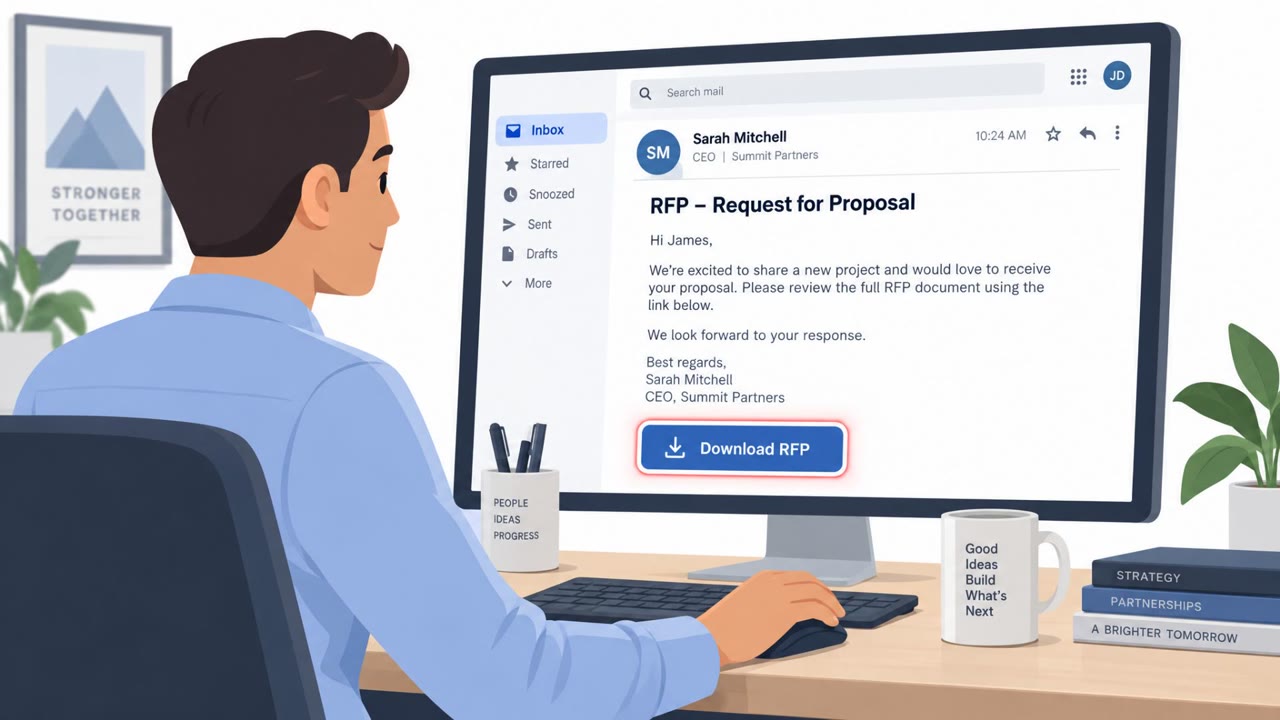
A construction/landscaping firm’s executive email account was compromised and used to send convincing “request for proposal” (RFP) emails to another company, tricking recipients into entering Microsoft 365 credentials and an MFA code on a fake login page. The attackers used a man-in-the-middle…

October 8, 2026
Scattered Spider Used Smishing and SIM Swaps

Scattered Spider Used Smishing and SIM Swaps

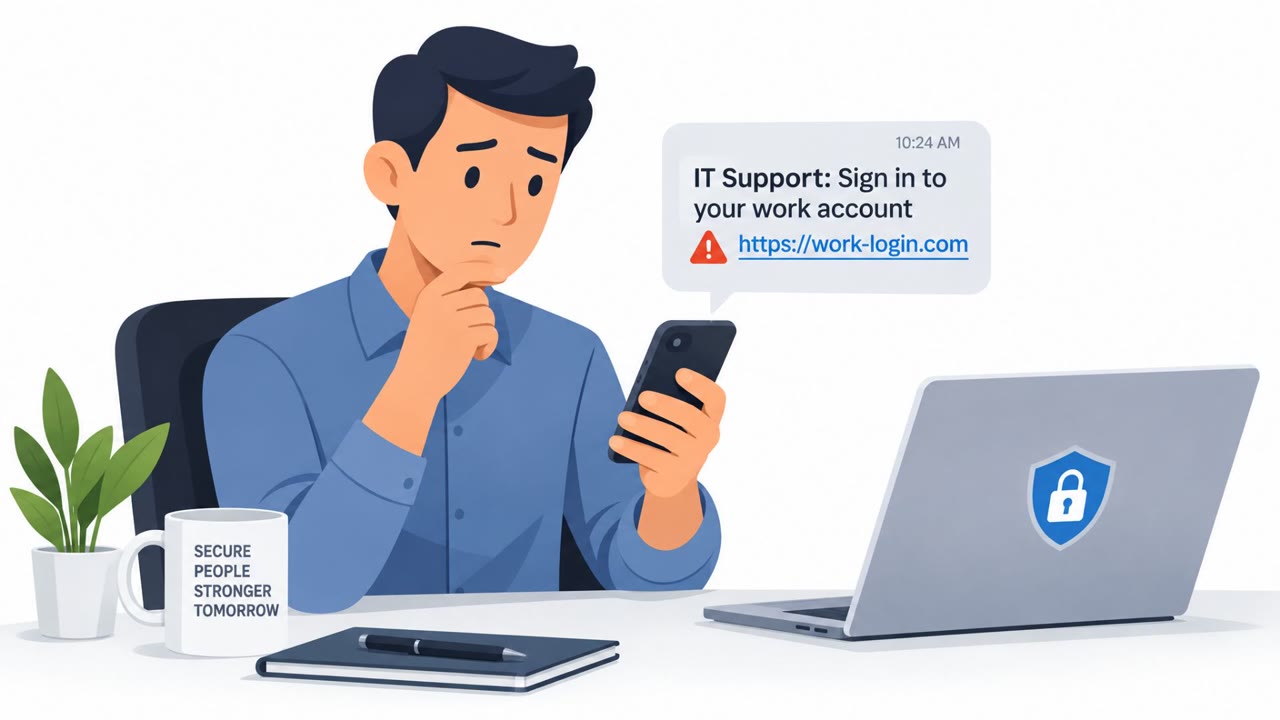
A Scattered Spider member received a six-year prison sentence for a campaign that used fake work-related text messages and SIM swaps to steal credentials and more than $11.6 million in cryptocurrency. The group impersonated employers or IT-support contractors, directing employees to fake company…

November 19, 2026
AI Agents Target Crypto KYC With Deepfakes

AI Agents Target Crypto KYC With Deepfakes

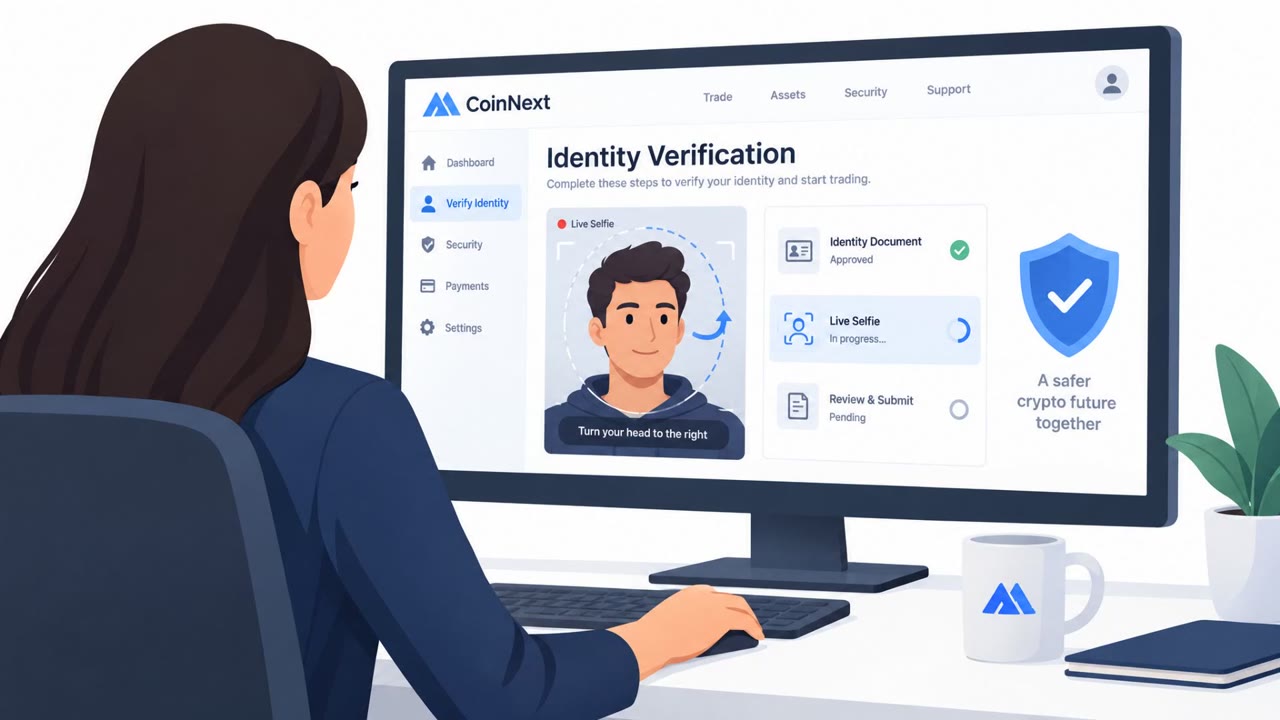
Amazon observed threat actors using ARTEX AI agents in sustained cybercrime campaigns. One campaign attempted to defeat cryptocurrency-exchange identity checks using real-time deepfake video and forged identity-document images, providing a realistic fraud workflow for awareness training. The same…

November 13, 2026
ASOS App Push Alert Used for Extortion

ASOS App Push Alert Used for Extortion

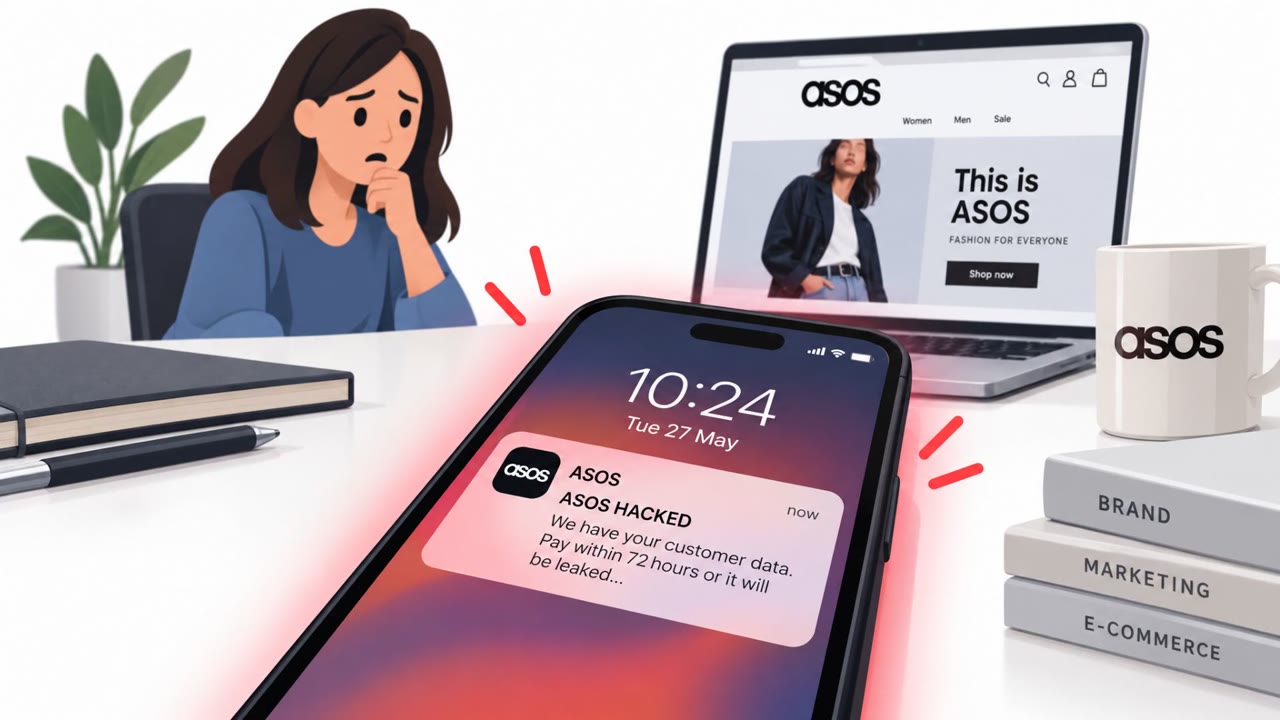
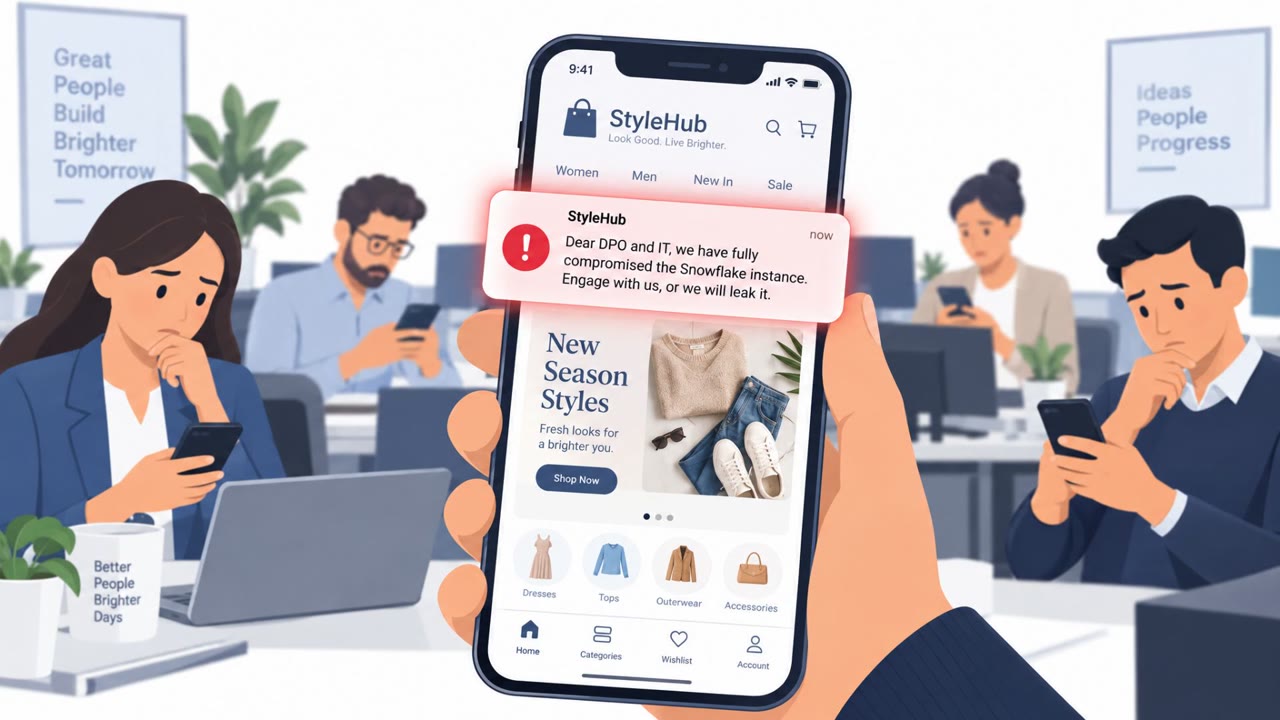
Attackers used social engineering to access an ASOS employee account connected to Snowflake, then used ASOS’s own app notification system to broadcast an extortion message directly to customers. The incident also involved suspected large-scale customer data theft, which increases the risk of highly…

October 9, 2026
Asos App Push Used to Broadcast Ransom Demand

Asos App Push Used to Broadcast Ransom Demand

A ransomware crew that compromised retailer Asos used the company’s own mobile app push notifications to send an extortion message directly to customers. The message claimed the attackers had fully compromised Asos’s Snowflake environment and threatened to leak data if the company didn’t engage.…

October 9, 2026