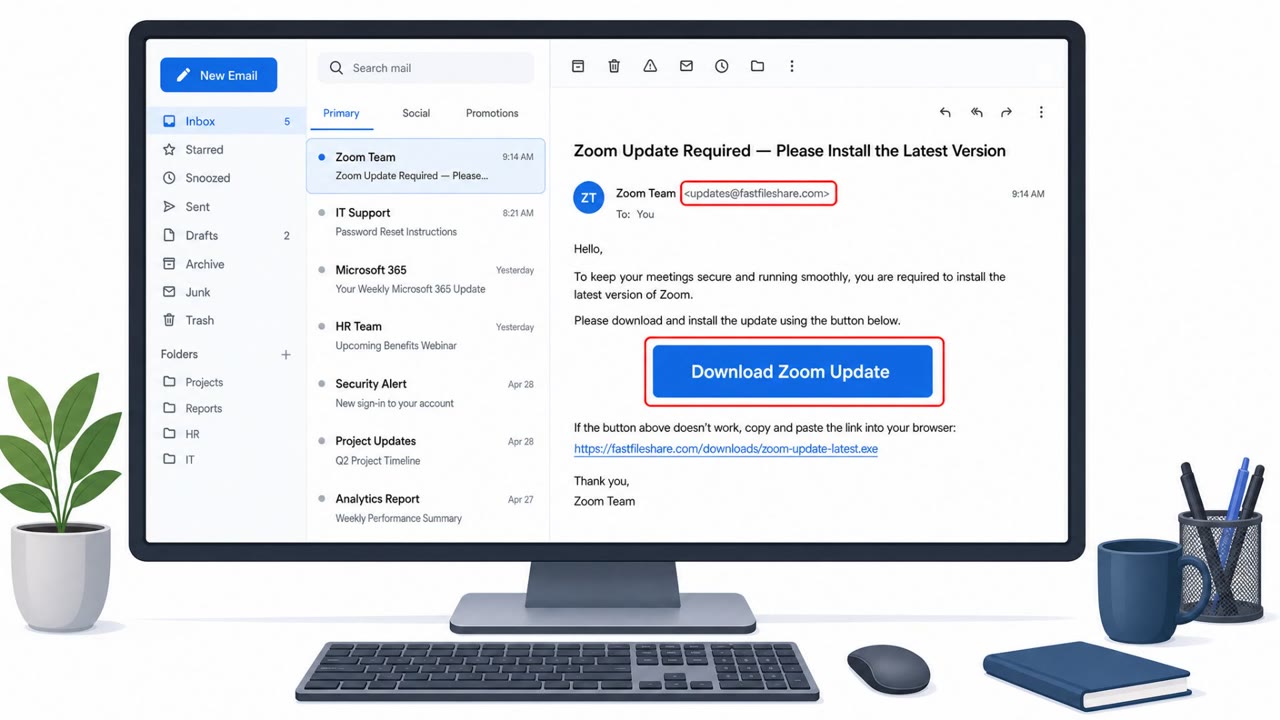
The Trigram campaign impersonates roughly 50 AI, blockchain, and logistics brands to lure developers into running malicious commands or software. It uses fake job recruitment sites, conference invitations, package-tracking themes, and compromised code repositories to steal browser passwords, crypto wallets, SSH keys, and other sensitive data.
Key findings
- Trigram impersonates about 50 AI and blockchain brands and uses recruitment, conference, and package-delivery themes to target developers.
- A fake Amber Group careers portal screens visitors using geofencing and invitation codes before presenting a technical-check workflow.
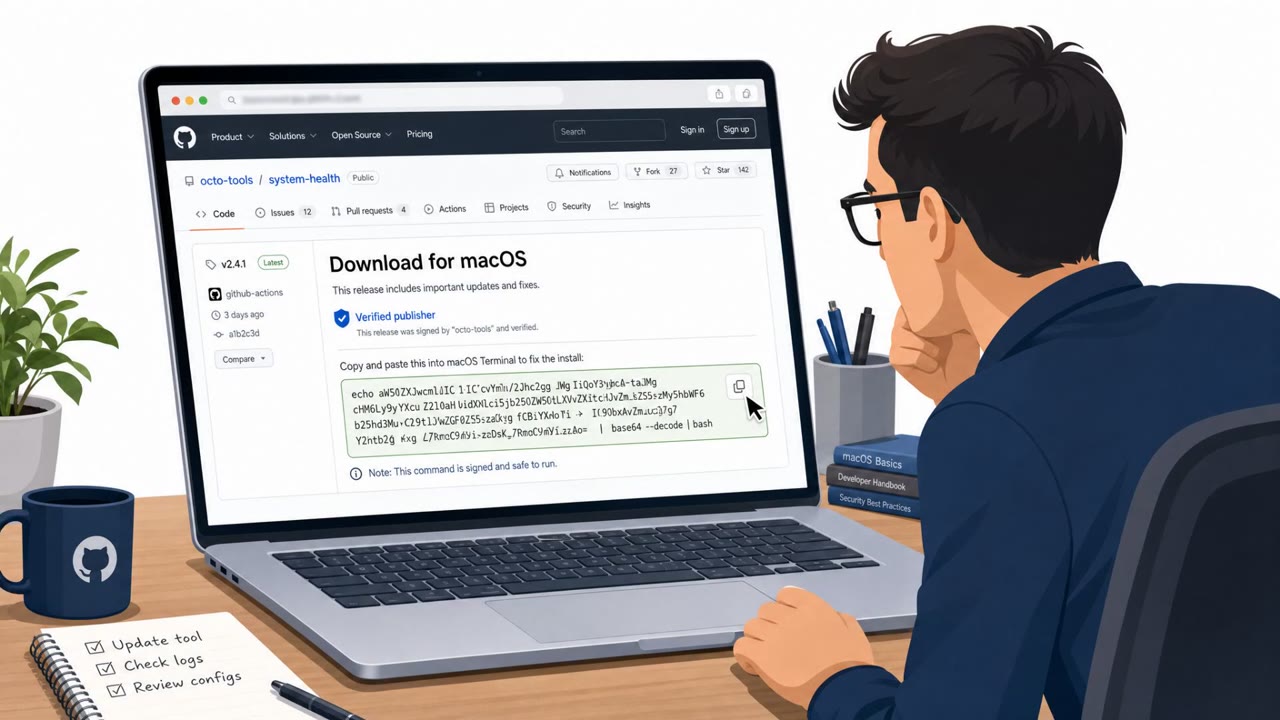
- The recruitment site manipulates the clipboard: after an apparent timeout, its Copy button substitutes a malicious operating-system-specific command.
- The campaign also used a forged commit in the antd-img-crop GitHub repository and a malicious VS Code or Cursor extension named "google-dev-tools.google-update-support."
- The malware steals browser passwords, cookies, keychains, cryptocurrency wallets, SSH keys, .env files, system information, and sensitive files.
- Activity overlaps in technique with North Korea-linked clusters Kimsuky and UNK_DeadDrop, although the article does not present this as definitive attribution.
Who’s being targeted
- Commonly targeted roles: Developers, Software engineers, DevOps engineers, Blockchain and cryptocurrency teams, IT administrators, Security researchers, Recruiting and HR teams, Diplomacy and policy professionals, Employees who use GitHub, VS Code, Cursor, Zoom, or Google Workspace.
- Affected industries: Artificial intelligence, Blockchain and cryptocurrency, Technology and software development, Logistics, Finance, Education, Policy and academia, International cooperation, Diplomacy, Security research.
- Attack channels: email, website.
- Impersonated: Amber Group recruitment platform, International conference organizer or analytical collaborator, Zoom meeting invitation via Gmail.
Awareness takeaways
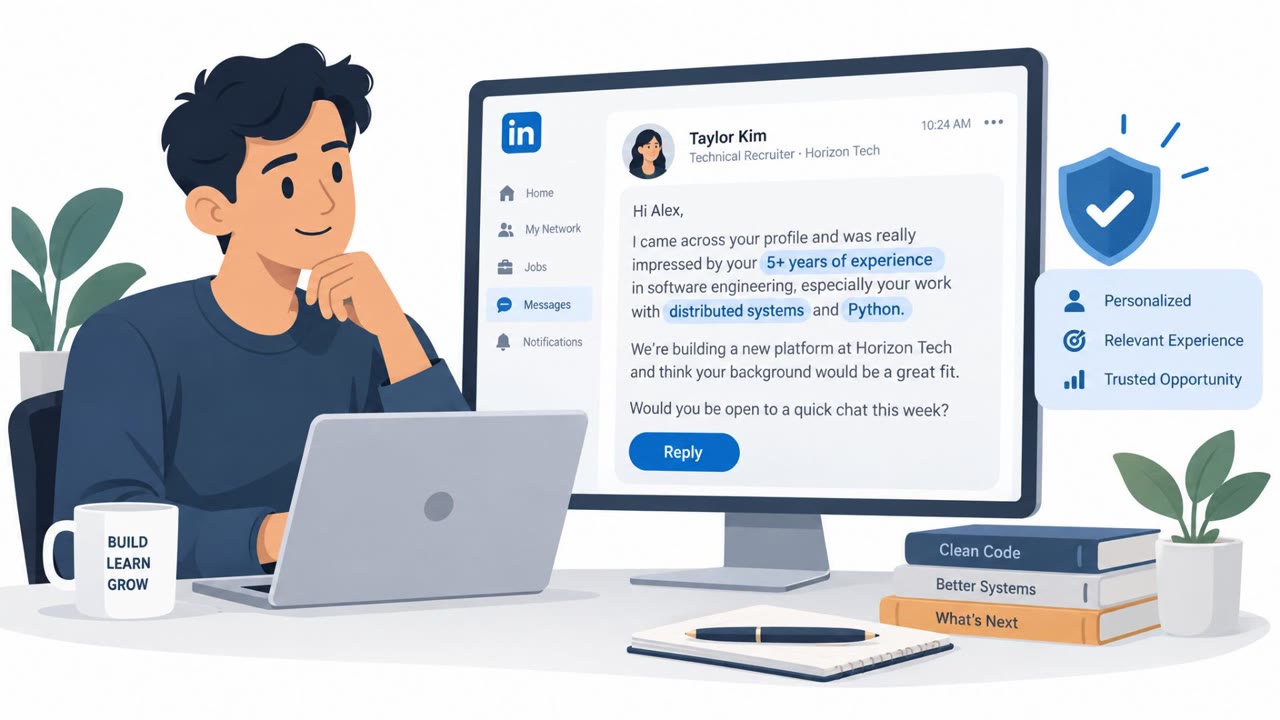
- Treat any job application or coding assessment that asks you to paste or run a terminal command as suspicious; verify the recruiter through a known, independent contact method.
- Do not trust copied commands from a web page. A site can change clipboard contents after you click Copy, so inspect commands before running them.
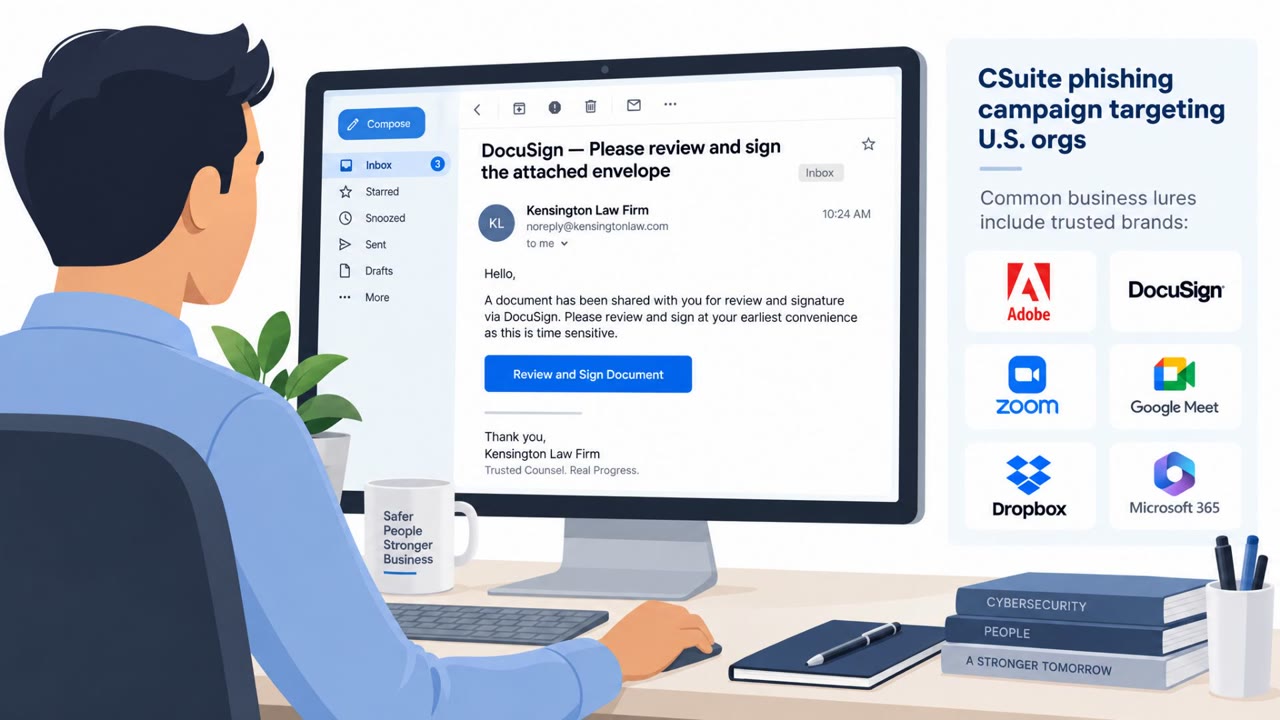
- Be cautious with unsolicited conference invitations and research-collaboration requests, especially if they lead to ZIP files or Windows shortcut files.
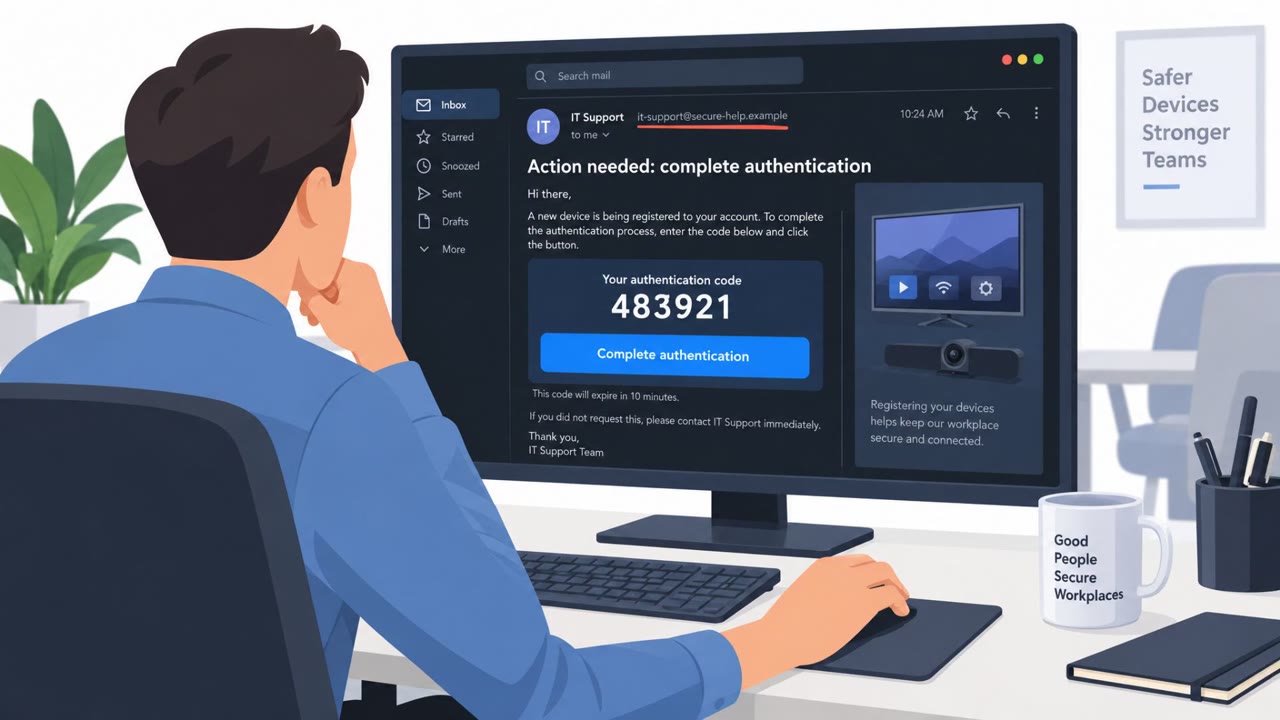
- Download developer tools, extensions, and software updates only from official sources, and verify unexpected update prompts before entering a system password.
Red flags to watch for
- An external recruiting site asks the applicant to run a terminal command before or during a job application.
- The site requires an unusual referral or invitation code and claims the code is tied to an IP address.
- A retry after an "Operation timeout" changes what is placed in the clipboard when the user clicks Copy.
- An unsolicited professional invitation develops into delivery of a ZIP archive.
- The archive contains a Windows Shortcut (LNK) rather than a normal document.
- The sender asks recipients to use a meeting or document link outside normal organizational channels.
- A Zoom invitation leads to a Google credential prompt rather than the expected Zoom or organization sign-in flow.
- The link is unsolicited or arrives in the context of an unexpected collaboration request.
- The invitation combines a meeting request with a request to enter credentials on an unfamiliar page.
Read the video transcript
Amber Group developer job? The technical check is the trap. Trigram’s fake careers portal asks for an invitation code, then a Linux command. After an ‘Operation timeout,’ its Copy button puts a different command on your clipboard. That’s the aha: the page can show one command and copy another. Running it can expose browser passwords, crypto wallets, SSH keys, and .env files. If a job application asks you to run a command, stop. Verify the recruiter through a contact you found independently.