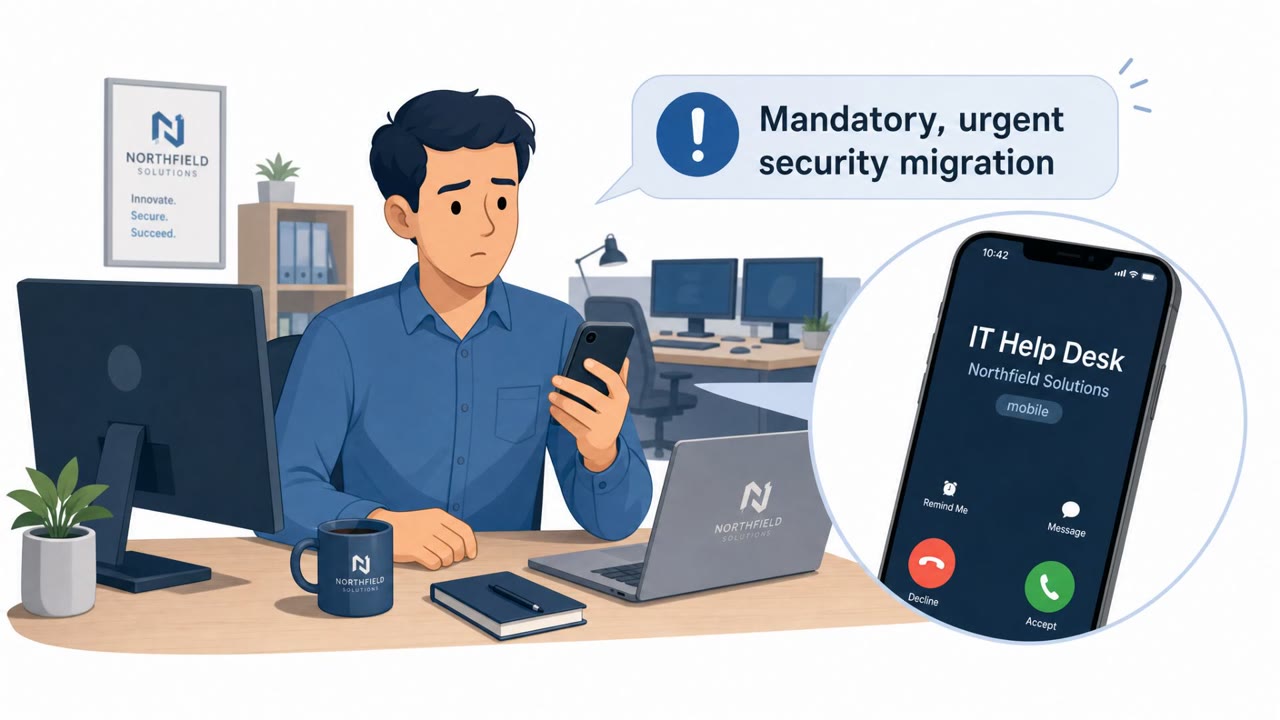
Vishing Crew Enrolls Its Own Passkeys

Security Boulevard · High sophistication
Last updated November 12, 2026

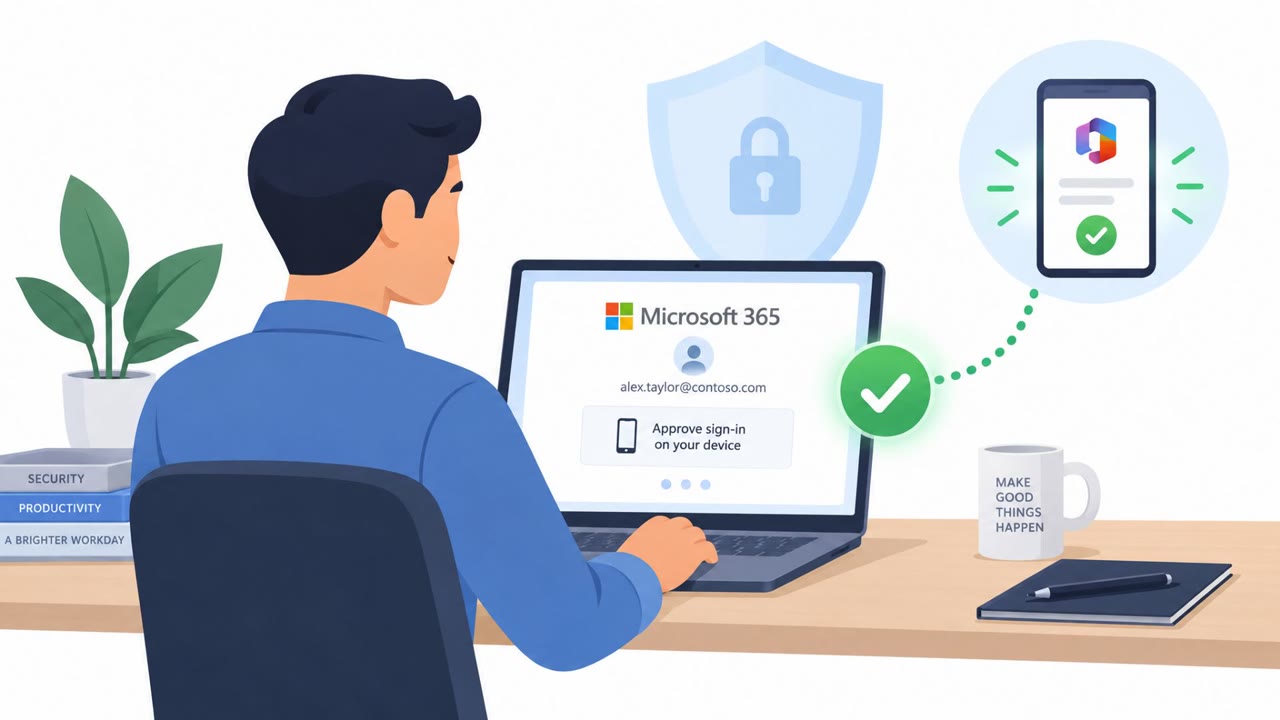
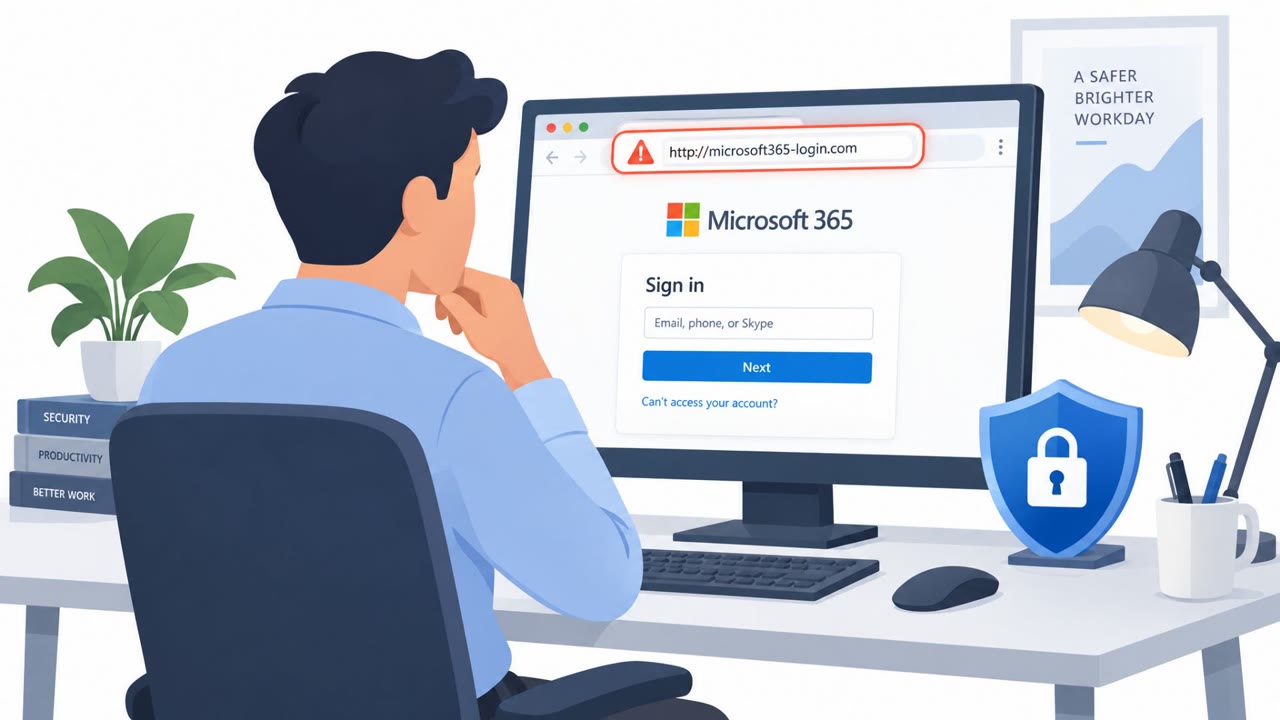
A documented phone-based scam tricks employees into visiting fake, company-branded Microsoft Entra pages to supposedly register a passkey. While the victim enters their password and MFA code, a live operator uses those details to access the real account and register an attacker-controlled passkey. The campaign shifts the target from stealing passkeys to abusing weak enrollment and recovery processes.

Key findings

  • Okta tracks the activity cluster as O-UNC-066; Palo Alto Networks Unit 42 tracks it as CL-CRI-1147.
  • Attackers call employees and claim that they need to register a new passkey.
  • A live operator guides the victim through a fake Microsoft Entra page customized with the target organization's branding.
  • The operator captures the victim's password and MFA response, signs in to the real account, and enrolls an attacker-controlled passkey.
  • The kit can request SMS codes, authenticator-app codes, or push approvals using number matching.
  • Victims may receive a legitimate Microsoft email notifying them that a new passkey was registered.
  • Observed targeting included food and beverage, technology, healthcare, automotive, construction, and aviation organizations.

Who’s being targeted

  • Commonly targeted roles: All employees, Help desk and IT support staff, Identity and access management teams, Security operations teams, Microsoft Entra administrators.
  • Affected industries: Food and beverage, Technology, Healthcare, Automotive, Construction, Aviation.
  • Attack channels: vishing, website.
  • Impersonated: Microsoft Entra or the target organization's IT identity team, Microsoft Entra passkey enrollment support.

Awareness takeaways

  • Do not act on unsolicited calls asking you to set up a passkey or approve a sign-in. Start any enrollment process yourself from a known company portal.
  • Never share an MFA code or approve a sign-in because a caller asks you to, even if the caller knows company details or the webpage looks legitimate.
  • Treat an unexpected notification that a new passkey or authenticator was added as a possible account compromise and report it immediately.
  • Use a known internal process to verify anyone claiming to be help desk or IT support before changing authentication settings.

Red flags to watch for

  • An unsolicited caller asks the employee to perform passkey enrollment immediately.
  • The caller directs the employee to a website rather than having them start from a known company portal.
  • The process requests a password and MFA code or push approval during an unexpected passkey setup call.
  • A caller provides a number for the employee to enter into a push approval.
  • The page displays a processing screen while the employee waits.
  • The employee is asked to create a passkey but no passkey is actually created on their own device.
Try Mirage

Mirage safely runs attacks like this one against your own team, so you find out what happens before a real adversary does.

Get a demo
Read the video transcript

“You need to register a new passkey.” Got that call? The caller sends you to a company-branded fake Microsoft Entra page. You enter your password, then an SMS or authenticator code, or approve a number-matching push. Here’s the twist: while your screen says “processing,” they sign in to the real account and add their own passkey. Yours never gets created. Even a real Microsoft passkey email may arrive afterward. Hang up; start passkey setup yourself from your known company portal.

MITRE ATT&CK techniques

T1598 - Phishing for InformationT1656 - Impersonation

Similar attacks

UNC6671 Calls Staff to Steal SaaS Logins

UNC6671 Calls Staff to Steal SaaS Logins

UNC6671 is running real-world voice phishing (vishing) campaigns where callers impersonate IT help desk staff and create urgency around “mandatory” security changes. Victims are pushed to spoofed login pages that capture passwords and MFA codes, enabling attackers to access and steal data from SaaS…

August 7, 2026
Stolen Microsoft 365 Tokens Hit 79 Organizations

Stolen Microsoft 365 Tokens Hit 79 Organizations

Attackers used fake Microsoft sign-in pages and device-code phishing to capture or obtain authenticated Microsoft 365 sessions, bypassing the need to repeat multi-factor authentication. They then took over accounts, added their own devices and authentication methods, and hid messages with inbox…

October 27, 2026
Token Replay Hits 79 Microsoft 365 Orgs

Token Replay Hits 79 Microsoft 365 Orgs

Attackers used fake Microsoft sign-in pages and device-code tricks to steal completed Microsoft 365 login sessions, then replayed those sessions without needing passwords or new MFA approvals. After entering accounts, they registered rogue devices, replaced MFA methods, and hid mailbox messages,…

October 23, 2026
Campaign Spoofing Puts Donors at Risk

Campaign Spoofing Puts Donors at Risk

The FBI warns that scammers are impersonating political candidates and campaigns to solicit donations and steal personal information ahead of the midterms. Attackers use candidates’ names, logos, and AI-generated voices or messages, while weak email authentication can allow fraudulent messages to…

October 29, 2026
Gift Card Phishers Target Retail Staff

Gift Card Phishers Target Retail Staff

Retailers face a peak-season gift-card fraud campaign in which attackers use phishing emails and text messages to trick employees into giving up credentials. After gaining access, the attackers use cloud systems and sensitive data to issue unauthorized gift cards at scale and convert them into…

October 28, 2026
Africa Crackdown Exposes Call-Center Fraud

Africa Crackdown Exposes Call-Center Fraud

INTERPOL’s Operation Serengeti III led to 1,462 arrests across 21 countries and disrupted fraud, ransomware, business email compromise and other cybercrime operations. One major case involved rotating call centers that used scripted investment pitches, fake trading platforms and fraudulent websites…

October 22, 2026