Fake IT Calls Fueled $40M Ransomware Ring

The Record · High sophistication
Last updated November 19, 2026

Ukrainian authorities say they dismantled part of an international ransomware network that extorted more than $40 million from at least 28 organizations. Investigators allege the group called U.S. employees while posing as IT support, persuading them to reveal login credentials or install remote-access software; it also reportedly used AI-generated voice messages to automate fraudulent calls.

Key findings

  • Ukrainian authorities arrested four suspected members of a ransomware network alleged to have extorted at least $40.5 million from 28 companies.
  • A suspected social-engineering specialist allegedly called U.S. employees while posing as technical support to obtain login credentials.
  • Attackers allegedly convinced employees to disclose credentials or install remote-access software, then used network access to steal data, encrypt files and demand cryptocurrency.
  • The group reportedly developed a platform using AI-generated voice messages to automate fraudulent phone calls.
  • Named alleged victims included Warren Oil Company, Maxxis International-USA, Newpark Resources and Quantum Health.

Who’s being targeted

  • Commonly targeted roles: All employees, IT help desk and technical support teams, Employees with remote access, Finance teams, Healthcare staff, Oil and gas employees, Manufacturing and logistics personnel, Critical infrastructure operators.
  • Affected industries: Oil and gas, Energy services, Pharmaceuticals, Healthcare services, Manufacturing, Logistics, Financial institutions, Critical infrastructure.
  • Attack channels: vishing.
  • Impersonated: Technical support staff, IT support employees.

Awareness takeaways

  • Never provide passwords or other login credentials to an unsolicited caller, even if the person claims to be IT support. Independently contact IT through a known company channel before taking action.
  • Do not install remote-access software because of an unexpected call. Confirm the request through the organization’s approved help desk or support ticket process.
  • Treat a convincing or automated voice as unverified; AI-generated voice messages can be used to scale fraudulent calls.
  • Report suspected impersonation calls quickly, because stolen credentials can lead to data theft, business disruption and ransomware extortion.

Red flags to watch for

  • The caller asks for login credentials.
  • The request is unsolicited and cannot be verified through a known internal support channel.
  • The caller relies on urgency or authority rather than an approved support ticket or identity-verification process.
  • An unsolicited caller asks the employee to install software.
  • The software would allow another person to control or access the device remotely.
  • The request did not originate through the organization's approved IT-support process.
Try Mirage

Mirage safely runs attacks like this one against your own team, so you find out what happens before a real adversary does.

Get a demo
Read the video transcript

“This is IT support. I need to verify your login.” Sound familiar? That’s vishing: fake IT calls asking for passwords or remote-access software. Investigators say one ransomware ring used AI-generated voice messages to make those calls at scale. Here’s the tell: real IT won’t need your password. One fake call can become stolen data, encrypted files, and a cryptocurrency demand. A convincing voice proves nothing. If IT calls unexpectedly, hang up and call your company help desk using its known number.

MITRE ATT&CK techniques

T1656 - ImpersonationT1598 - Phishing for InformationT1566.003 - Phishing: Spearphishing via Service · PhishingT1204.002 - User Execution: Malicious File · User Execution

Similar attacks

Fake IT Support Calls Fueled $40.5M Ransomware Haul

Fake IT Support Calls Fueled $40.5M Ransomware Haul

Ukrainian police arrested four alleged members of a ransomware group that reportedly extorted more than $40.5 million from at least 28 companies. The group researched targets, then called employees while posing as IT support to obtain login credentials or persuade them to install remote-access…

November 19, 2026
North Korea Used Deepfake Calls to Steal Crypto

North Korea Used Deepfake Calls to Steal Crypto

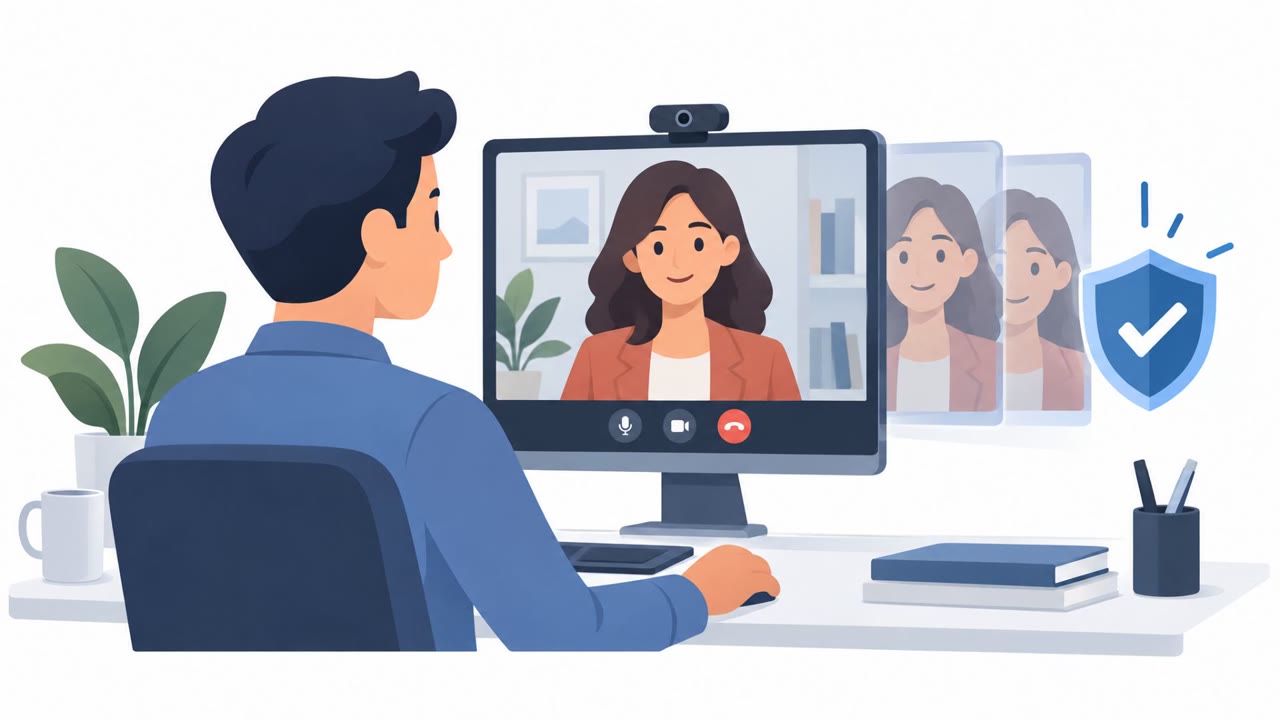
U.S. authorities disrupted North Korea’s “FaceStealer” campaign, which used stolen webcam footage and AI-generated deepfakes to lure people into video calls. During the calls, attackers claimed there was a technical problem and persuaded victims to install supposed fixes that actually delivered…

November 13, 2026
Fake Job Interview Opens Binance’s Door

Fake Job Interview Opens Binance’s Door

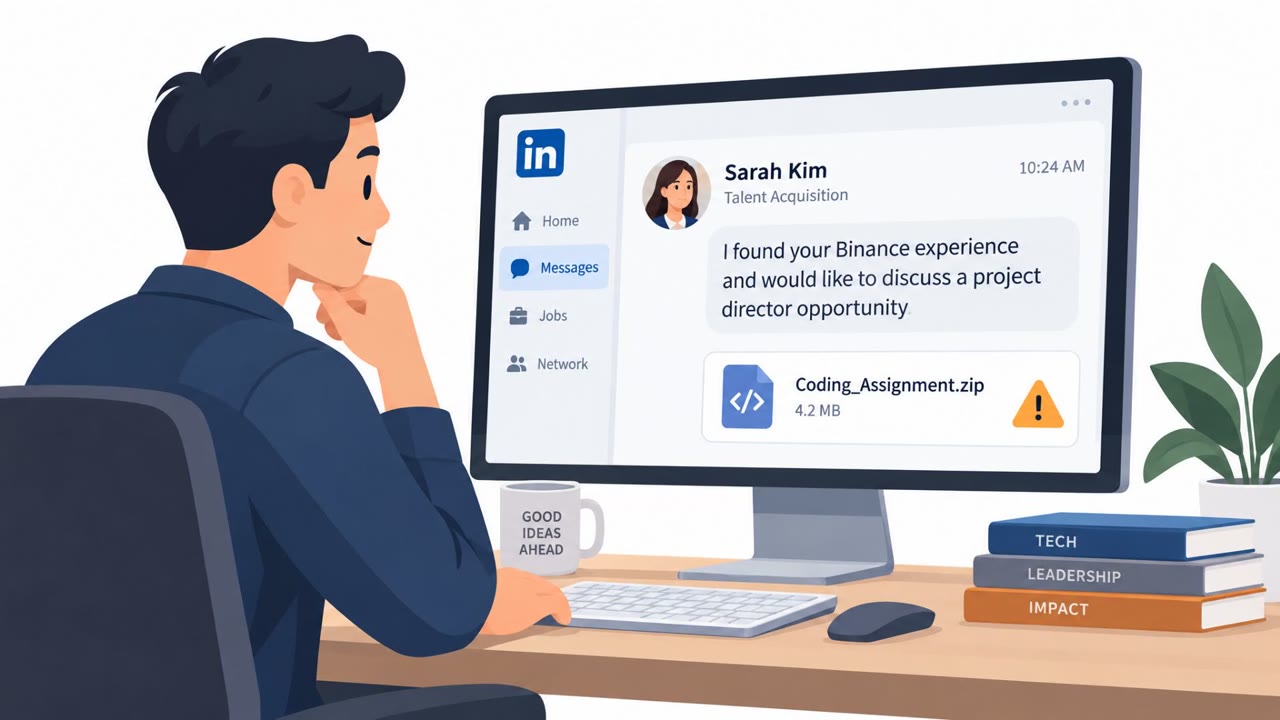
Attackers allegedly used a fake recruiting process to trick a Binance engineer into running a coding assignment on a work computer. The malicious assignment gave the attackers a foothold, which they reportedly used with stolen deployment access and an internal AI tool to reach wallet systems and…

November 10, 2026
Fake Interview Opens $6.34B Binance Heist

Fake Interview Opens $6.34B Binance Heist

Attackers linked to North Korea allegedly used a fake recruitment process to persuade a Binance software engineer to download a malicious coding assignment onto a work computer. They then used the compromised device, internal AI tooling, and stolen deployment credentials to reach wallet-signing…

November 3, 2026
Fake Resumes and Recruiters Spread Malware

Fake Resumes and Recruiters Spread Malware

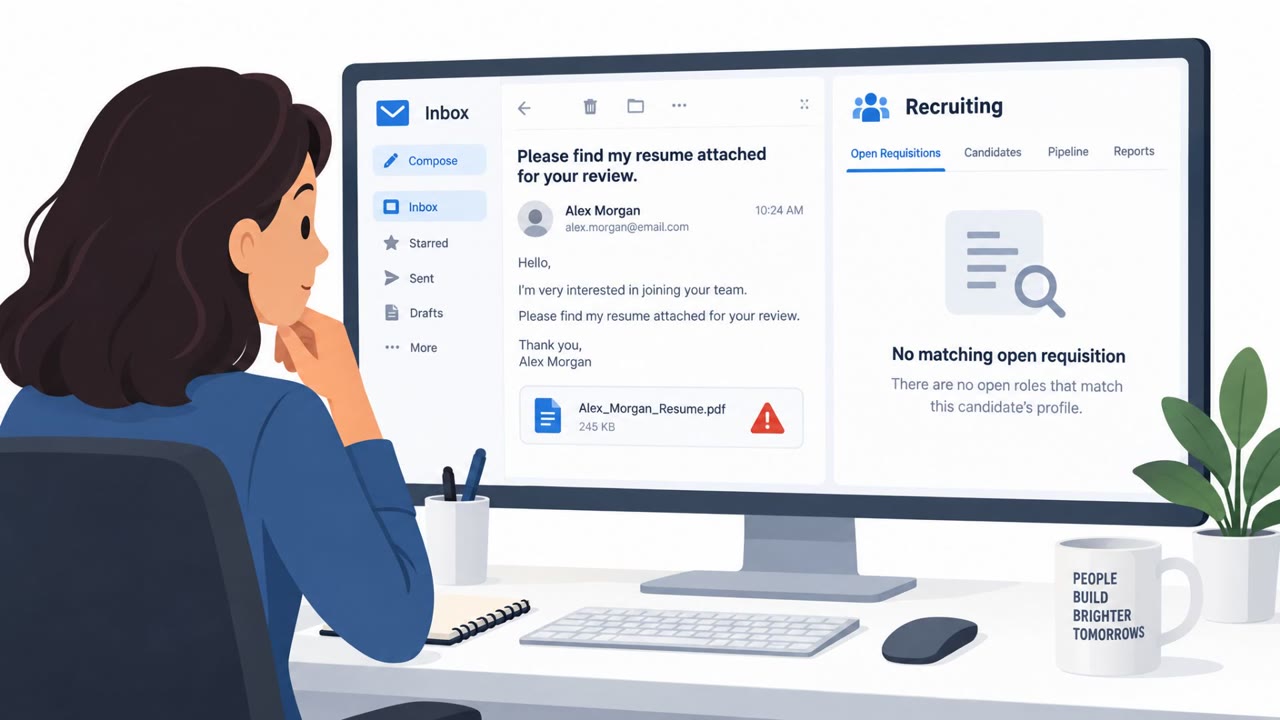
This roundup describes real campaigns that use expected job-search messages and fake recruitment sites to trick people into opening malicious documents or downloading harmful mobile apps. One campaign disguised ransomware as a resume, while another targeted Indian job seekers seeking roles at…

November 19, 2026
Russian Spies Reuse Trust to Phish New Victims

Russian Spies Reuse Trust to Phish New Victims

Google says the Russian-linked COLD RELIC group used access to one organization to impersonate its employees and approach people in their trusted professional networks. The attackers used encrypted-message conversations and context-relevant document links to steal Microsoft Entra ID credentials and…

November 19, 2026