Fake Recruiters Target Crypto Firms With AI Images

SiliconANGLE Security · High sophistication
Last updated November 16, 2026

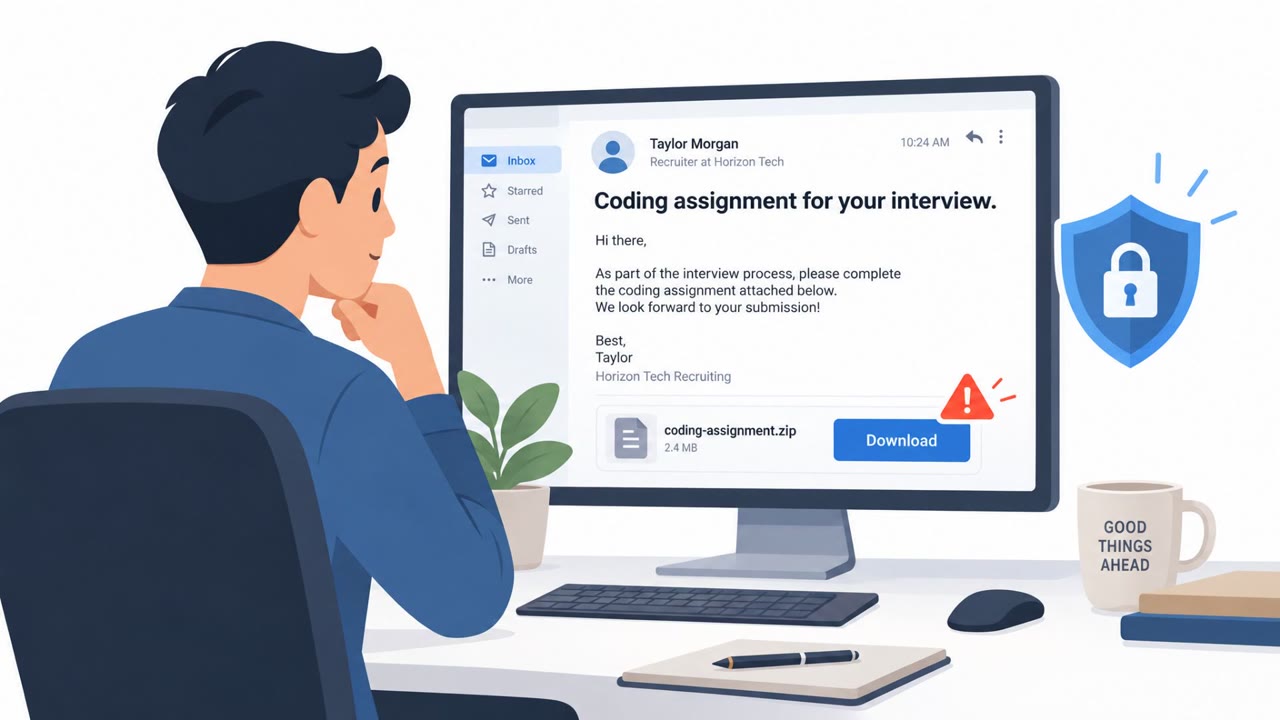
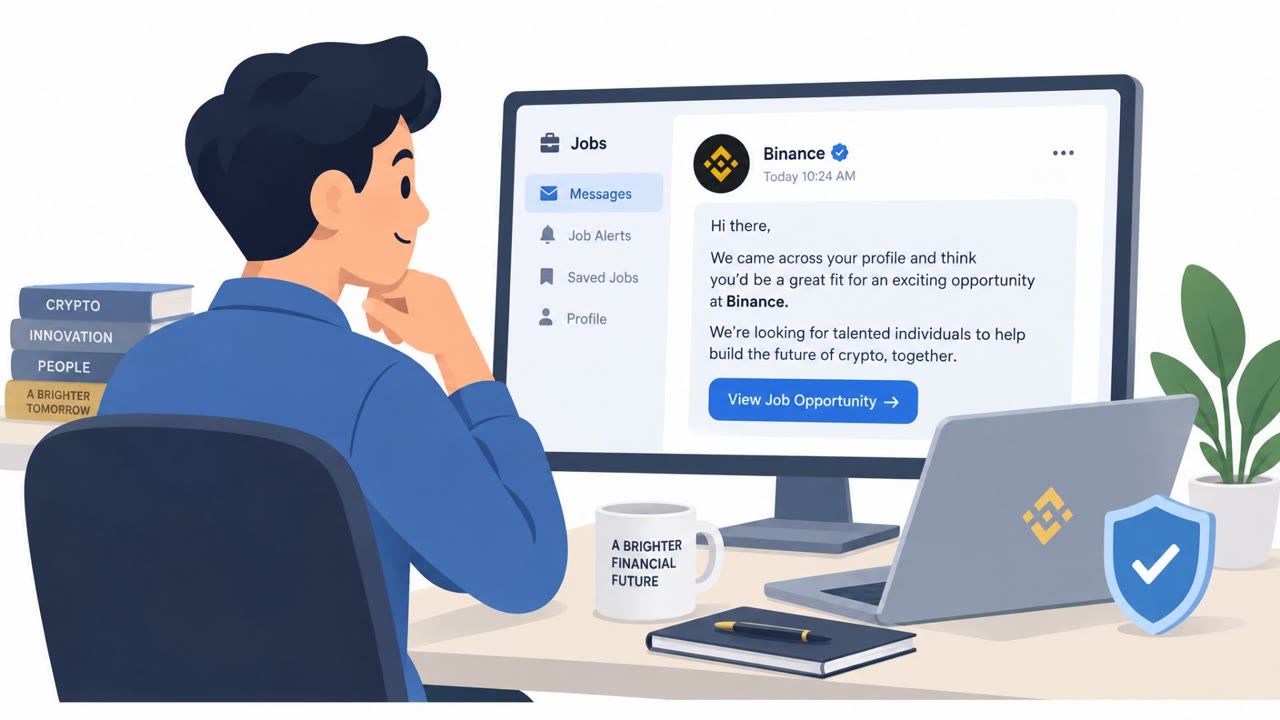
Google reported that a suspected North Korean group, tracked as UNC6836, used fake recruiter profiles with AI-generated photos to approach cryptocurrency organizations in North America and Europe. The same group later altered internal developer-tool settings in code repositories so that launching Claude Code downloaded a backdoor, showing how a recruiter pretext can lead to deeper compromise.

Key findings

  • A suspected North Korean group tracked as UNC6836 used fake recruiter profiles to approach cryptocurrency organizations in North America and Europe.
  • The fake recruiter-profile photos carried Google's SynthID watermark, indicating AI-generated imagery was used.
  • The group later modified .claude/settings.json files in internal code repositories so launches of Claude Code downloaded the SOMBERMEME backdoor.
  • Google disabled accounts and assets connected to the Gemini API misuse it identified.

Who’s being targeted

  • Commonly targeted roles: Cryptocurrency employees, Recruiting and HR teams, Developers, Engineering leaders, Repository administrators, Security operations teams.
  • Affected industries: Cryptocurrency organizations, Financial services, Aerospace, Media, Entertainment, Education.
  • Attack channels: linkedin.
  • Impersonated: Recruiter.

Awareness takeaways

  • Treat unsolicited recruiter outreach as untrusted until the recruiter, employer, and job opportunity have been independently verified through known company channels.
  • Do not assume a realistic profile photo proves a recruiter is genuine; AI-generated images can be used to make fraudulent profiles look credible.
  • Developers should investigate unexpected changes to repository configuration files, particularly settings that cause tools to download or run code when launched.
  • Keep developer-tool credentials and API keys out of chat conversations and only enter them through approved, verified configuration processes.

Red flags to watch for

  • The recruiter profile may use an AI-generated or otherwise unverifiable photo.
  • The recruiter has little independently verifiable employment history or company presence.
  • An unsolicited recruiting conversation shifts toward software, code, repository access, or developer-tool configuration.
Try Mirage

Mirage safely runs attacks like this one against your own team, so you find out what happens before a real adversary does.

Get a demo
Read the video transcript

That LinkedIn recruiter’s photo looks real. It might not be. UNC6836 used AI-generated recruiter photos to approach crypto firms. The pitch: ‘I’m a recruiter’ with a role matching your background. Here’s the twist: the conversation can reach your code. Later, altered .claude/settings.json files made Claude Code download the SOMBERMEME backdoor on launch. Before engaging, verify the recruiter and the role through the company’s official website.

MITRE ATT&CK techniques

Similar attacks

Deepfake Calls Drive $400M Crypto Theft

Deepfake Calls Drive $400M Crypto Theft

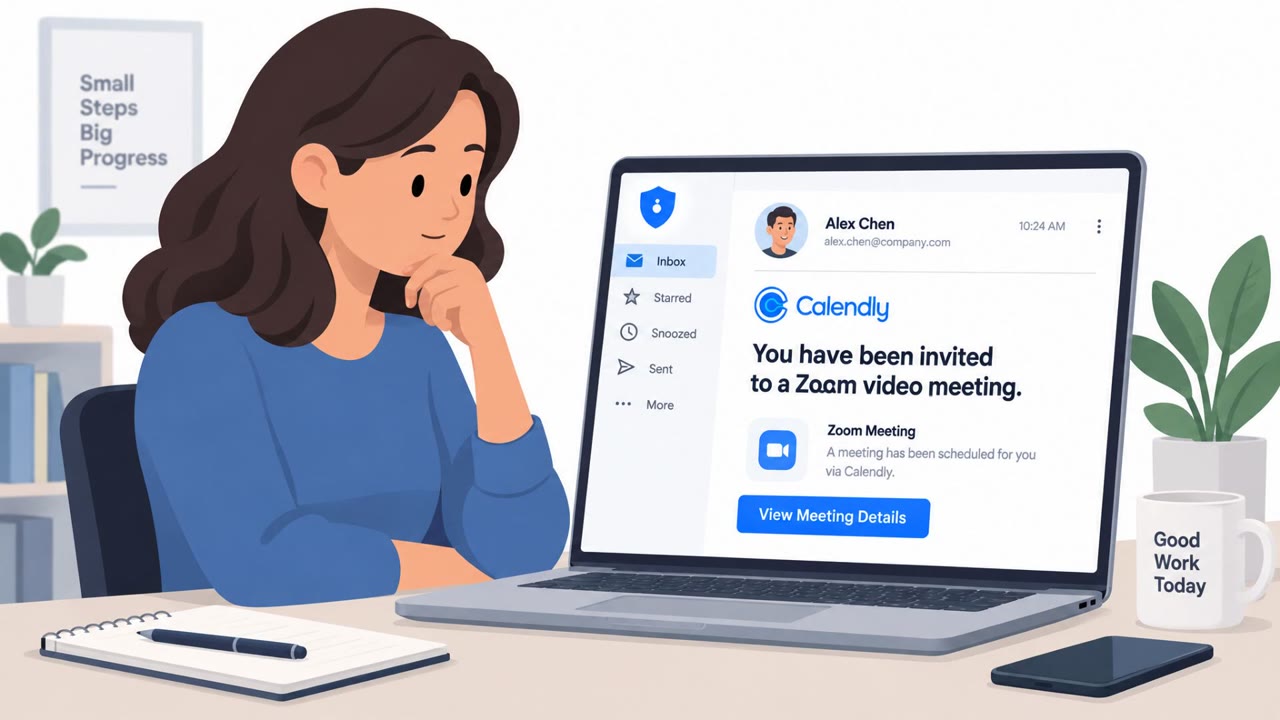
The FBI says North Korea-linked BlueNoroff actors used stolen trusted accounts, deepfake video calls, and fake Zoom or Teams meeting links to steal more than $400 million in cryptocurrency. Victims were invited to discuss investments, shown a convincing fake meeting with familiar people, then told…

November 13, 2026
North Korean Deepfake Meeting Scam Exposed

North Korean Deepfake Meeting Scam Exposed

U.S. authorities disrupted FaceStealer, a North Korean social-engineering operation that used stolen accounts, fake Zoom or Teams invitations, and recorded or AI-generated video to trick people into installing malware. The scheme targeted cryptocurrency organizations and open-source software…

November 12, 2026
Fake Video Meetings Push Crypto-Stealing Fixes

Fake Video Meetings Push Crypto-Stealing Fixes

North Korean-linked operators reportedly used fake remote meetings built from recorded victim footage and AI-generated participants to trick cryptocurrency holders into downloading malware. When a staged problem occurred during the meeting, the victim was encouraged to install a supposed “fix,”…

November 13, 2026
Fake Zoom Calls Fuel $400M North Korean Heists

Fake Zoom Calls Fuel $400M North Korean Heists

North Korean-linked attackers reportedly stole more than $400 million in cryptocurrency by hijacking trusted accounts and inviting contacts to fake Zoom or Teams calls. They replay stolen webcam footage to make the meetings look real, then claim there is an audio problem and persuade victims to run…

November 13, 2026
Fake AI Jobs Helped Fuel Binance Theft

Fake AI Jobs Helped Fuel Binance Theft

Binance says attackers used fake job-related downloads and a trojanized installer for a popular AI tool to compromise members of its wallet infrastructure team. The campaign ultimately gave the attackers access to an internal wallet-signing service and enabled a $6.43 billion theft outside the…

November 4, 2026
Fake Job Interview Leads to Binance Heist

Fake Job Interview Leads to Binance Heist

Attackers reportedly used a fake recruiting process to target Binance software engineers over several months. They built trust through a legitimate job platform and a fake HR interview, then persuaded an engineer to download a malicious coding assignment onto a work computer. That access was later…

November 4, 2026