The episode describes a real campaign in which attackers distributed the Santa Stealer information-stealing malware through fake Rodecaster software. The lure relies on people seeking a software update or download from an untrusted source, making software-source validation an important awareness issue for employees who manage media, IT, or operational devices.
How the Attack Worked
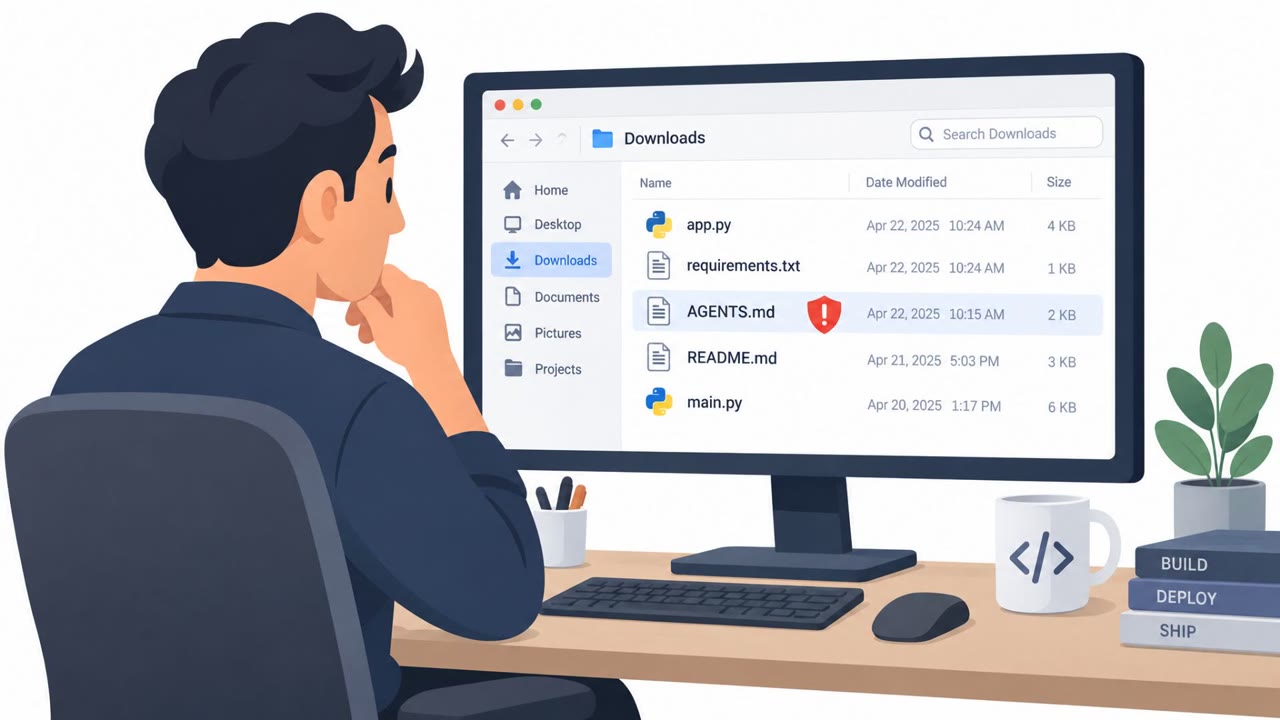
This real-world campaign centered on a fake version of Rodecaster software, a product associated with trusted audio-device equipment. Attackers presented a download or update as legitimate, and victims who installed it were instead delivered Santa Stealer, an information-stealing malware identified by Unit 42. The lure did not rely on complex technical exploitation. It relied on people seeking a software update or download and trusting that the source was genuine.
Target roles for this kind of lure include media and communications staff, podcast and audiovisual production staff, IT administrators, and employees who manage audio equipment. Because the pretext mimics a routine, expected action (downloading a product update), it can bypass the skepticism people normally reserve for unsolicited emails or links.
Why It Succeeded
The campaign exploited trust in a recognizable software product and its update process rather than targeting a specific vulnerability. Key factors that made this approach effective include:
- The download was obtained from an unverified source rather than the vendor's official site.
- The software publisher or update could not be validated cryptographically.
- The download was presented as a routine product update, so it lacked the normal vendor verification signals that would otherwise raise suspicion.
This pattern reflects a broader software supply chain trust problem: when employees are conditioned to expect and welcome update prompts, attackers can insert a malicious substitute with relatively low effort.
What to Watch For
Employees and IT teams should treat the following as warning signs before installing any software or firmware update:
- The update is sourced from search results, a third-party download page, or an unsolicited link rather than the vendor's own site.
- There is no way to cryptographically verify the publisher or the update's integrity.
- The prompt appears unexpectedly, outside of a normal patch cycle or IT-managed update process.
How to Build Resistance
Organizations can reduce exposure to this kind of software supply chain abuse by reinforcing a few consistent habits:
- Download software and firmware only from the vendor's official, verified source, and avoid trusting search results or third-party pages.
- Require staff who install software, especially tools tied to hardware or production systems, to verify authenticity before running an update.
- Confirm unexpected update prompts through a known vendor portal or internal IT channel rather than acting on them directly.
As the broader discussion around this incident notes, patching remains essential, but it must be paired with hardening, accurate exposure assessment, and monitoring for unauthorized changes across the infrastructure organizations depend on. Treating every update prompt as something to verify, not just trust, is a practical way to close this gap.
Key findings
- Unit 42 identified Santa Stealer being distributed through fake Rodecaster software.
- The campaign exploits trust in a recognizable software product or update process.
- The episode advises organizations to validate software sources and cryptographically verify updates before trusting them.
- The broader discussion emphasizes that patching must be supported by hardening, exposure assessment, and monitoring for unauthorized changes.
Who’s being targeted
- Commonly targeted roles: All employees who download or install software, IT and endpoint administrators, Media and audiovisual teams, Procurement and device-management staff.
- Affected industries: Information and Media, Technology, Industrial Operations, Retail and Grocery, Healthcare, Critical Infrastructure.
- Attack channels: website.
- Impersonated: RØDE / Rodecaster software publisher.
Red flags to watch for
- The download is obtained from an unverified source rather than the vendor's official site.
- The software publisher or update cannot be validated cryptographically.
- The download is presented as a trusted product update but lacks normal vendor verification signals.
Frequently asked questions
What is the fake Rodecaster software attack?
It is a campaign identified by Unit 42 in which attackers distributed Santa Stealer, an information-stealing malware, disguised as legitimate Rodecaster software or an update for it.
Who is most at risk from this attack?
Media and audiovisual production staff, IT administrators, employees who manage audio equipment, and procurement or device-management staff who download or install software are the main targets.
How can organizations defend against fake software update attacks like this one?
Validate software sources, cryptographically verify updates before installing them, and treat unexpected update prompts as suspicious until confirmed through a known vendor portal or internal IT channel.
Why did this attack succeed?
It exploited trust in a recognizable software product and its update process, relying on victims obtaining the download from an unverified source rather than the vendor's official site.
Read the video transcript
Updating a Rodecaster? That download could steal your data. Unit 42 found Santa Stealer hidden in fake Rodecaster software. The trap: a download page borrows a trusted product name, then asks you to install its supposed update. A familiar product name isn't proof. If the source isn't RØDE's verified site, or the publisher's digital signature can't be validated, don't run it. Need the update? Open RØDE's official site yourself and get the verified download there.