ILOVEYOU Turned a Love Note Into a Worm

Hacker Noon Cybersecurity · Low sophistication
Last updated October 26, 2026

The article recounts the real ILOVEYOU worm outbreak, which used a romantic email subject line and a supposed love-letter attachment to trick millions of recipients into infecting their computers. Once opened, the attachment spread the same message to everyone in the victim's address book, showing how an emotionally compelling lure can drive rapid, large-scale compromise.

Key findings

  • On May 4, 2000, millions of people received an email with the subject line “ILOVEYOU.”
  • The email used a supposed love letter as an attachment to persuade recipients to run it.
  • Opening the attachment infected the computer and automatically sent the same message to everyone in the victim's address book.
  • The incident illustrates how a simple emotional lure can enable widespread malware distribution.

Who’s being targeted

  • Commonly targeted roles: All employees, Email users, Administrative staff, Executives.
  • Affected industries: All industries, Government, Education, Healthcare, Finance and Insurance.
  • Attack channels: email.
  • Impersonated: A secret admirer or personal contact.

Awareness takeaways

  • Treat unexpected attachments as suspicious, especially when the message relies on emotion or curiosity rather than a clear business purpose.
  • Do not trust a message merely because it appears to come from someone you know; malware can use a compromised address book to spread through trusted contacts.
  • Pause before opening files and verify unexpected requests through a known, separate communication channel.

Red flags to watch for

  • An unexpected emotional or romantic message
  • An attachment from an unknown or unverified sender
  • Pressure to open a file based on curiosity rather than a business need
Try Mirage

Mirage safely runs attacks like this one against your own team, so you find out what happens before a real adversary does.

Get a demo
Read the video transcript

May 4, 2000. Your inbox says: “ILOVEYOU.” It looks like a love letter from a secret admirer. Run the attachment, though, and the ILOVEYOU worm infects your computer. Here’s the twist: it sends that same email to everyone in your address book. So even a familiar sender isn’t proof it’s safe. Unexpected love-letter attachment, even from a coworker? Call them before you open it.

MITRE ATT&CK techniques

T1566.001 - Phishing: Spearphishing Attachment · PhishingT1204.002 - User Execution: Malicious File · User Execution

Similar attacks

Russian Hackers Wipe Ukrainian Grain Firm

Russian Hackers Wipe Ukrainian Grain Firm

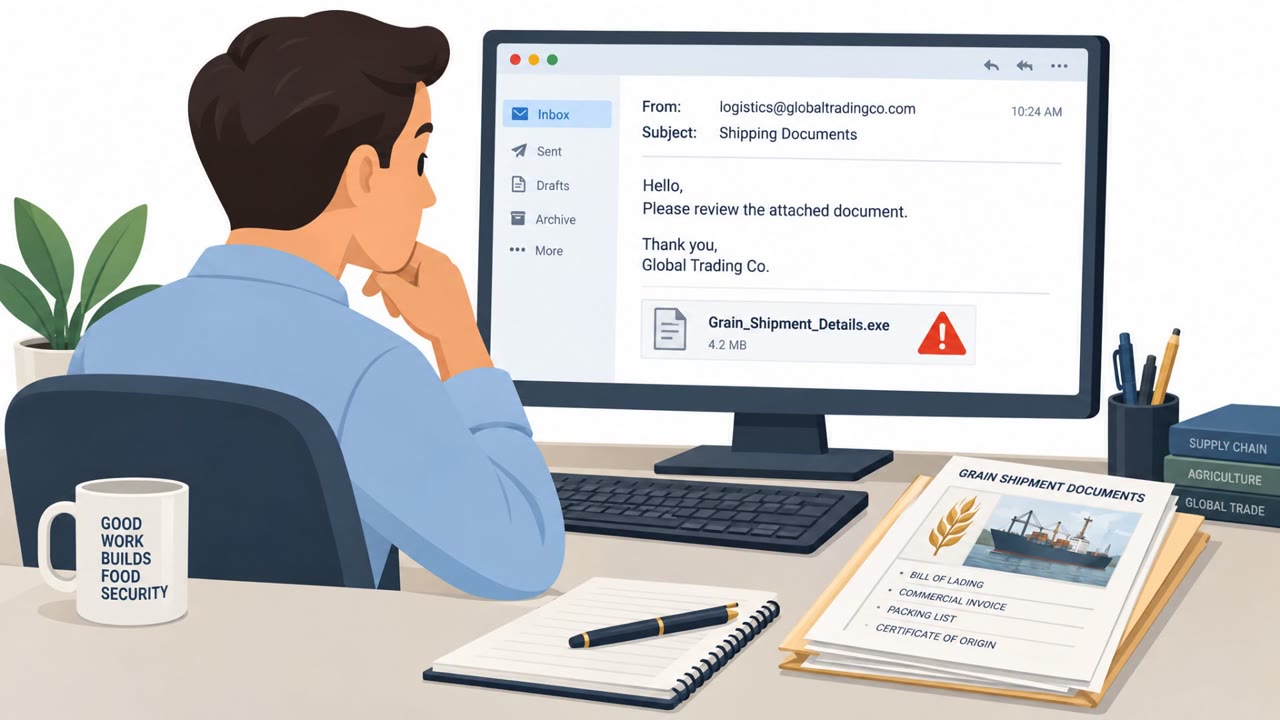
Russian-linked group UAC-0099 reportedly used a phishing email with a malicious attachment to enter the network of an unnamed Ukrainian grain logistics company. Researchers believe the group then handed access to Sandworm, which carried out a data-wiping attack two months later, disrupting the…

October 22, 2026
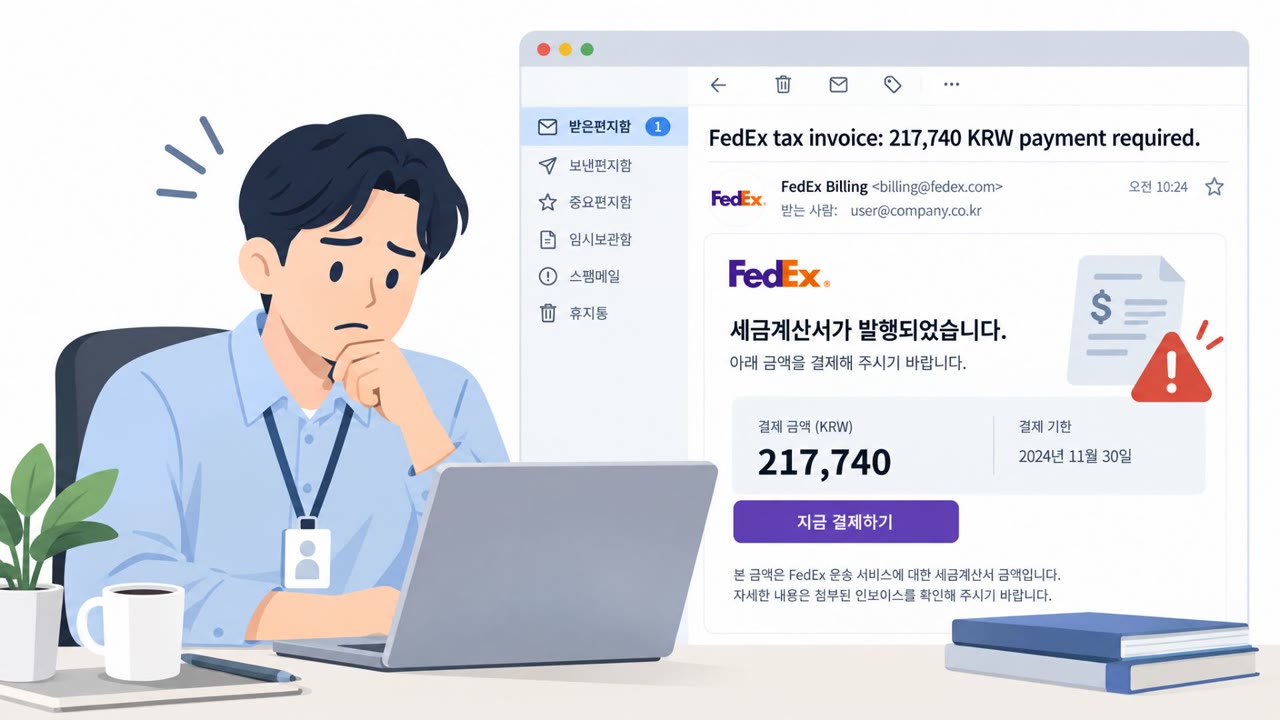
Fake FedEx Tax Invoice Delivers Sirius Backdoor

Fake FedEx Tax Invoice Delivers Sirius Backdoor

A Sirius backdoor campaign used Korean-language emails that impersonated FedEx billing notices and demanded payment of a fraudulent tax invoice. The email directed recipients to a ZIP file containing a weaponized PDF, which required the recipient to approve a PDF-reader security prompt before it…

October 27, 2026
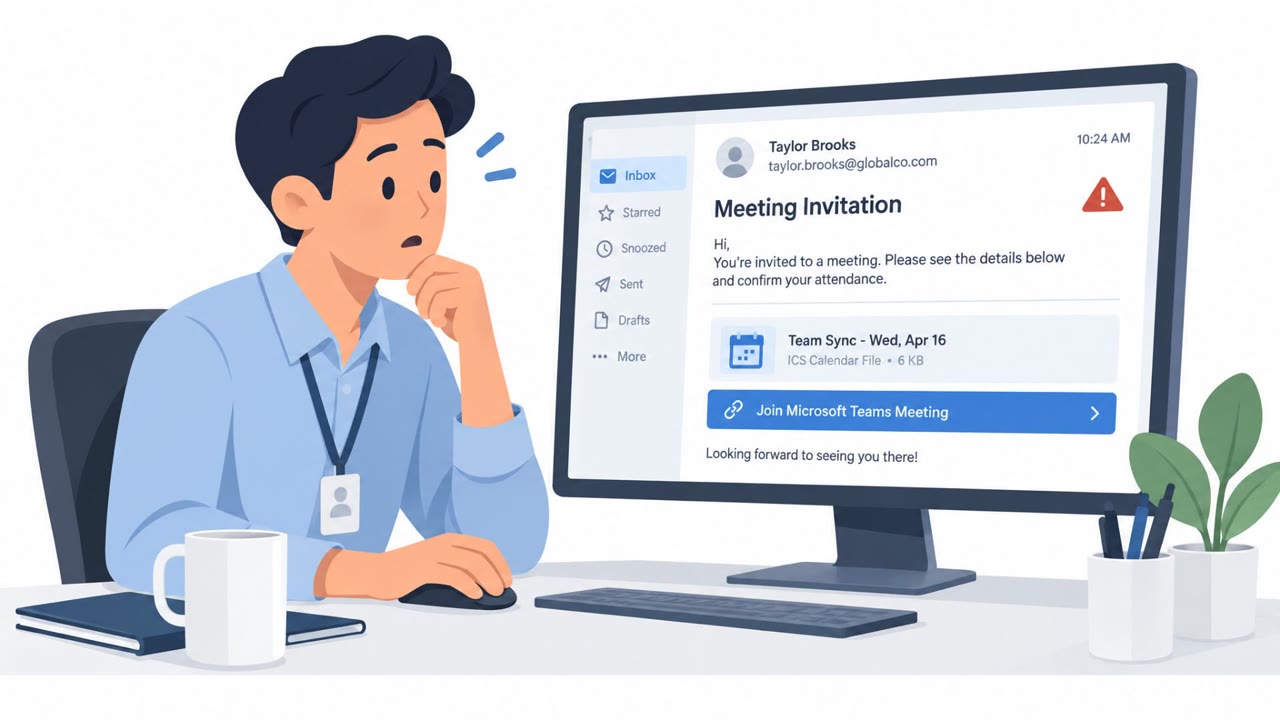
Fake Calendar Invites Steal Microsoft Logins

Fake Calendar Invites Steal Microsoft Logins

Check Point researchers identified a large credential-phishing campaign that used counterfeit calendar invitations to send people to fake Microsoft sign-in pages. The campaign used calendar attachments and deceptive meeting links, and targeted more than 40,000 organizations with over 302,000…

October 19, 2026
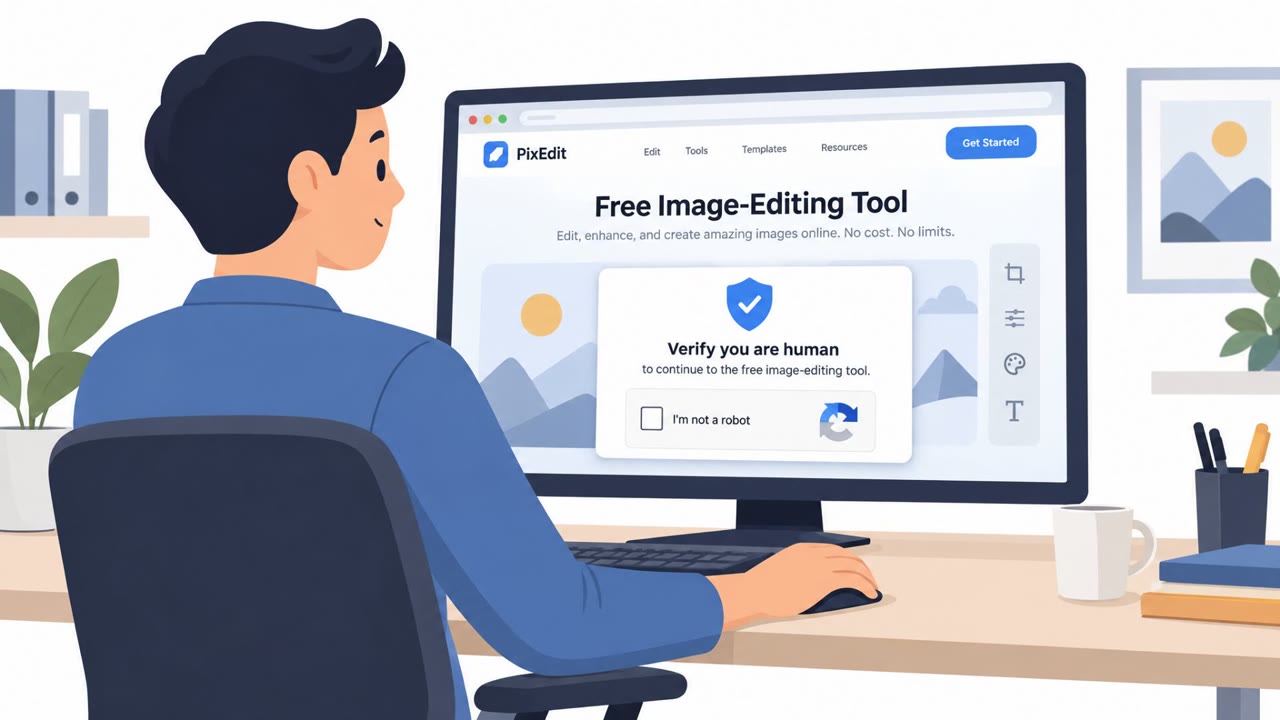
ClickFix CAPTCHA Lures Users Into Running Malware

ClickFix CAPTCHA Lures Users Into Running Malware

This article describes a real and growing social-engineering technique called ClickFix, where attackers disguise malicious instructions as a familiar CAPTCHA or verification step. In one documented case, a fake free image-editing tool prompted victims to run code that installed malware designed to…

October 19, 2026
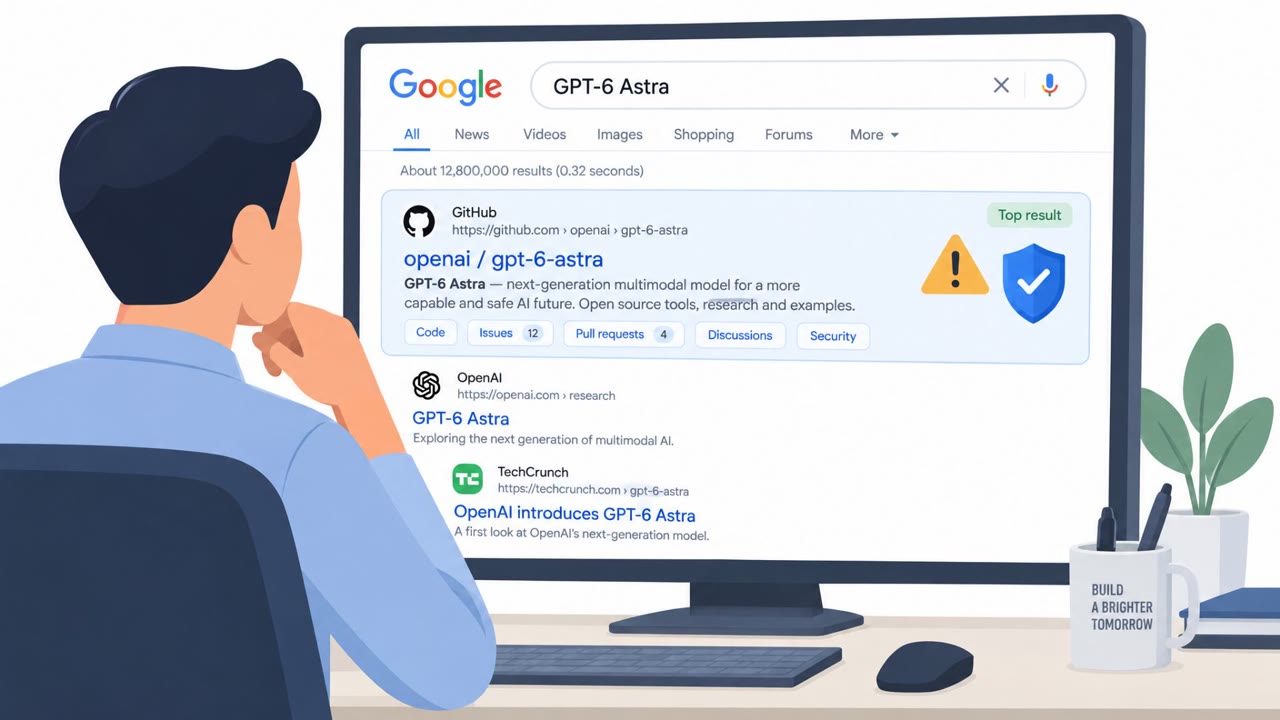
Fake AI Apps on GitHub Deliver Yoba Malware

Fake AI Apps on GitHub Deliver Yoba Malware

A real malware campaign called Yoba used fake GitHub projects advertising supposed ChatGPT and Claude desktop applications. Victims were lured by high-ranking Google results and download buttons, then ran ZIP-packaged installers that appeared legitimate but gave attackers control of the device. The…

October 27, 2026
Lazarus Uses Fake Résumés to Target Korea

Lazarus Uses Fake Résumés to Target Korea

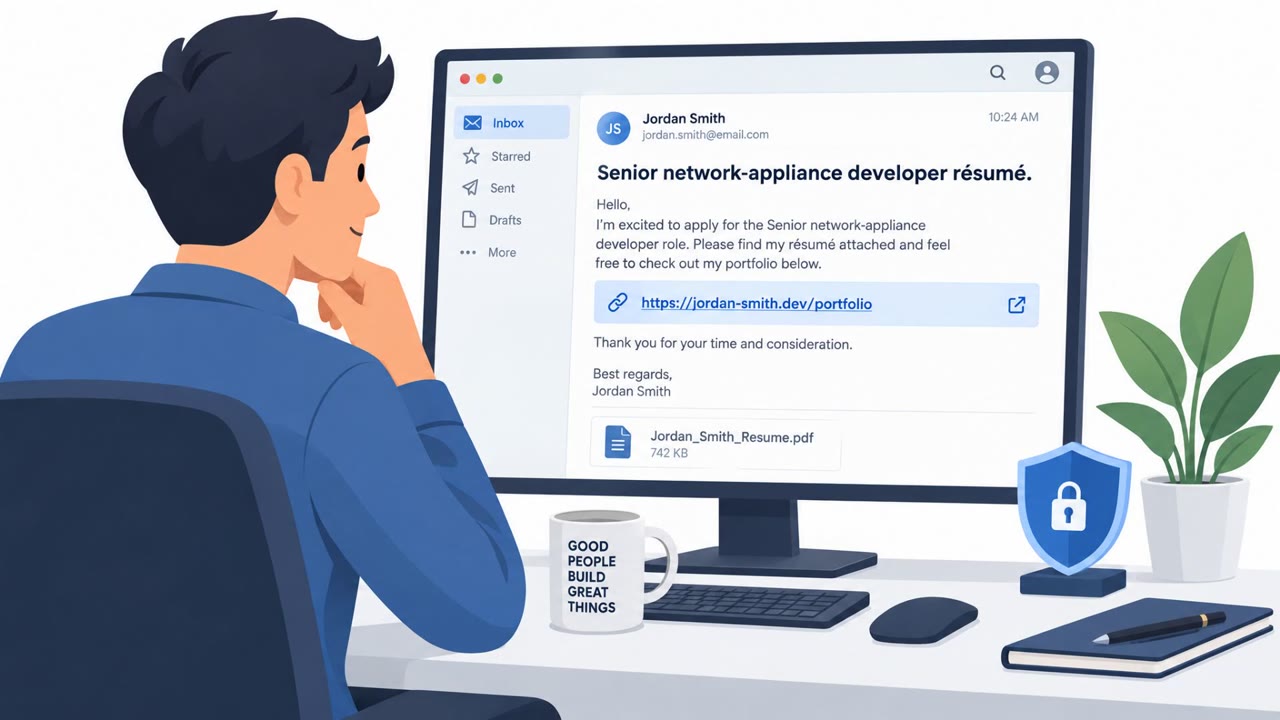
North Korea-linked Lazarus targeted South Korean organizations with tailored phishing emails that directed recipients to fake portfolio and résumé websites. The sites, including GitHub Pages hosting a purported senior network-appliance developer résumé, abused vulnerable financial-security software…

October 27, 2026