Fake Legal Documents Lure Gootloader Victims

eSecurity Planet · High sophistication
Last updated November 16, 2026

Operation Endgame disrupted infrastructure used by Gootloader, CastleRAT, and StealC, and recovered 6.4 million stolen credentials. The most simulation-ready tactic involved Gootloader using hacked websites and poisoned search results to lure people into opening fake legal documents, which then delivered further malware.

Key findings

  • Operation Endgame seized 235 servers and 257 domains linked to Gootloader, CastleRAT, and StealC.
  • Gootloader used hacked websites, poisoned search results, and fake legal documents to lure victims into downloading malware.
  • CastleRAT provided remote-access capabilities including keylogging and screen capture that could support ransomware deployment.
  • StealC stole passwords, digital identities, and cryptocurrency wallets for resale.
  • Authorities recovered 6.4 million credentials stolen from more than 40,000 victims, but the action included no arrests, indictments, or cryptocurrency seizures.

Who’s being targeted

  • Commonly targeted roles: All employees who download documents from the web, Website administrators, WordPress administrators, IT and security teams, Remote-access users.
  • Affected industries: Information and Media, Professional Services, Finance and Insurance, Healthcare, Manufacturing, Government, Retail, Education.
  • Attack channels: website.
  • Impersonated: Legal document provider or legal authority.

Awareness takeaways

  • Treat legal documents found through search results with caution, especially when they lead to an unexpected download or unfamiliar website.
  • Use breach-notification services to check whether work or personal email accounts appear in exposed credential datasets, then reset passwords where needed.
  • Require phishing-resistant multifactor authentication for remote access so stolen passwords alone cannot be reused to enter business systems.
  • Website administrators should promptly patch WordPress, rotate passwords, enable multifactor authentication, and check for unauthorized administrator accounts.

Red flags to watch for

  • The document is reached through an unexpected search result or unfamiliar website.
  • The website may be a compromised WordPress site rather than the expected organization.
  • The document prompts an unexpected download or file execution.
Try Mirage

Mirage safely runs attacks like this one against your own team, so you find out what happens before a real adversary does.

Get a demo
Read the video transcript

Searching for a legal document? One result could be a Gootloader trap. Gootloader poisons search results that lead to hacked websites, often WordPress sites. Click through, and a page posing as a legal document provider offers a file to download. Here's the tell: you expected a document, but the site wants you to run a file. That download can deliver malware, not legal advice. If a search result pushes a legal-document download, don't open it. Get the document directly from the organization.

MITRE ATT&CK techniques

T1189 - Drive-by CompromiseT1204.002 - User Execution: Malicious File · User Execution

Similar attacks

Fake Certificate Fix Delivers China-Linked Backdoor

Fake Certificate Fix Delivers China-Linked Backdoor

China-linked espionage campaigns used compromised websites to show selected visitors a fake Chrome certificate warning and persuade them to install a “Certificate Fix” utility. The same malware was also delivered to Indonesian organizations in phishing emails using a shortcut file disguised as a…

November 10, 2026
North Korea Used Deepfake Calls to Steal Crypto

North Korea Used Deepfake Calls to Steal Crypto

U.S. authorities disrupted North Korea’s “FaceStealer” campaign, which used stolen webcam footage and AI-generated deepfakes to lure people into video calls. During the calls, attackers claimed there was a technical problem and persuaded victims to install supposed fixes that actually delivered…

November 13, 2026
AiTM Phishing Now #1 Break-In Method for Law Firms

AiTM Phishing Now #1 Break-In Method for Law Firms

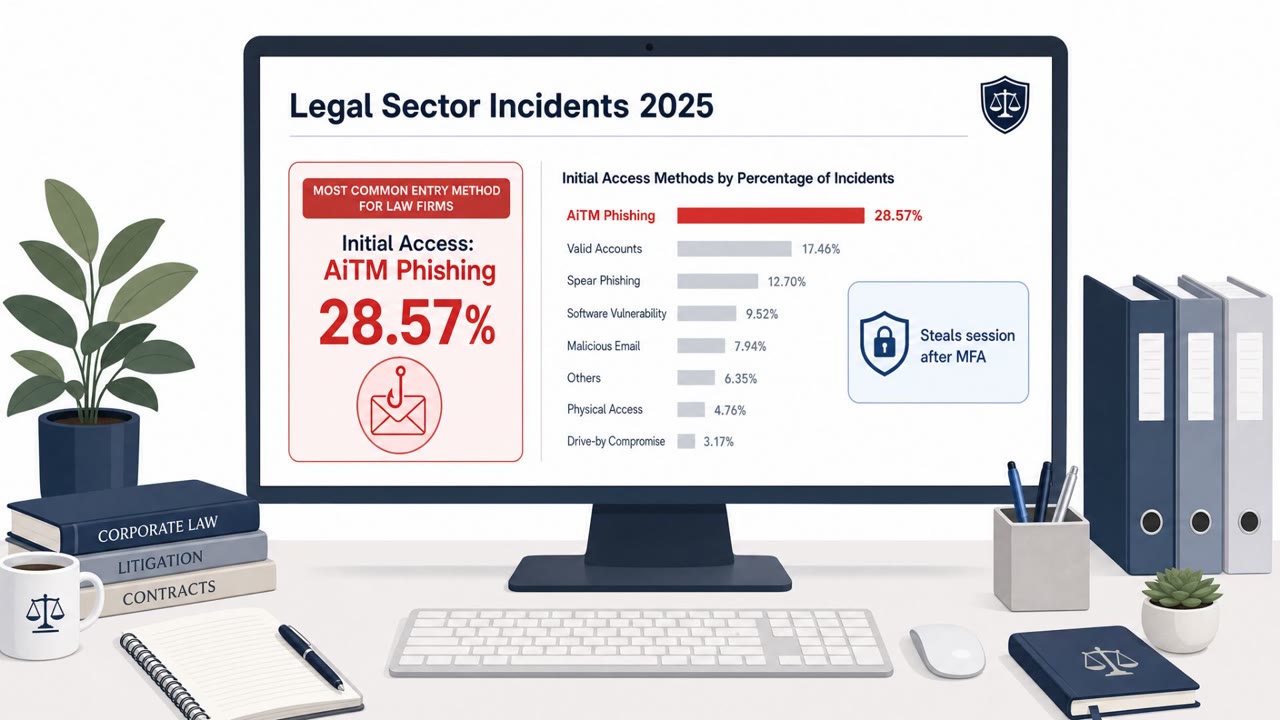
A legal-sector threat intel report says adversary-in-the-middle (AiTM) phishing is now the most common way attackers gain initial access to law firms, because it can bypass MFA by stealing valid session cookies. The report highlights deadline-driven lures (fake document/court portal errors) and…

July 31, 2026
Fake Recruiters Use ClickFix to Plant Backdoors

Fake Recruiters Use ClickFix to Plant Backdoors

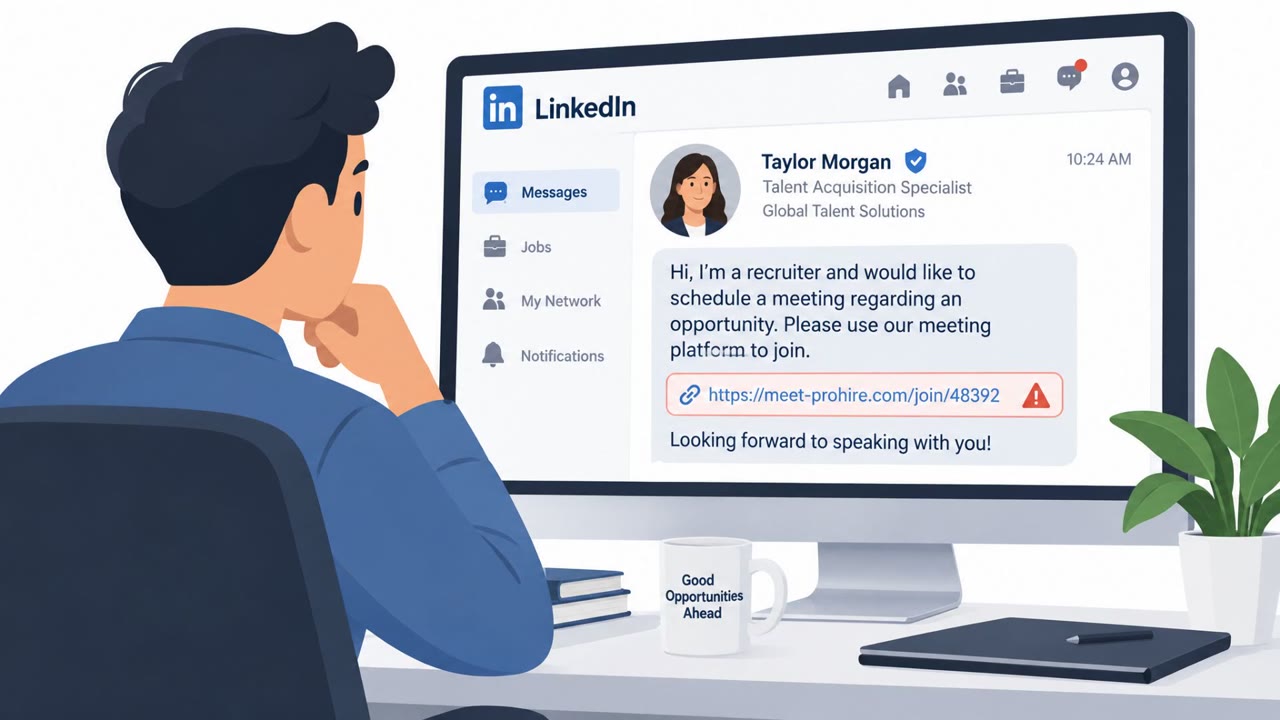
Google says a suspected North Korean group used AI-generated recruiter profiles to target cryptocurrency organizations in North America and Europe. The recruiters directed victims to fake meeting platforms, where a supposed diagnostic step tricked them into running a script that enabled the…

November 17, 2026
Salary Reviews and POs Fuel Phishing

Salary Reviews and POs Fuel Phishing

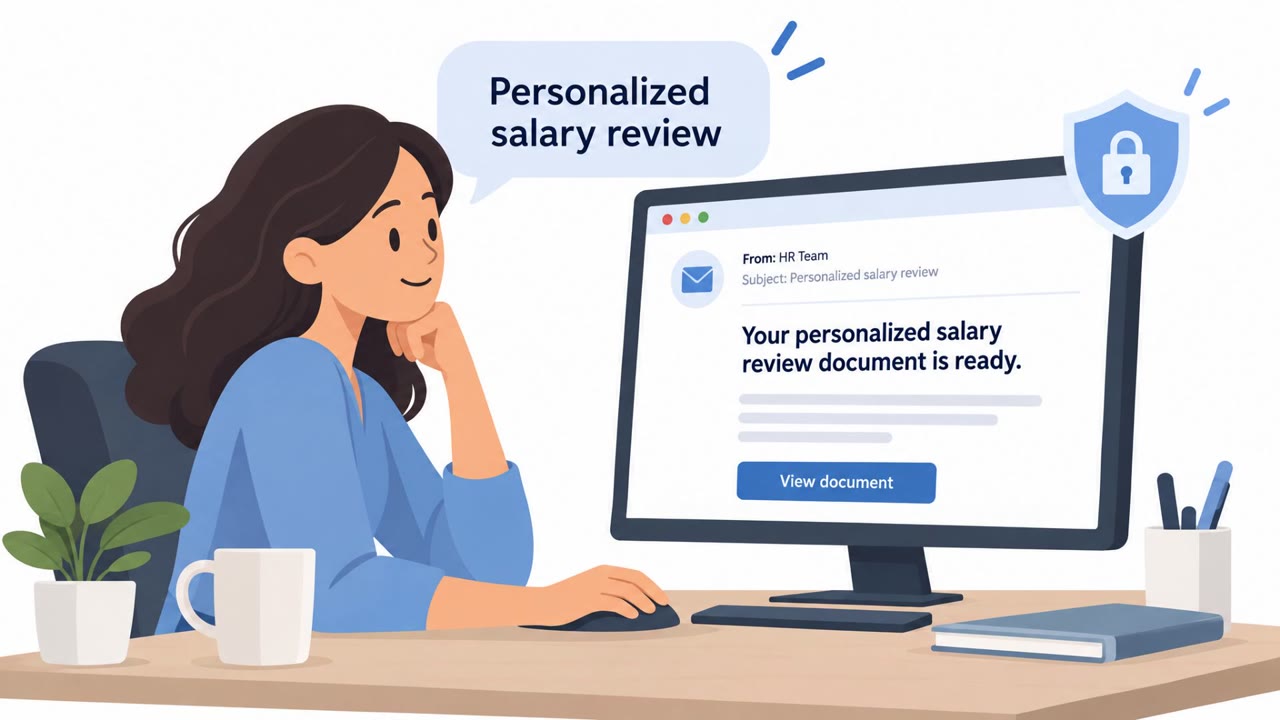
Microsoft observed real Q3 2026 phishing campaigns that used familiar workplace requests to steal credentials or deliver malware. One campaign targeted legal organizations with personalized salary-review documents containing QR codes, while another used purchase-order and payroll lures in disguised…

November 5, 2026
Midnight Blizzard Poisons Trusted Mobile Sites

Midnight Blizzard Poisons Trusted Mobile Sites

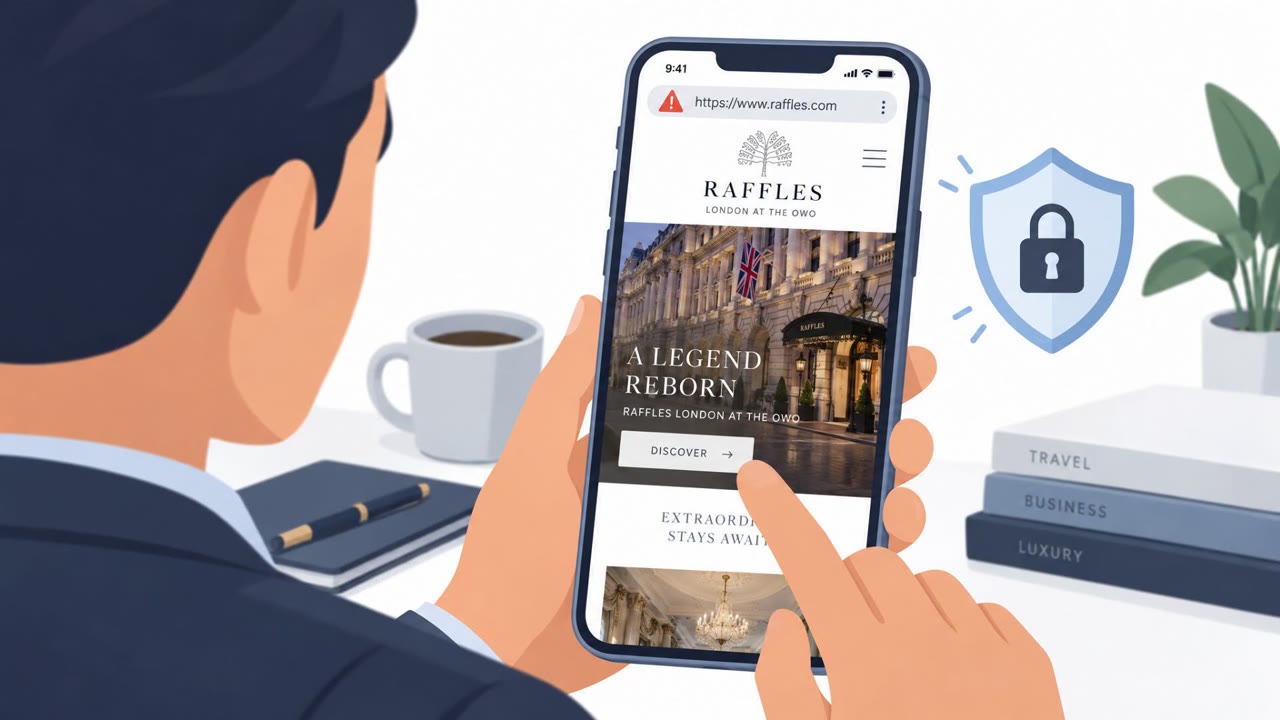
Russia-linked Midnight Blizzard compromised and cloned trusted websites to silently target iPhone and Android visitors in Europe and the United States. The campaign used watering-hole websites and a compromised web analytics service to profile devices and deliver exploit chains that could steal…

November 5, 2026