Threat Watcher

Page 20 of 51
Deepfake ‘Kidnapping’ Calls and the Safe Word Fix

Deepfake ‘Kidnapping’ Calls and the Safe Word Fix

The article describes how scammers use AI voice cloning to impersonate a loved one during a phone call and pressure relatives into paying money (often framed as a kidnapping emergency). It recommends a practical defense: a pre-agreed family “safe word” and a simple verification process (hang up and…

September 10, 2026
Fake Google Support Bait Led to $245M Crypto Theft

Fake Google Support Bait Led to $245M Crypto Theft

A Singaporean man, Malone Lam (aliases including “Anne Hathaway”), pleaded guilty to leading a group that stole over $245 million in cryptocurrency from U.S. victims. The group used social engineering, such as posing as Google Support and using spoofed phone numbers, to trick victims into handing…

September 10, 2026
Brevo Breach Sparks Trezor Phishing Wave

Brevo Breach Sparks Trezor Phishing Wave

Trezor said attackers breached its third-party email provider (Brevo) and gained access to Trezor’s email domain, triggering phishing emails to subscribers. The scam emails used a fake “critical security alert” about a supposed microcontroller vulnerability and attempted to trick users into handing…

September 10, 2026
Gigabud Hides Fake Bank App in Android Work Profile

Gigabud Hides Fake Bank App in Android Work Profile

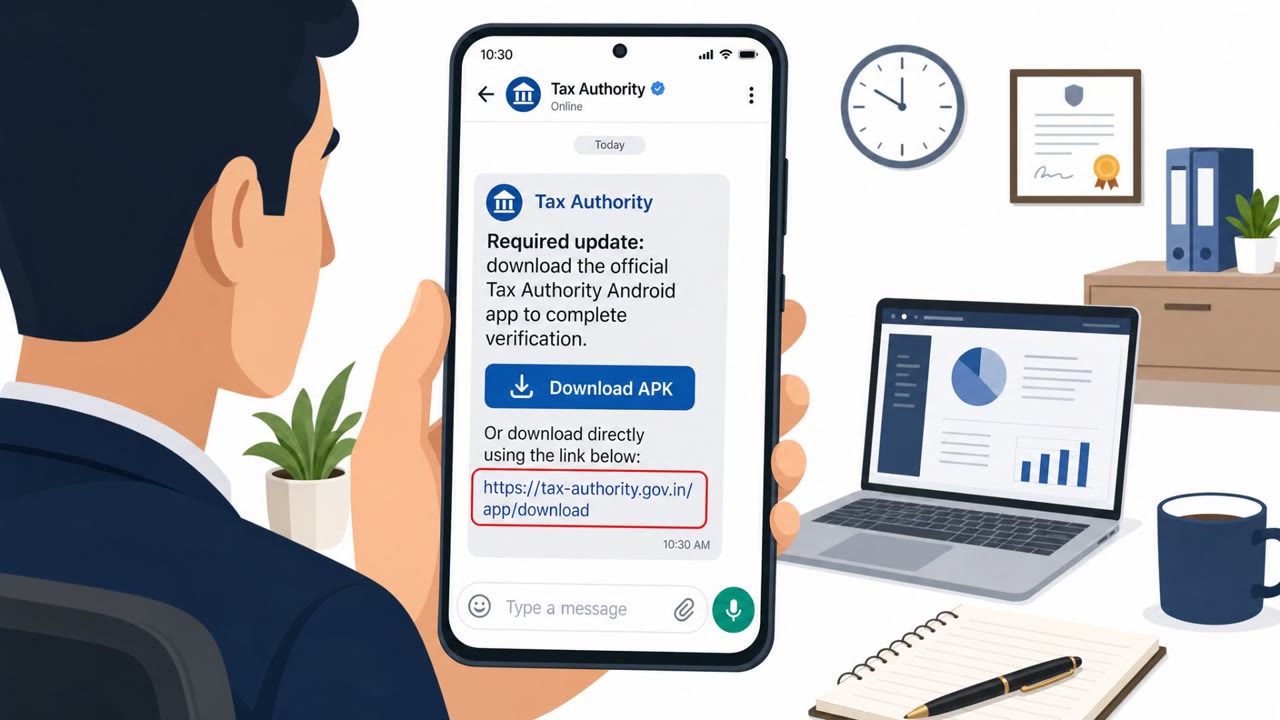
Researchers say the Gigabud banking trojan is being installed via fake apps (e.g., pretending to be an airline, tax office, or government portal) and then uses an Android “work profile” to hide a tampered banking app. Victims are tricked into granting powerful permissions, after which attackers can…

September 10, 2026
Fake Reward Apps Abuse Google Play Early Access

Fake Reward Apps Abuse Google Play Early Access

Researchers say scammers are using Google Play’s “Early Access” listings to push deceptive Android apps that don’t show public ratings or warnings. Victims are lured by TikTok/Facebook ads promising cash rewards or free casino spins, but the apps primarily bombard users with ads and never deliver…

September 10, 2026
Fake IT Calls Steal Microsoft 365 Access

Fake IT Calls Steal Microsoft 365 Access

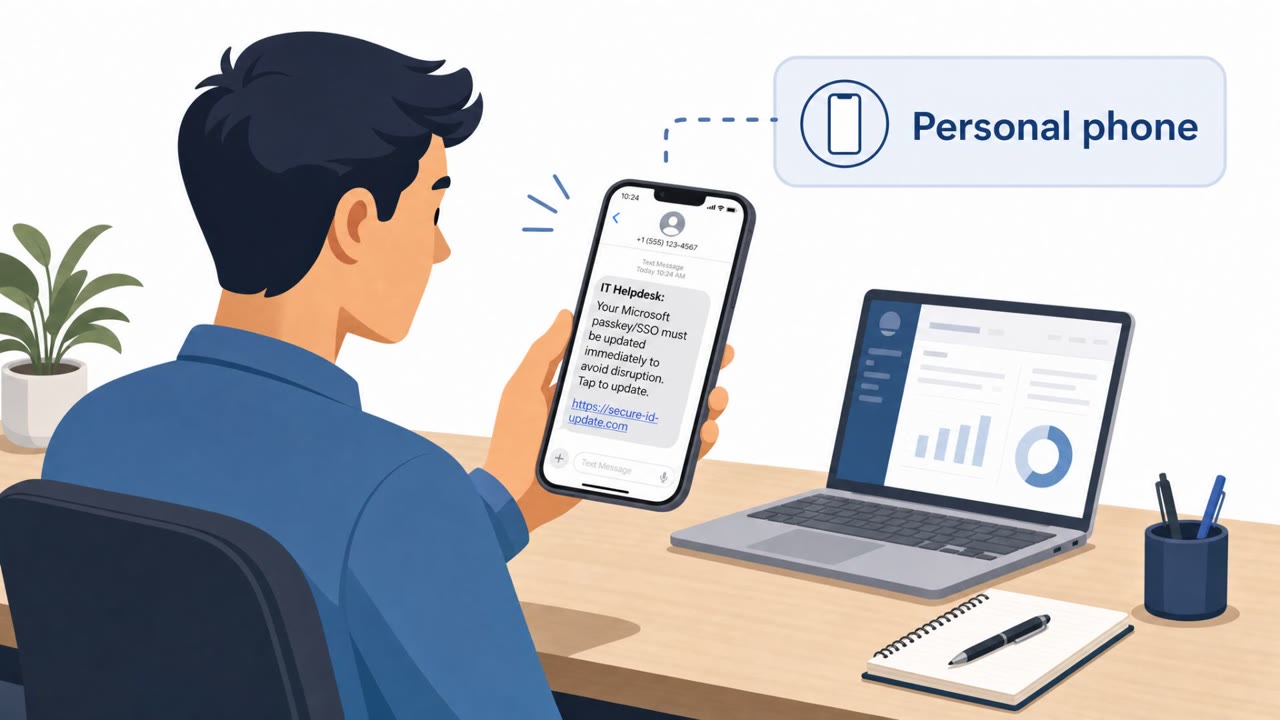
Microsoft reports a real-world campaign where attackers call or text employees’ personal phones while posing as internal IT. Victims are pushed to “update” passkeys/MFA/SSO and click a link to a fake Microsoft sign-in page, letting attackers get into Microsoft 365 and quietly pull email and files…

September 10, 2026
DocuSign Phish Uses “Blob” Pages in Your Browser

DocuSign Phish Uses “Blob” Pages in Your Browser

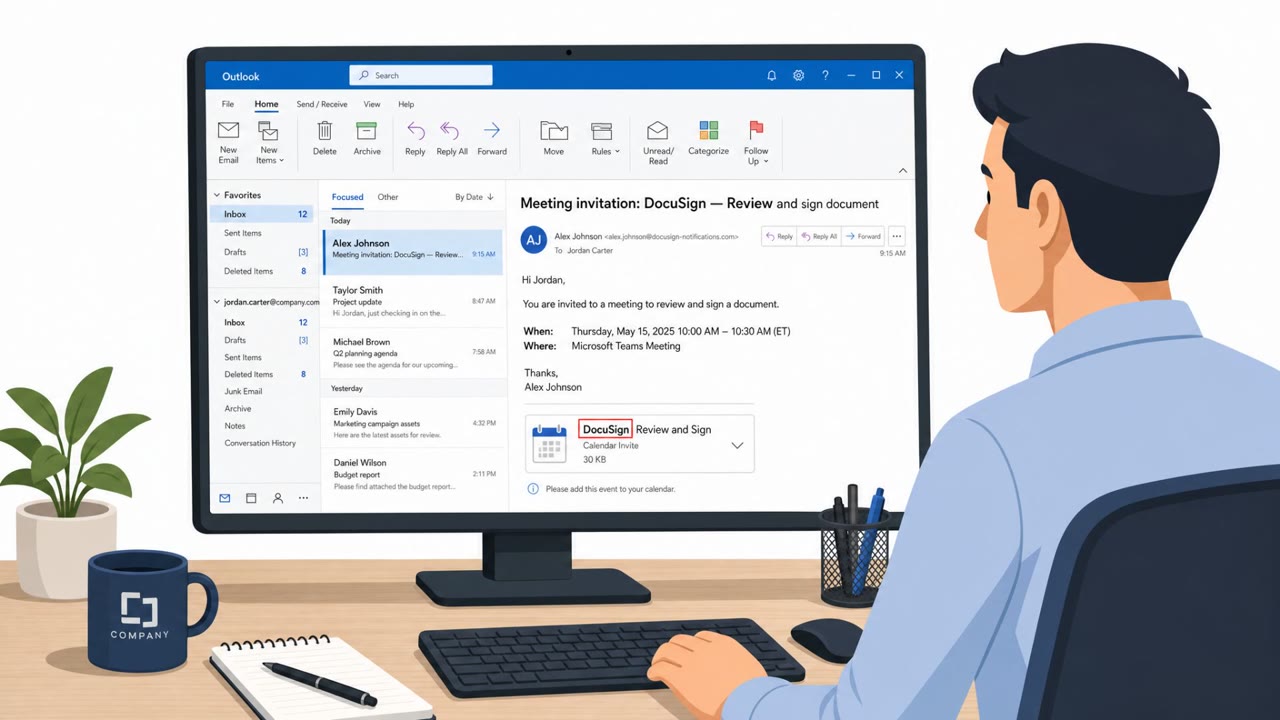
Researchers described a real phishing campaign where victims click through legitimate Microsoft services and end up on a fake login page that is generated inside their own browser. The phishing page uses a temporary “blob URL” (not a normal website) and can disappear after the session, making it…

September 10, 2026
Instagram Copyright Strikes Used for Ransom

Instagram Copyright Strikes Used for Ransom

Scammers are filing fake copyright complaints to get Instagram accounts temporarily suspended, then demanding money to “withdraw” the complaint and restore access. Victims are pushed to communicate off-platform (for example, on Telegram) and asked to pay in cryptocurrency, yet even paying doesn’t…

September 10, 2026
BlueMoon Phishing Lures Drop Chrome Zero-Day Chain

BlueMoon Phishing Lures Drop Chrome Zero-Day Chain

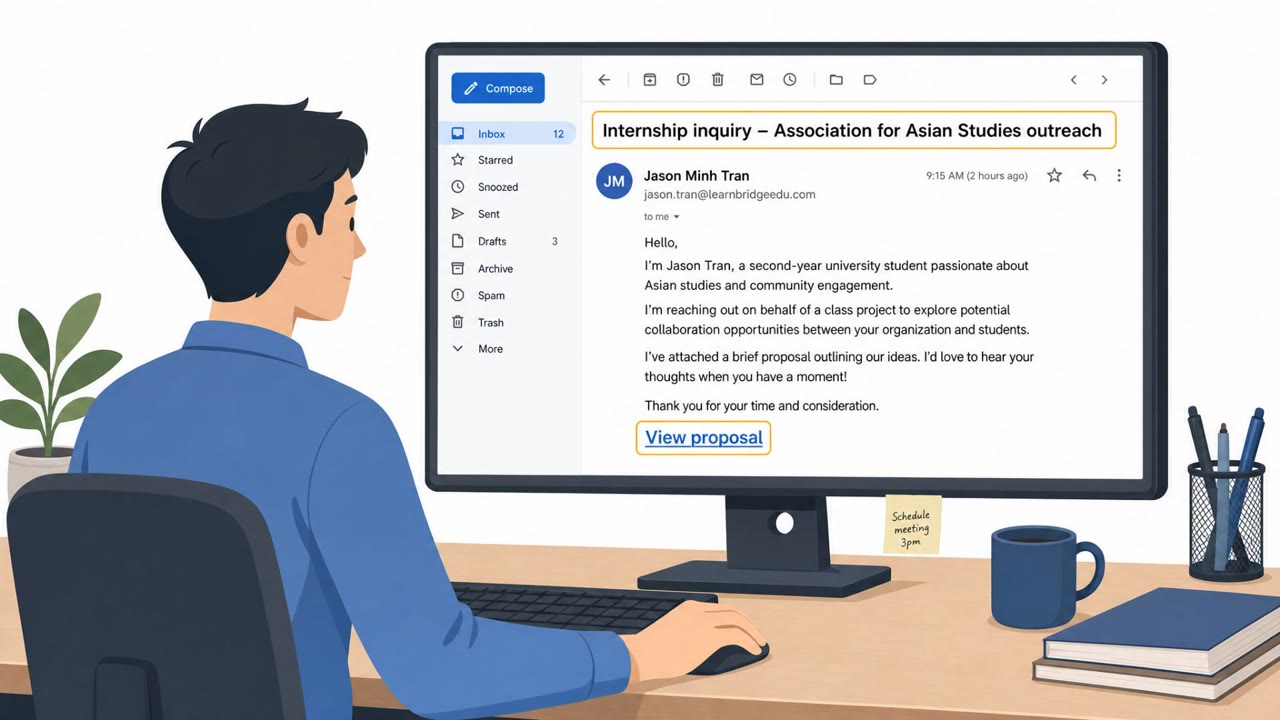
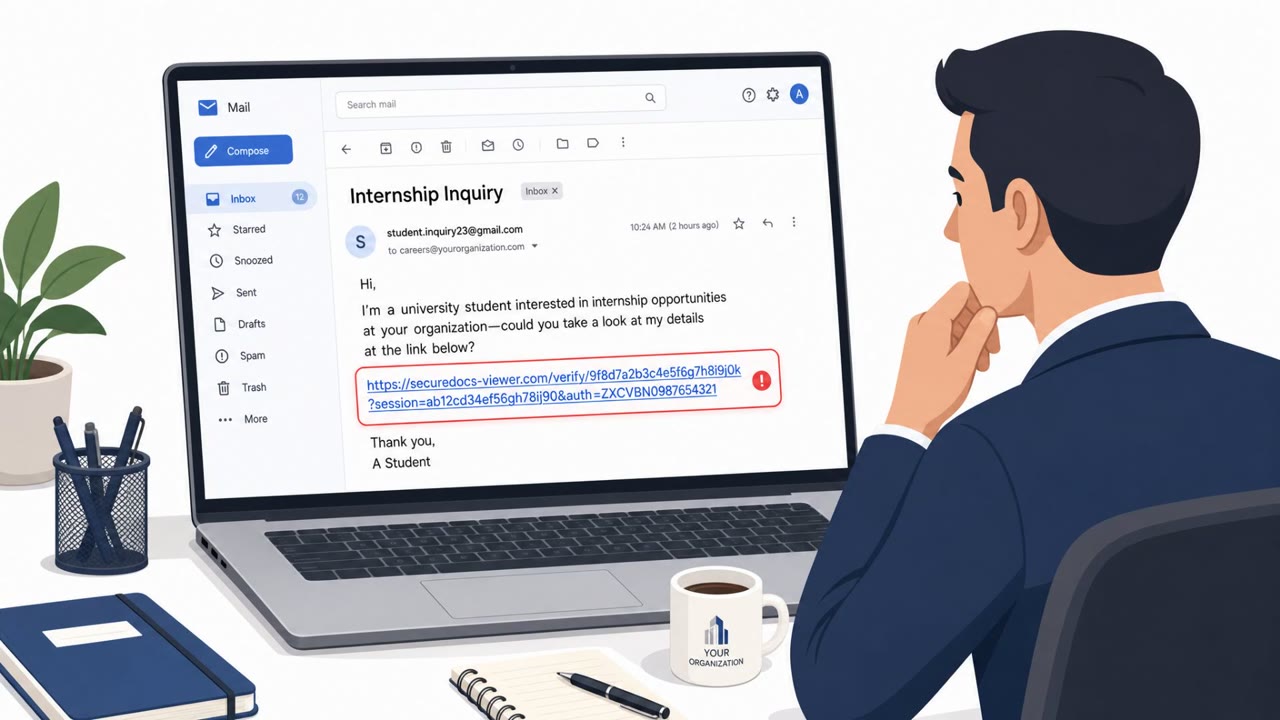
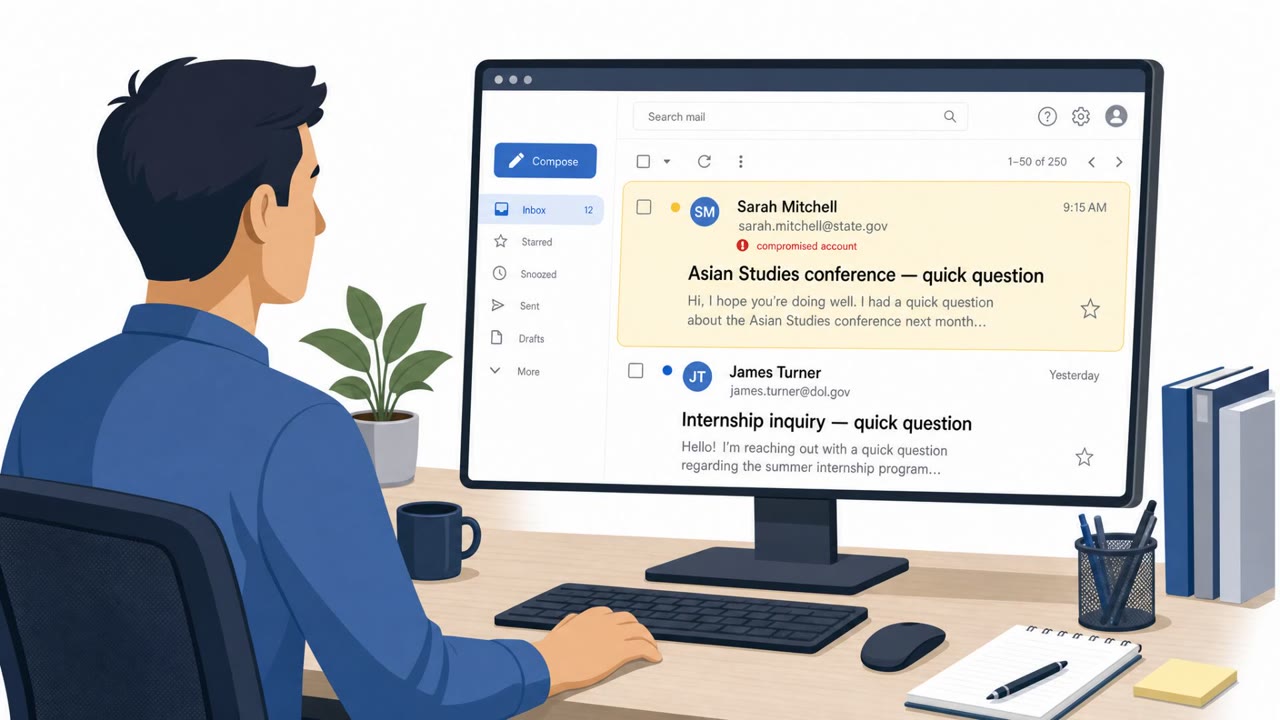
Researchers found multiple espionage groups using the same Chrome+Windows exploit kit (“BlueMoon”) within days of each other. The groups sent realistic phishing emails (internship requests, conference outreach, procurement inquiries, and vaccination appointments) that pushed victims to click links…

September 10, 2026
Phish Page Built Inside Your Browser

Phish Page Built Inside Your Browser

Researchers reported a real phishing campaign that uses legitimate Microsoft OAuth and Teams pages to make the journey look trustworthy. Instead of hosting a fake login site on a suspicious domain, the attackers render the phishing page inside the victim’s own browser using a temporary “blob URL,”…

September 10, 2026
BlueMoon Phishing Uses Browser Zero-Days to Spy

BlueMoon Phishing Uses Browser Zero-Days to Spy

Multiple suspected China-linked espionage groups used a new exploit kit (“BlueMoon”) that starts with phishing emails and a malicious link to break into organizations in the US and Southeast Asia. Clicking the link can trigger browser and Windows vulnerabilities to install surveillance tools,…

September 9, 2026
APT31 Phish Drops Fake “Gemini” Extension

APT31 Phish Drops Fake “Gemini” Extension

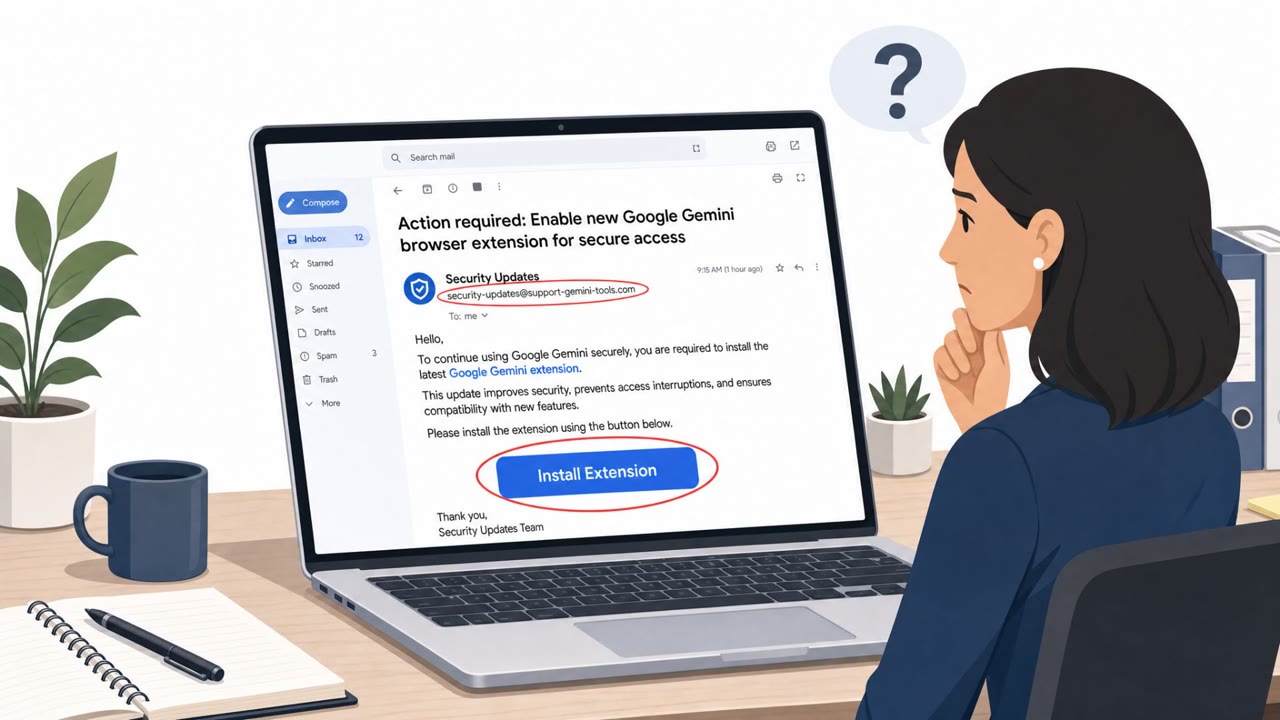
Multiple China-aligned espionage groups used phishing emails to deliver a “BlueMoon” exploit chain that abused three zero-day flaws in Chrome/Chromium and Windows. In observed campaigns, victims who clicked the phishing link ended up with a malicious browser extension disguised as Google Gemini,…

September 9, 2026
Hidden Prompts Hijack ChatGPT Connected Apps

Hidden Prompts Hijack ChatGPT Connected Apps

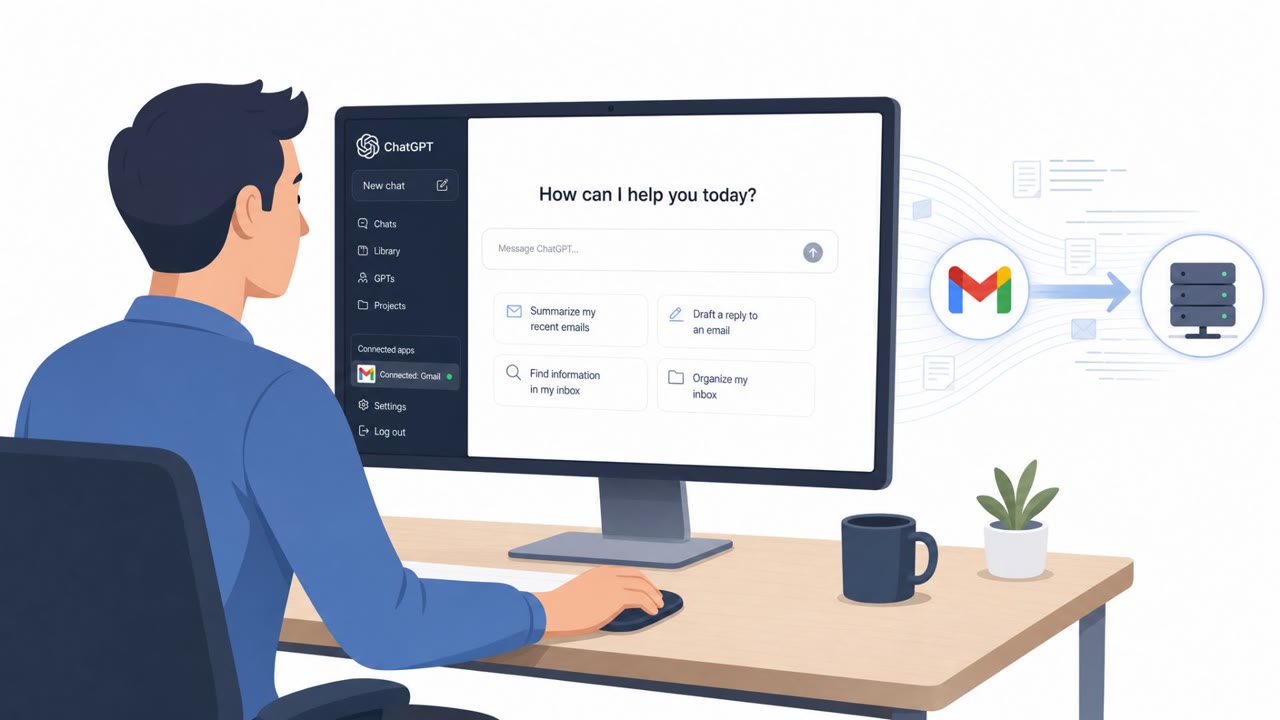
Check Point demonstrated a prompt-injection technique where a hidden instruction inside ChatGPT can make a user’s session quietly run extra tasks using the session’s existing permissions. In the proof of concept, the victim’s ChatGPT (with Gmail connected) pulled email data and relayed it to an…

September 9, 2026
Phishing Uses Google Links to Steal Microsoft Logins

Phishing Uses Google Links to Steal Microsoft Logins

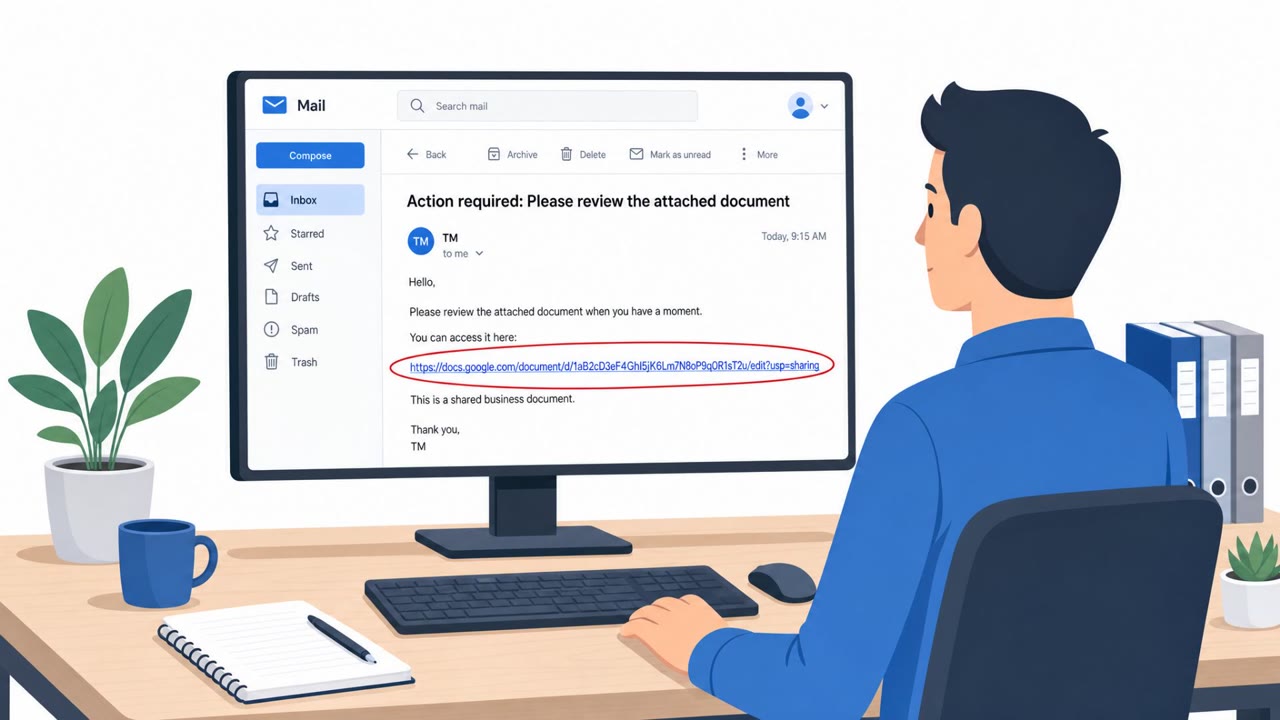
Researchers reported an active, large-scale phishing campaign that starts with links hosted on legitimate Google services, then redirects victims to attacker-controlled sites. The final pages mimic Microsoft sign-in or “identity verification” flows to steal credentials/MFA codes or trick targets…

September 9, 2026
Spy Groups Lured Victims to BlueMoon Exploit Links

Spy Groups Lured Victims to BlueMoon Exploit Links

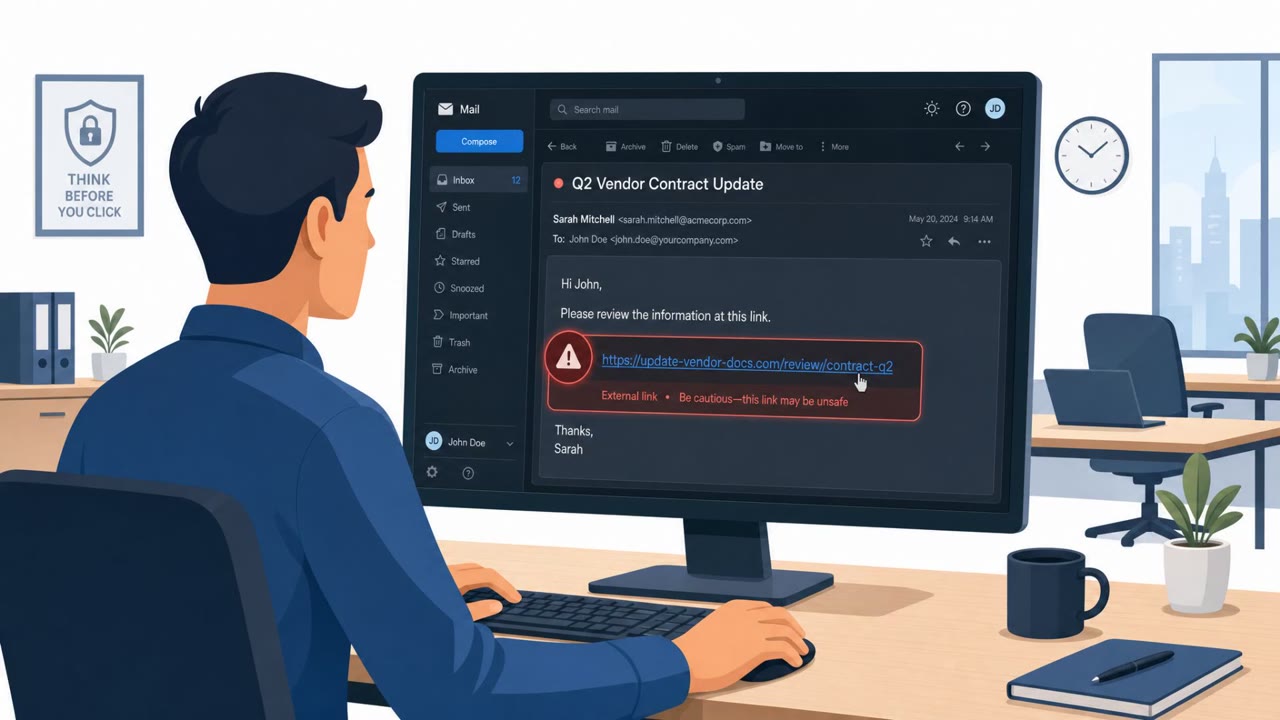
Proofpoint reports multiple espionage-focused threat groups used a shared exploit kit (“BlueMoon”) after tricking targets with spear-phishing emails to click malicious links. Visiting the attacker-controlled web pages triggered Chrome and Windows exploits to install malware (including a fake…

September 9, 2026
Passkey Helpdesk Scam Hijacks Microsoft 365

Passkey Helpdesk Scam Hijacks Microsoft 365

Microsoft reports active intrusions where attackers trick employees with “passkey/SSO update” helpdesk pretexts delivered by phone, SMS, or even Microsoft Teams. Victims are sent to lookalike Microsoft sign-in pages or guided through device-code sign-in, letting attackers capture session access and…

September 9, 2026
China-Linked Hackers Share Chrome Exploit Lures

China-Linked Hackers Share Chrome Exploit Lures

Proofpoint reported at least four espionage groups (mostly linked to Chinese state intelligence) using the same Chrome zero-day exploit kit (“BlueMoon”) to compromise victims and deliver malware. The operations used believable business and event-themed lures (internship inquiries, procurement…

September 9, 2026
119,000 Fake Shops Clone Brands to Steal Cards

119,000 Fake Shops Clone Brands to Steal Cards

Researchers found a massive network of nearly 119,000 look‑alike online stores that copy real retailers’ branding and product pages. These fake shops lure buyers with big discounts and then capture payment card details (and sometimes bank one‑time codes) during checkout, sending the data to…

September 9, 2026
AI Deepfake Sextortion Case Lands 15-Year Sentence

AI Deepfake Sextortion Case Lands 15-Year Sentence

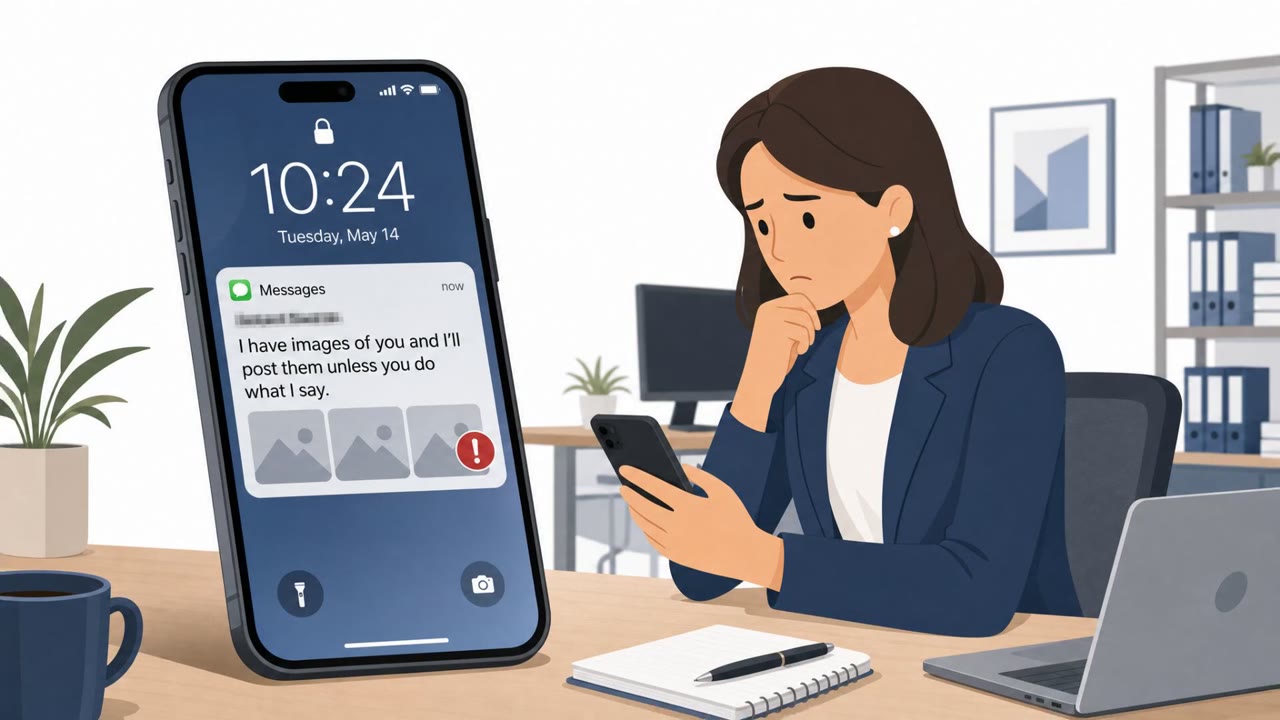
An Ohio man was sentenced to 15 years after cyberstalking multiple victims and using both real and AI-generated sexually explicit imagery, alongside threats of violence. The case describes a real-world harassment and extortion workflow using repeated calls/texts and threatening to publish…

September 9, 2026
Gigabud Clones Banking Apps to Dodge Fraud Alerts

Gigabud Clones Banking Apps to Dodge Fraud Alerts

Researchers say the Gigabud Android banking trojan now clones a victim’s real banking app into a hidden Android Work Profile, so fraud can happen in a separate space that may not trigger the same malware and fraud signals. Victims are tricked into installing what looks like legitimate apps…

September 9, 2026
Try Mirage

Mirage simulates attacks like these against your own team, live and safely, so you can measure how your people actually respond.

Get a demo