Recent Financial Services Cyber Attacks

Page 8 of 22
AI Voice + WhatsApp Scam Drains €95M Bank

AI Voice + WhatsApp Scam Drains €95M Bank

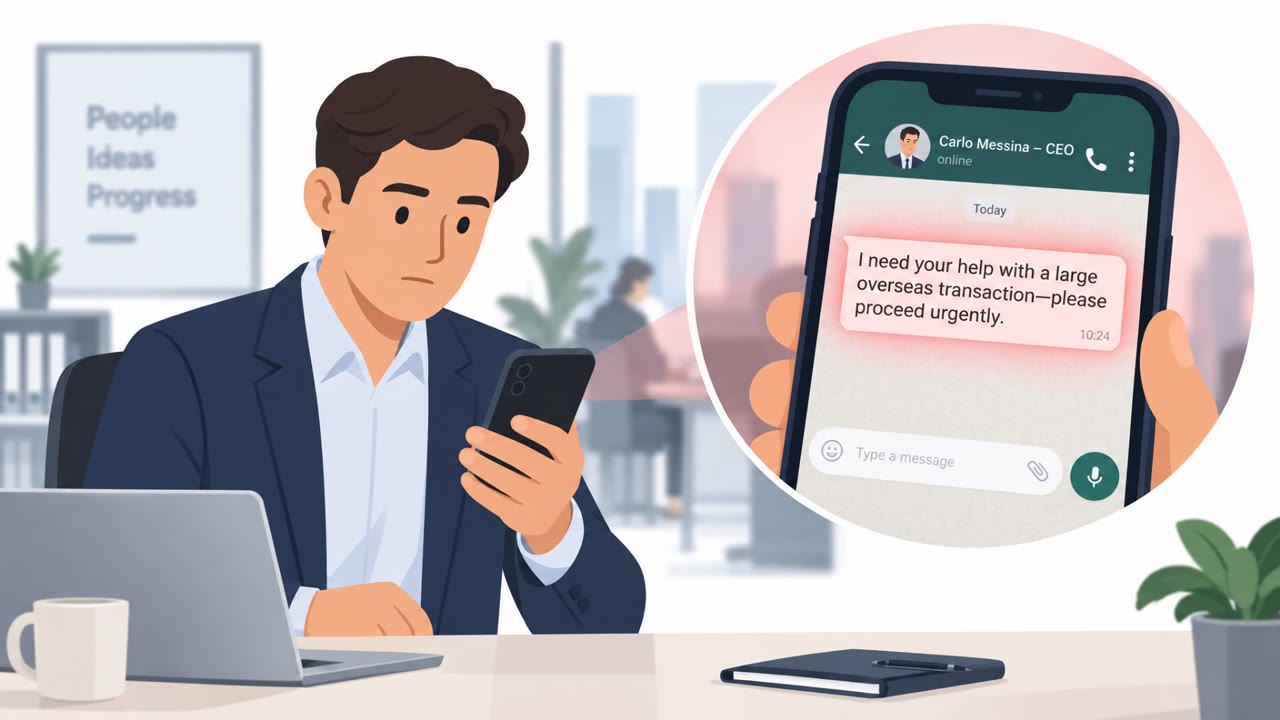
Scammers impersonated Intesa Sanpaolo’s CEO via a fake WhatsApp message and then used an AI-cloned voice posing as a law-firm partner to pressure Fideuram’s chairman into approving an overseas transfer. The bank sent €95 million to foreign accounts (including China and Hong Kong) before detecting…

September 28, 2026
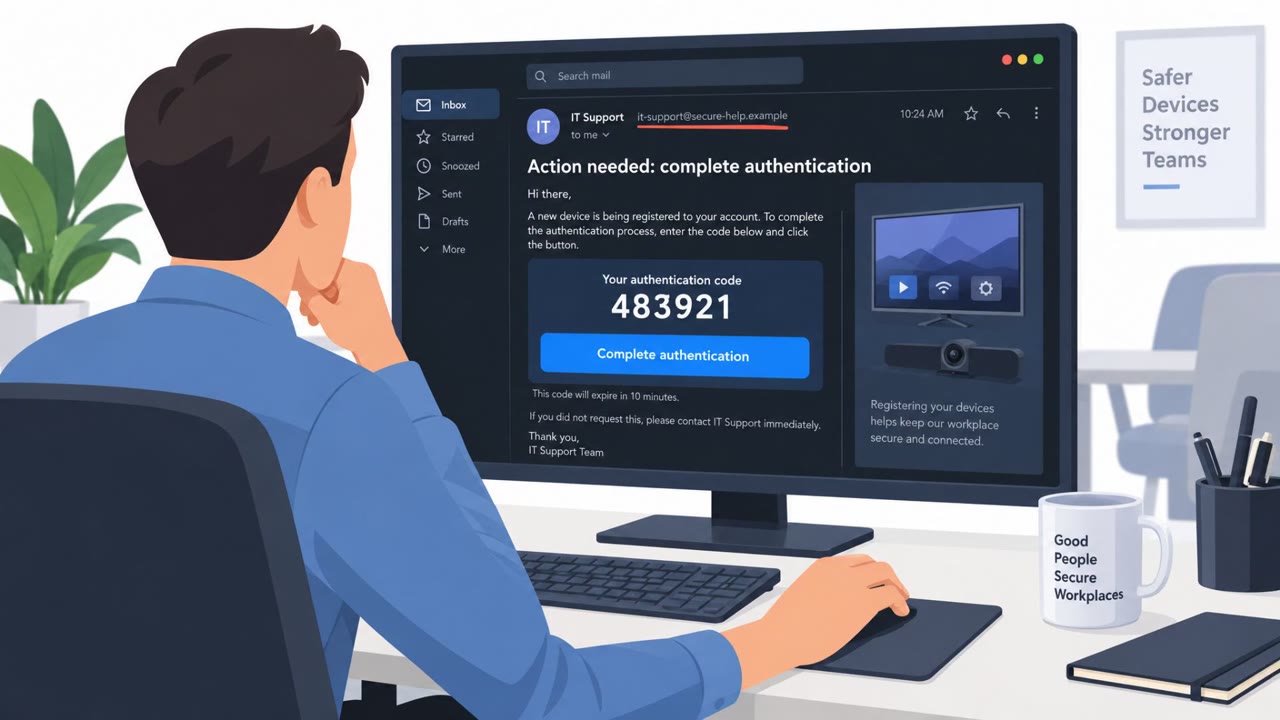
Device-Code Phishing and “ClickFix” Lures Spread

Device-Code Phishing and “ClickFix” Lures Spread

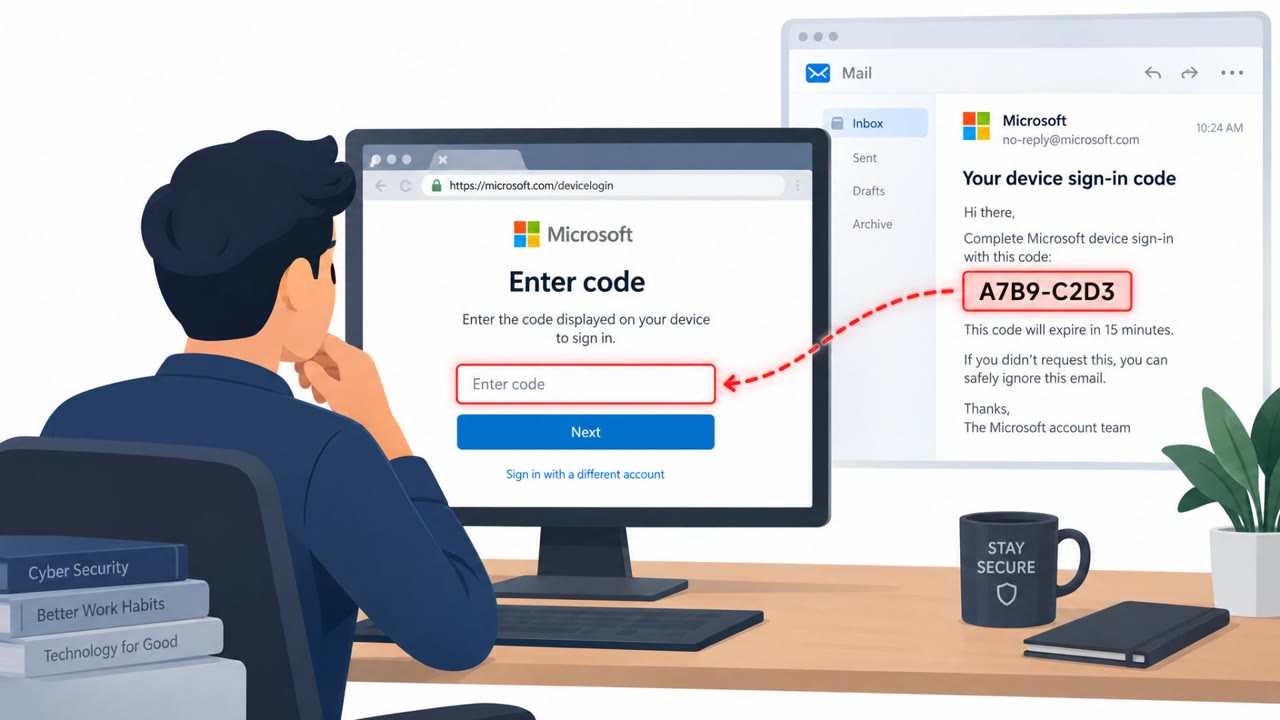
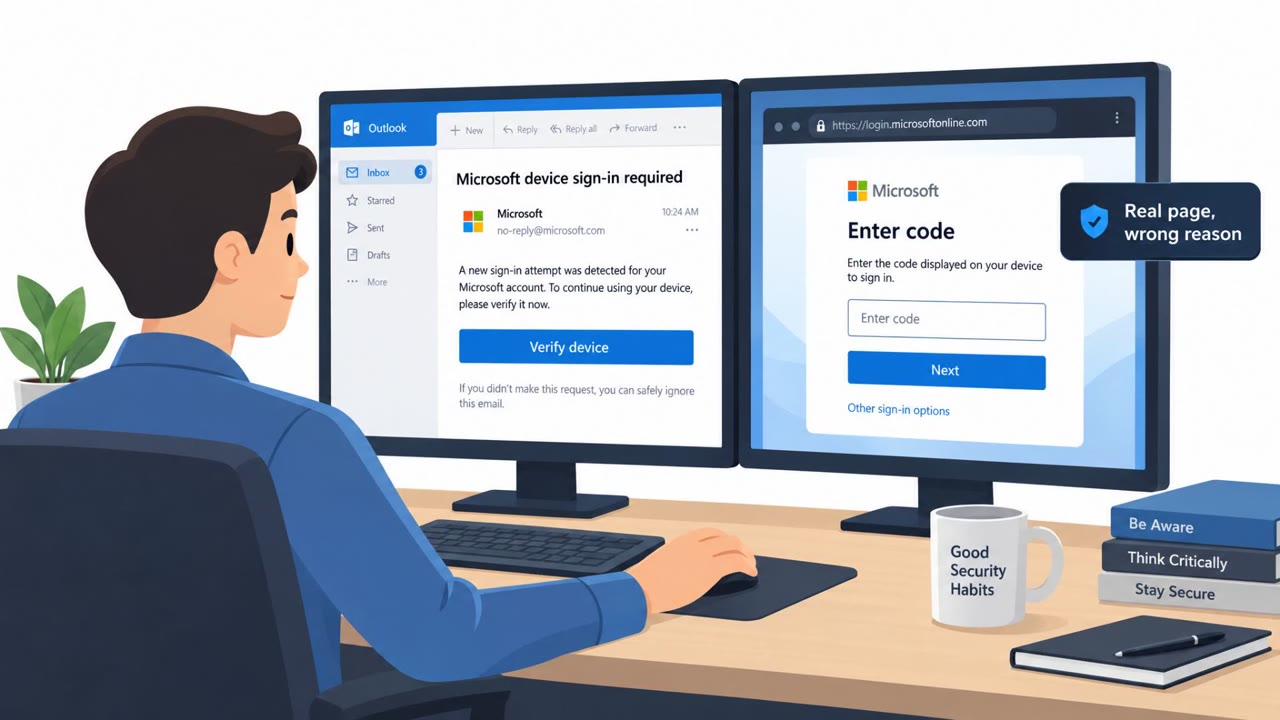
This weekly recap highlights multiple real-world campaigns where attackers trick users into taking actions that grant access, without needing to steal passwords directly. Notable examples include “device code” phishing (victims are instructed to enter a short code to approve an attacker session)…

September 28, 2026
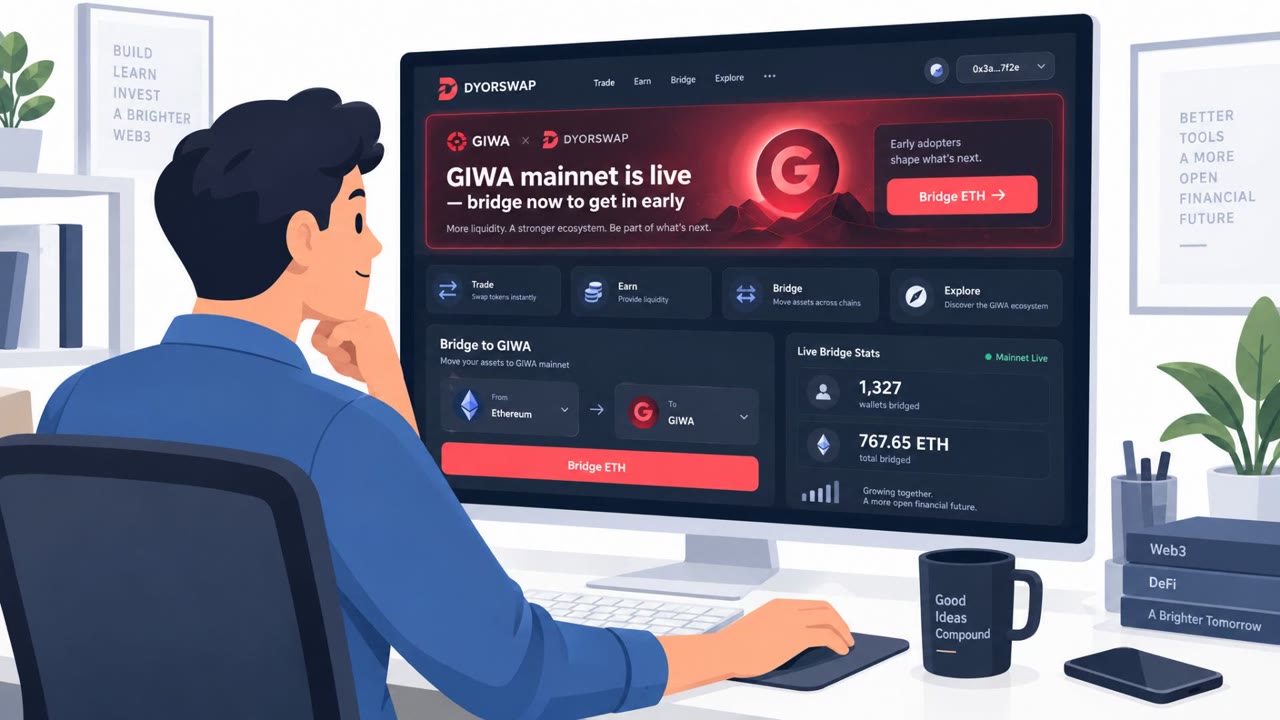
Fake GIWA Bridge Trick Drains 767 ETH

Fake GIWA Bridge Trick Drains 767 ETH

Scammers convinced DYORSWAP to integrate a fake version of the upcoming GIWA blockchain, making it look legitimate to users. More than 1,300 wallets then sent roughly 767 ETH (about $2M) to a spoofed bridge contract, which was quickly drained and routed through Tornado Cash.

September 28, 2026
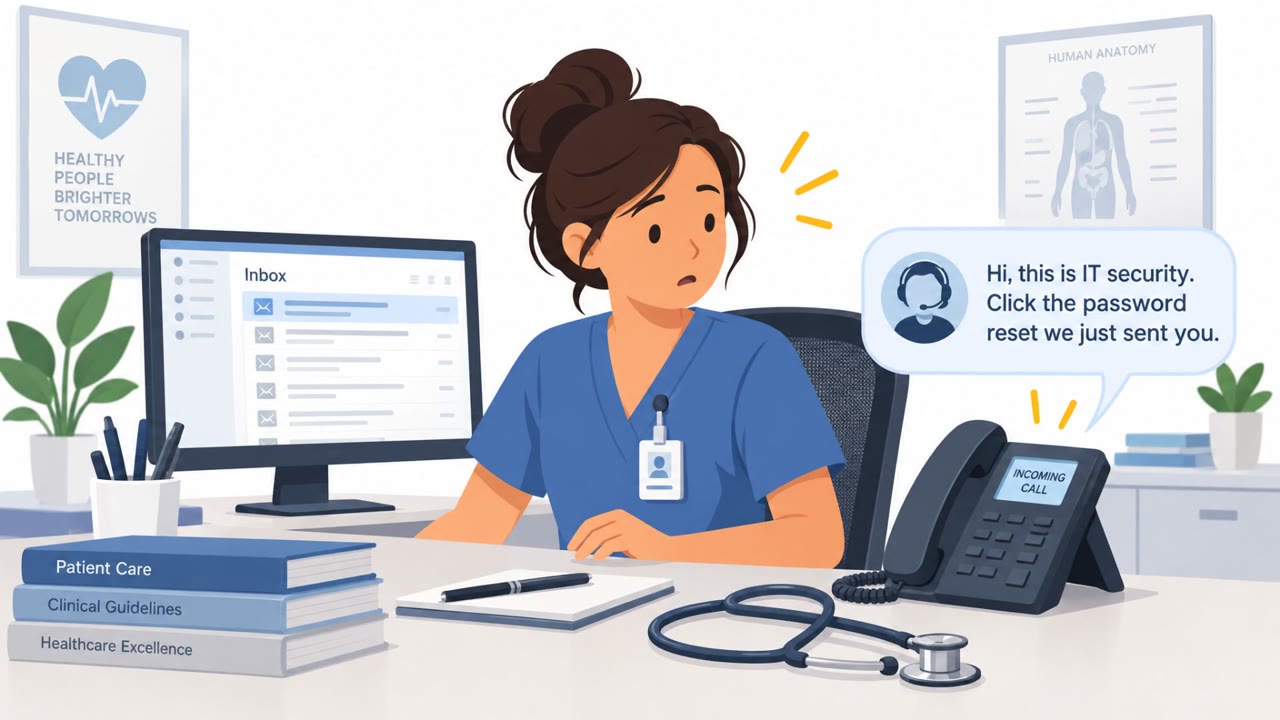
Vishing Wave Hits Healthcare With MFA Reset Traps

Vishing Wave Hits Healthcare With MFA Reset Traps

Threat groups are actively targeting healthcare and pharma staff using phone-based social engineering (“vishing”) and look‑alike medical domains to steal employee login credentials. Researchers say attackers pressure employees to click password-reset or MFA-reset links, and multiple…

September 28, 2026
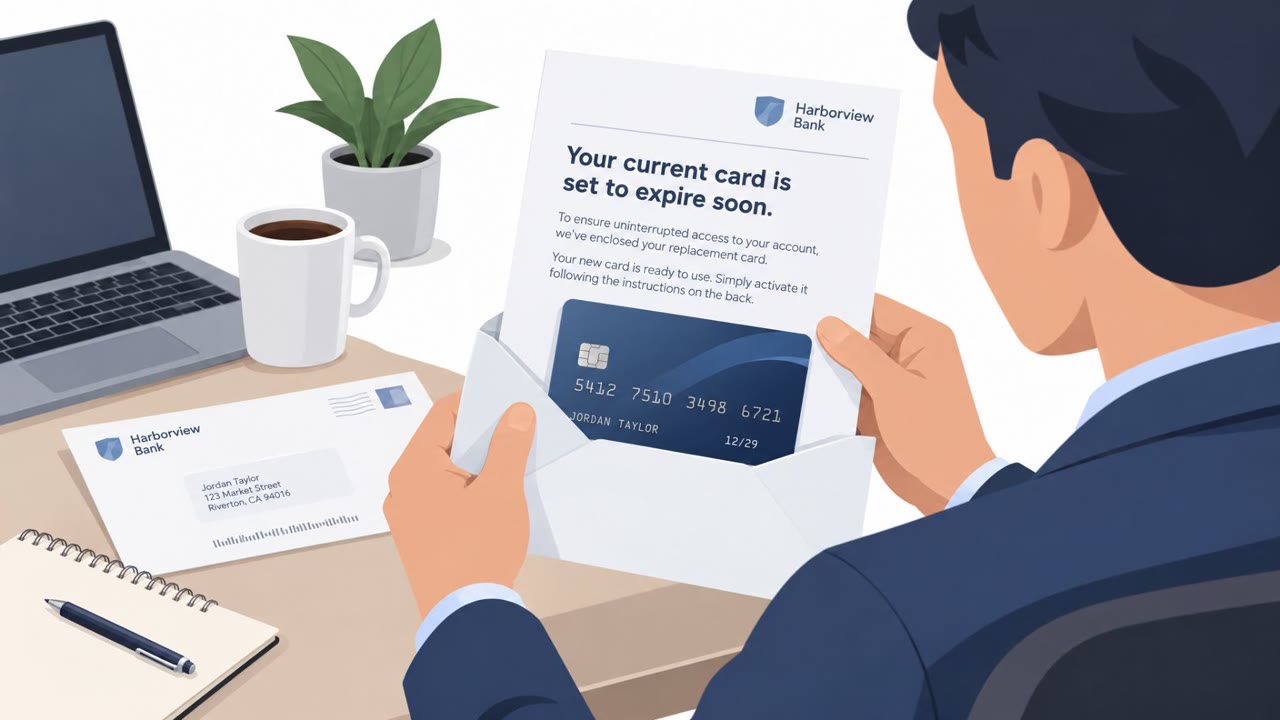
Fake Bank Cards in the Mail Still Work

Fake Bank Cards in the Mail Still Work

Criminals in parts of Europe have been mailing fake “replacement” bank cards or letters claiming a card is expiring, pushing victims to scan a QR code or visit a URL to “activate” the card. The QR code redirects to a fake banking site that harvests login and account details, potentially giving…

September 26, 2026
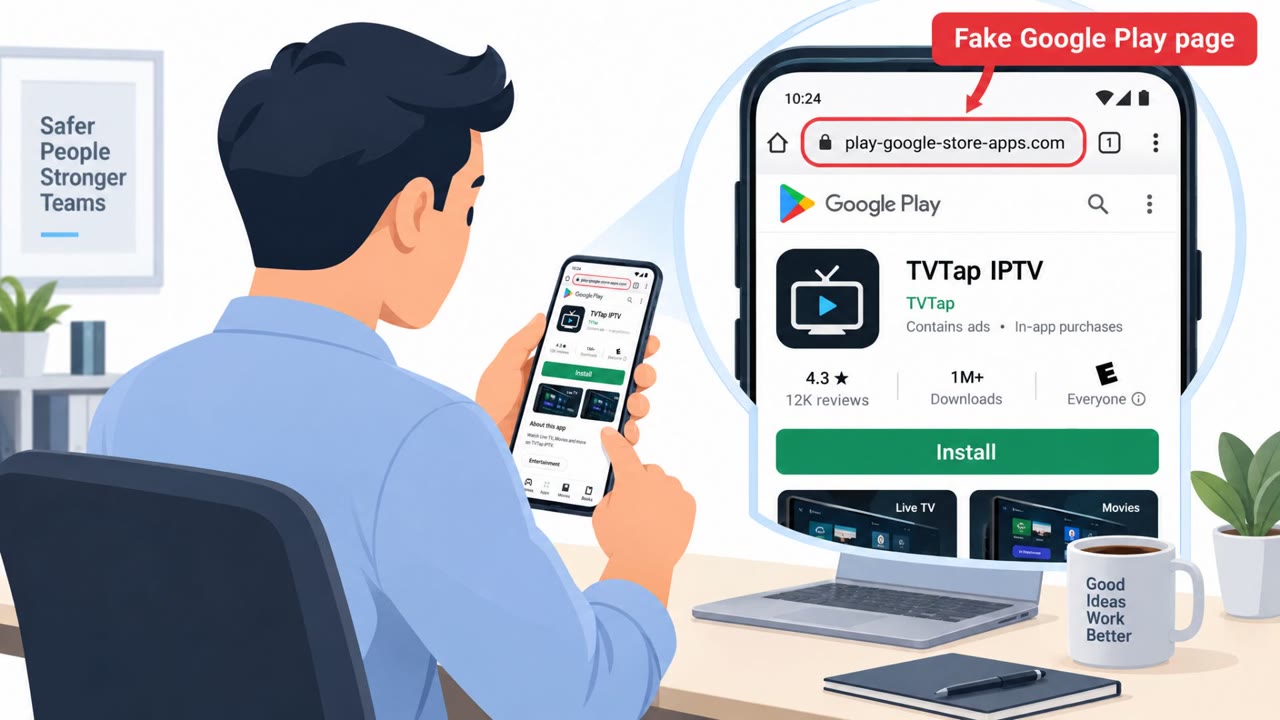
Android Trojan Pushed via Fake Google Play Pages

Android Trojan Pushed via Fake Google Play Pages

A new Android banking trojan called RemControl is being distributed through fake Google Play pages pretending to offer the TVTap IPTV app. After victims install it and grant powerful Accessibility permissions, it can place fake login screens over real banking apps and give attackers remote control…

September 25, 2026
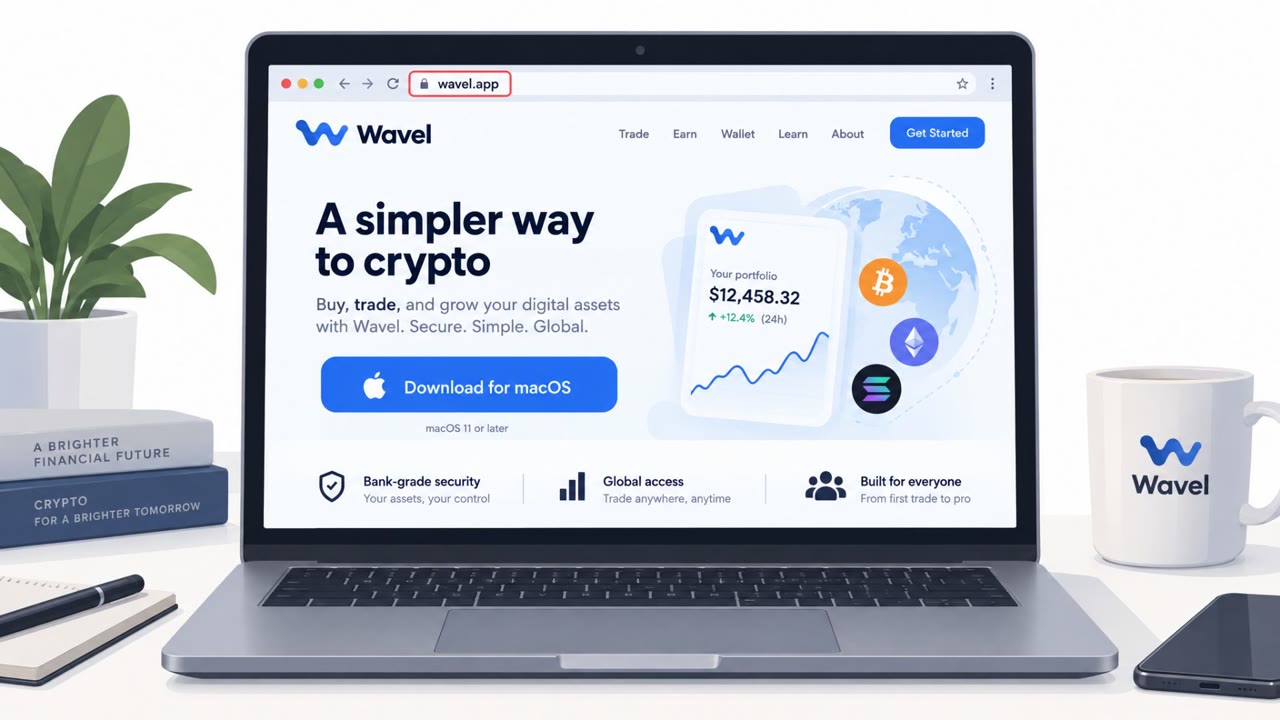
Fake “Wavel” Wallet Site Drops PamStealer on Macs

Fake “Wavel” Wallet Site Drops PamStealer on Macs

Researchers report a new PamStealer variant that lures macOS users to a fake cryptocurrency wallet website and tricks them into running a script-based installer. The malware downloads a decryption tool and relies on a live server key exchange, making the real payload harder to analyze and helping…

September 25, 2026
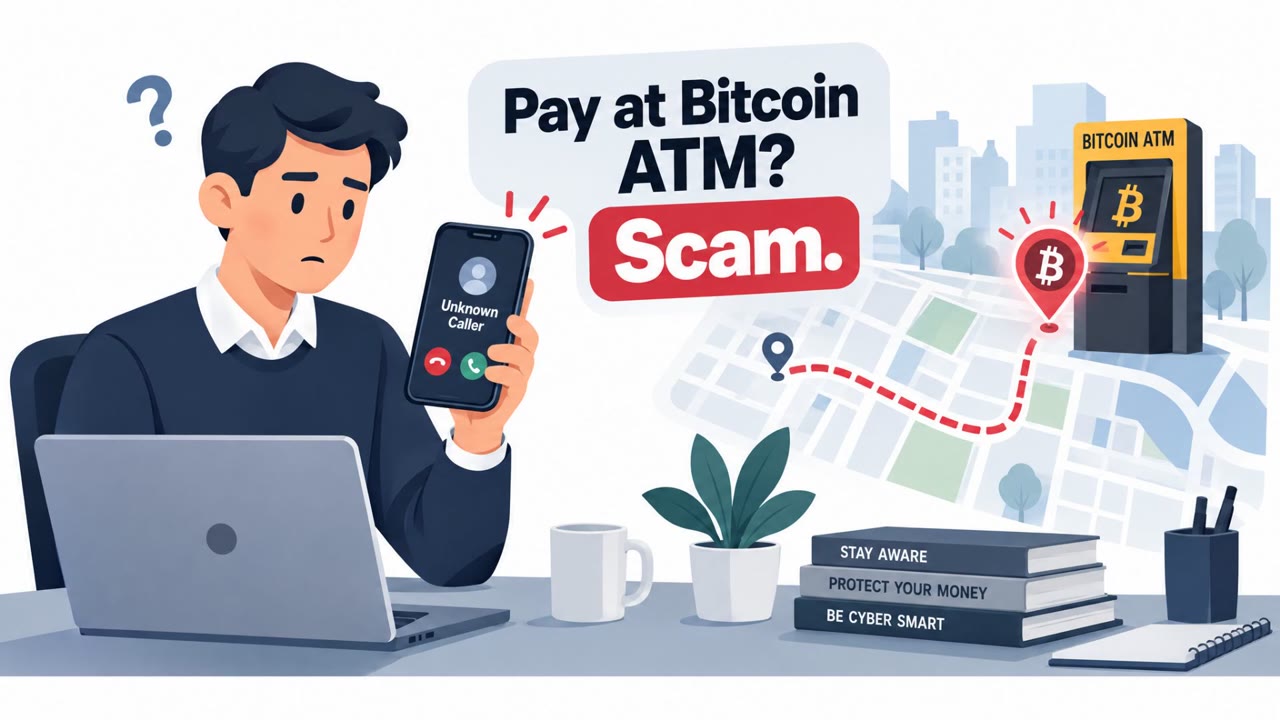
Bitcoin ATM Payment Demand? It’s a Scam Script

Bitcoin ATM Payment Demand? It’s a Scam Script

The article describes a common fraud pattern where scammers impersonate police, government officials, or other trusted authorities over the phone to pressure victims into paying via a Bitcoin/crypto ATM. The victim is told their money is at risk, instructed to withdraw cash, and then directed to…

September 25, 2026
Fake TVTap Pages Push RemControl Banking Trojan

Fake TVTap Pages Push RemControl Banking Trojan

Researchers say a new Android banking trojan (“RemControl”) tricks people into installing a fake TVTap app update from spoofed Google Play-style pages. Once installed, it persuades victims to grant Accessibility permissions, giving attackers remote control and enabling theft of banking credentials…

September 25, 2026
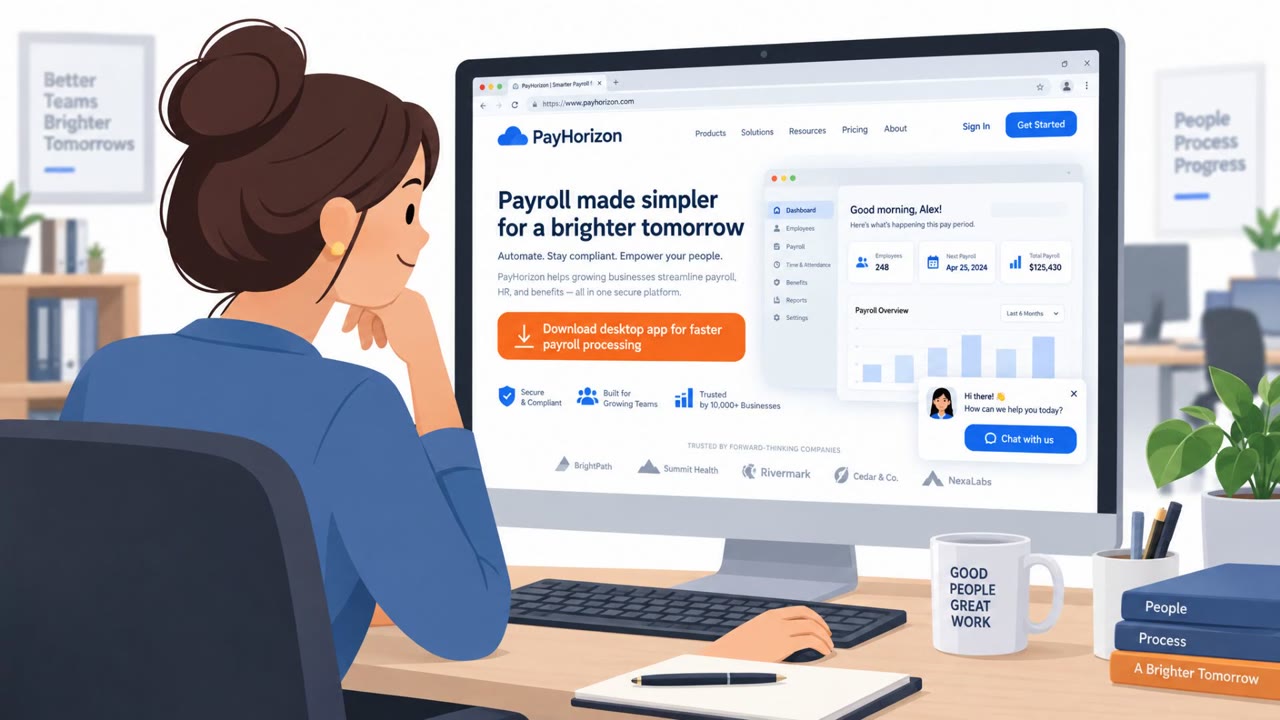
Fake Payroll “Desktop Apps” Drop Hidden Remote Control

Fake Payroll “Desktop Apps” Drop Hidden Remote Control

Researchers found a real campaign offering fake “desktop apps” for major U.S. payroll/HR platforms that don’t actually provide desktop software. Victims who install the download unknowingly install ScreenConnect remote access configured for silent, unattended control, giving attackers a direct path…

September 25, 2026
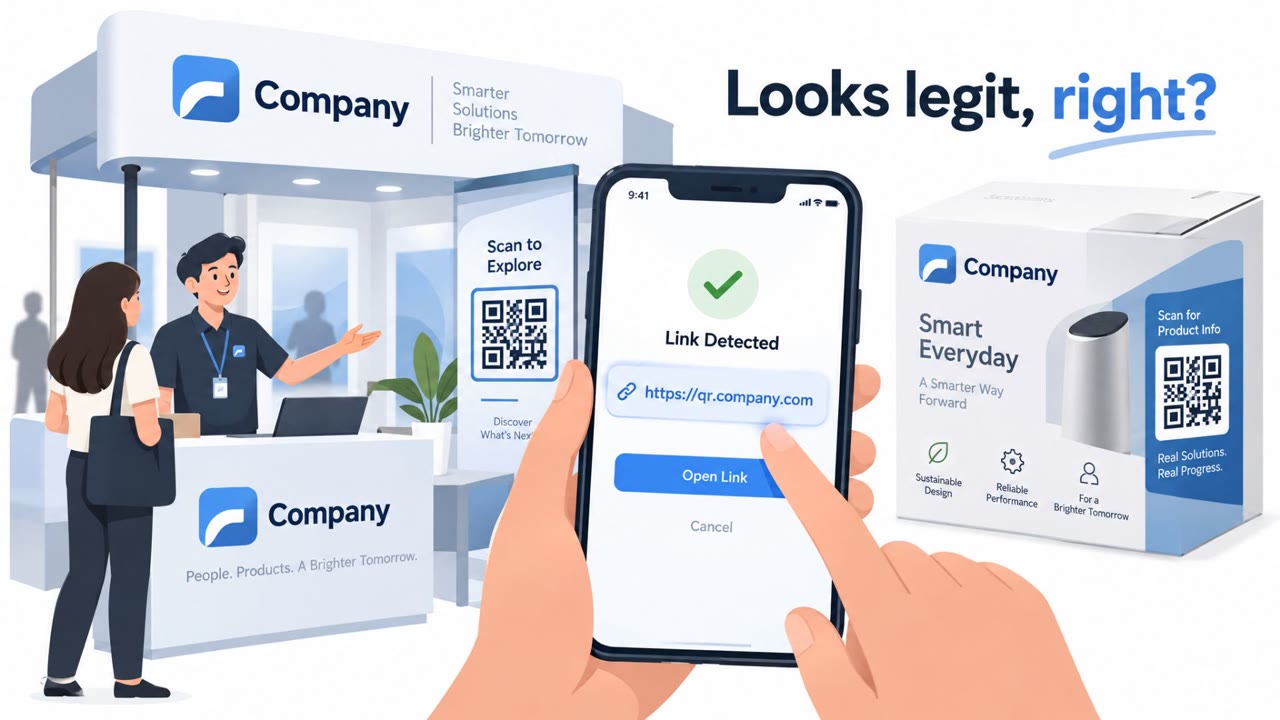
QR Codes Hijacked via Abandoned Branded Domains

QR Codes Hijacked via Abandoned Branded Domains

A researcher demonstrated that attackers can take over a company’s branded QR-code subdomain (e.g., qr.company.com) if the company stops using a QR vendor but forgets to remove the DNS record. Anyone scanning a legitimate printed QR code can then be redirected to an attacker-controlled website,…

September 25, 2026
AI Search Results Turn Into Phishing Traps

AI Search Results Turn Into Phishing Traps

This bulletin describes multiple real-world scams where attackers make fake pages and messages look like routine, trusted experiences (search answers, Google login pop-ups, “giveaways,” and official-sounding calls). Examples include a fake Claude Max giveaway using a convincing fake Google sign-in…

September 24, 2026
Fake TVTap App Used to Steal Banking PINs

Fake TVTap App Used to Steal Banking PINs

Researchers say the RemControl Android banking trojan tricks people into installing a fake “TVTap” IPTV app from look‑alike Google Play pages promoted via ads. Once installed, it abuses Android permissions to take over the phone, show fake banking login screens, and steal PINs and other banking…

September 24, 2026
60,000 Fake LinkedIn Jobs Used to Scam Applicants

60,000 Fake LinkedIn Jobs Used to Scam Applicants

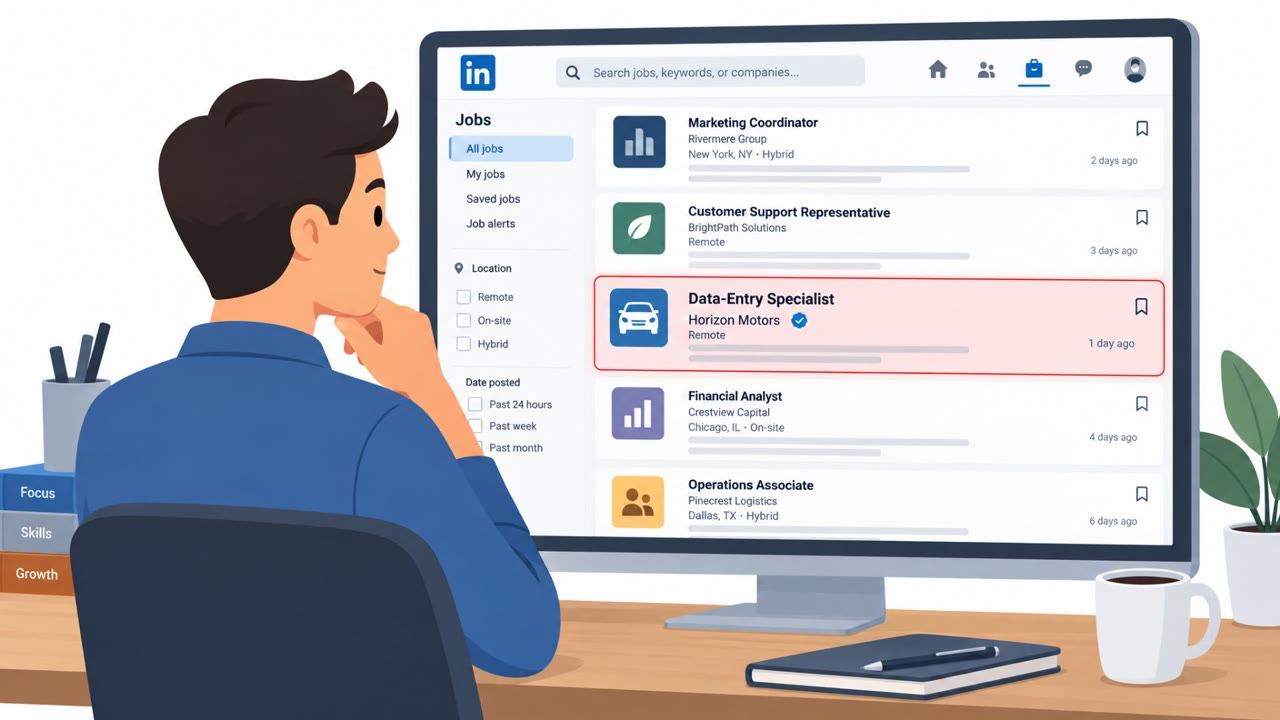
Scammers are using realistic LinkedIn recruiter profiles and even verified company pages to post fake jobs that push people to off-platform sites or email addresses. The scams aim to take money (e.g., paid “resume help”) or collect sensitive personal data like driver’s licenses or Social Security…

September 23, 2026
DarkMe RAT Now Spreads via Fake “PNG” Email Link

DarkMe RAT Now Spreads via Fake “PNG” Email Link

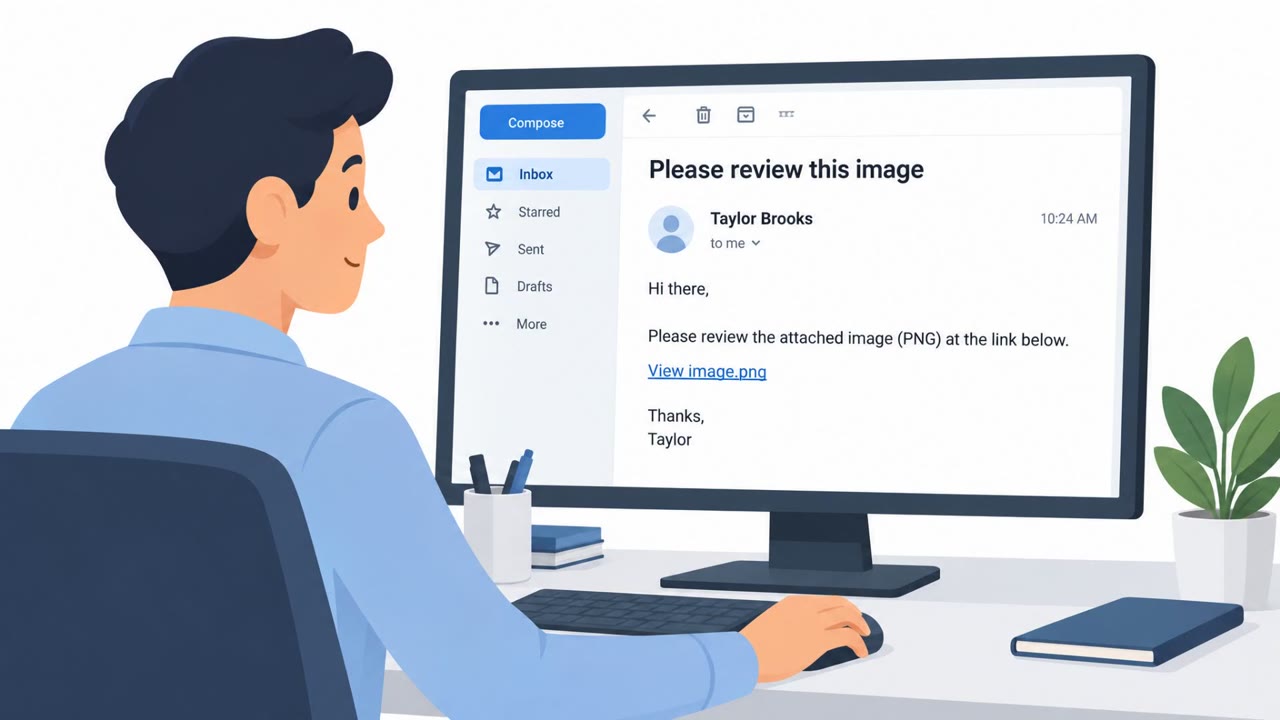
Researchers reported a real phishing campaign delivering the DarkMe remote-access trojan by emailing victims a link that appears to download a PNG image. Instead, the click downloads a disguised Windows executable (.pif) that runs when double-clicked and then pulls additional stages to install an…

September 23, 2026
EvilTokens Used Device-Code Phish to Fuel BEC

EvilTokens Used Device-Code Phish to Fuel BEC

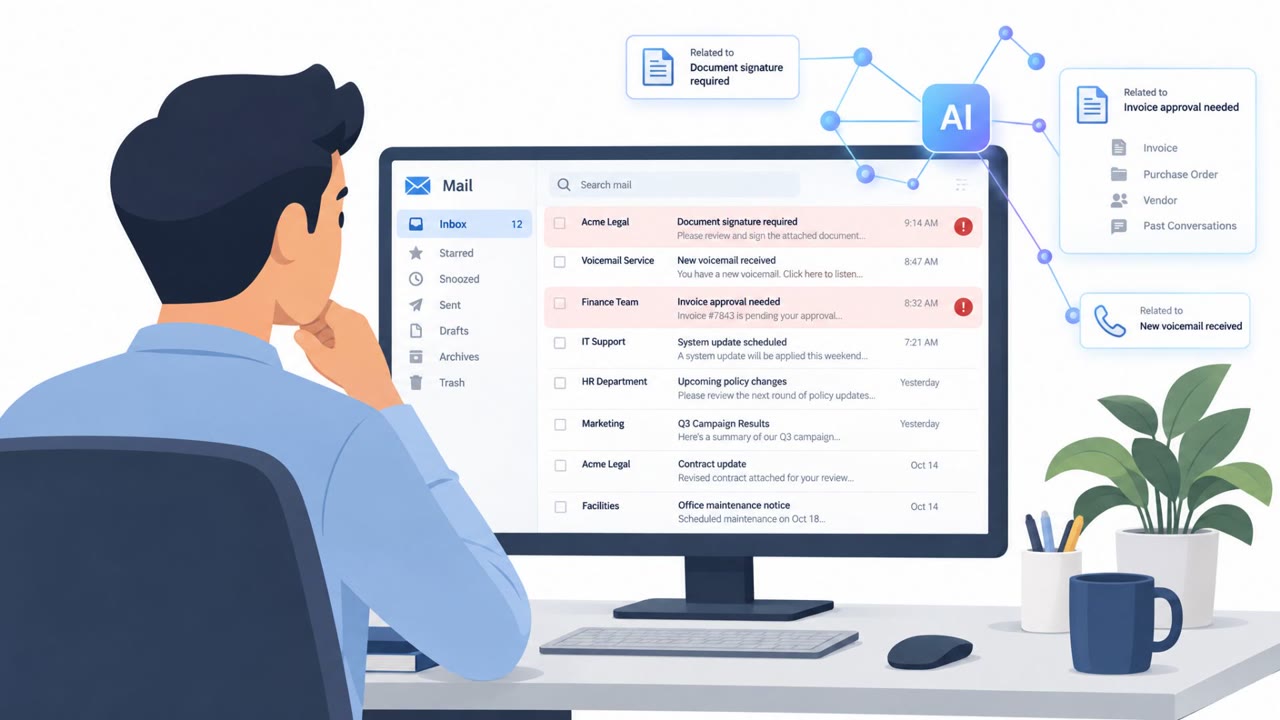
Microsoft disrupted “EvilTokens,” a subscription cybercrime service that stole Microsoft account access using device-code phishing and then used AI-style automation to rapidly mine victims’ inboxes for payment and org-chart details. The goal was to quickly craft believable payment-fraud messages…

September 23, 2026
Microsoft Disrupts ‘EvilTokens’ Phishing Service

Microsoft Disrupts ‘EvilTokens’ Phishing Service

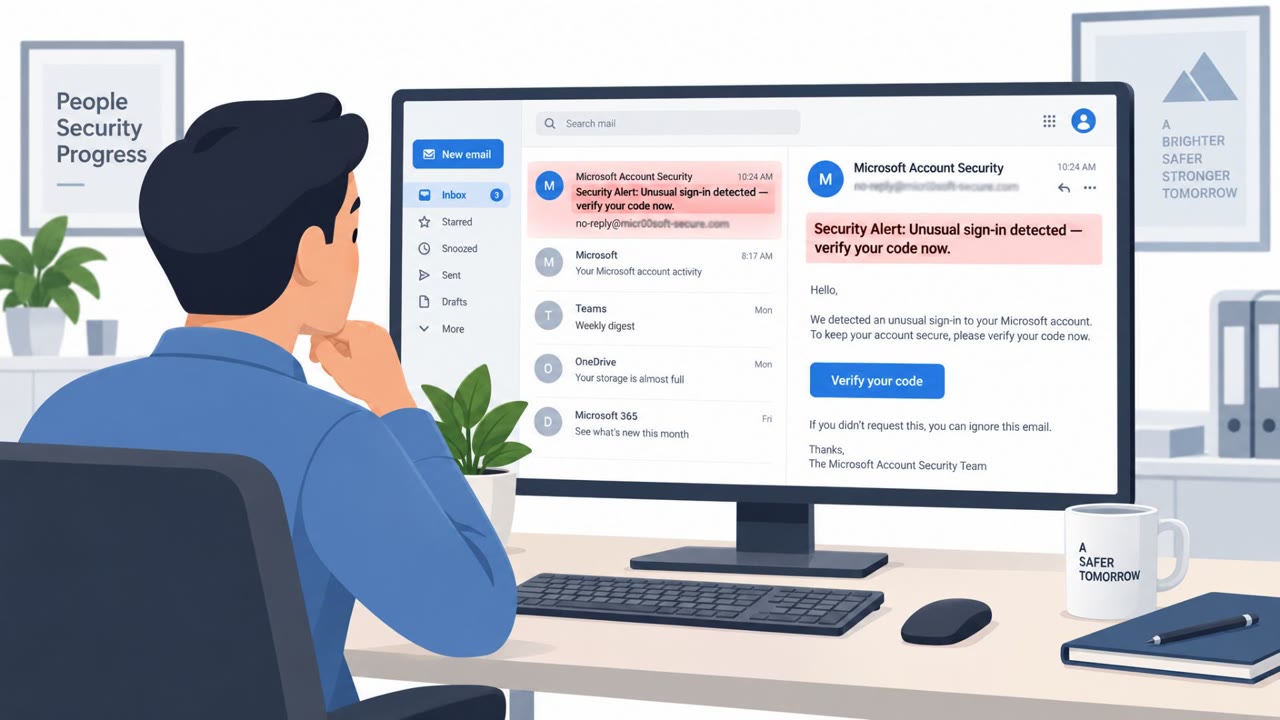
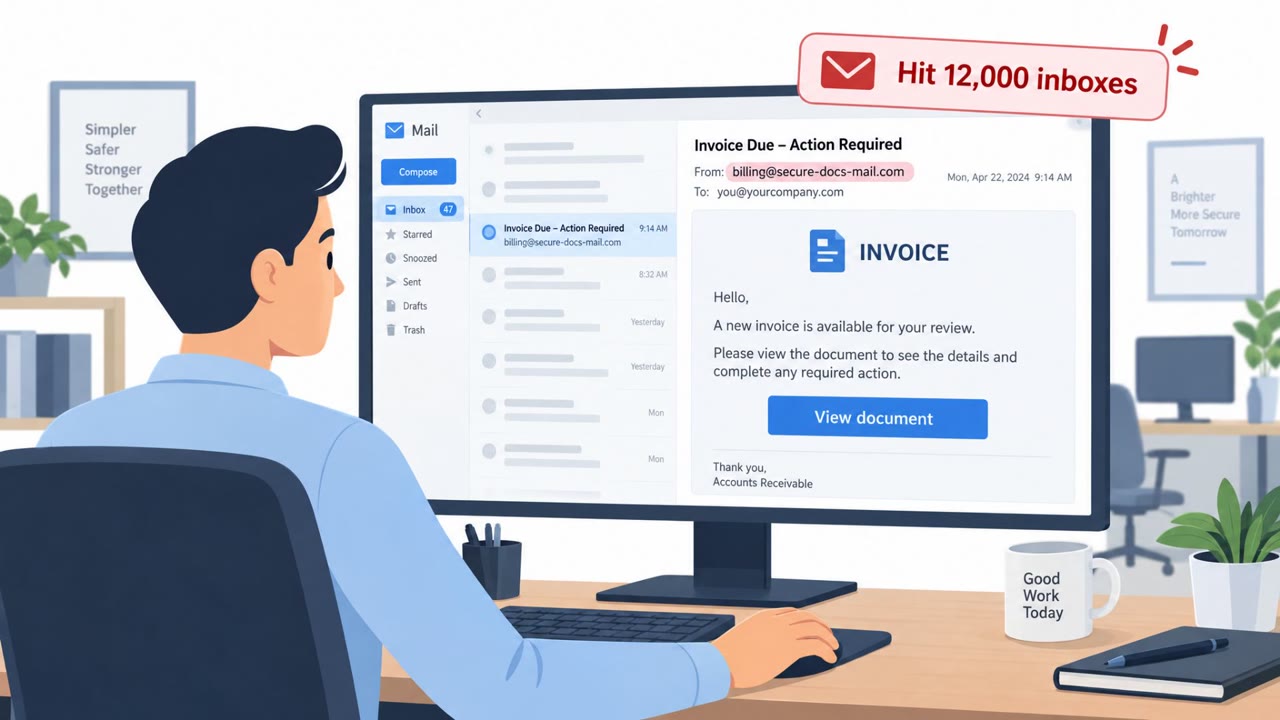
Microsoft says it disrupted the “EvilTokens” phishing-as-a-service platform, which it links to compromises of over 12,000 inboxes across more than 10,000 organizations. The service used AI to tailor phishing emails to a victim’s role and to analyze compromised inboxes to identify trusted…

September 23, 2026
EvilTokens MFA Phish Hijacked 12,000 Inboxes

EvilTokens MFA Phish Hijacked 12,000 Inboxes

Microsoft and partners disrupted “EvilTokens,” a phishing service that helped criminals break into more than 12,000 mailboxes across 10,000+ organizations. Victims were tricked into entering an authentication code on a real Microsoft sign-in page, letting attackers capture access tokens and get…

September 23, 2026
EvilTokens Device-Code Phish Hit 12,000 Inboxes

EvilTokens Device-Code Phish Hit 12,000 Inboxes

EvilTokens was a phishing-as-a-service operation that used “device code phishing” to trick employees into authorizing an attacker session on Microsoft’s real login infrastructure, often bypassing MFA without stealing passwords. After access, attackers used AI to find payment-related conversations…

September 23, 2026
EvilTokens Used Device-Code Phish + AI for BEC

EvilTokens Used Device-Code Phish + AI for BEC

Microsoft disrupted EvilTokens, a phishing-as-a-service operation linked to thousands of compromised Microsoft 365 inboxes. The group used “device code” phishing to steal valid session tokens (not passwords) and then used an AI chatbot to scan mailboxes and help craft business email compromise…

September 22, 2026
Try Mirage

Mirage simulates attacks like these against your own team, live and safely, so you can measure how your people actually respond.

Get a demo