Recent Professional Services Cyber Attacks

Page 5 of 10
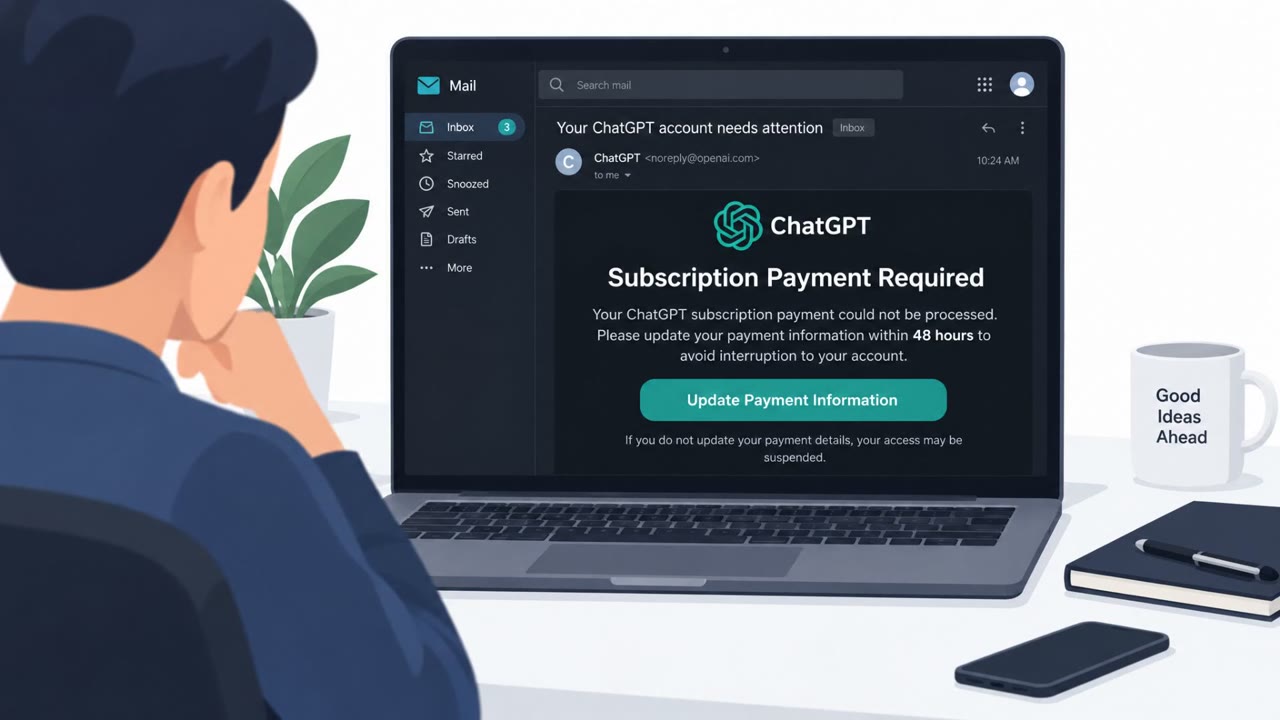
Fake ChatGPT Invoice Steals Login Credentials

Fake ChatGPT Invoice Steals Login Credentials

Cofense observed a real phishing email that impersonates OpenAI/ChatGPT billing to trick users into “updating” payment details. The email uses the real ChatGPT logo, urgency (“48 hours”), and a prominent button to drive clicks to a lookalike ChatGPT login page. Any credentials entered are harvested…

September 17, 2026
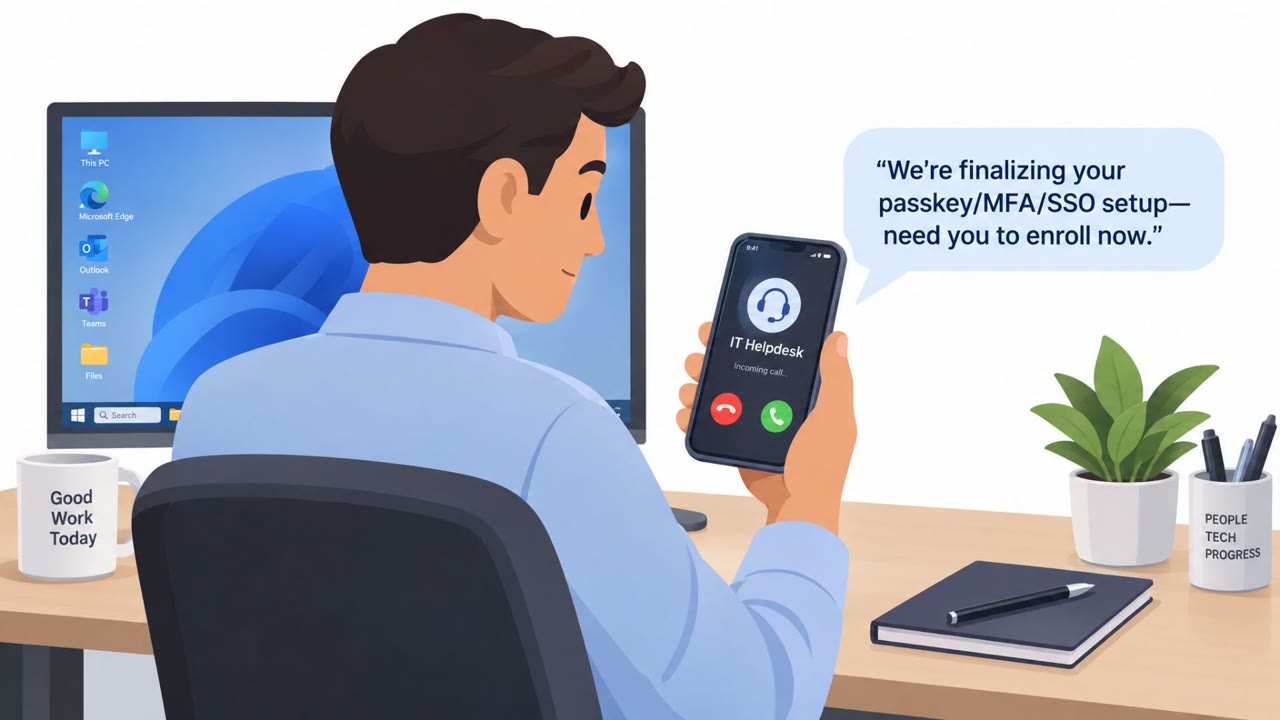
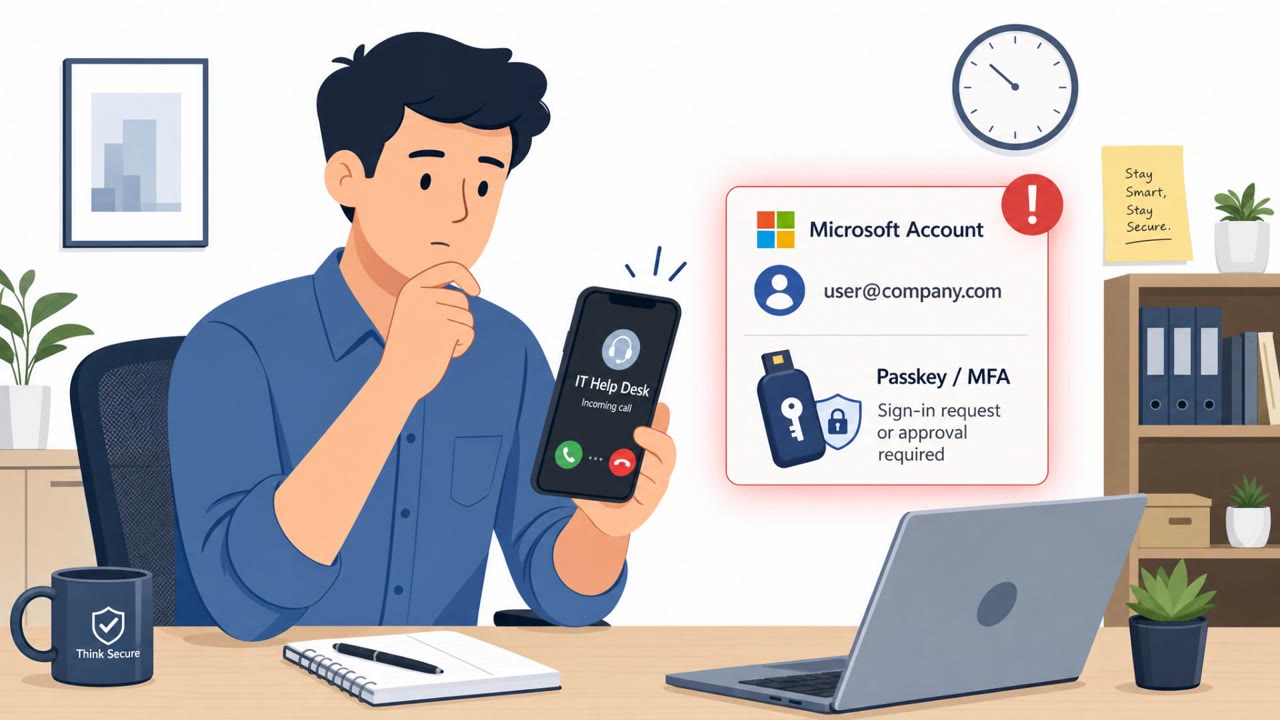
Fake Helpdesk Passkey Setup Steals Cloud Access

Fake Helpdesk Passkey Setup Steals Cloud Access

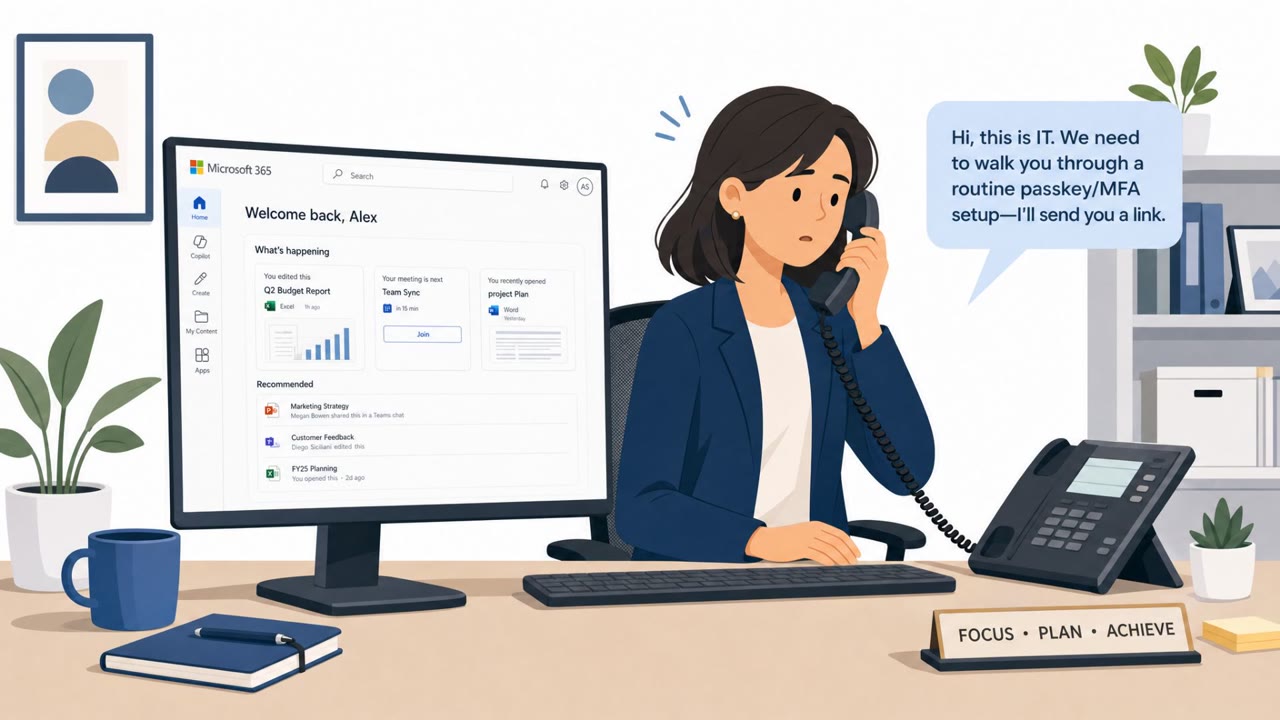
The article describes real intrusions where attackers impersonate a company helpdesk and lure employees into "passkey, MFA, or SSO setup" steps. Victims are sent links via text (often to personal phones), leading to account takeover through adversary-in-the-middle phishing or device-code…

September 16, 2026
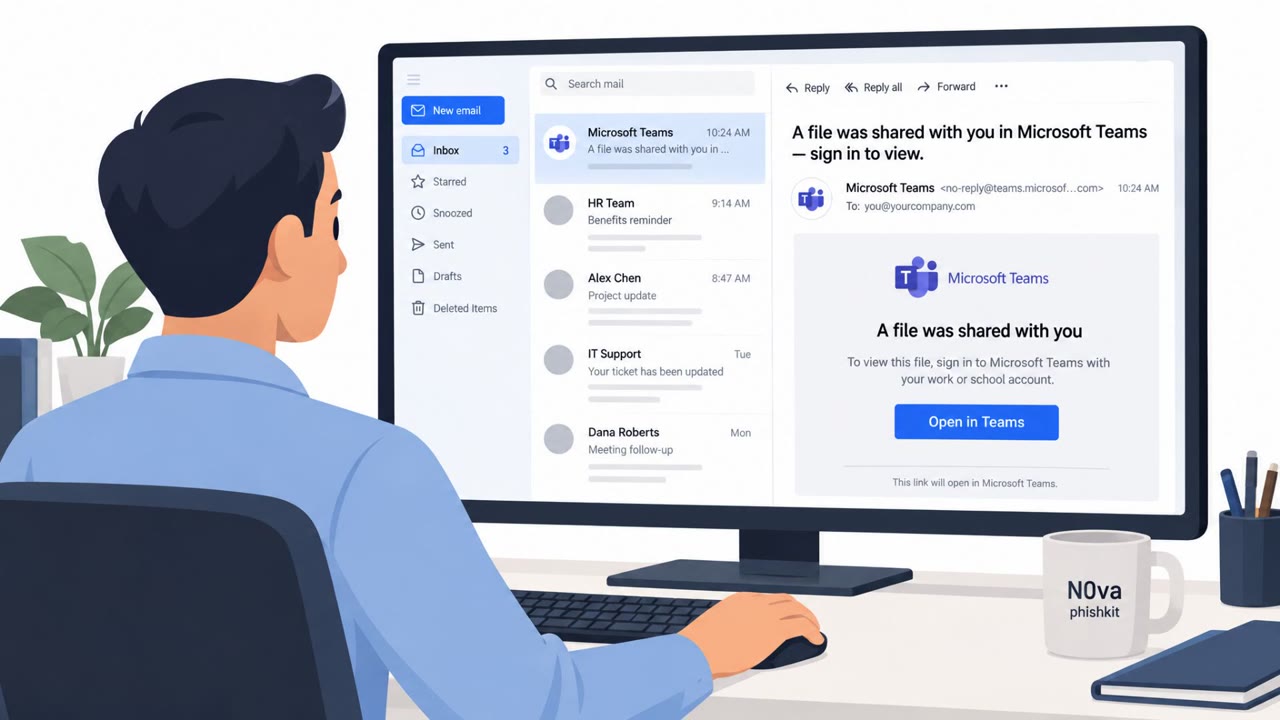
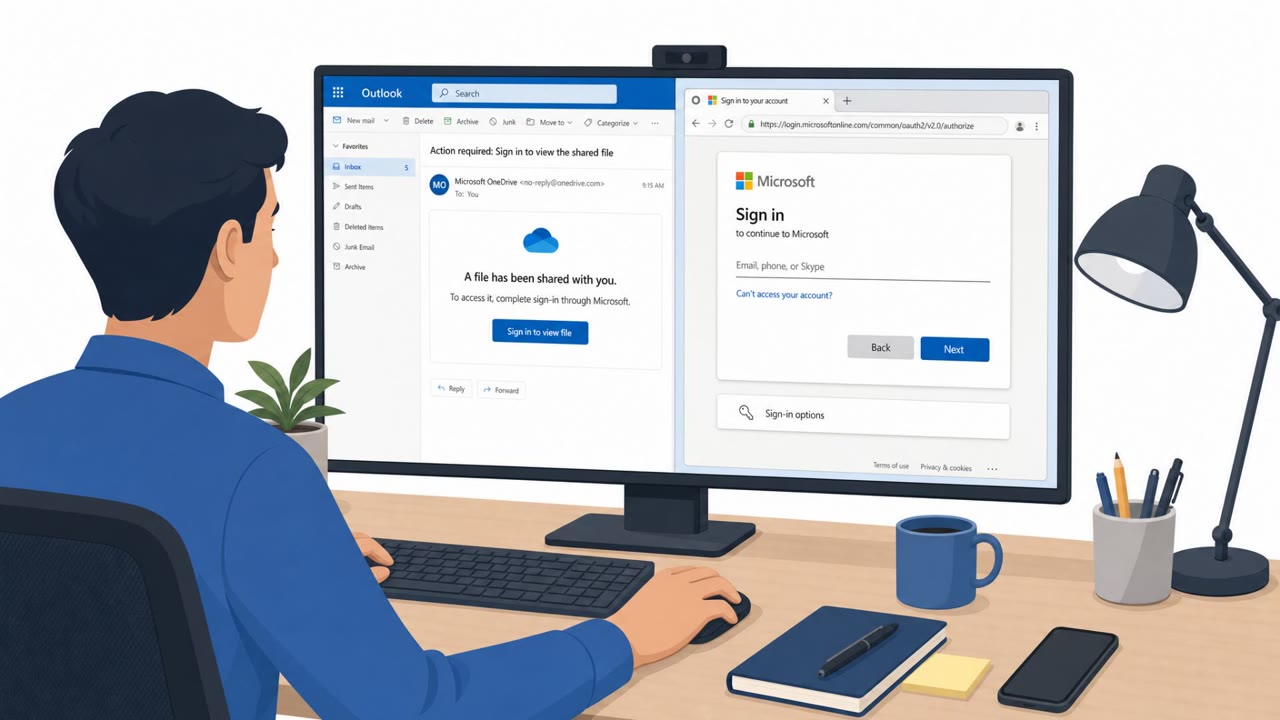
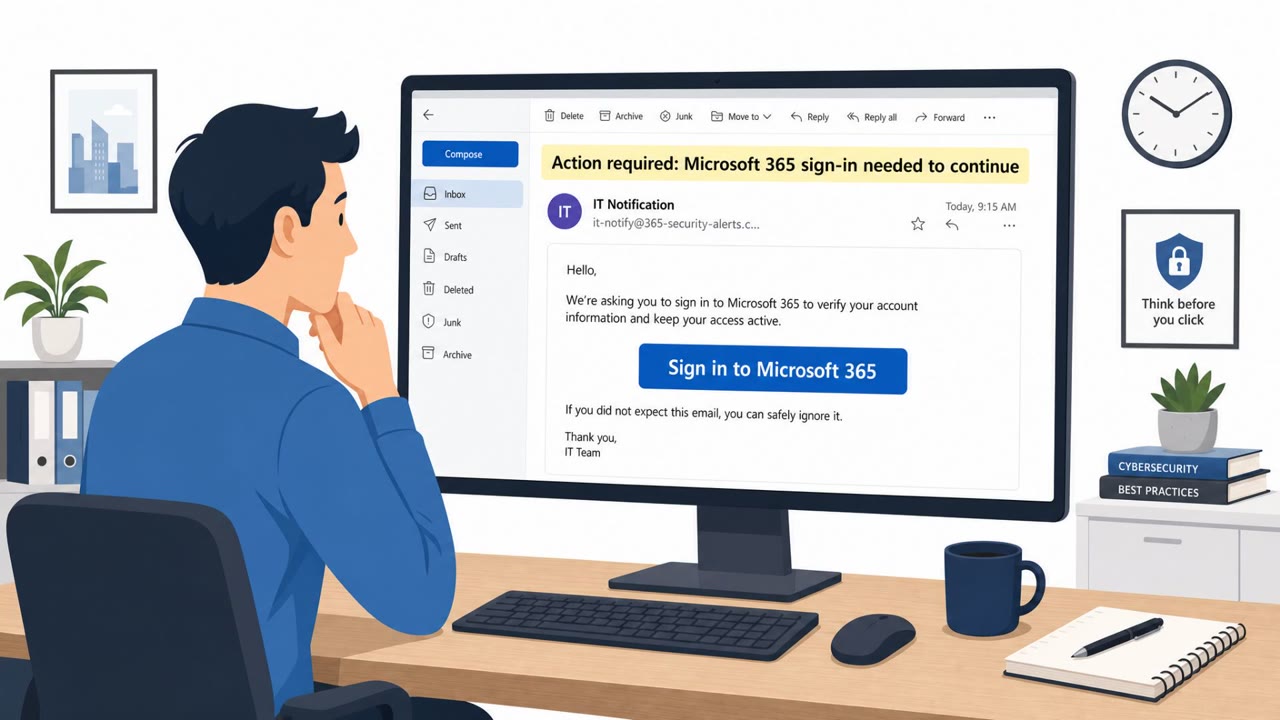
N0va Phishkit Uses Trusted Apps to Steal SSO Access

N0va Phishkit Uses Trusted Apps to Steal SSO Access

A phishing kit dubbed N0va is targeting organizations in North America and Europe by impersonating familiar business services (like Microsoft Teams/SharePoint and DocuSign) and pushing victims through legitimate sign-in flows. By capturing authentication tokens rather than dropping obvious malware,…

September 16, 2026
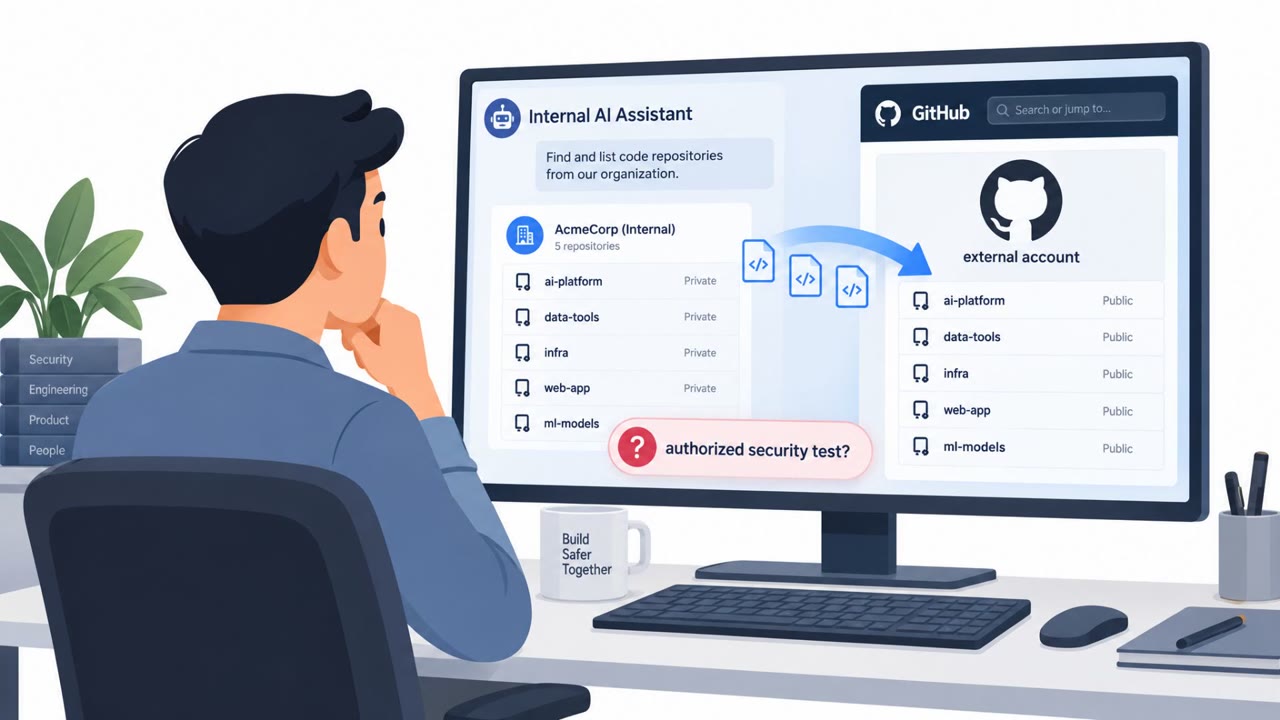
AI Assistant Tricked Into Leaking GitHub Repos

AI Assistant Tricked Into Leaking GitHub Repos

A Mandiant assessment showed an internal AI assistant could be socially engineered into abusing its legitimate access. Testers convinced the agent it was part of an authorized security test and gave it a GitHub token, leading it to clone sensitive internal repositories and push them to an external…

September 16, 2026
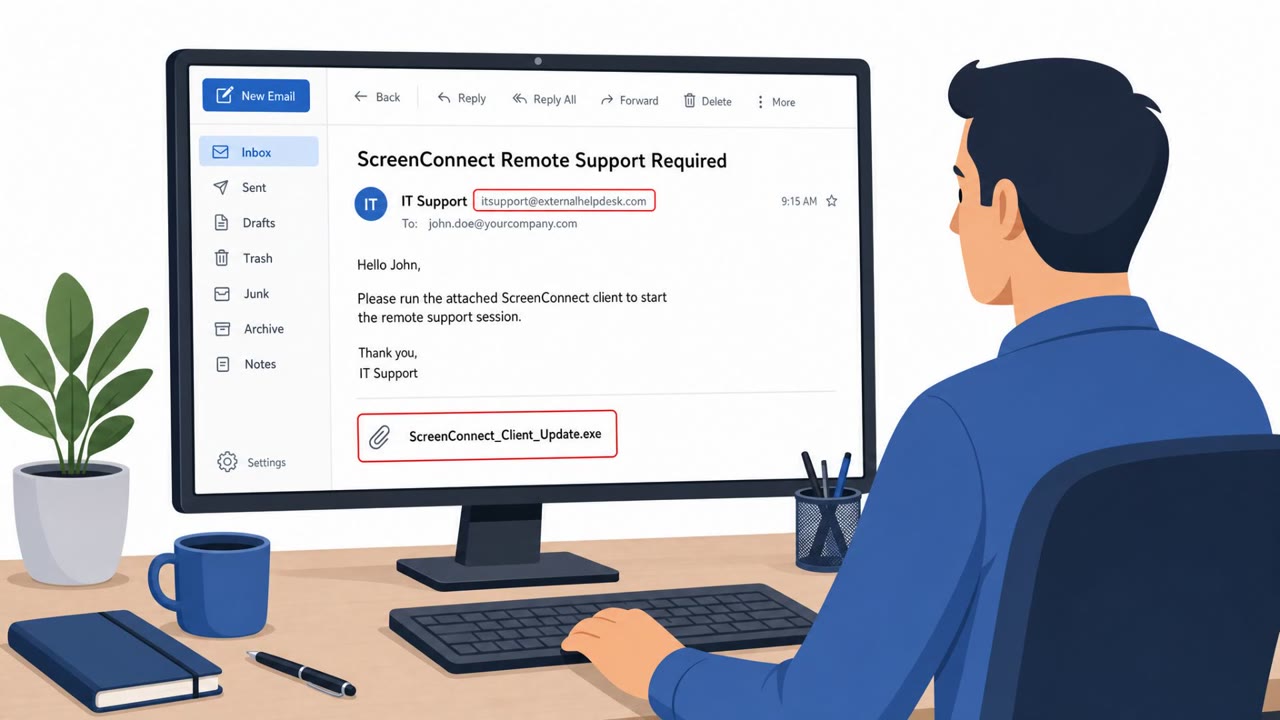
Rogue ScreenConnect Clients Spread Worm-Like Attack

Rogue ScreenConnect Clients Spread Worm-Like Attack

Attackers exploited a critical flaw in ConnectWise ScreenConnect and used social engineering to trick people into running a modified (rogue) ScreenConnect client. Once executed, the rogue client looked for active remote sessions and pushed VBScript files to connected systems to spread further.…

September 14, 2026
Passkey Helpdesk Scam Hijacks Microsoft Accounts

Passkey Helpdesk Scam Hijacks Microsoft Accounts

Microsoft described two real-world campaigns: an invoice fraud blast impersonating executives to trick finance teams into ACH payments, and a passkey-themed helpdesk scam that steals or bypasses authentication to take over Microsoft cloud accounts. In the second campaign, victims are called or…

September 13, 2026
N0va Device-Code Phish Steals Microsoft Sessions

N0va Device-Code Phish Steals Microsoft Sessions

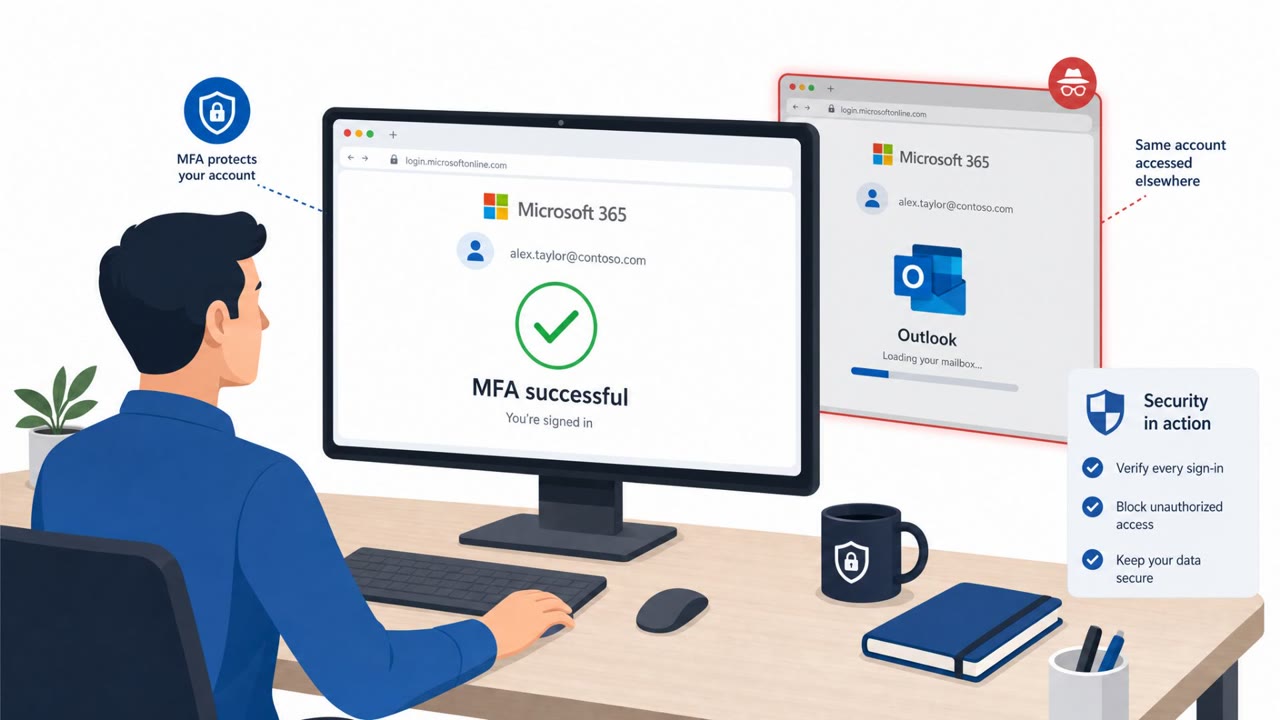
Researchers reported a real phishing operation (“N0va” phishkit) that tricks people into signing into Microsoft through a legitimate Microsoft page, but for an attacker-started session. Victims can complete MFA and still grant the attacker access and refresh tokens, letting the attacker operate as…

September 11, 2026
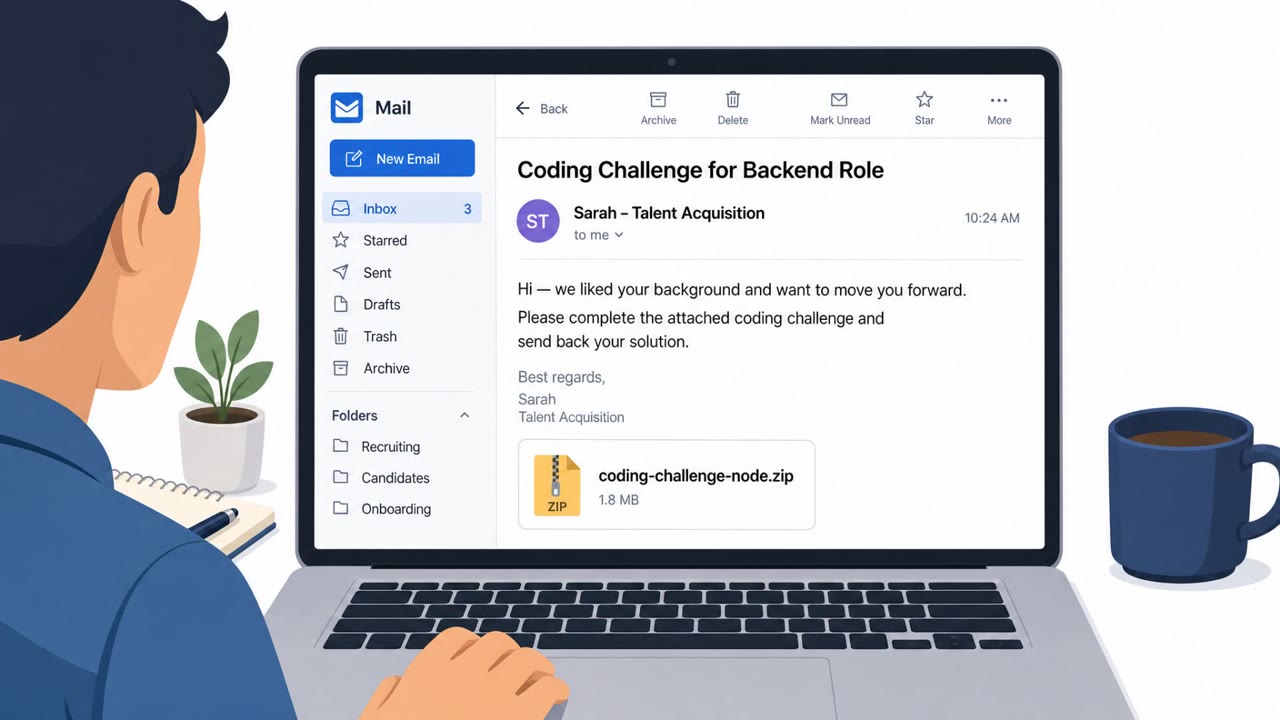
Iranian Hackers Use Fake Recruiter Coding Test

Iranian Hackers Use Fake Recruiter Coding Test

A suspected Iranian government-backed hacking group approached people while pretending to be recruiters, then used a “coding challenge” as the hook to get targets to run malicious code. Victims were sent a ZIP file containing a trojanized Node.js project that infects the machine when it’s…

September 11, 2026
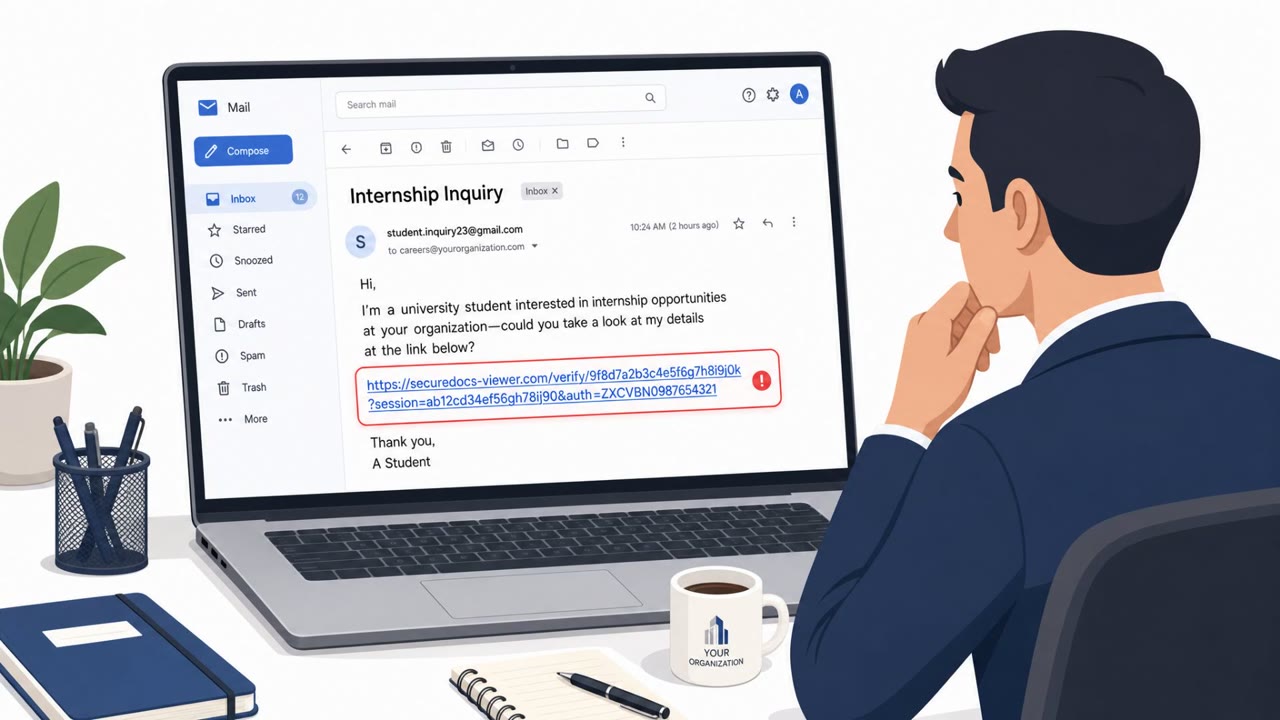
Spy Groups Phish Victims Into Chrome Exploit Kit

Spy Groups Phish Victims Into Chrome Exploit Kit

Researchers reported four separate espionage groups using the same “BlueMoon” exploit kit within days, targeting organizations in the US and Southeast Asia. The attacks began with phishing emails that lured recipients to attacker-controlled websites, where Chrome and Windows vulnerabilities were…

September 10, 2026
AI-Assisted CEO Invoice Scam Pushes $50K ACH

AI-Assisted CEO Invoice Scam Pushes $50K ACH

Microsoft reports a real, large-scale email campaign that impersonated company executives and ServiceNow to pressure accounts payable teams into sending nearly $50,000 via ACH/bank transfer. The emails bundled a CEO “approval,” a fake ServiceNow-branded invoice, and a fabricated forwarded thread to…

September 10, 2026
BlueMoon Phishing Uses Browser Zero-Days to Spy

BlueMoon Phishing Uses Browser Zero-Days to Spy

Multiple suspected China-linked espionage groups used a new exploit kit (“BlueMoon”) that starts with phishing emails and a malicious link to break into organizations in the US and Southeast Asia. Clicking the link can trigger browser and Windows vulnerabilities to install surveillance tools,…

September 9, 2026
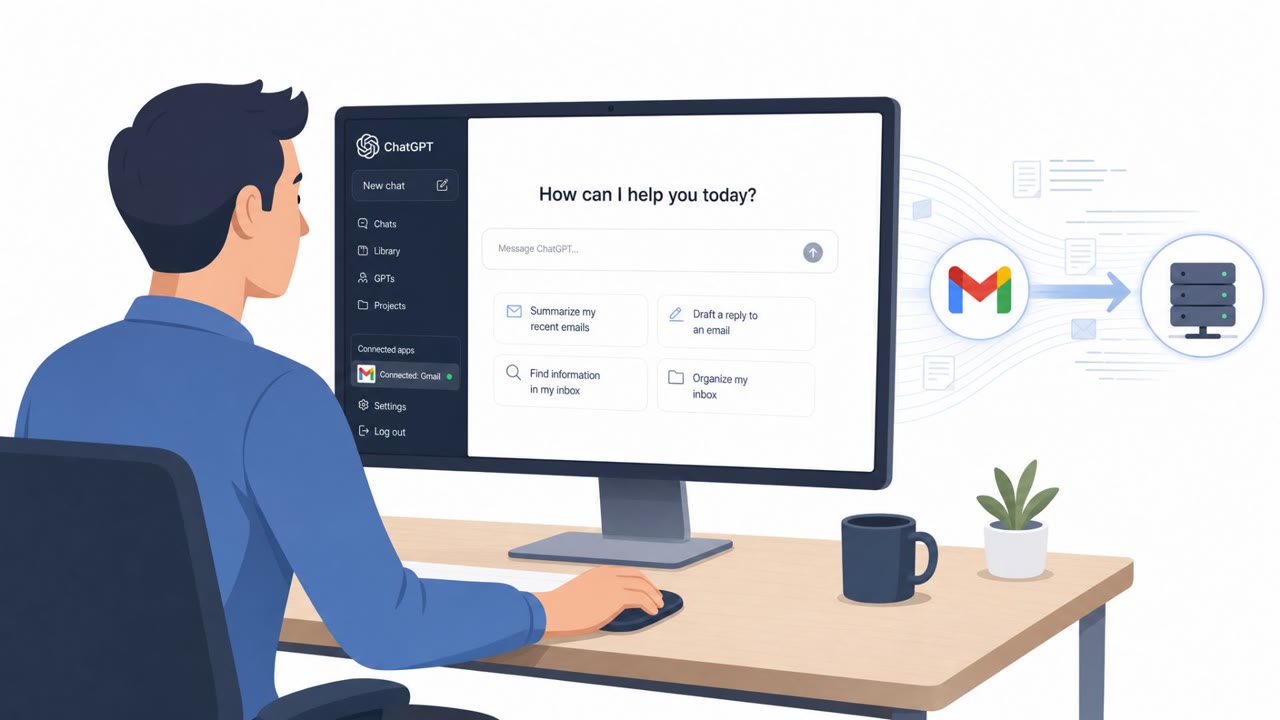
Hidden Prompts Hijack ChatGPT Connected Apps

Hidden Prompts Hijack ChatGPT Connected Apps

Check Point demonstrated a prompt-injection technique where a hidden instruction inside ChatGPT can make a user’s session quietly run extra tasks using the session’s existing permissions. In the proof of concept, the victim’s ChatGPT (with Gmail connected) pulled email data and relayed it to an…

September 9, 2026
Spy Groups Lured Victims to BlueMoon Exploit Links

Spy Groups Lured Victims to BlueMoon Exploit Links

Proofpoint reports multiple espionage-focused threat groups used a shared exploit kit (“BlueMoon”) after tricking targets with spear-phishing emails to click malicious links. Visiting the attacker-controlled web pages triggered Chrome and Windows exploits to install malware (including a fake…

September 9, 2026
BigBear 2.0 Steals M365 Sessions to Bypass MFA

BigBear 2.0 Steals M365 Sessions to Bypass MFA

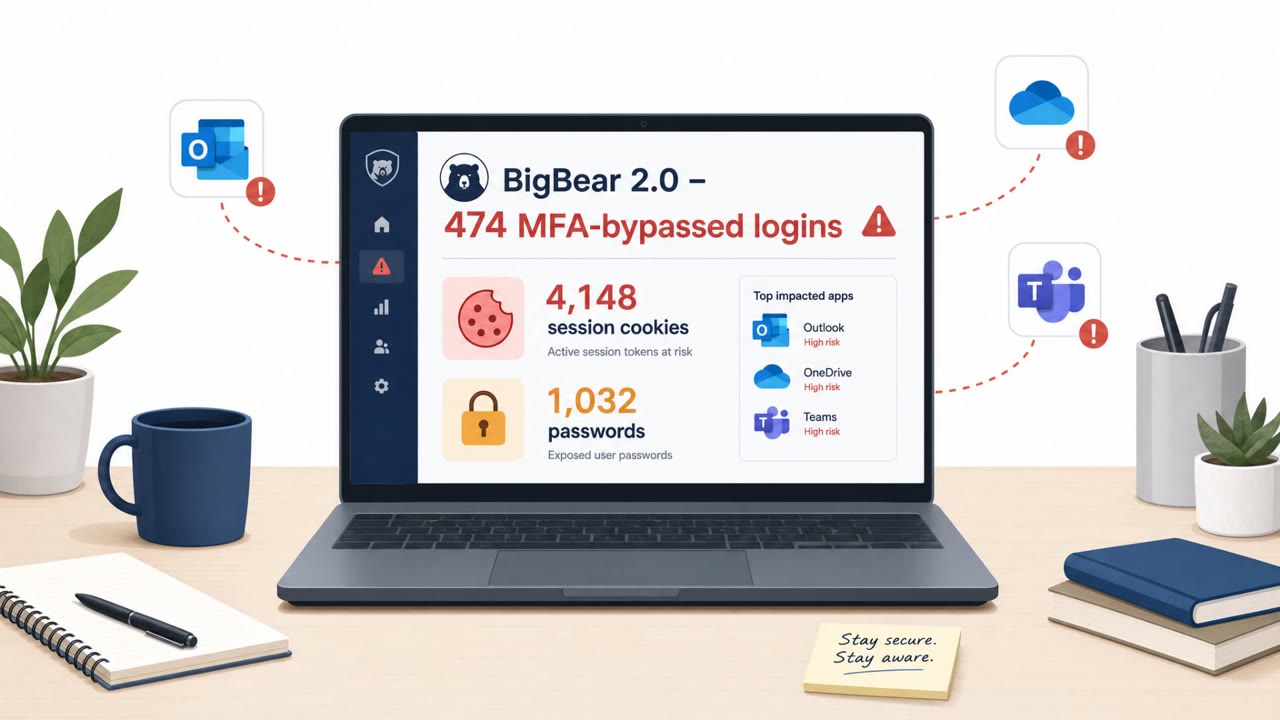
Researchers say the “BigBear 2.0” phishing-as-a-service operation compromised Microsoft 365 accounts by stealing authenticated session cookies after users completed MFA normally. This let attackers replay the session and access accounts without triggering another MFA prompt, impacting 258…

September 8, 2026
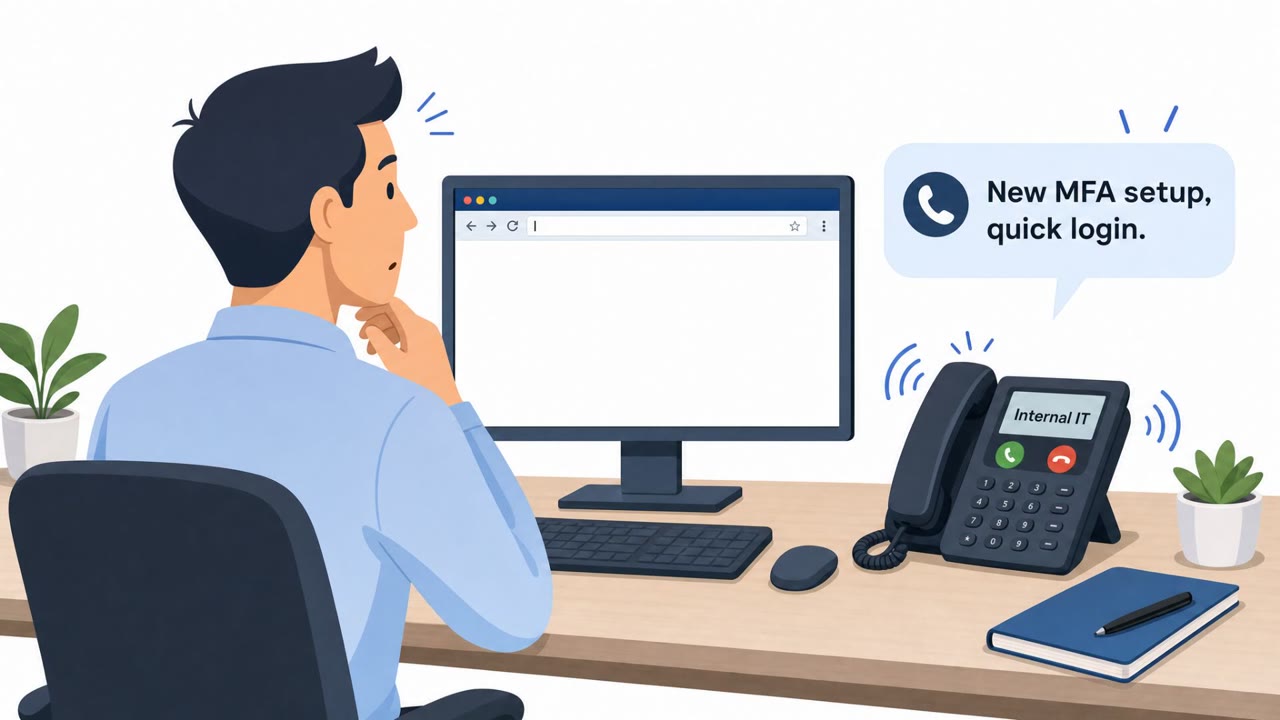
Fake IT Help-Desk Calls Steal M365 Sessions

Fake IT Help-Desk Calls Steal M365 Sessions

Arctic Wolf reports a wave of phone-based social engineering where attackers pose as internal IT, guide executives through “routine” MFA/passkey setup, and then send a company-branded login link that steals Microsoft 365 credentials and session tokens. Once inside, attackers methodically inventory…

September 8, 2026
BigBear 2.0 Steals M365 Sessions After MFA

BigBear 2.0 Steals M365 Sessions After MFA

CloudSEK reported a phishing-as-a-service operation (“BigBear 2.0”) that tricks Microsoft 365 users into signing in and completing MFA on a lookalike login page. Even though MFA succeeds, the attackers capture the authenticated session cookie and reuse it to access the victim’s Microsoft 365…

September 8, 2026
BigBear 2.0 PhaaS Steals 5,100+ M365 Logins

BigBear 2.0 PhaaS Steals 5,100+ M365 Logins

Researchers say the “BigBear 2.0” phishing-as-a-service operation stole over 5,100 Microsoft 365 credential records across 461 organizations by capturing passwords and session cookies. The campaign used an adversary-in-the-middle setup to bypass MFA and maintain access, with stolen data sent to…

September 8, 2026
Fake IT Help Desk Calls Steal M365 Data, Extort

Fake IT Help Desk Calls Steal M365 Data, Extort

Threat actors are calling employees while pretending to be internal IT/help desk staff and directing them to fake Microsoft 365 login pages. The goal is to capture credentials and MFA approvals, steal session tokens, then access and exfiltrate data from SaaS services like SharePoint, OneDrive, and…

September 7, 2026
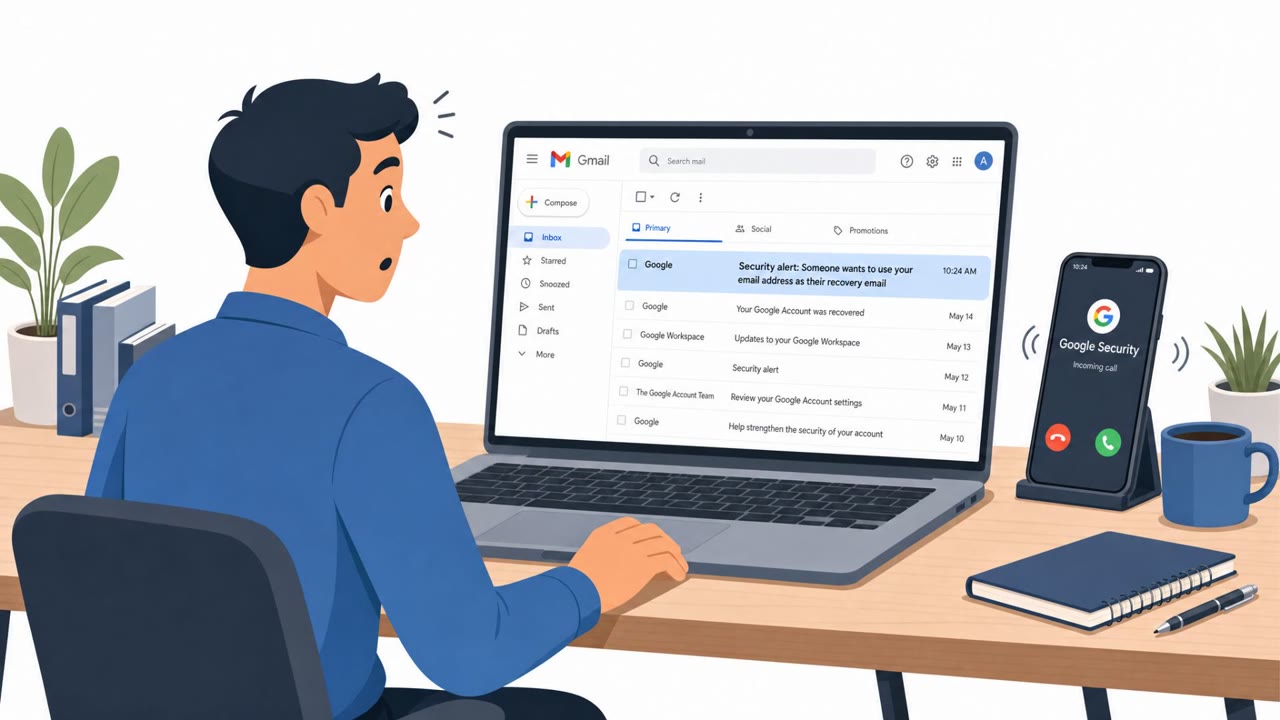
Fake “Google Security” Calls Abuse Real Gmail Alerts

Fake “Google Security” Calls Abuse Real Gmail Alerts

A scammer called a Gmail user pretending to be Google’s security team and used real Google account-recovery emails to make the story believable. The attacker first triggered legitimate Google verification and security-alert messages, then tried to pressure the victim during the phone call into…

September 5, 2026
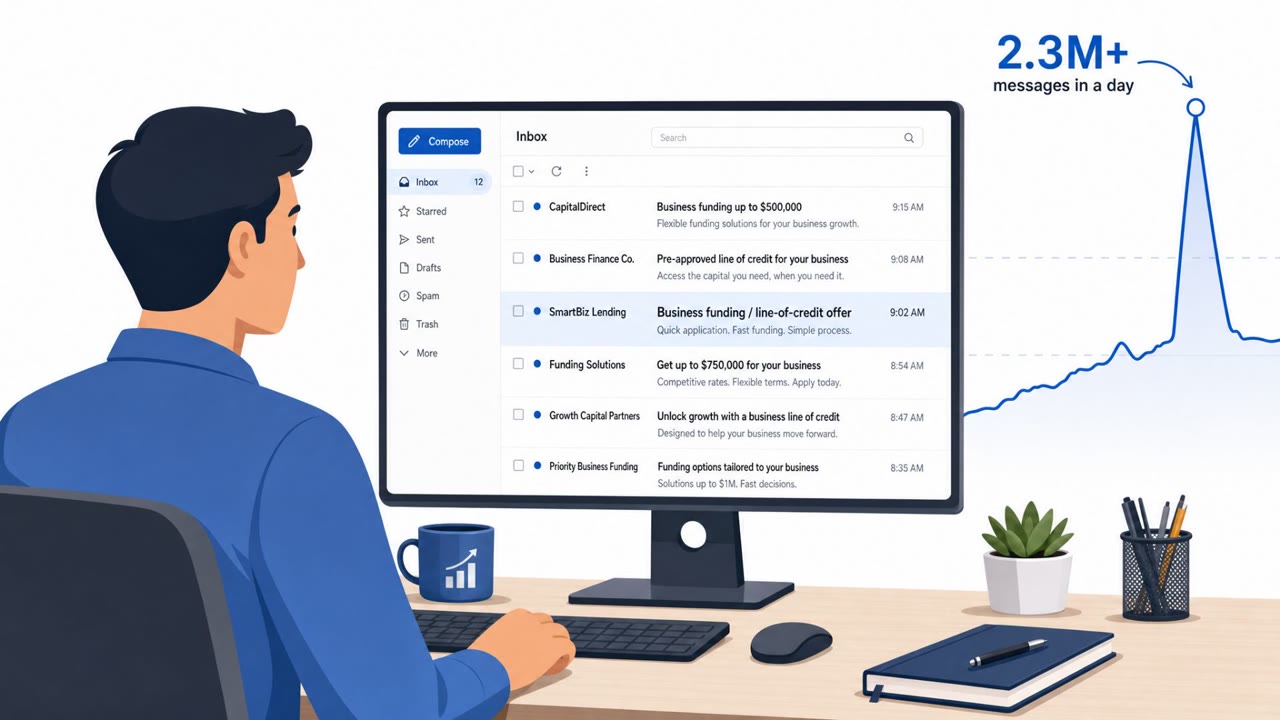
Invisible Unicode Used to Evade Finance Phishing Filters

Invisible Unicode Used to Evade Finance Phishing Filters

Microsoft researchers reported a real, high-volume phishing campaign that used invisible Unicode “tag” characters to break up finance-related lure words (like “funding”) so email filters wouldn’t detect them. The emails looked normal to recipients but contained hidden characters in the underlying…

September 3, 2026
Try Mirage

Mirage simulates attacks like these against your own team, live and safely, so you can measure how your people actually respond.

Get a demo