Recent Financial Services Cyber Attacks

Page 12 of 13
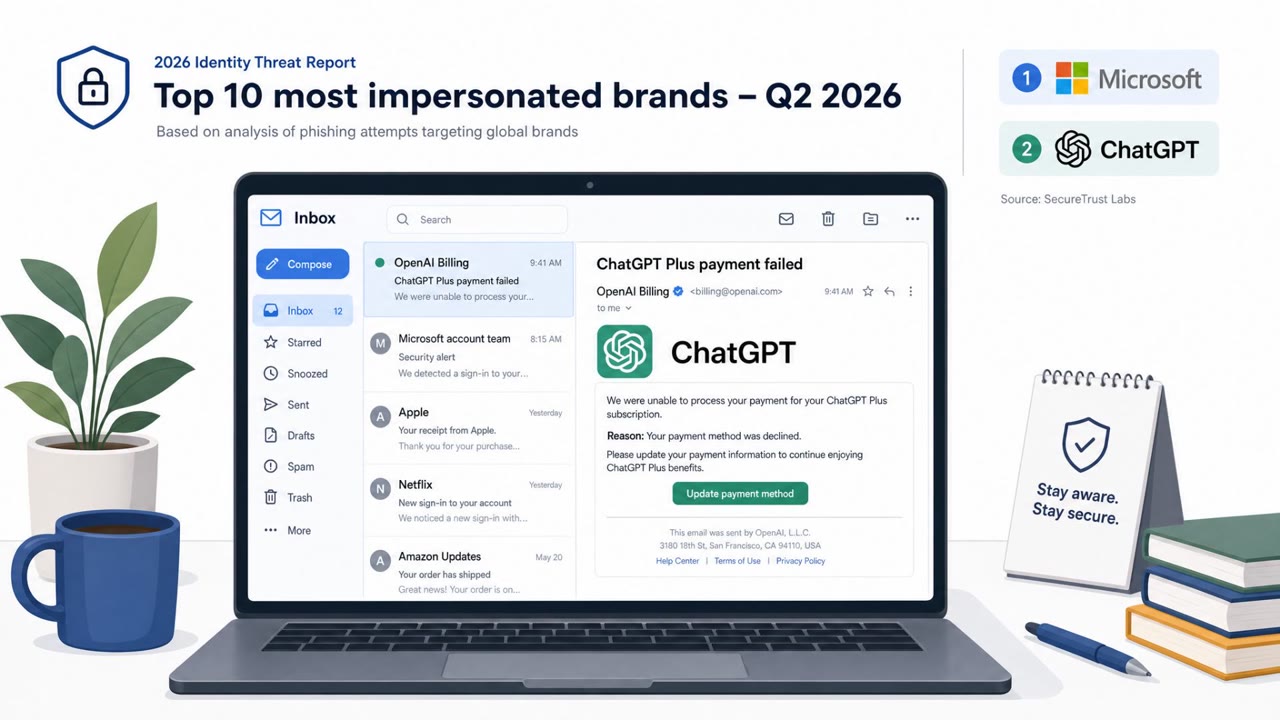
Fake ChatGPT Billing Emails Steal Card Details

Fake ChatGPT Billing Emails Steal Card Details

Check Point reports that OpenAI’s ChatGPT became a top-10 most impersonated brand in Q2 2026 phishing. One observed example used a fake “ChatGPT Plus payment failed” billing email to drive victims to a credit-card theft page. The report also notes other brand-impersonation scams using cloned stores…

July 24, 2026
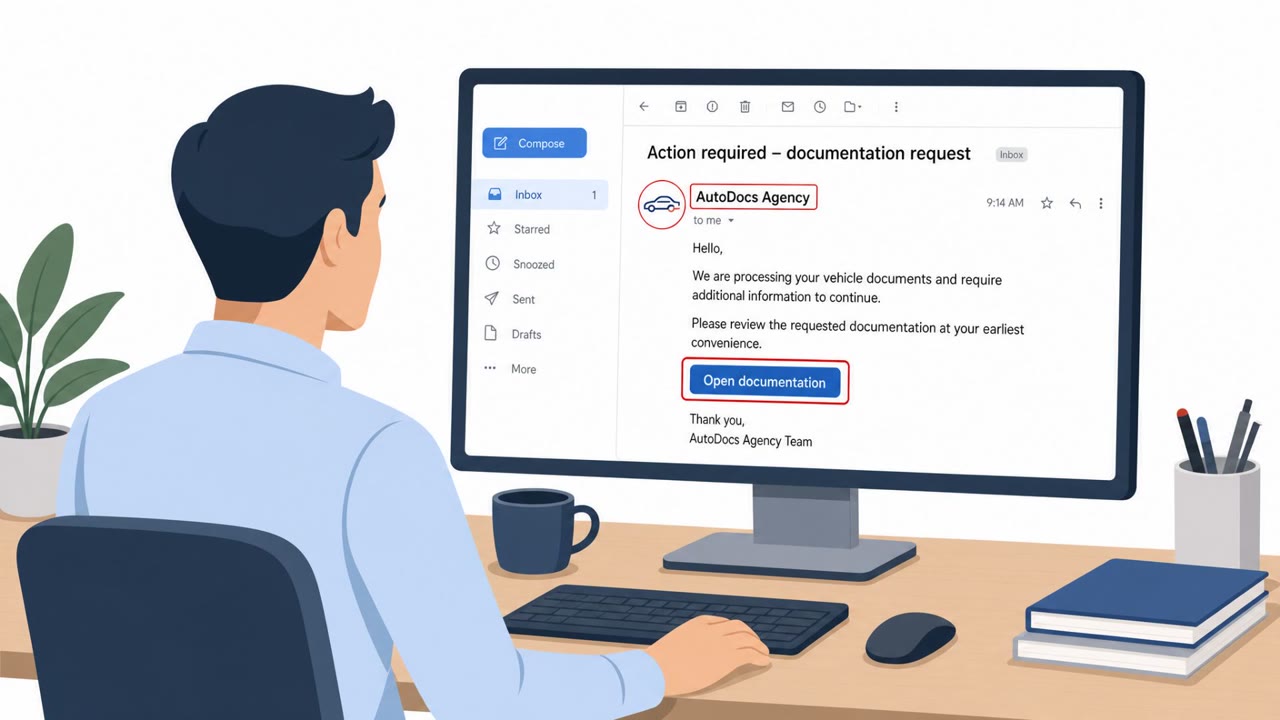
Lampion Phishing Hits Portugal With Fake Brands

Lampion Phishing Hits Portugal With Fake Brands

Researchers report that the Lampion banking Trojan is spreading in Portugal through phishing emails that impersonate legitimate private-sector entities. Victims who follow the lure end up with a credential-stealing remote-access tool (RAT) that can overlay fake login screens on banking sites to…

July 24, 2026
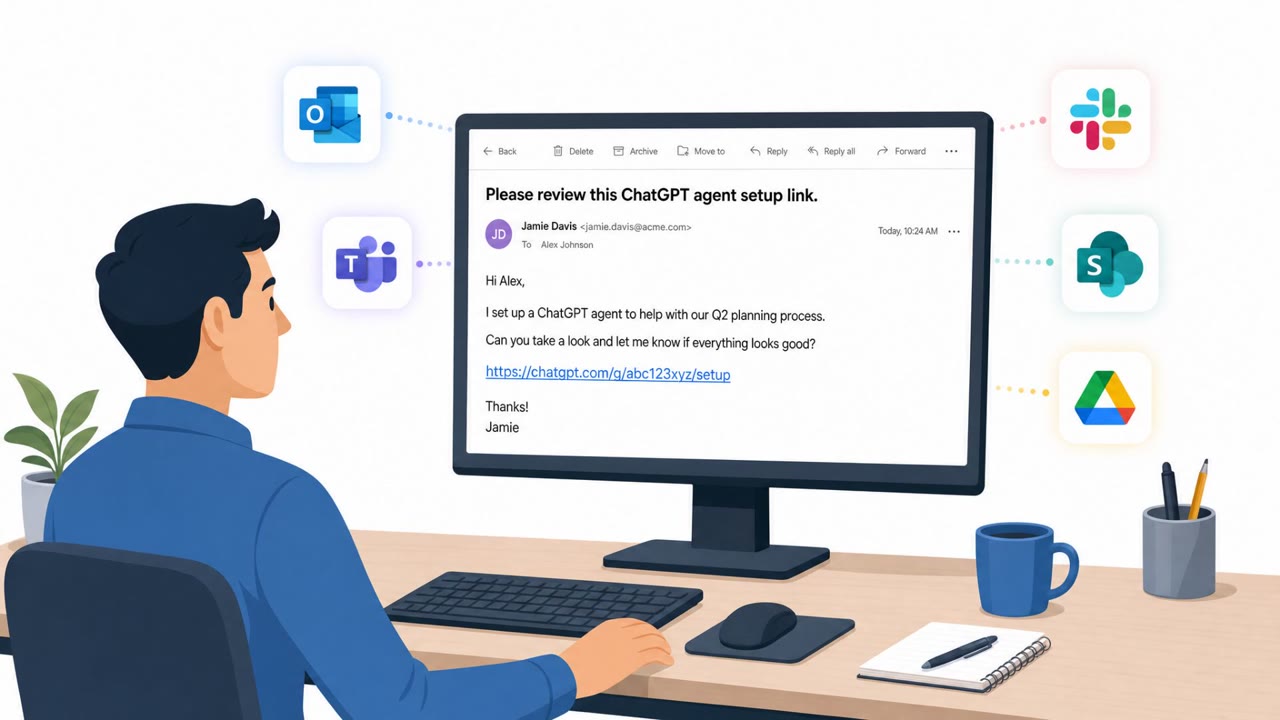
AgentForger Turns AI Agents Into Insider Threats

AgentForger Turns AI Agents Into Insider Threats

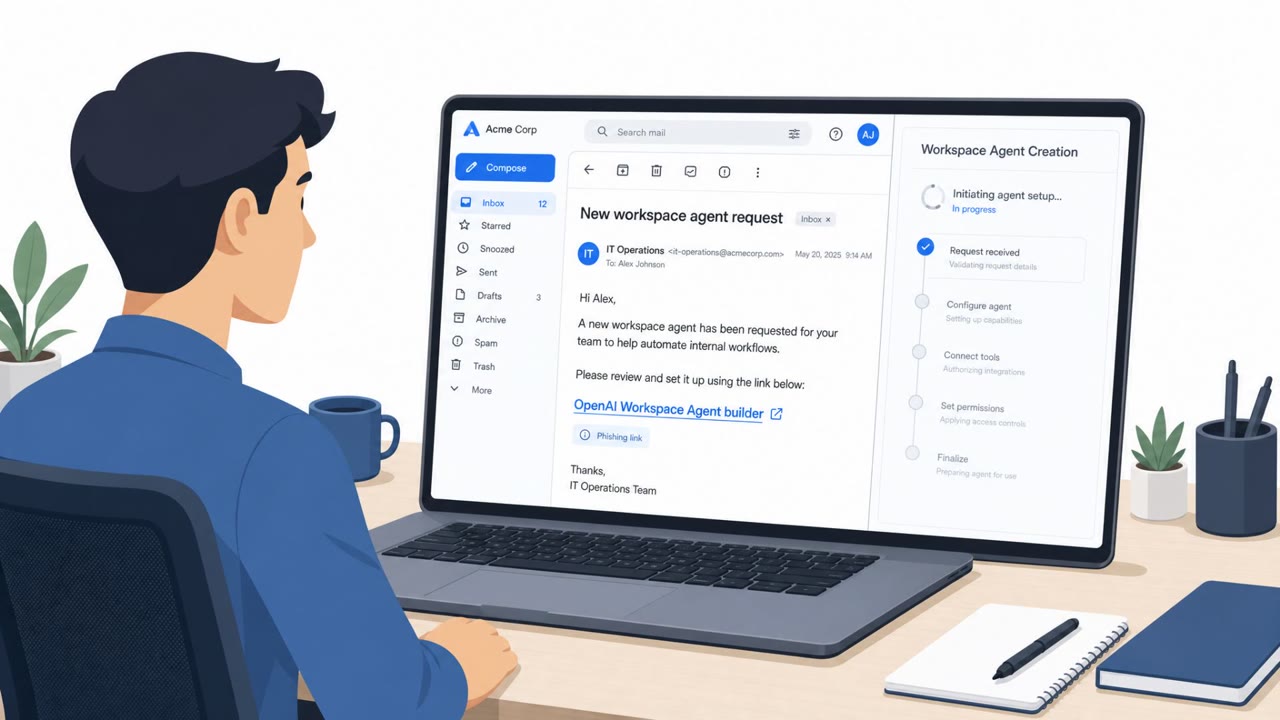
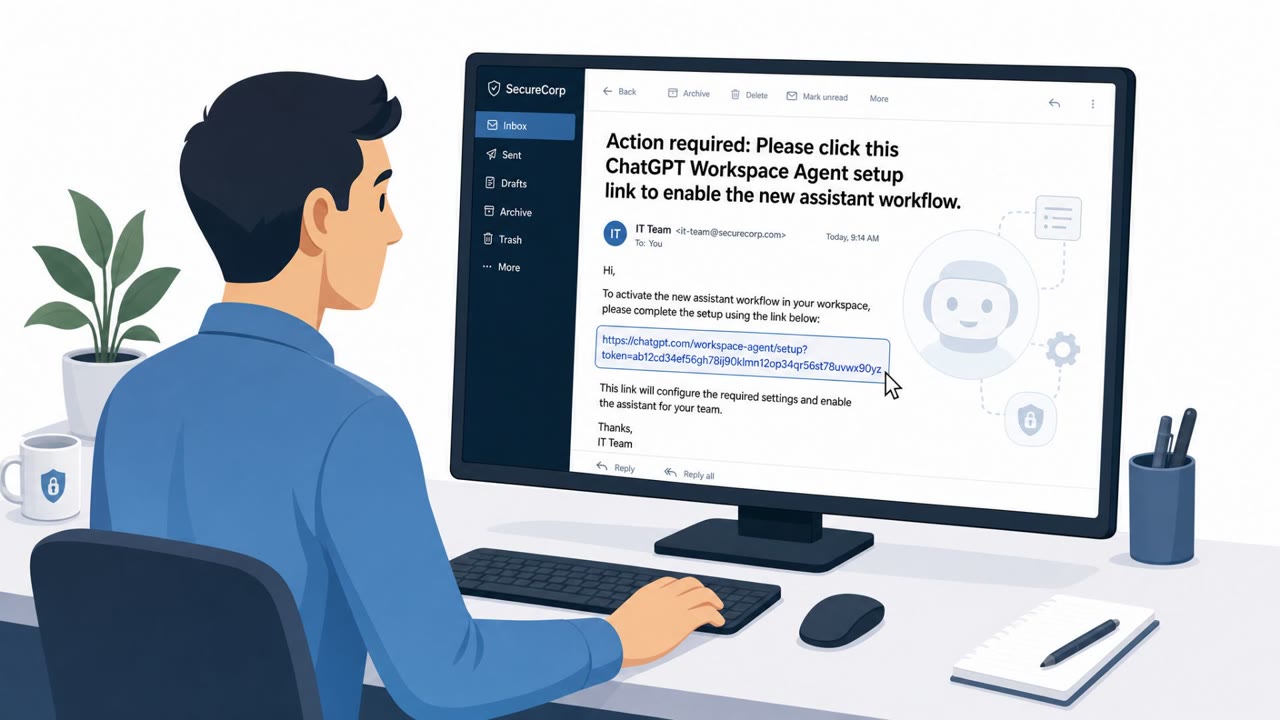
Zenity Labs described a real phishing-based technique (“AgentForger”) that could silently create an autonomous AI agent inside an OpenAI workspace after a single click. The planted agent can keep running on a schedule, read and act across connected tools like Outlook/Slack/Drive, and execute new…

July 24, 2026
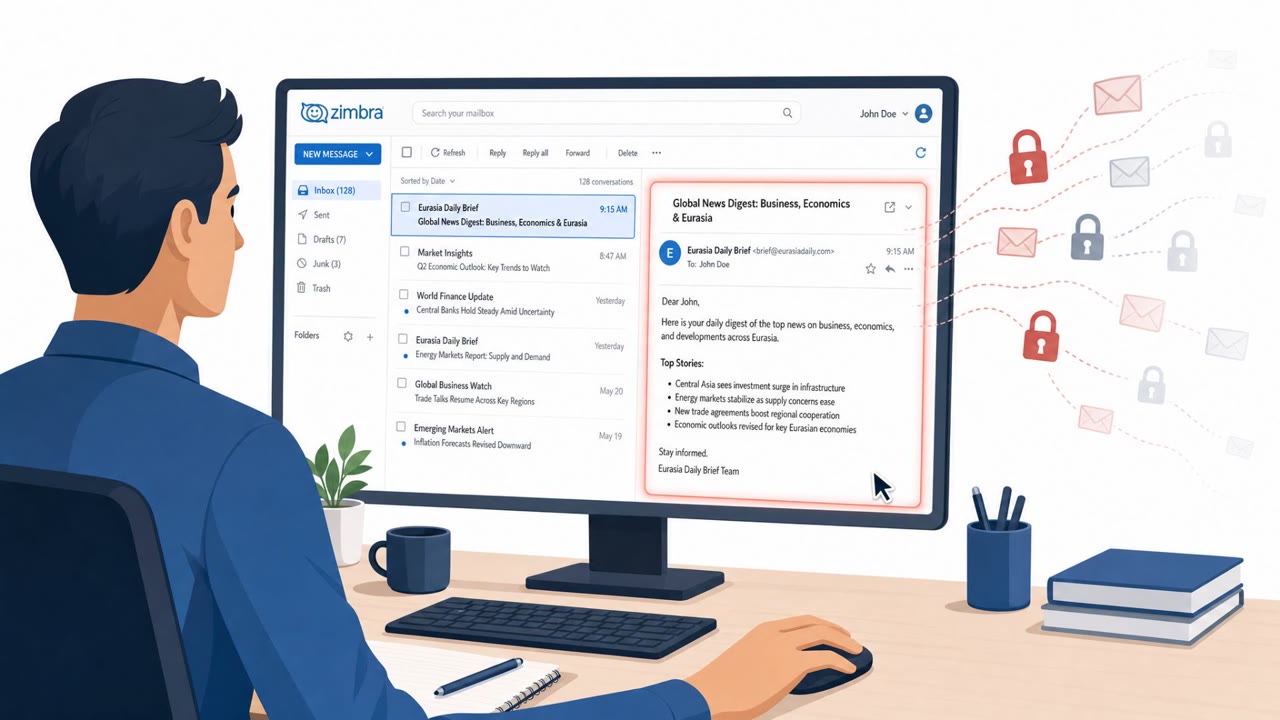
Zero-Click Emails Hit Zimbra Users in Espionage Push

Zero-Click Emails Hit Zimbra Users in Espionage Push

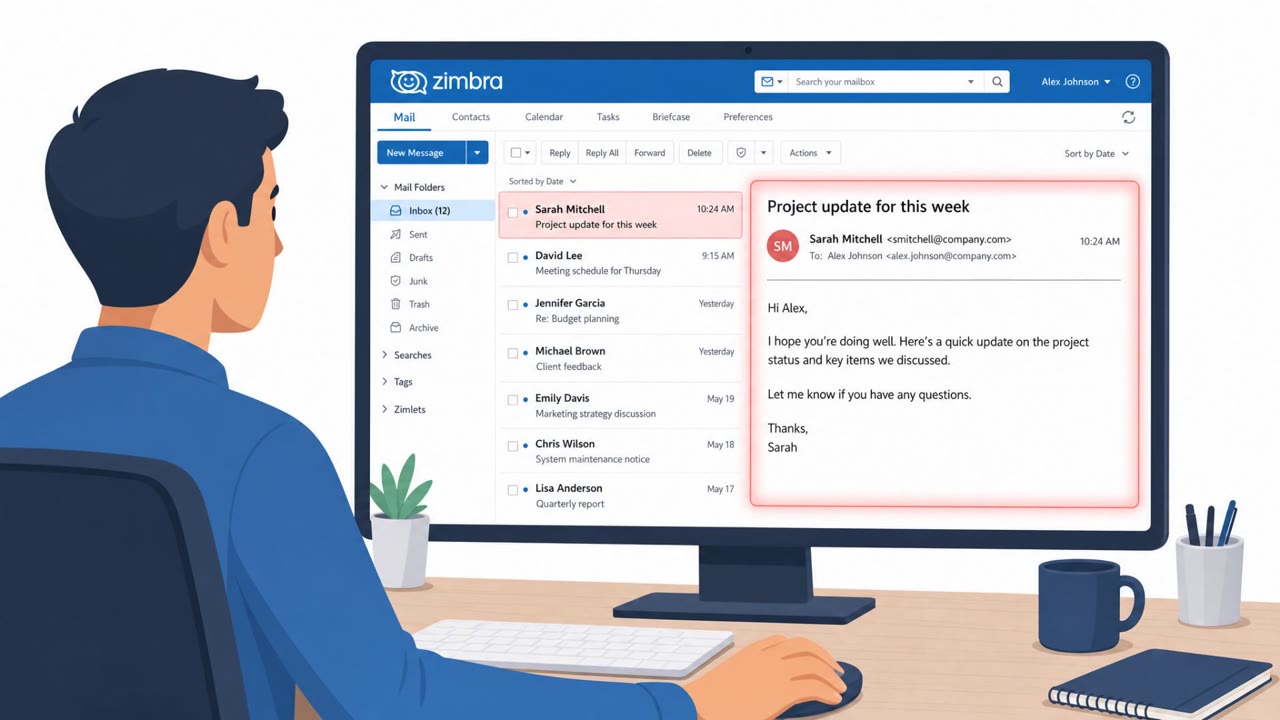
Government agencies and security firms warn that Russia-aligned hackers are using “zero-click” phishing emails to compromise organizations using Zimbra webmail. The attack hides a malicious JavaScript payload inside an email so it runs when the message is opened, aiming to steal recent email,…

July 23, 2026
Fake Claude App and Alert Apps Drive New Scams

Fake Claude App and Alert Apps Drive New Scams

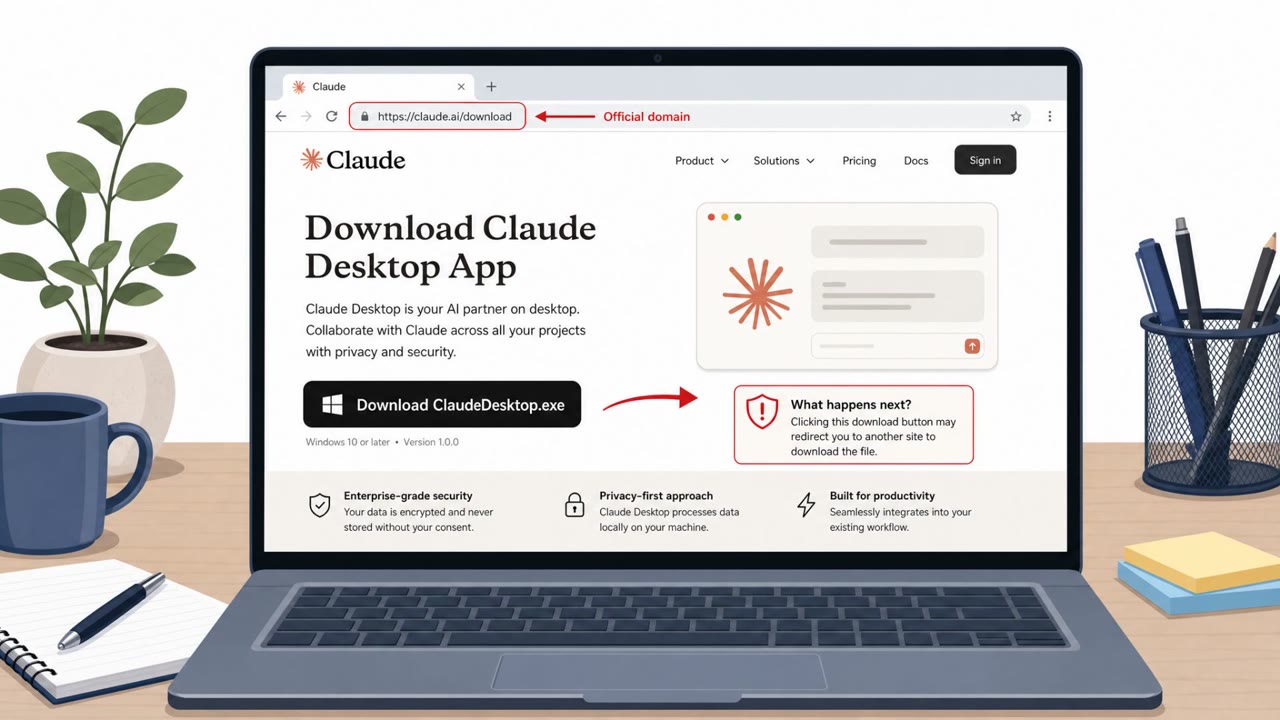
This roundup describes multiple real-world campaigns where attackers trick people into installing malicious software that looks legitimate (a fake Claude desktop app, a fake emergency alert app, and banking-malware phishing). The common pattern is “looks normal, feels urgent,” leading users to…

July 23, 2026
One-Click Phish Could Spawn a Hidden AI Insider

One-Click Phish Could Spawn a Hidden AI Insider

Researchers disclosed a flaw in OpenAI ChatGPT Workspace Agents that could let an attacker trick an employee into creating an invisible, attacker-controlled “autonomous agent” inside the company. The attack depends on a phishing message that gets a logged-in user to click a weaponized URL, after…

July 23, 2026
Zero-Click Zimbra Webmail Phish Hits NATO Sectors

Zero-Click Zimbra Webmail Phish Hits NATO Sectors

Researchers at Unit 42 reported a real espionage campaign targeting organizations using Zimbra webmail, including government, defense, transportation and financial sectors. The attackers sent “zero-click” phishing emails disguised as news headlines, where opening/viewing the message could trigger a…

July 23, 2026
Phishing Link Plants a Rogue ChatGPT “Insider”

Phishing Link Plants a Rogue ChatGPT “Insider”

Researchers say a one-click phishing link could trick ChatGPT into creating a malicious AI “agent” inside a company’s ChatGPT workspace. The agent could act using the employee’s existing access (Outlook, Teams, Slack, Google Drive, etc.), run on a schedule, and take instructions from attacker…

July 23, 2026
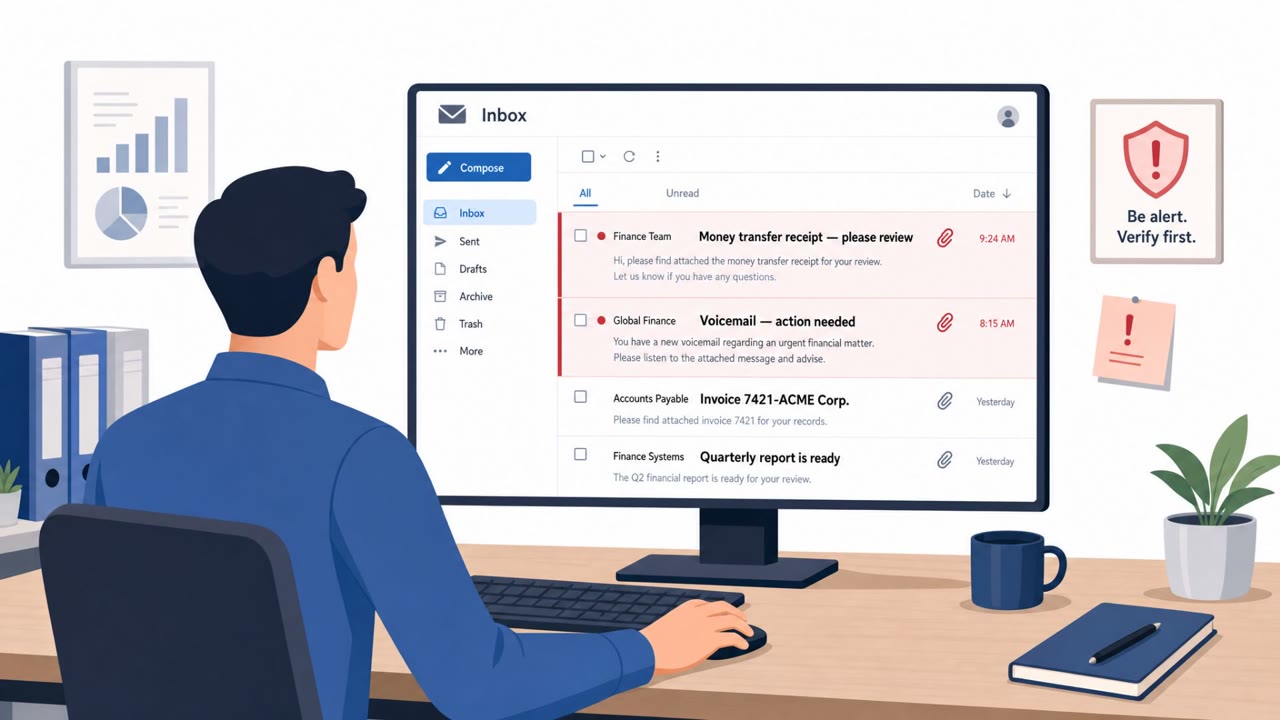
Finance Phishing Lures Feed Telegram Data Leaks

Finance Phishing Lures Feed Telegram Data Leaks

A June 2026 financial-sector threat report describes real phishing emails that used business-looking themes (e.g., money transfers, receipts, voicemail) to push victims to malicious links or HTML attachments that mimic login pages. The report also highlights cases where stolen account information…

July 22, 2026
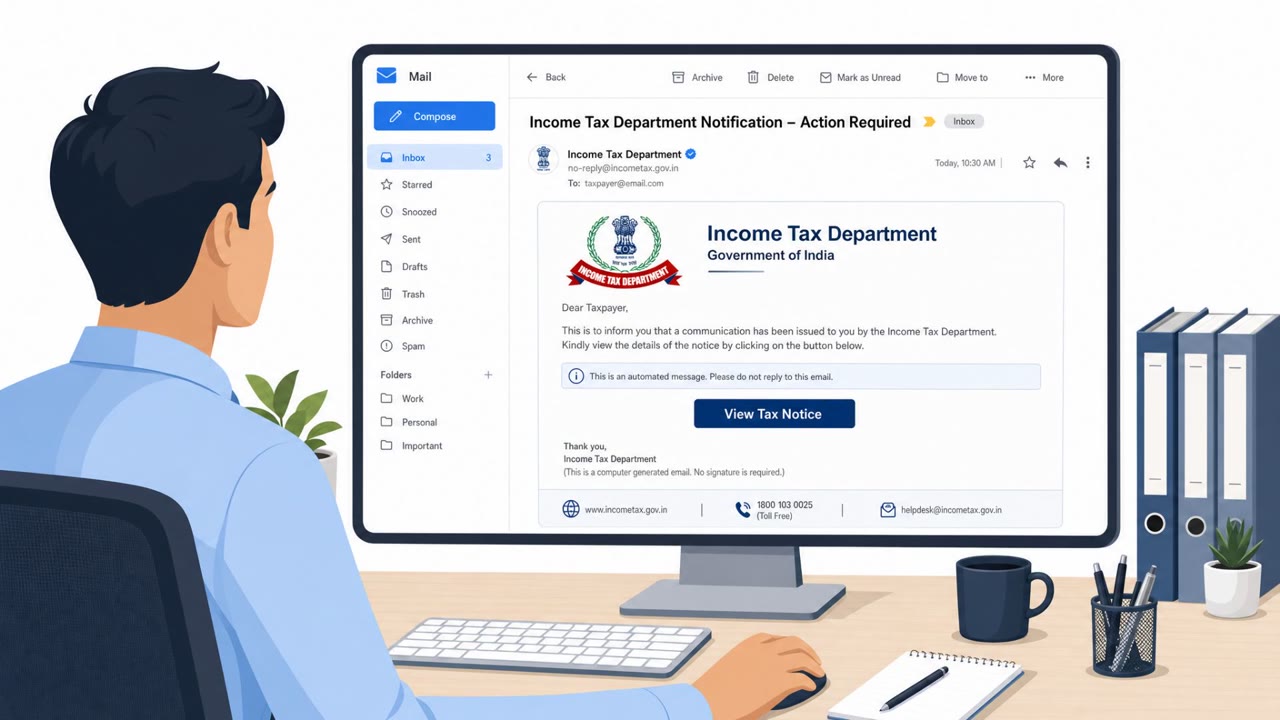
Govt-Themed Phishing Spreads Cruciferra Malware

Govt-Themed Phishing Spreads Cruciferra Malware

Proofpoint observed real phishing campaigns using government-themed lures to trick people into downloading ZIP files that install malware. The campaigns used a “crypter” service called Cruciferra to help common remote-access and data-stealing malware evade detection. Financial services, healthcare,…

July 21, 2026
Fake FBI ‘IC3 Help’ Scams Hit Victims Twice

Fake FBI ‘IC3 Help’ Scams Hit Victims Twice

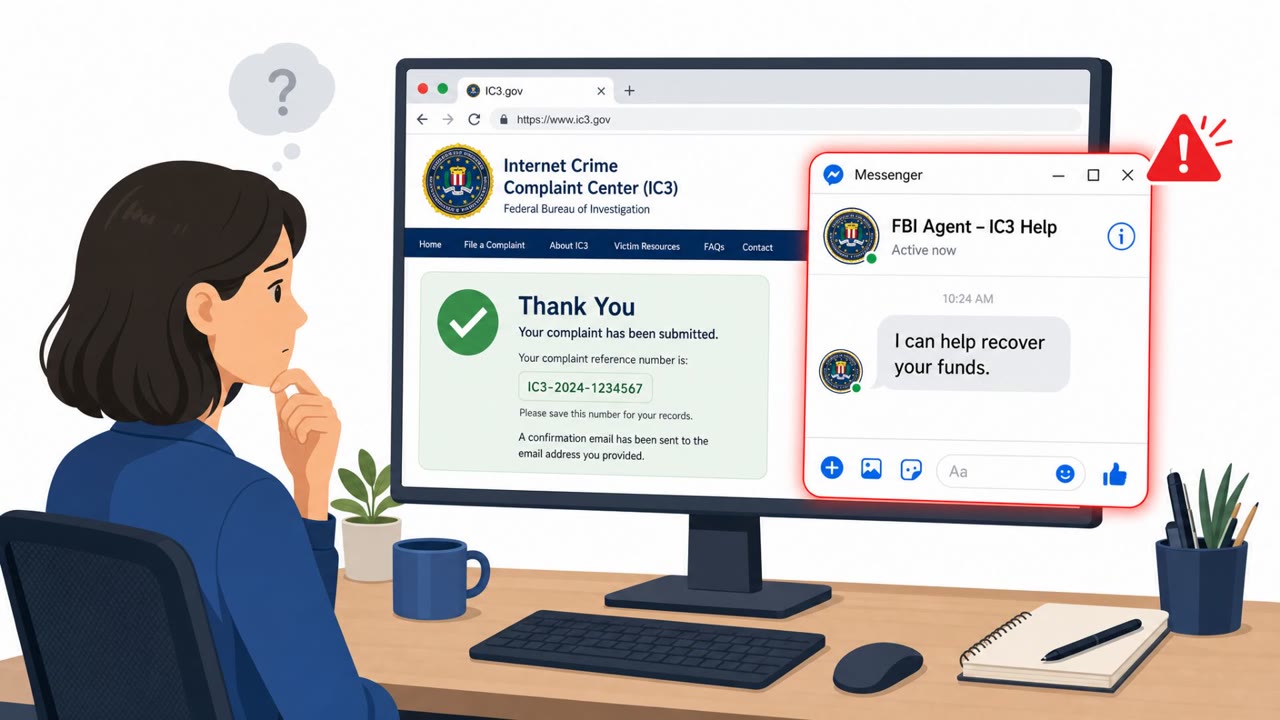
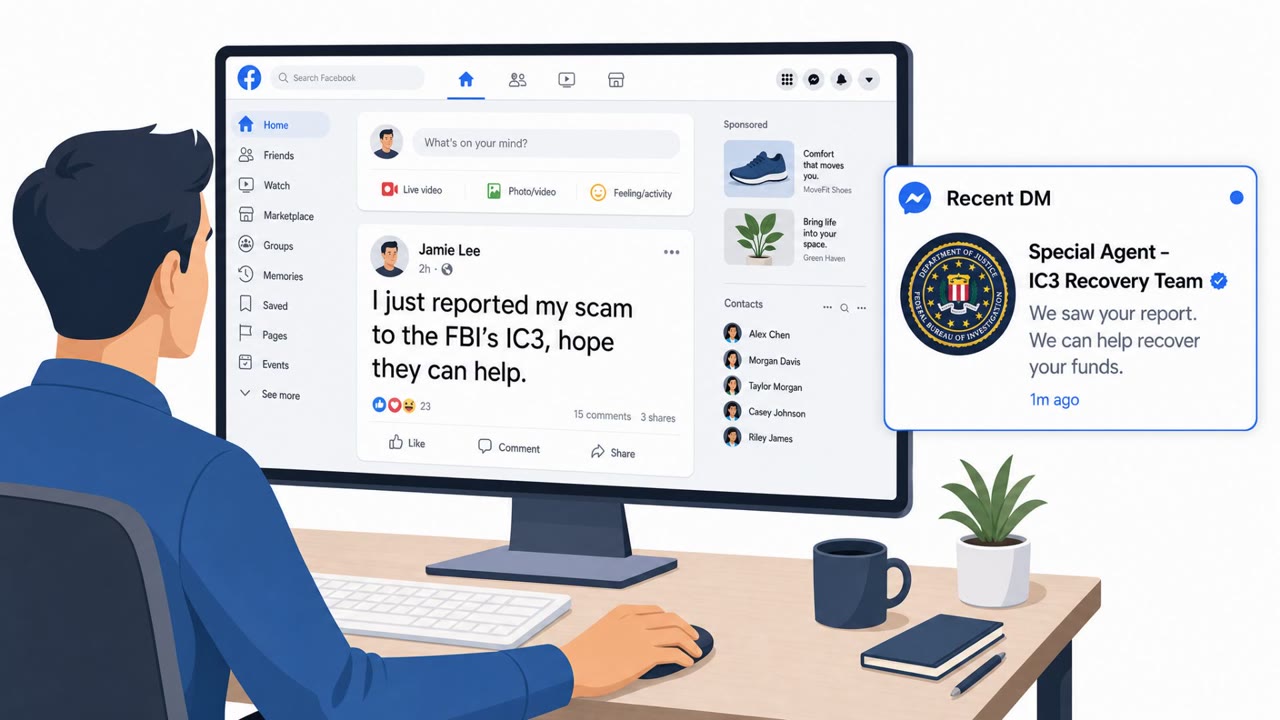
The FBI warns scammers are impersonating FBI/IC3 staff and re-targeting people who already lost money to fraud. The scammers use emails, phone calls, social media messages, and even AI-generated videos to push victims to spoofed IC3 websites or to hand over more personal and financial information,…

July 21, 2026
Fake “FBI Agents” Target Scam Victims in DMs

Fake “FBI Agents” Target Scam Victims in DMs

The FBI’s IC3 warns that scammers are impersonating FBI/IC3 staff on social media and messaging apps, especially targeting people who have already been scammed. The criminals use convincing branding (logos, fake reviews) and may even use AI-generated deepfake videos to pressure victims into…

July 21, 2026
Fake Web3 Job Interviews Push “ClickFix” Malware

Fake Web3 Job Interviews Push “ClickFix” Malware

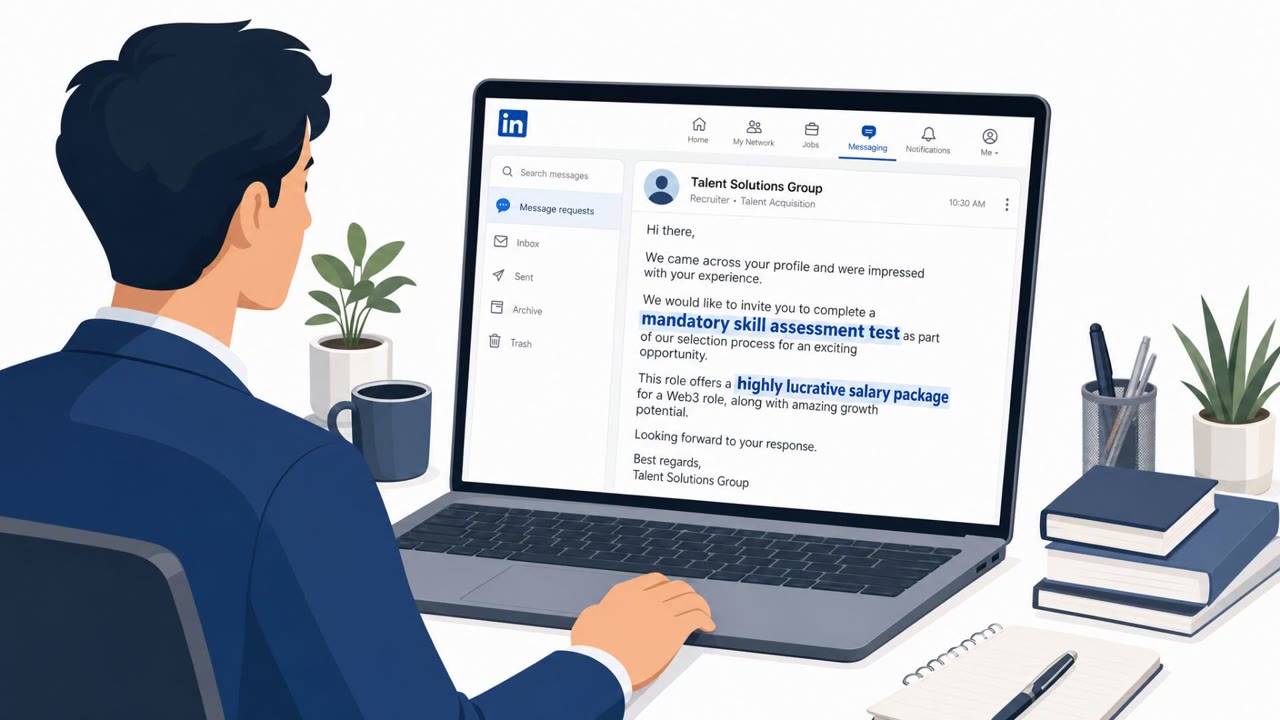
Researchers say a North Korea-aligned group is targeting Web3 and crypto professionals with fake recruiter outreach and “mandatory” online skill tests. During the test, victims are tricked into copying a terminal command to “fix” a camera/mic error, which installs remote-access malware and can lead…

July 21, 2026
Fake Dev Alias Got Into MetaMask Codebase

Fake Dev Alias Got Into MetaMask Codebase

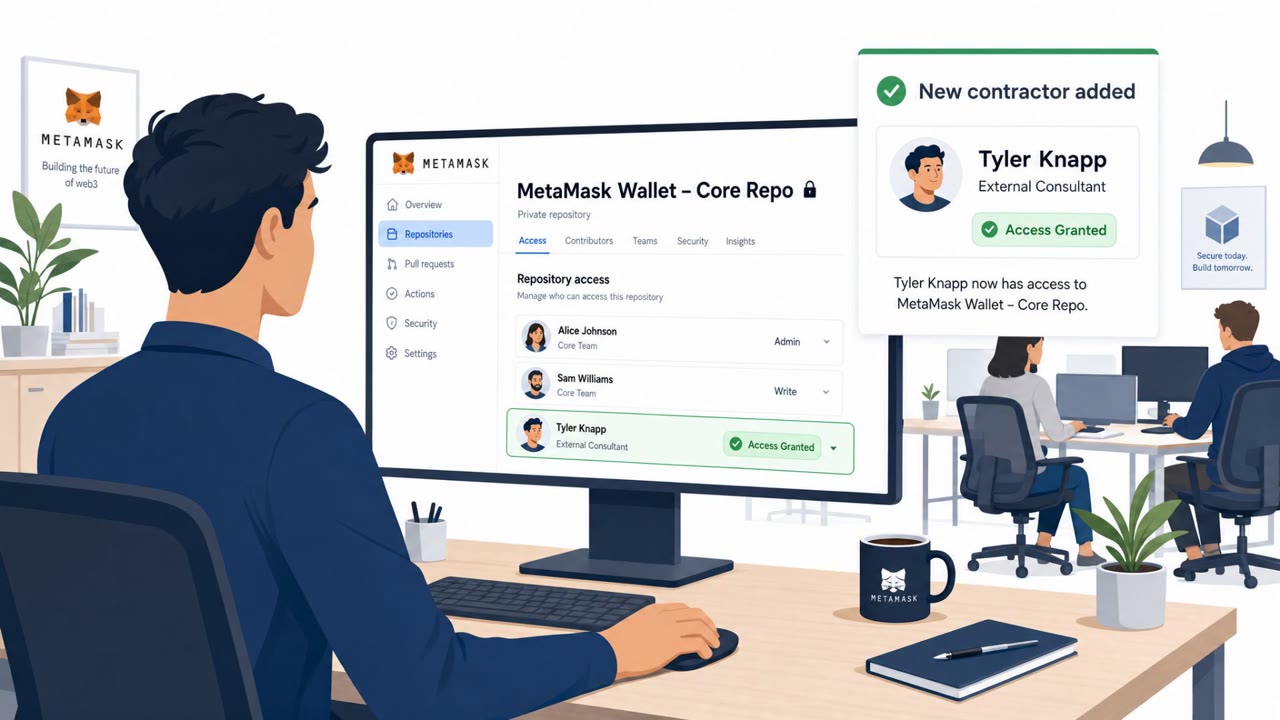
A suspected North Korean IT worker allegedly got hired by Consensys (MetaMask’s parent) using an alias and contributed to MetaMask’s core wallet code for about a month. The person was later removed, and Consensys says an investigation found no stolen assets, no data theft, and no malicious code…

July 20, 2026
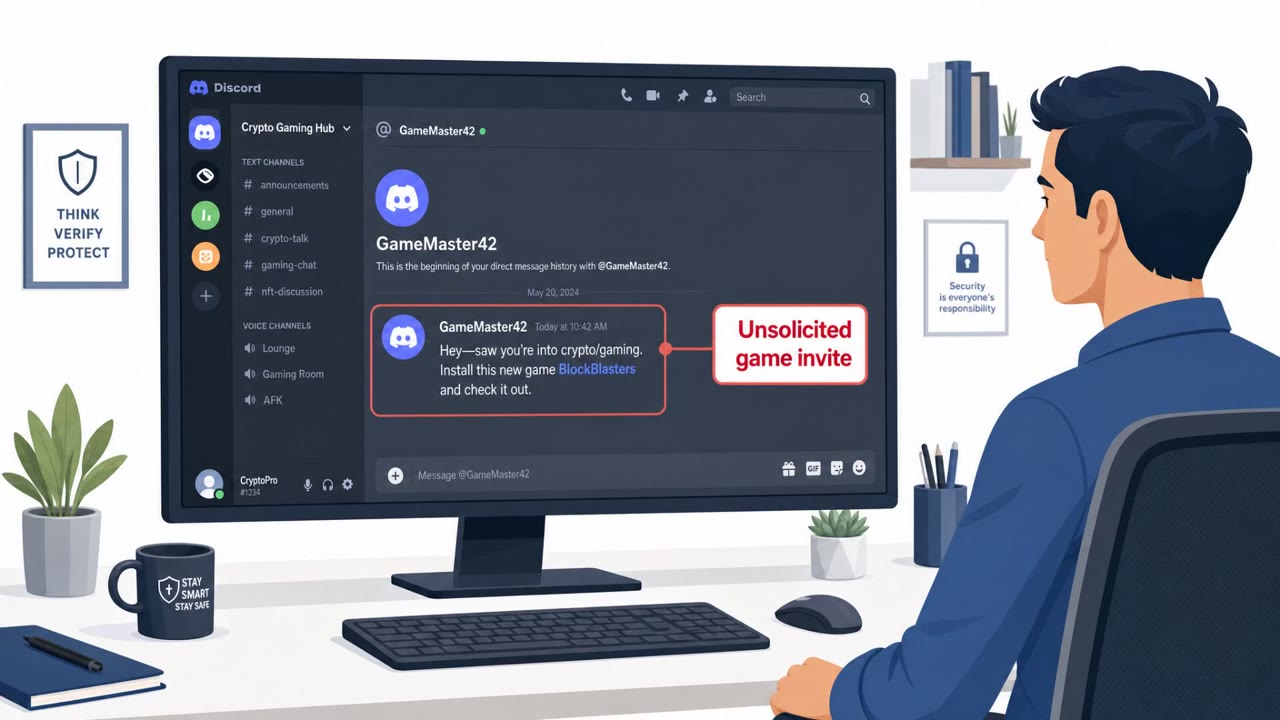
Steam Game Lure Led to $220K Crypto Theft

Steam Game Lure Led to $220K Crypto Theft

Federal investigators arrested a Florida man accused of helping push malware disguised as video games, which infected about 8,000 devices and enabled theft from cryptocurrency wallets. The games were promoted through social platforms and direct messages aimed at people believed to hold significant…

July 20, 2026
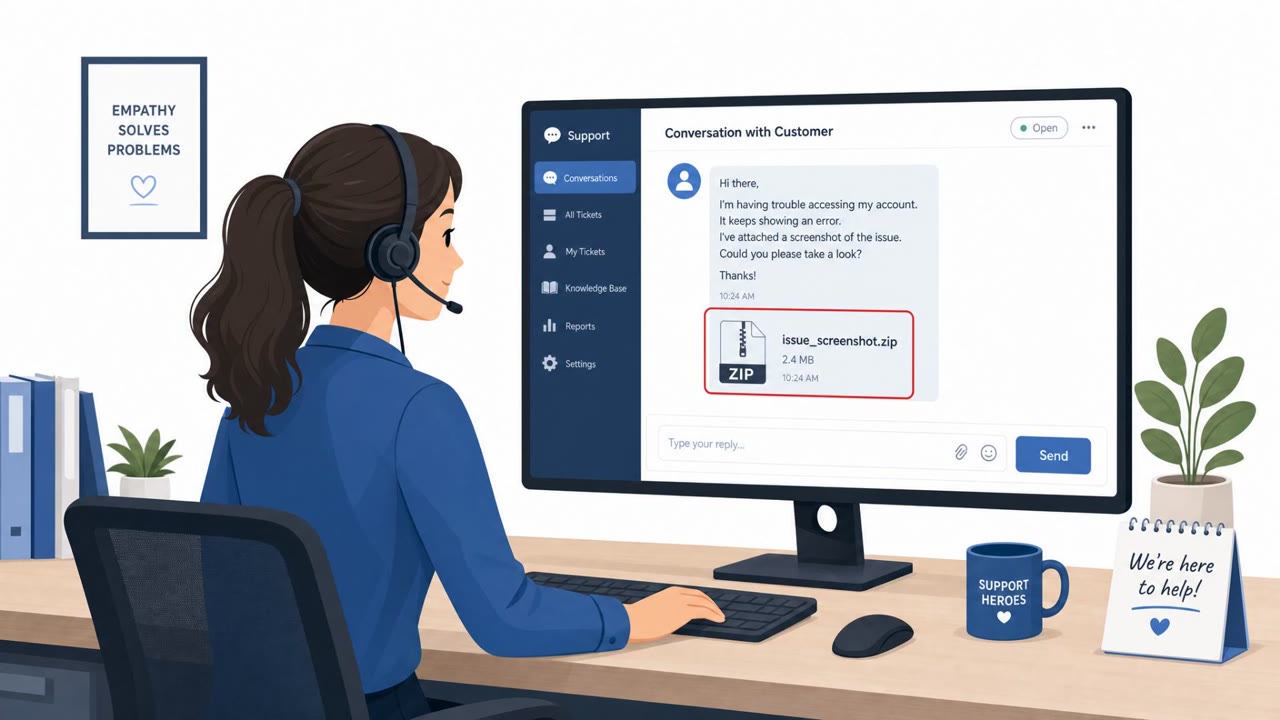
Fake Screenshot ZIP Led to DigiCert Cert Theft

Fake Screenshot ZIP Led to DigiCert Cert Theft

Researchers linked DigiCert’s April 2026 breach to a GoldenEyeDog sub-group that tricked support staff into running a malicious file delivered through a customer support chat. The attackers then abused DigiCert’s support portal features to intercept EV code-signing certificate “initialization…

July 17, 2026
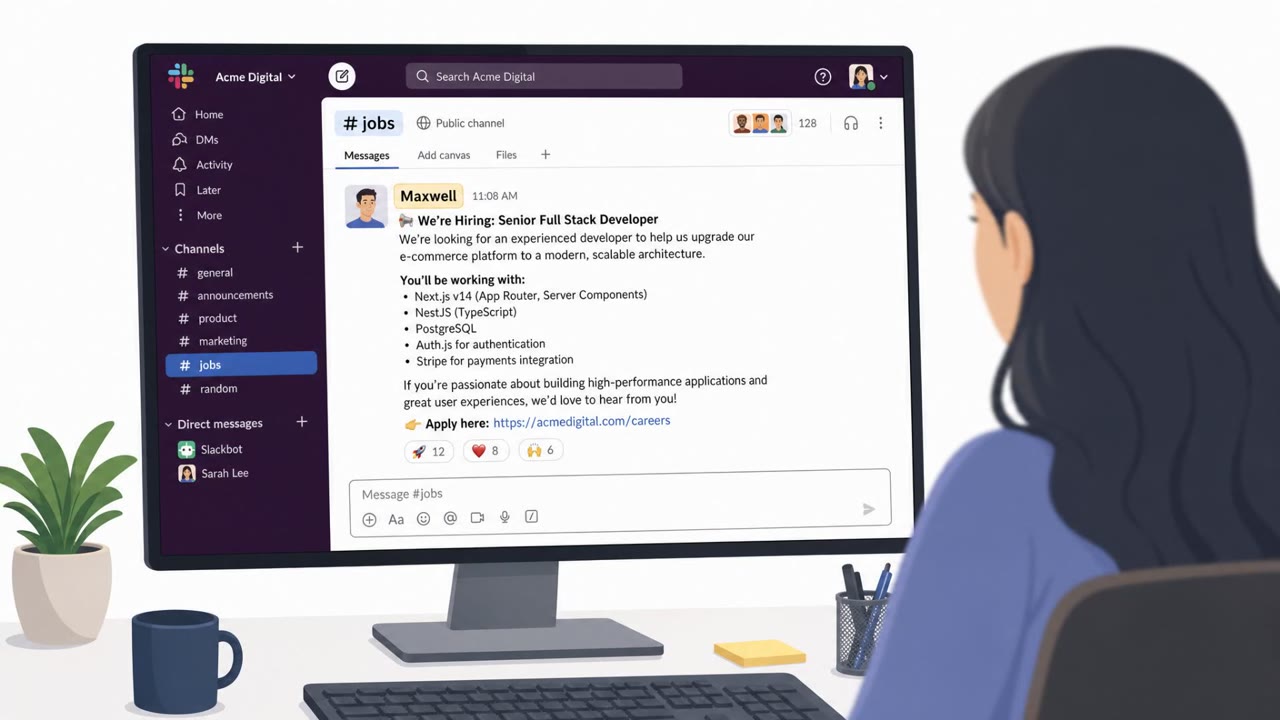
Fake Slack Job Posts Push Trojan Coding Tests

Fake Slack Job Posts Push Trojan Coding Tests

North Korea–linked actors used fake developer job offers inside a Slack community to trick targets into running a “coding assessment” project. The repository looked legitimate but secretly assembled malware hidden in SVG flag images, leading to credential, file, crypto-wallet, and clipboard theft…

July 17, 2026
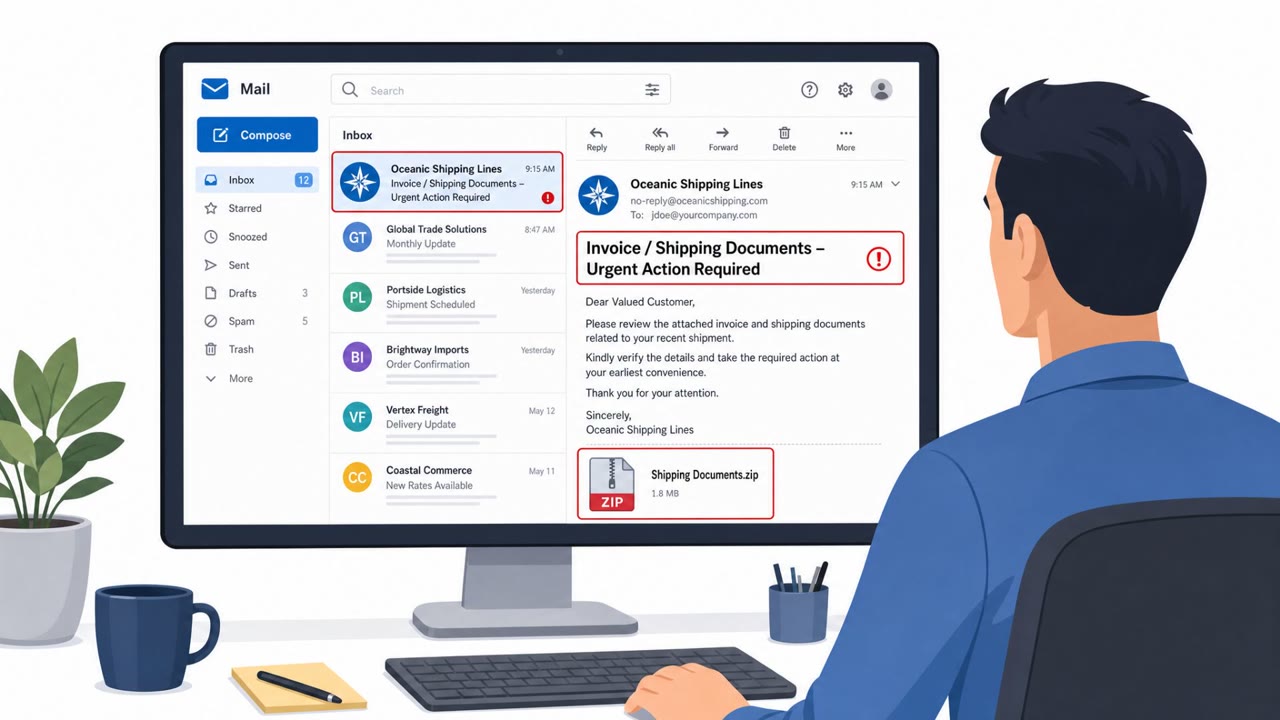
“TTF Trap” Uses Fake Font Files to Drop Malware

“TTF Trap” Uses Fake Font Files to Drop Malware

FortiGuard Labs reports an active phishing operation (“TTF Trap”) where emails posing as invoices, shipping documents, or business proposals deliver an archive that ultimately runs malware on Windows. The trick is a file ending in .ttf (TrueType font) that is actually a malicious script executed by…

July 17, 2026
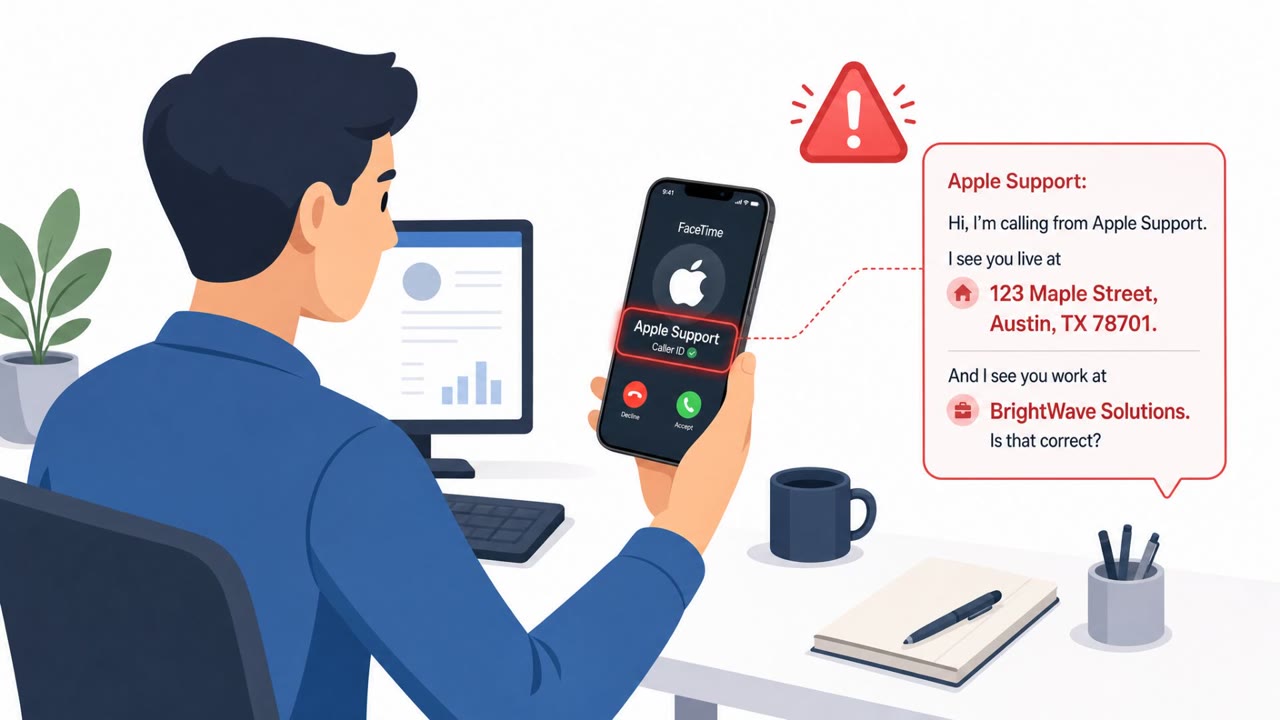
FaceTime Spoof Calls Steal Codes and Money

FaceTime Spoof Calls Steal Codes and Money

Apple warns that scammers are using FaceTime calls, often with spoofed caller ID, to impersonate Apple or banks and pressure people into sharing passwords, security codes, and financial details. The callers use personal information to sound legitimate, then create urgency to keep victims from…

July 17, 2026
AI Vishing Works Because Scripts Persuade

AI Vishing Works Because Scripts Persuade

Researchers tested AI and human voice scam calls and found people comply mainly because the caller’s script is persuasive, not because the voice sounds perfectly human. Even when listeners correctly suspect the voice is synthetic, many still continue the conversation and may hand over sensitive…

July 17, 2026
Try Mirage

Mirage simulates attacks like these against your own team, live and safely, so you can measure how your people actually respond.

Get a demo