Recent Government Cyber Attacks

Page 6 of 13
Iran-Linked Spyware Posed as Apps on WhatsApp

Iran-Linked Spyware Posed as Apps on WhatsApp

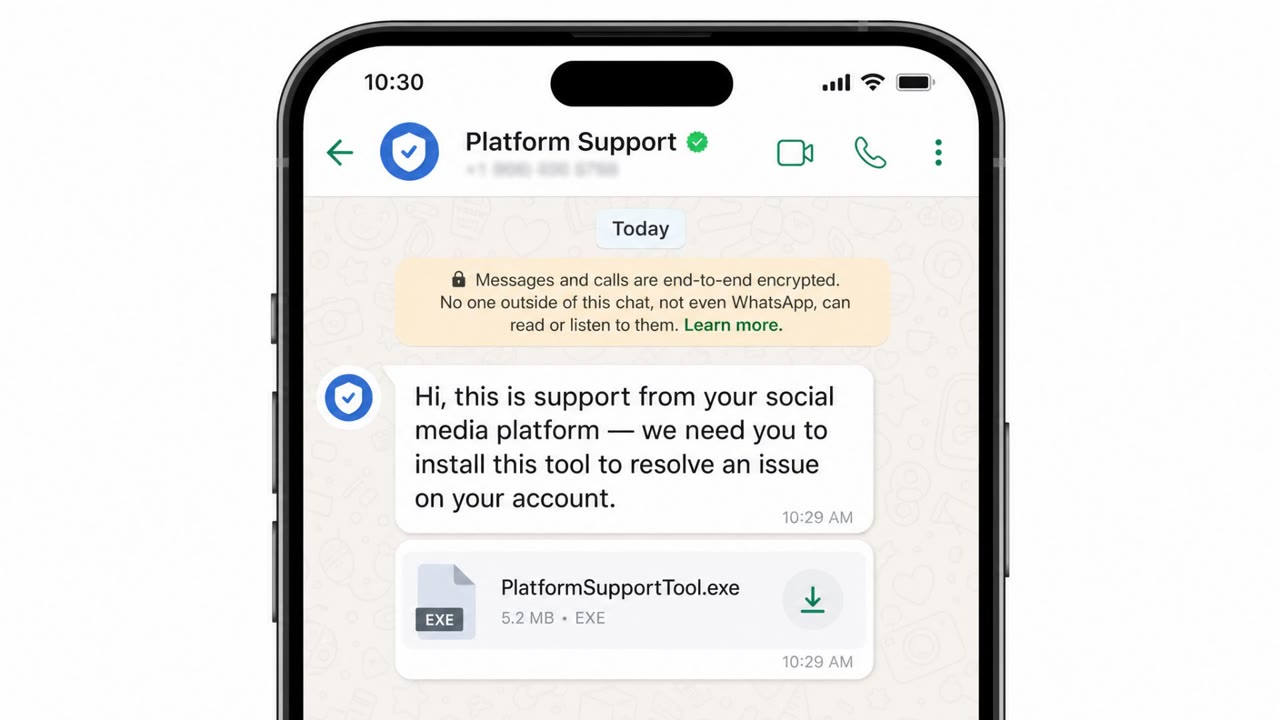
UK, US and Dutch authorities warned that Iran-linked attackers are targeting dissidents, activists, and journalists with Windows spyware. The group builds trust over messaging apps, then tricks victims into downloading malware disguised as legitimate software (or even medical files). The spyware…

September 15, 2026
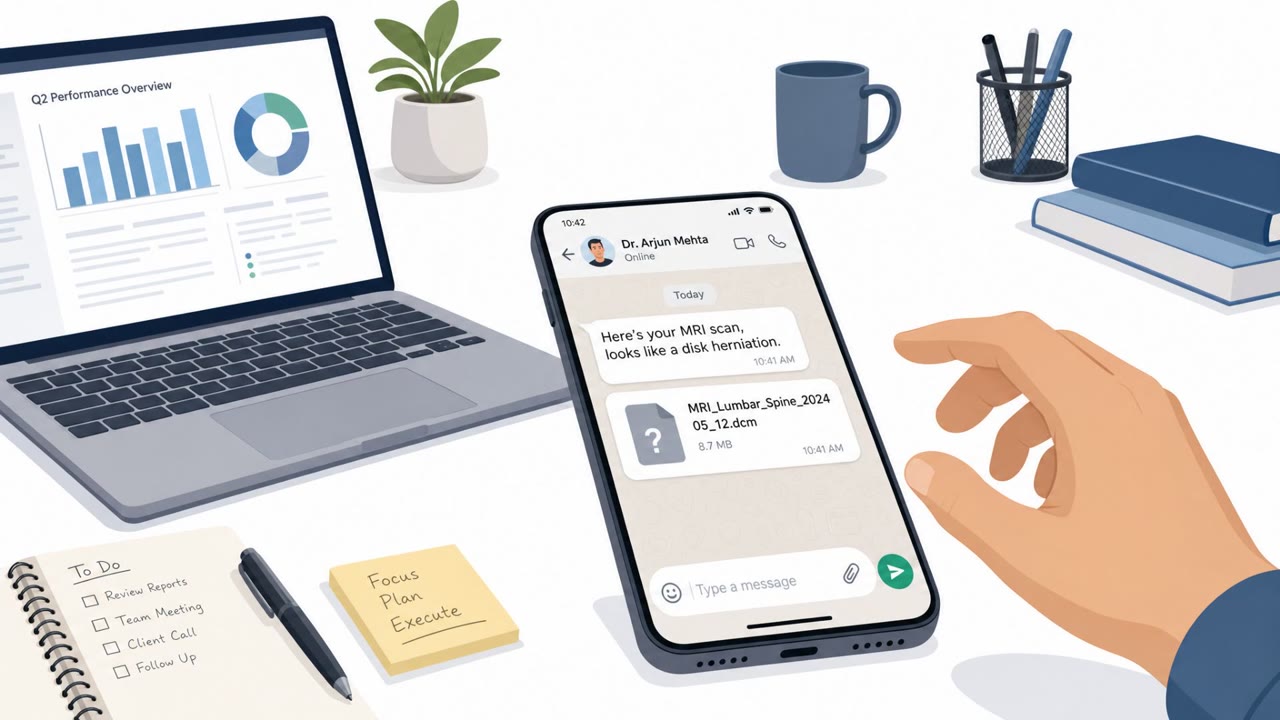
Fake MRI File Used to Deliver Iran Spyware

Fake MRI File Used to Deliver Iran Spyware

UK, US, and Dutch agencies warned that Iran-linked operators used long-running social engineering to build trust with targets (including dissidents, activists, and journalists), then sent malicious files disguised as legitimate documents or software installers. One lure included a fake MRI scan…

September 15, 2026
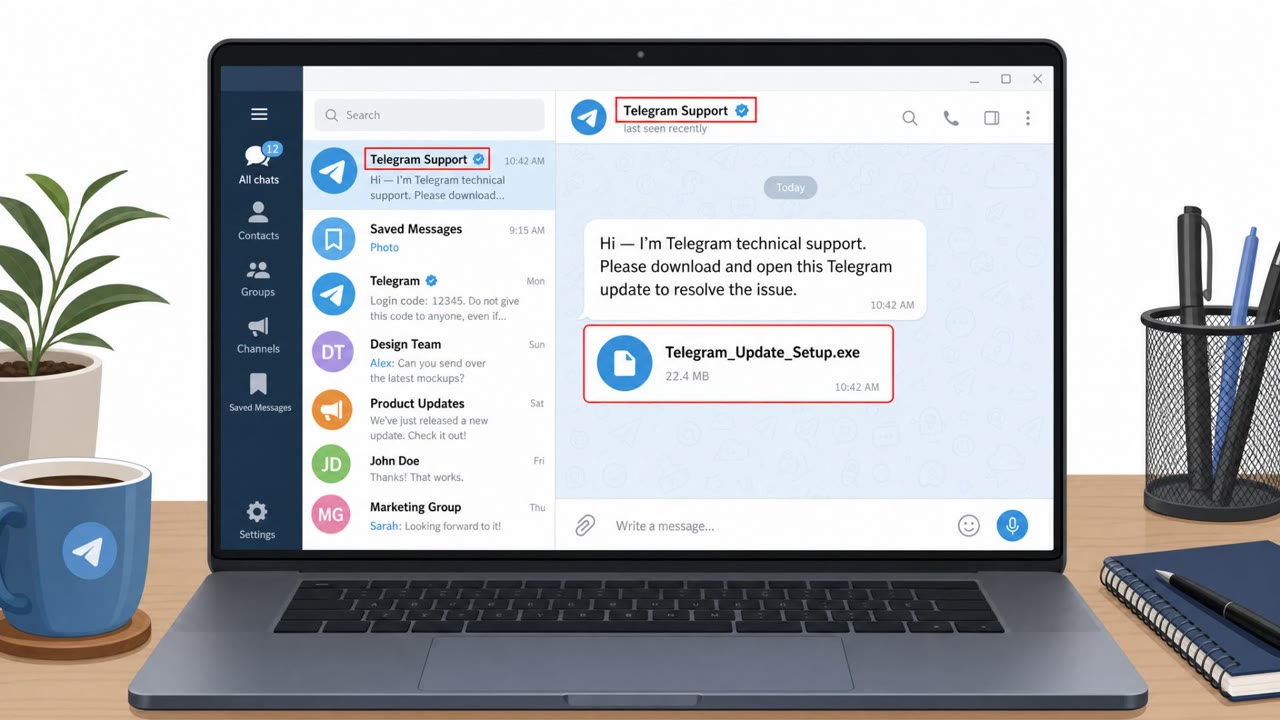
Iranian Actors Lure Targets via Telegram/WhatsApp

Iranian Actors Lure Targets via Telegram/WhatsApp

UK, US, and Dutch authorities reported Iranian state-linked cyber actors using social messaging apps like Telegram and WhatsApp to build trust with dissidents, activists, and journalists. The actors then convince targets to open “legitimate-looking” files (fake apps or documents like MRI results)…

September 15, 2026
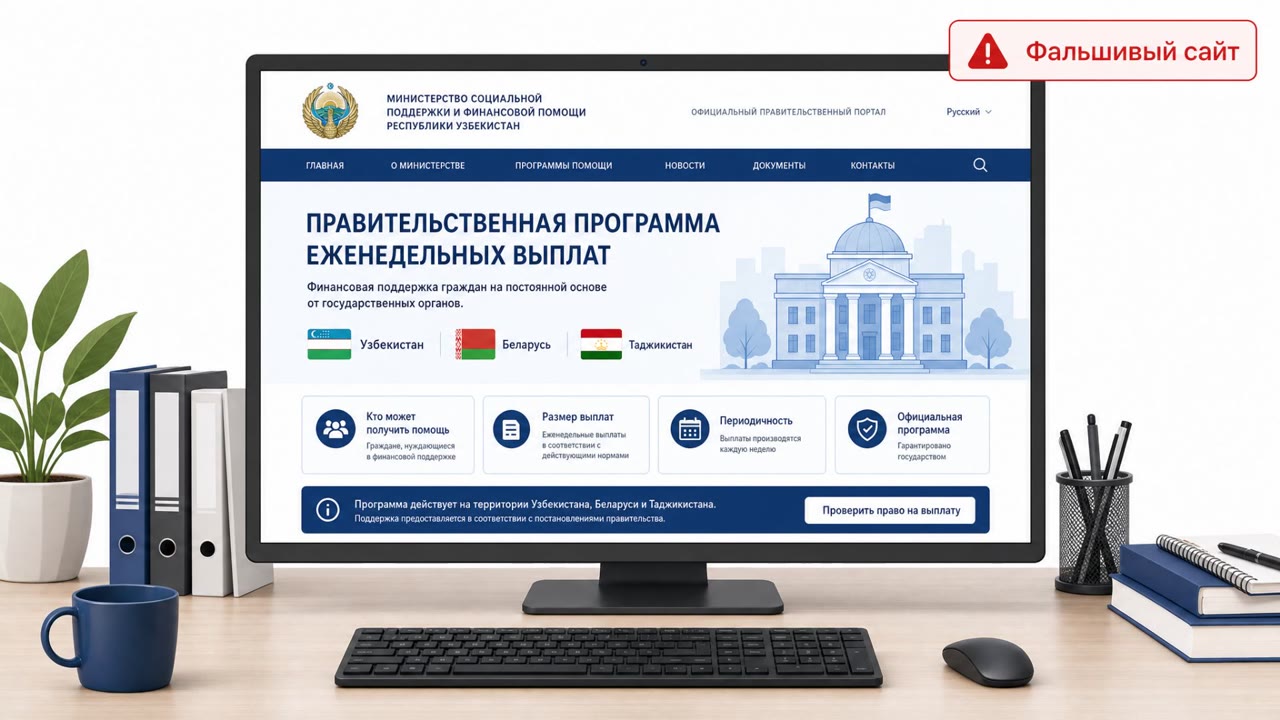
Fake Gov Sites Lure Central Asia Users for Cash

Fake Gov Sites Lure Central Asia Users for Cash

Researchers found a large scam campaign using hundreds of fake government and news websites in Uzbekistan, Belarus, and Tajikistan. The sites lure people with promises of government-backed cash payments or passive income, then collect phone numbers and other personal data for follow-up…

September 14, 2026
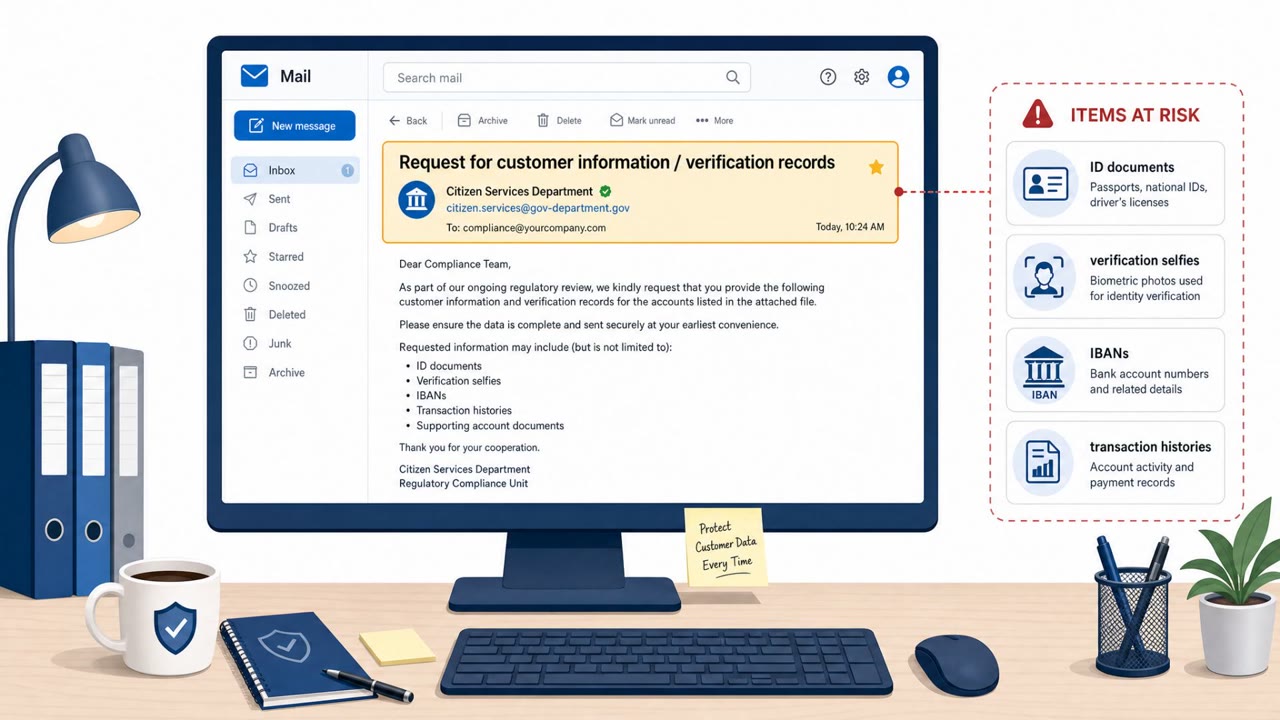
Fraudulent Gov Email and Passkey Lures Hit Orgs

Fraudulent Gov Email and Passkey Lures Hit Orgs

The bulletin describes real-world social engineering where staff were tricked into disclosing sensitive data or access. In one case, Revolut employees responded to fraudulent information requests sent from a real government-domain email account, exposing extensive customer records. Separately,…

September 14, 2026
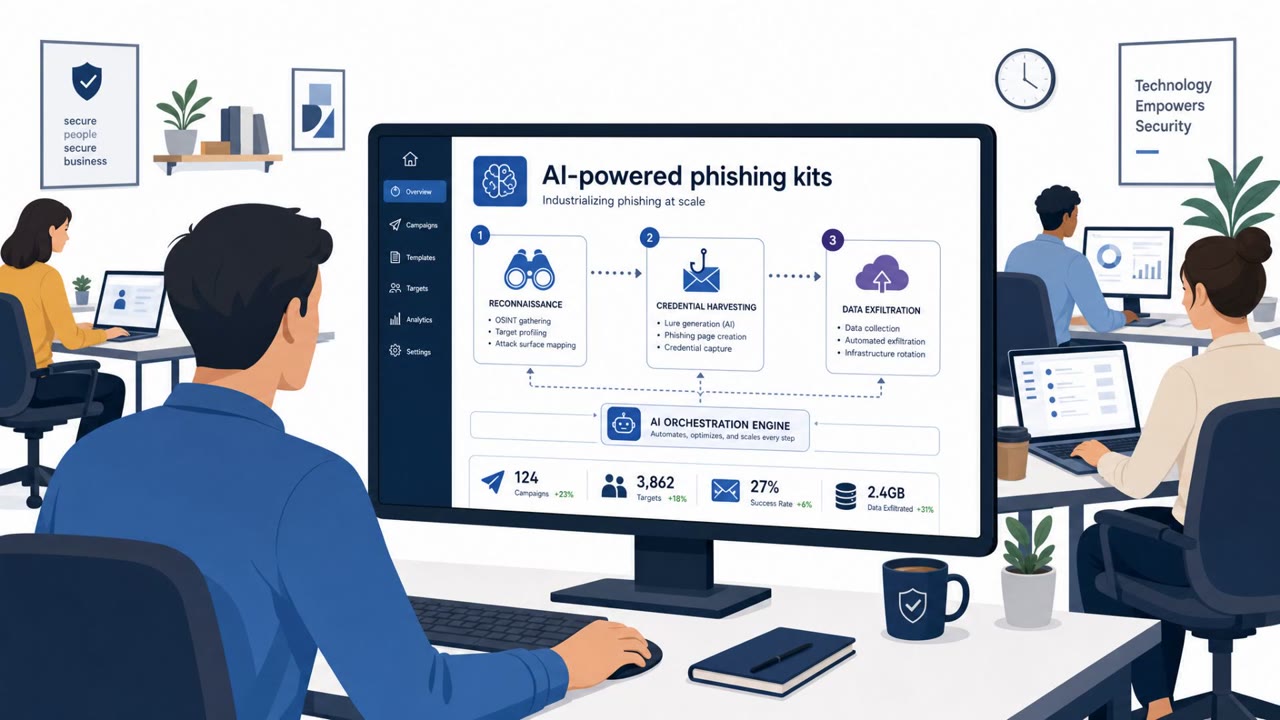
Claude Linked to Real Phishing and Credential Theft

Claude Linked to Real Phishing and Credential Theft

Anthropic reports multiple real-world threat groups used Claude to support cyber operations, including credential harvesting and data theft across many victims. The report includes specific, simulation-ready lures such as a fake ESET NOD32 login portal that sends stolen passwords to Telegram and a…

September 11, 2026
Russian Hackers Used AI to Evolve Phishing & Malware

Russian Hackers Used AI to Evolve Phishing & Malware

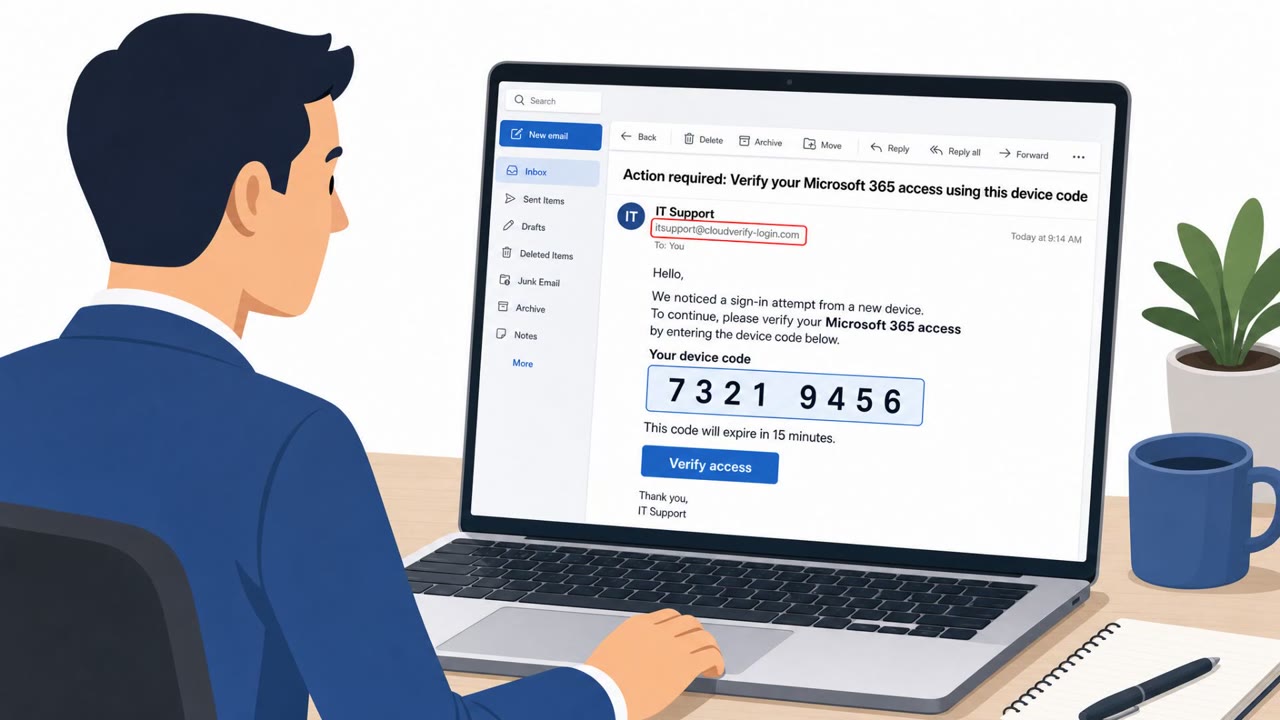
Anthropic says it disrupted a Russian state-linked campaign that used Claude to continuously rebuild malware when security tools detected it. The group (GTG-20006, linked to Midnight Blizzard/APT29) ran phishing and other human-targeted schemes, including device-code token theft against Microsoft…

September 11, 2026
N0va Device-Code Phish Steals Microsoft Sessions

N0va Device-Code Phish Steals Microsoft Sessions

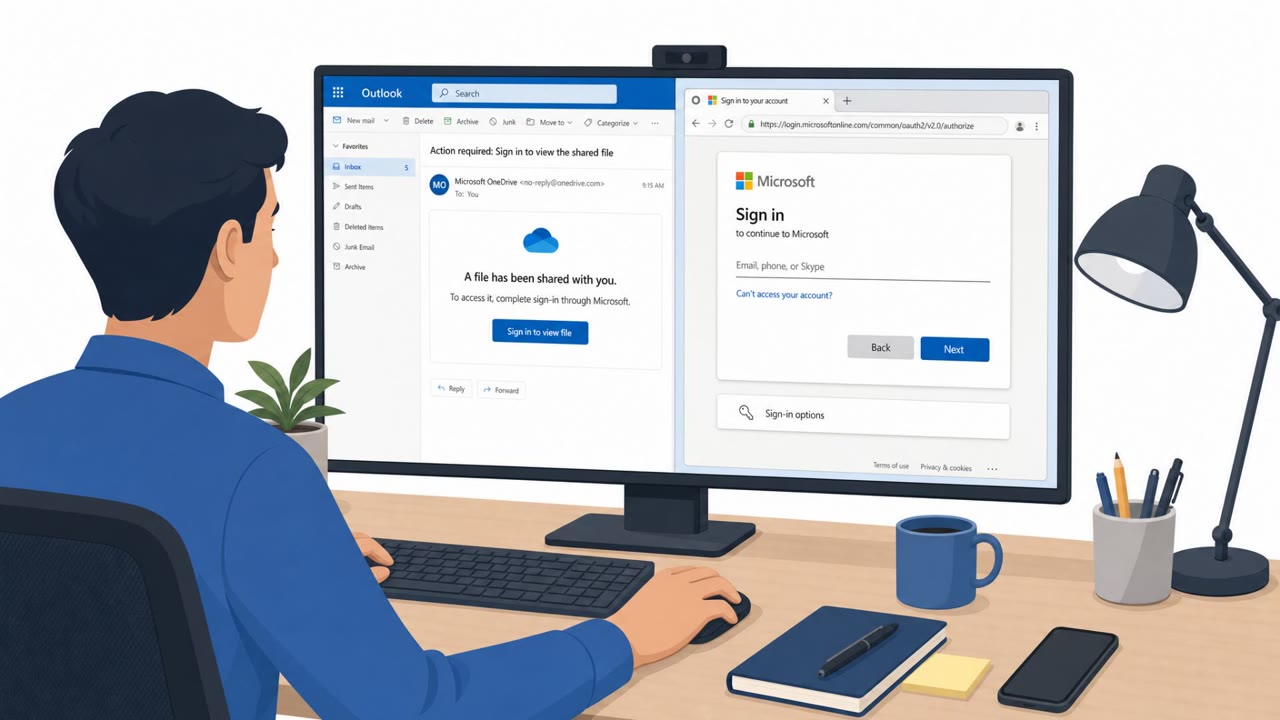
Researchers reported a real phishing operation (“N0va” phishkit) that tricks people into signing into Microsoft through a legitimate Microsoft page, but for an attacker-started session. Victims can complete MFA and still grant the attacker access and refresh tokens, letting the attacker operate as…

September 11, 2026
FBI Warns of OAuth Consent Phishing Tricks

FBI Warns of OAuth Consent Phishing Tricks

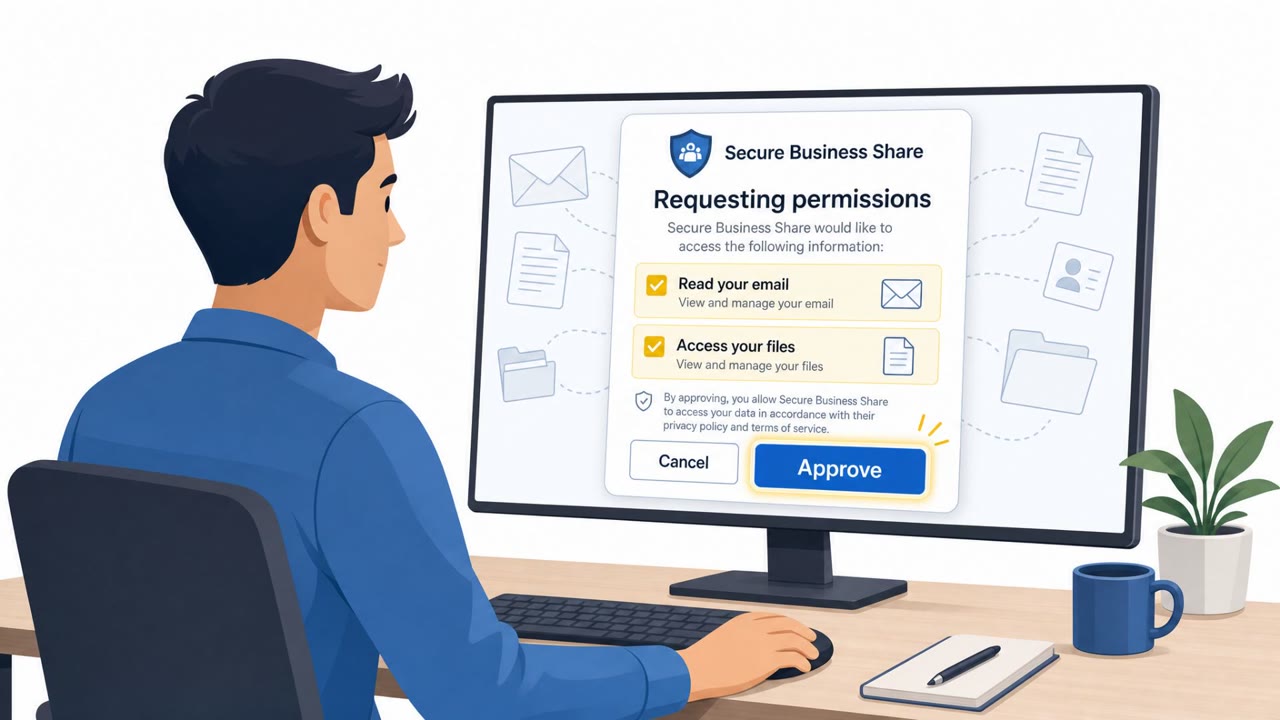
A SecurityWeek roundup highlights multiple real-world scams and campaigns where attackers trick people rather than “hack” systems directly. Notable items include OAuth “consent phishing” (getting users to approve a malicious app’s access), and phishing-evasion using invisible Unicode characters…

September 11, 2026
Iranian Hackers Use Fake Recruiter Coding Test

Iranian Hackers Use Fake Recruiter Coding Test

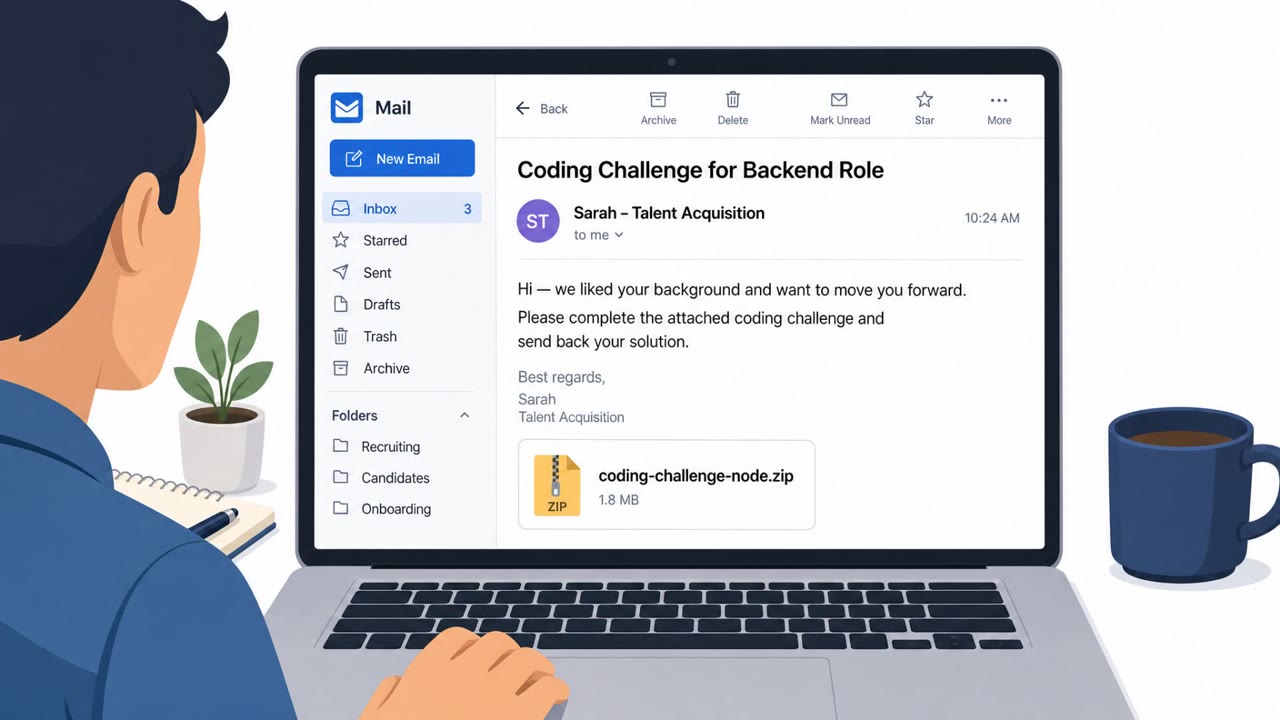
A suspected Iranian government-backed hacking group approached people while pretending to be recruiters, then used a “coding challenge” as the hook to get targets to run malicious code. Victims were sent a ZIP file containing a trojanized Node.js project that infects the machine when it’s…

September 11, 2026
One-Click Sogou Link Trick Dropped GRAYRABBIT

One-Click Sogou Link Trick Dropped GRAYRABBIT

Researchers reported a real intrusion where a China-linked group used a crafted link to exploit Sogou Input Method on Windows and install the GRAYRABBIT backdoor. Victims were lured into opening a special link (potentially via email or chat), which redirected Sogou’s built-in browser to an…

September 11, 2026
China-Linked Hackers Push “Gemini” Phish With Zero-Days

China-Linked Hackers Push “Gemini” Phish With Zero-Days

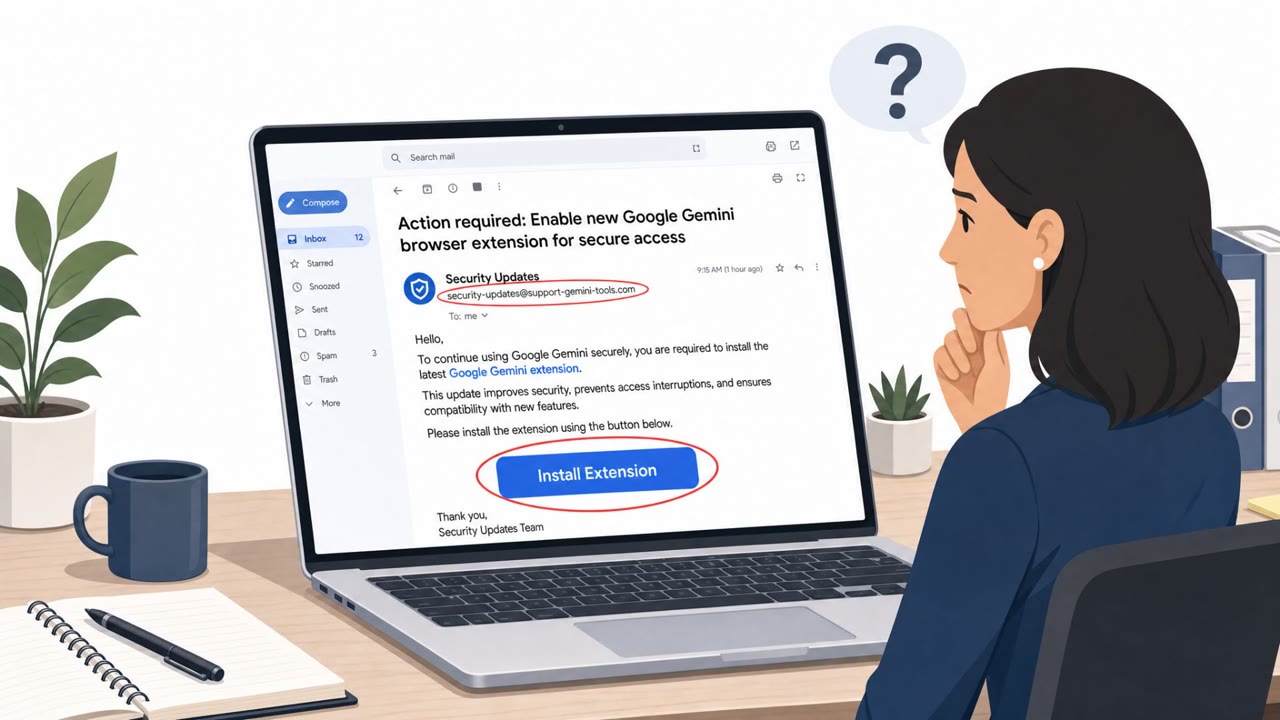
Proofpoint reports multiple China-aligned espionage groups used a chained set of browser/Windows zero-days (“BlueMoon”) and delivered it through phishing emails. Victims who clicked a phishing link could end up with a malicious browser extension disguised as Google Gemini, letting attackers watch…

September 11, 2026
BlueMoon Spearphish Turns One Click Into Admin

BlueMoon Spearphish Turns One Click Into Admin

Proofpoint reports that multiple espionage-focused groups are using a shared “BlueMoon” toolkit to run targeted spear‑phishing campaigns that trick people into clicking a link. A single click can trigger a Chrome/Windows exploit chain that gives attackers full Windows admin access and lets them…

September 11, 2026
Fake CAPTCHA Trick Fuels WebDAV Malware Chain

Fake CAPTCHA Trick Fuels WebDAV Malware Chain

Cisco Talos investigated a real incident at a Ukrainian government organization and found a complex WebDAV-based infection chain linked to a Russian actor (UAT-10820). The campaign uses fake CAPTCHA/verification prompts to manipulate users into copying and pasting commands, leading to credential…

September 10, 2026
Spy Groups Phish Victims Into Chrome Exploit Kit

Spy Groups Phish Victims Into Chrome Exploit Kit

Researchers reported four separate espionage groups using the same “BlueMoon” exploit kit within days, targeting organizations in the US and Southeast Asia. The attacks began with phishing emails that lured recipients to attacker-controlled websites, where Chrome and Windows vulnerabilities were…

September 10, 2026
Fake M&A Wire Fraud and Trezor Phishing Alert

Fake M&A Wire Fraud and Trezor Phishing Alert

This bulletin describes multiple real-world scams where attackers manipulate trust to steal money or sensitive data. Notably, attackers impersonated executives to pressure legal teams into moving M&A discussions to WhatsApp/personal email to trigger international wire transfers, and Trezor users…

September 10, 2026
BlueMoon Phishing Lures Drop Chrome Zero-Day Chain

BlueMoon Phishing Lures Drop Chrome Zero-Day Chain

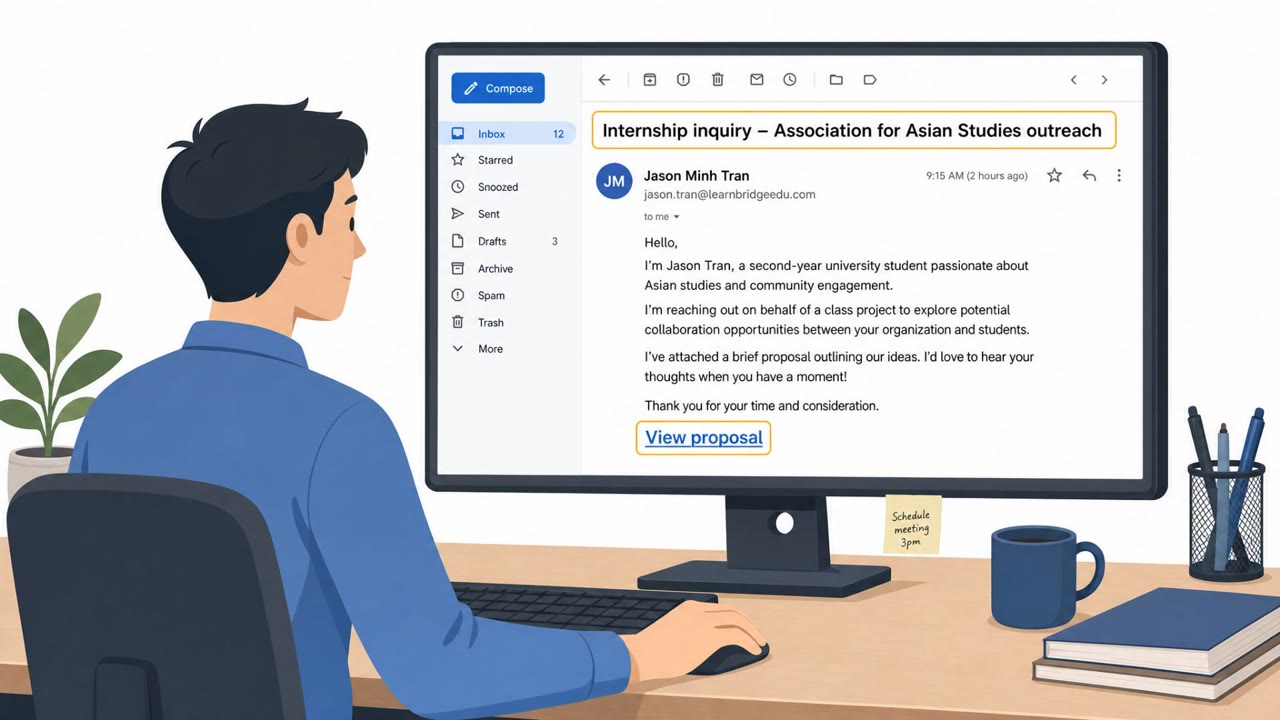
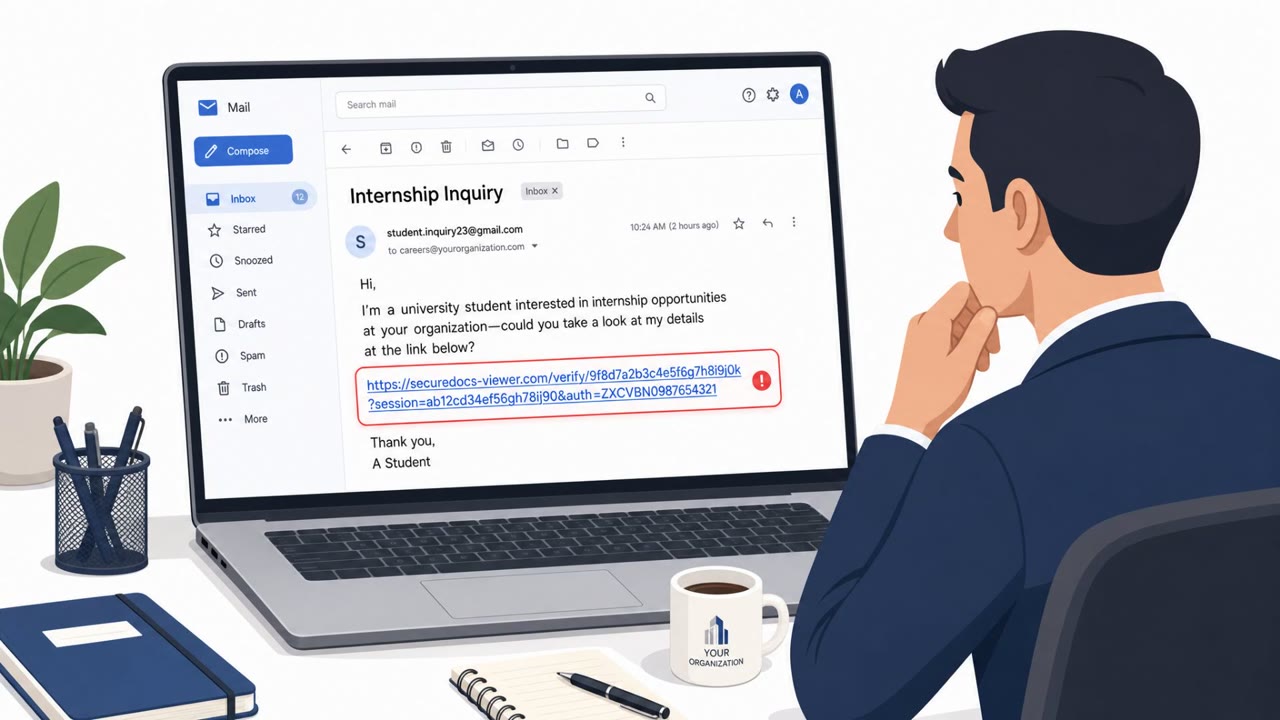
Researchers found multiple espionage groups using the same Chrome+Windows exploit kit (“BlueMoon”) within days of each other. The groups sent realistic phishing emails (internship requests, conference outreach, procurement inquiries, and vaccination appointments) that pushed victims to click links…

September 10, 2026
BlueMoon Phishing Uses Browser Zero-Days to Spy

BlueMoon Phishing Uses Browser Zero-Days to Spy

Multiple suspected China-linked espionage groups used a new exploit kit (“BlueMoon”) that starts with phishing emails and a malicious link to break into organizations in the US and Southeast Asia. Clicking the link can trigger browser and Windows vulnerabilities to install surveillance tools,…

September 9, 2026
APT31 Phish Drops Fake “Gemini” Extension

APT31 Phish Drops Fake “Gemini” Extension

Multiple China-aligned espionage groups used phishing emails to deliver a “BlueMoon” exploit chain that abused three zero-day flaws in Chrome/Chromium and Windows. In observed campaigns, victims who clicked the phishing link ended up with a malicious browser extension disguised as Google Gemini,…

September 9, 2026
Phishing Uses Google Links to Steal Microsoft Logins

Phishing Uses Google Links to Steal Microsoft Logins

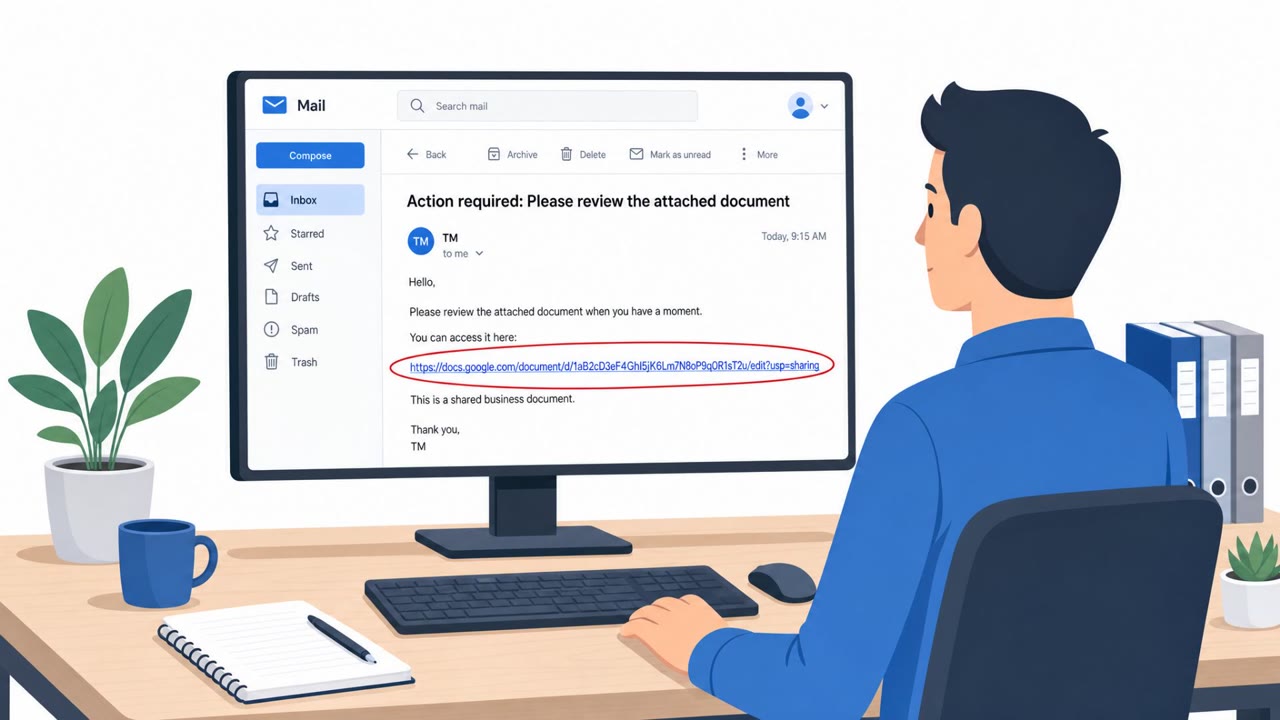
Researchers reported an active, large-scale phishing campaign that starts with links hosted on legitimate Google services, then redirects victims to attacker-controlled sites. The final pages mimic Microsoft sign-in or “identity verification” flows to steal credentials/MFA codes or trick targets…

September 9, 2026
Try Mirage

Mirage simulates attacks like these against your own team, live and safely, so you can measure how your people actually respond.

Get a demo